



Bronze Mounted Glass
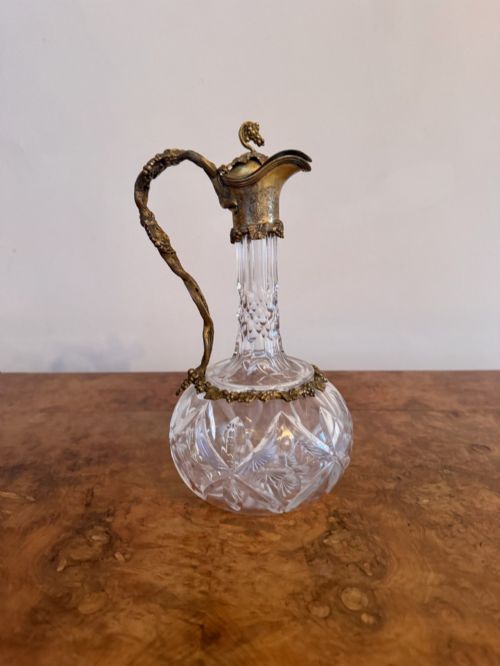
When you search for bronze mounted glass, you find glass vessels and display pieces bound in gilt bronze or ormolu, blending transparency with heavy metalwork.
Bronze Mounted Glass
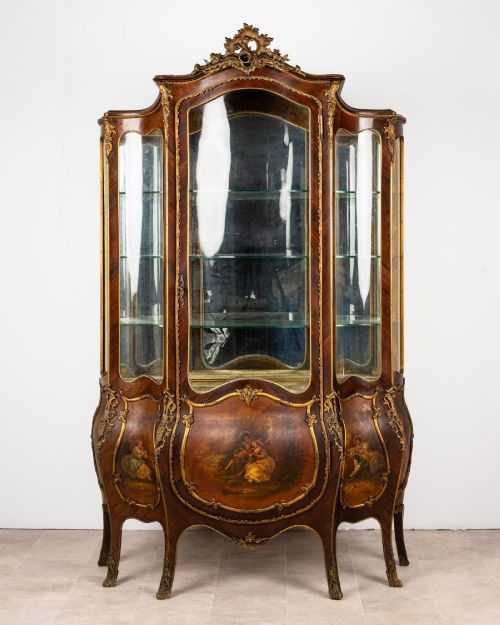
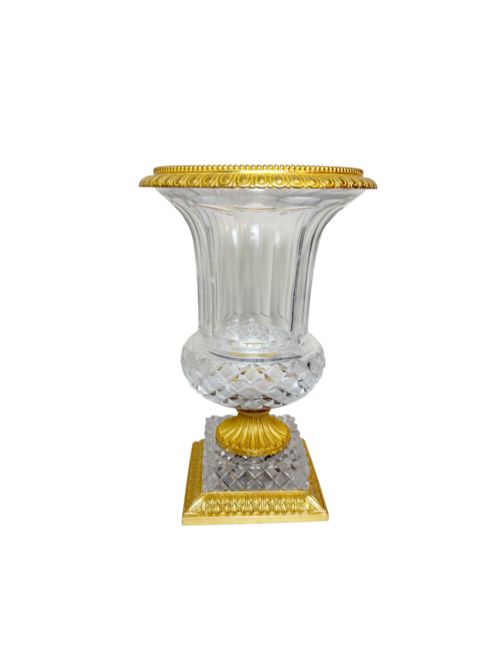
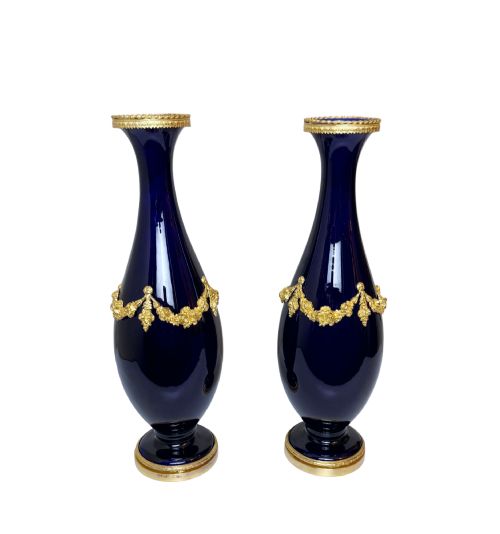
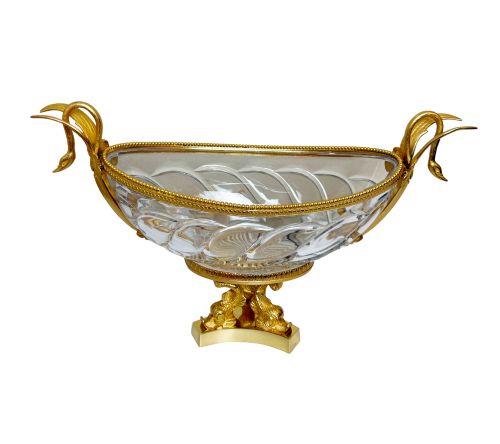
Bronze mounted glass encompasses decorative vessels, centrepieces, bowls, and vases elevated by cast metal mounts. These items unite transparent or coloured glass with structural metal additions.
On this page, you meet pieces originating mainly in the nineteenth century, reflecting periods such as the Victorian era and French revivals. The forms range from large pedestal bowls to crystal centrepieces supported on ornate metal stands.
How they were made
Maker utilise glass-blowing and cutting techniques alongside metal casting to produce these objects. Molten glass is shaped into bowls, vases, or crystal bodies, then cooled before finishing.
Ormolu and gilt bronze mounts are cast, chased, and fire-gilt before being fitted precisely to the glass components. Secondary materials like marble and exotic woods often support the overall structure in larger furniture forms.
Bronze Mounted Glass Retail Price Guide 2026
Typical asking prices for bronze mounted glass among the pieces listed under this phrase on Sellingantiques today, from the lower quarter to the upper quarter. They describe what is for sale here now, not the wider market.
Some nineteenth-century makers hid secret compartments inside their display cabinets, giving owners a private space to store their smallest glass treasures.
What varies in quality
The refinement of the bronze chasing dictates the visual success of the piece, separating crisp, hand-finished mountings from softer, cast-only alternatives. Quality shows in the snugness of the metal fit against the glass surface.
The weight and clarity of the glass or crystal body further divide the range. Heavier, deeply cut crystal combined with well-gilded bronze represents the upper tier of production.
Gabriel Viardot·François Linke·H. J. Hatfield and Sons·Maison Gagneau·Paul Sormani·G. Durand·Loetz
The Bronze Mounted Glass Glossary
- Ormolu
- Gilt bronze produced by applying a mercury-gold amalgam to copper alloy and heating it. This technique gives the metal a deep, warm golden lustre.
- Vitrine
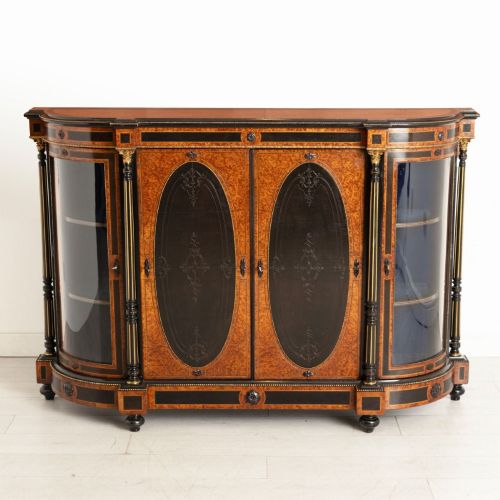
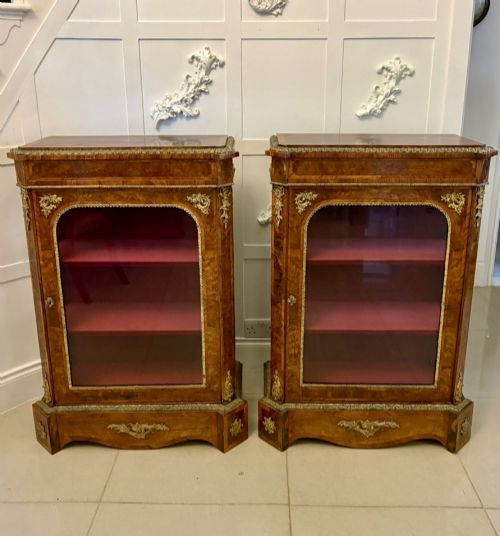
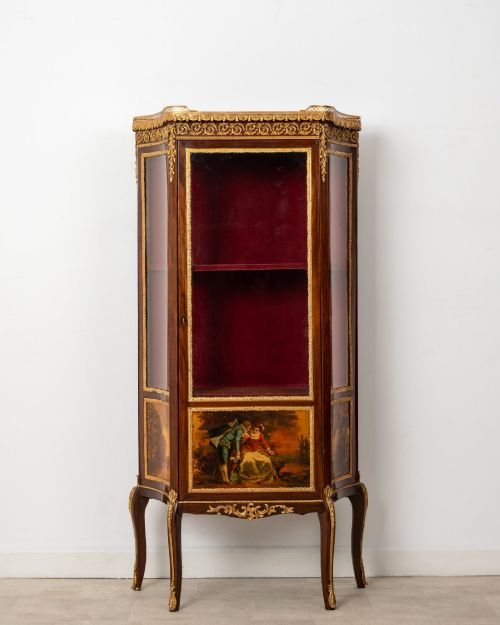
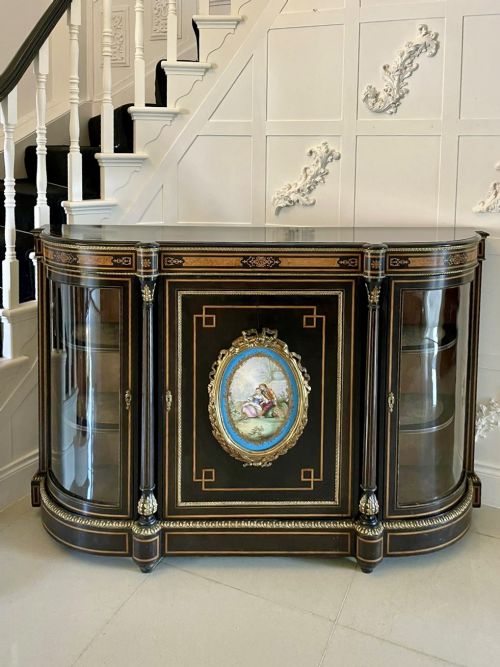
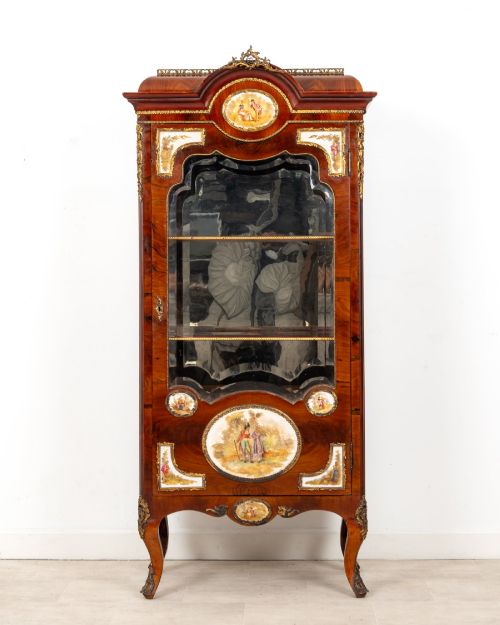
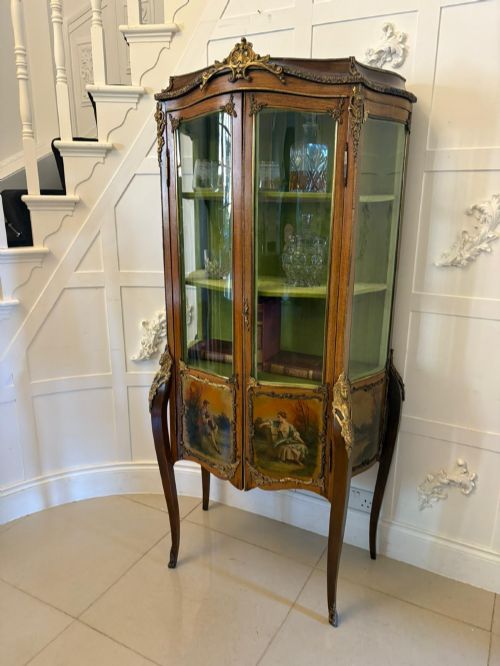
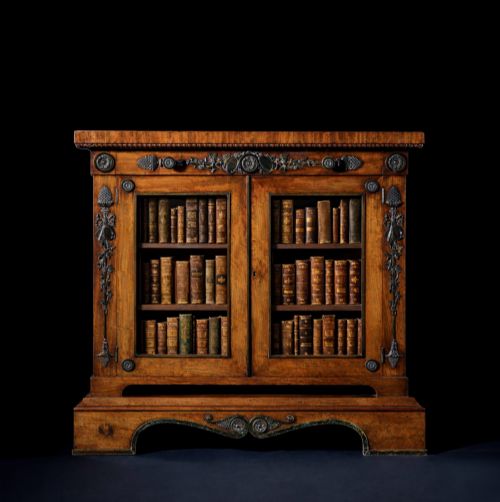
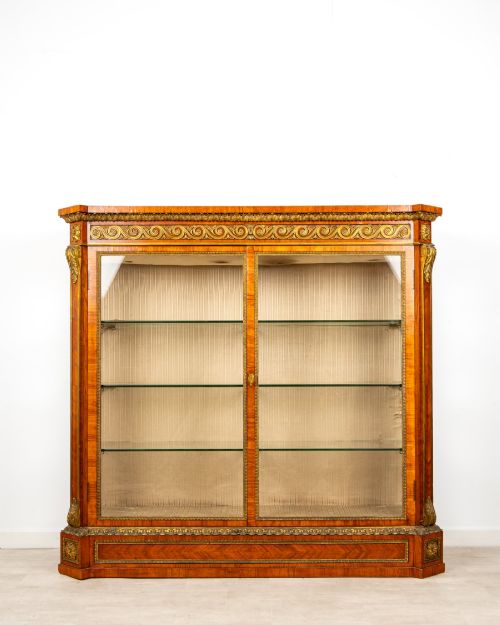
- A glass-fronted cabinet designed for the display of precious objects. These pieces often incorporate extensive bronze mounts and marquetry.
- Bijouterie table
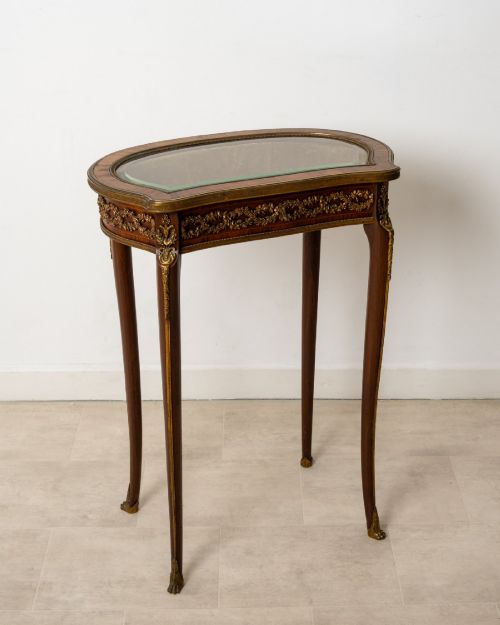
- A shallow glass-topped display table intended for small treasures and jewellery. They frequently feature gilt bronze mounts and fine wood veneers.
- Vernis Martin
- A simulated Japanese lacquer technique developed in France, often seen on panels incorporated into cabinets. It adds painted decorative scenes to the furniture.
- Marquetry
- The art of applying pieces of veneer to a structure to form decorative patterns. Craftsmen utilise woods like kingwood, walnut, and amboyna for this work.
Bronze Mounted Glass: Frequently Asked Questions
How do I clean bronze mounted glass?
Dust glass components gently with a soft cloth and avoid using harsh chemical cleaners that might damage the gilt surface. Keep moisture away from the metal mounts to preserve the finish.
Use a dry brush to clear dust from intricate crevices in the bronze work. Regular, gentle maintenance protects both materials over time.
Where were these pieces typically displayed?
Owners placed centrepieces and bowls on dining tables or mantelpieces as decorative focal points. Cabinets and vitrines stood in reception rooms to showcase precious collections.
Smaller bijouterie pieces rested in drawing rooms for close inspection by guests. The combination of glass and gilt bronze suited formal nineteenth-century interiors.
How can I tell nineteenth-century pieces apart?
Examine the casting quality of the bronze mounts and the construction methods used in the wooden frames. Nineteenth-century items often display hand-chased details on the metalwork that later reproductions lack.
Consider the wood species and veneer thickness visible inside cabinets or on table frames. Period pieces show construction traits consistent with Victorian and continental workshop practices.
Are the glass and bronze original to each other?
Inspect the fit of the metal mount against the glass surface to check for alignment and secure contact. Original mounts follow the exact contours of the glass vessel they support.
Look for consistent signs of age and wear across both the glass and the metal components. Matching patination suggests the two materials have remained together since manufacture.