
Bronze Lighting Fixture
A bronze lighting fixture brings warm illumination and classical proportion to a room, ranging from grand multi-tier chandeliers to wall sconces.
Bronze Lighting Fixture
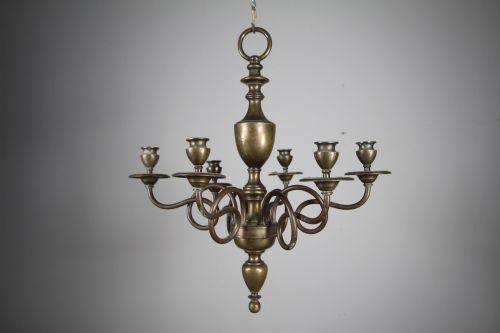
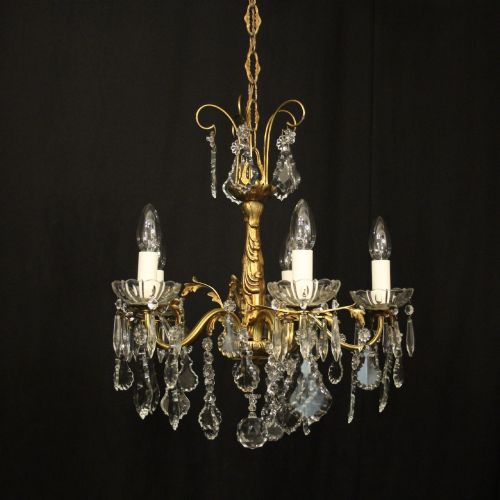
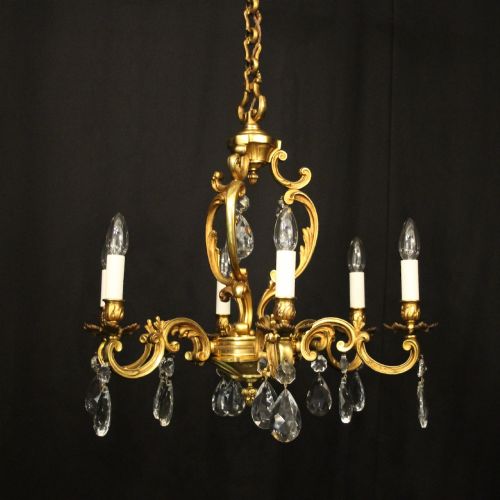
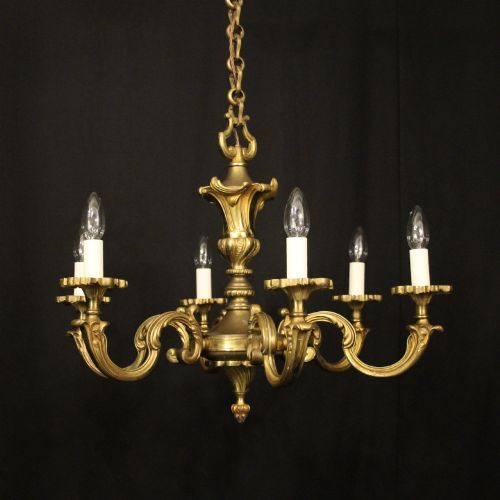
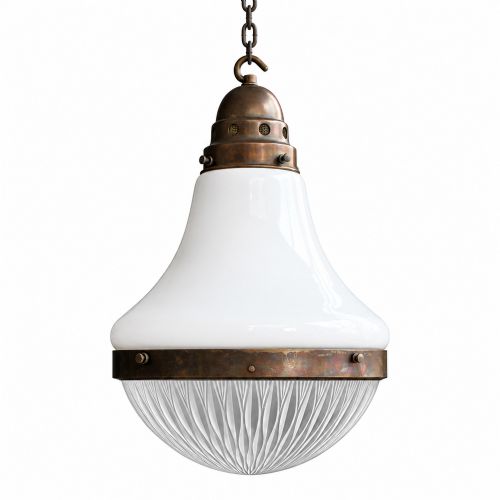
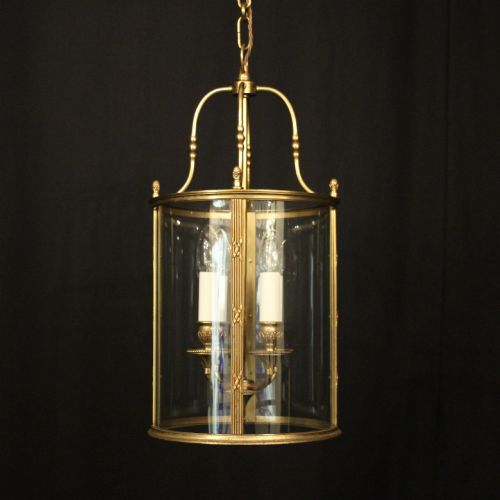
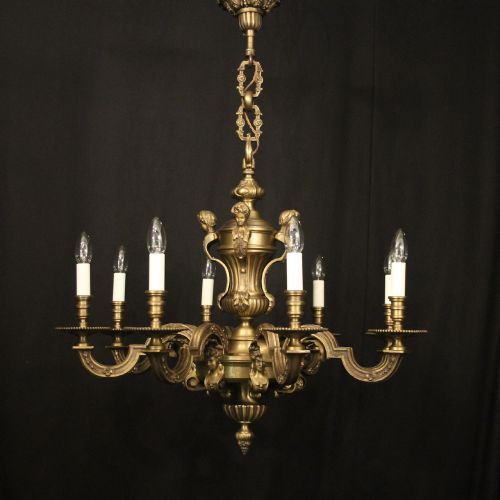
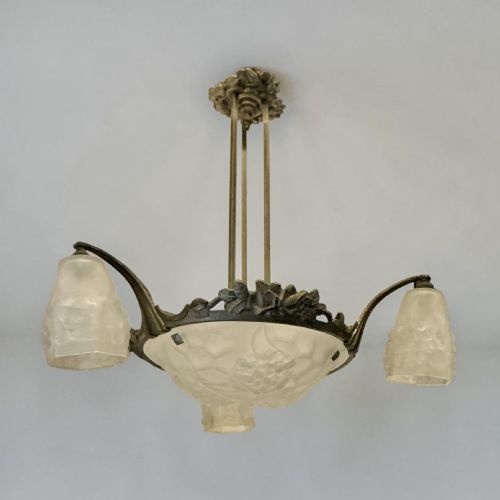
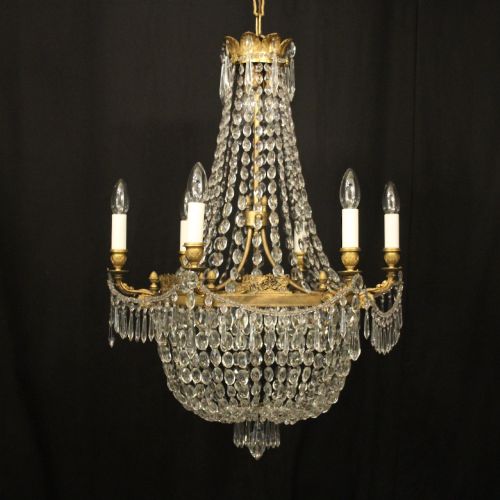
A bronze lighting fixture encompasses a wide variety of forms designed to illuminate interiors, including chandeliers, ceiling lights, wall sconces, pendant lights, and hall lanterns. These pieces span periods from the nineteenth century through the Edwardian era and into the 1920s and 1930s, reflecting French Chateau, Rococo, Empire, Neoclassical, and Art Deco design styles.
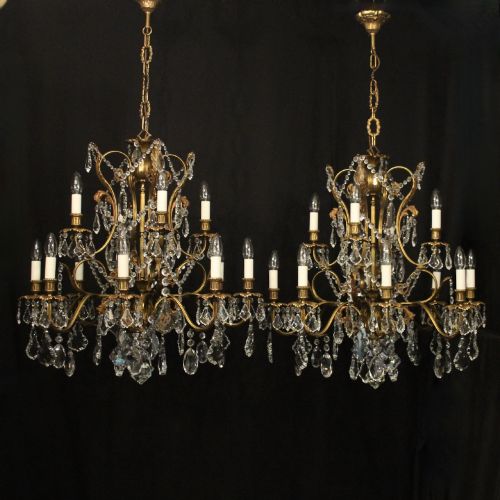
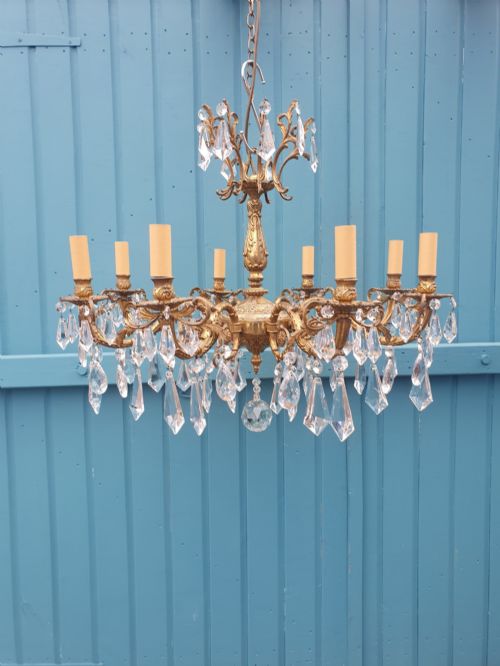
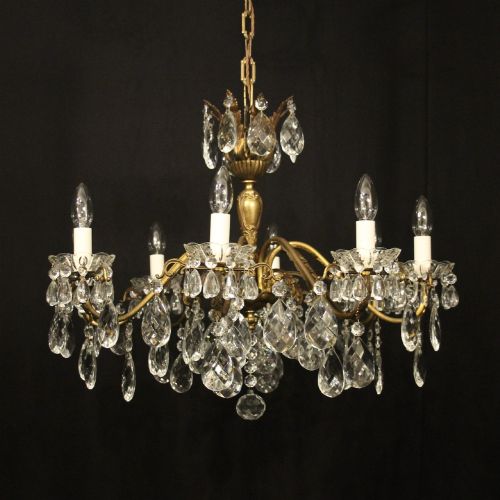
Buyers encountering this category will most frequently discover French chandeliers and wall lights, often featuring multiple branches, crystal drops, or glass shades. The selection also includes English bronze pieces and specialised forms such as billiard lights and hall lanterns, rooted in historical revival aesthetics.
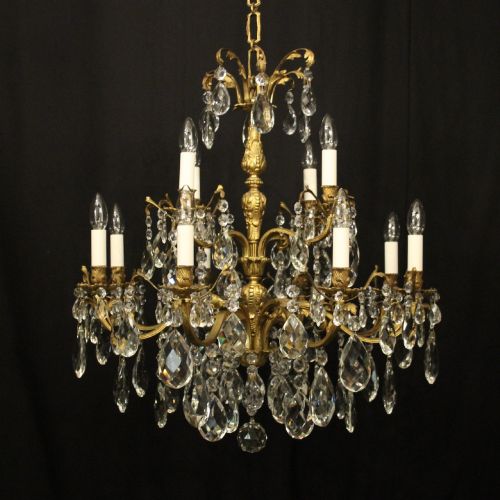
The architectural scale of these fixtures varies significantly, from compact four-light lanterns and twin-arm wall lights to massive twenty-five-light chandeliers. This diversity permits placement in both intimate residential spaces and expansive high-ceilinged reception rooms.
Materials and construction methods
Makers utilised bronze, gilded bronze, ormolu, gilt brass, and metal as the primary structural foundations for these fixtures, frequently combining the metalwork with cut glass and crystal components. The surfaces received extensive gilding, silver gilding, or dark patination to achieve specific decorative effects.
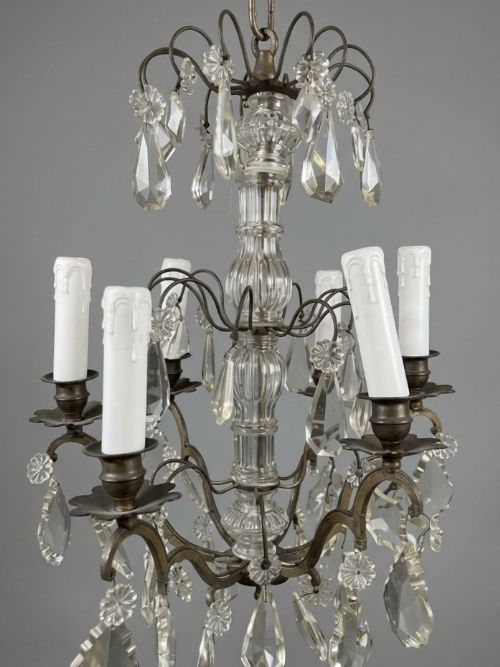
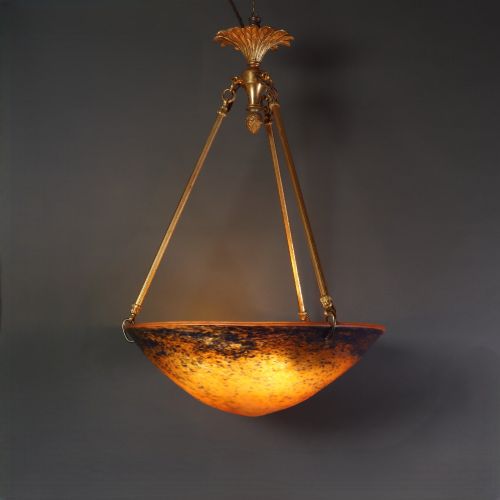
Crystal elements, including pendeloques, beads, and cut glass spikes, were suspended from metal frameworks using wire or pins to diffuse light across the room. Specialised glass components such as Art Deco slip shades and plafonniers were moulded or pressed to house electrical fittings directly.
Several chandeliers include flying cherubs holding crystal spike accents aloft.
Assessing quality in antique lighting
The distinction between tiers of quality rests in the crispness of the cast metal ornamentation, such as leaf decoration, cherubs, and classical motifs, alongside the weight and clarity of the cut glass crystal components. Heavier bronze castings and intricate hand-chased surface details indicate superior craftsmanship during production.
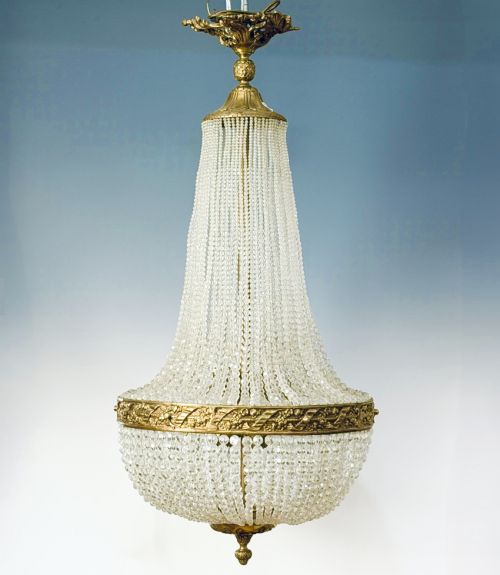
Integration of design elements defines the finer pieces, where glass shades by named makers or elaborate tent and waterfall crystal configurations demonstrate cohesive stylistic ambition rather than standard assembly.
Charles Schneider·Degué
The Bronze Lighting Fixture Glossary
- Ormolu
- Gilded bronze produced by applying a mercury and gold amalgam to a bronze object and heating it to drive off the mercury. This technique creates a durable, rich golden surface finish seen on eighteenth and nineteenth-century pieces.
- Plafonnier
- A ceiling-mounted bowl light or flush fixture, often constructed from moulded art glass. These fixtures sit directly against the ceiling surface.
- Tent and waterfall
- A chandelier configuration where strings of crystal beads form an upper tent shape that flows downward into a cascading shower of crystals. This arrangement maximises light refraction.
- Slip shade
- A moulded frosted or opalescent glass shade that slips into a metal frame or basket on a light fixture. This style is frequently associated with Art Deco lighting designs.
- Mazarin
- A specific multi-branch chandelier style often featuring a central baluster stem and numerous scrolling arms. The term designates a traditional form seen in historical French lighting.
Bronze Lighting Fixture: Frequently Asked Questions
What periods do these bronze lights come from?
The available lighting fixtures originate from the nineteenth century, the Edwardian period, and the 1920s and 1930s.
These dates encompass distinct aesthetic movements including French Empire, Neoclassical, and Art Deco designs.
How do I choose the right size chandelier?
Consider the room dimensions and ceiling height to determine the appropriate diameter and drop of the fixture.
Larger spaces accommodate multi-tier chandeliers with numerous lights, while hallways suit compact lanterns.
Are these lights fitted for modern electricity?
Most antique fixtures have been adapted or rewired for contemporary electrical standards while preserving their external metal and crystal components.
Buyers should inspect the specific wiring details of individual pieces before installation.
What is the difference between ormolu and gilded bronze?
Ormolu specifically describes high-quality mercury gilding applied to a bronze base, resulting in a distinct golden lustre.
Gilded bronze is a broader term encompassing various gold-application techniques used on bronze substrates.