


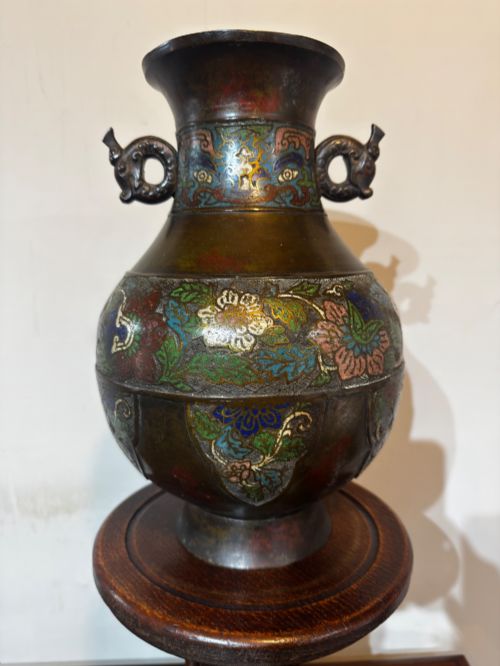


Bronze Handled Vase
A bronze handled vase brings substantial weight and classical form to a room, drawing the eye with patinated metal and cast detail.
Bronze Handled Vase
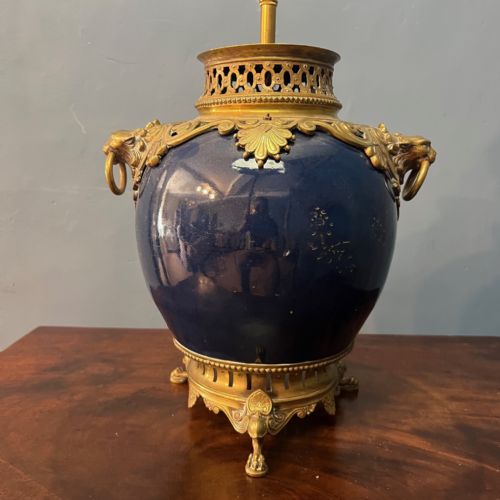
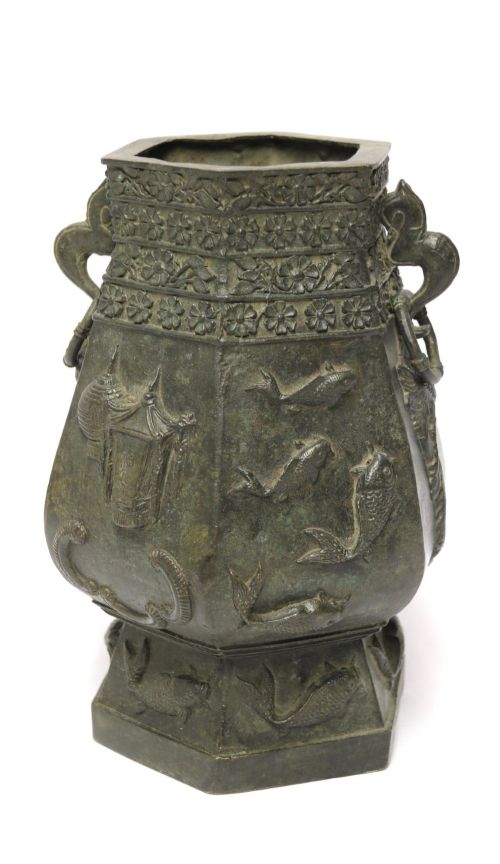
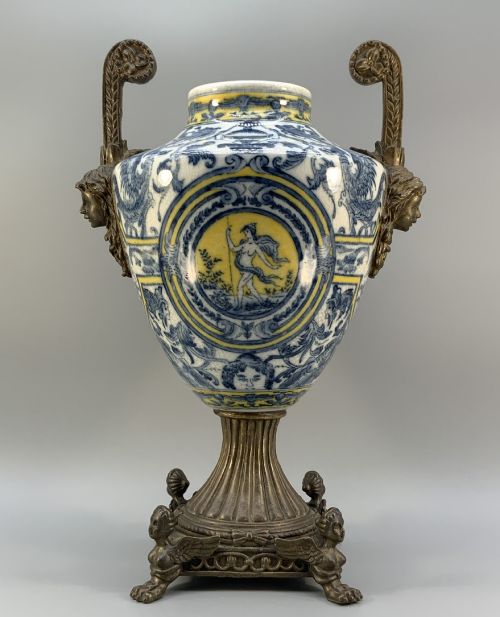
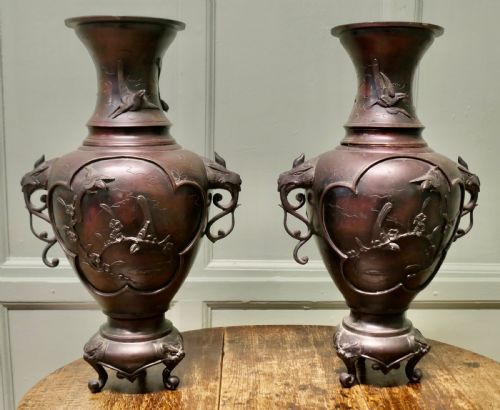
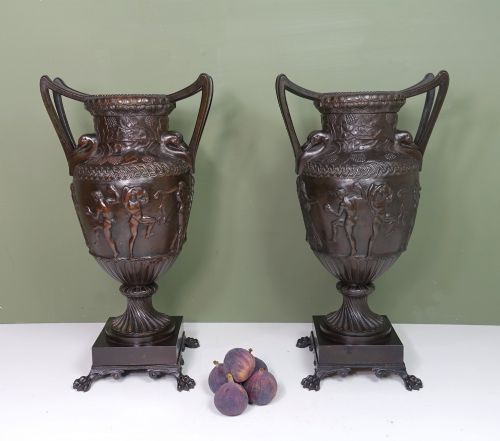
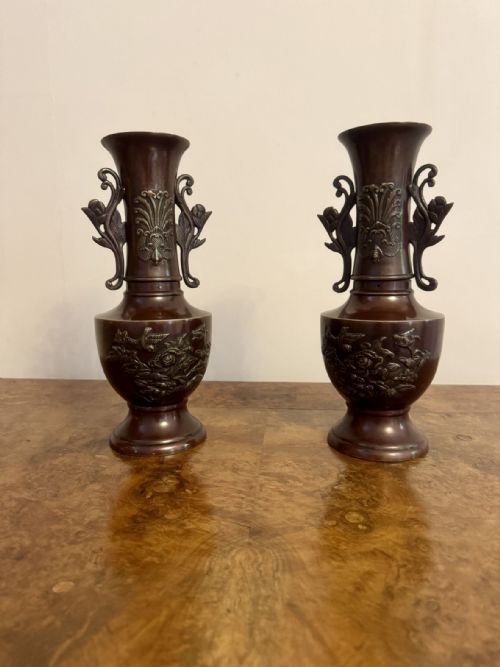
A bronze handled vase stands as a sturdy vessel shaped through casting and hammering, often featuring integrated loop or figural grips. When searching for a bronze handled vase, buyers encounter nineteenth-century works spanning Japanese Meiji production, Chinese vessels, and European revival styles. These objects serve equally as decorative urns, converted table lamps, or distinct centrepieces.
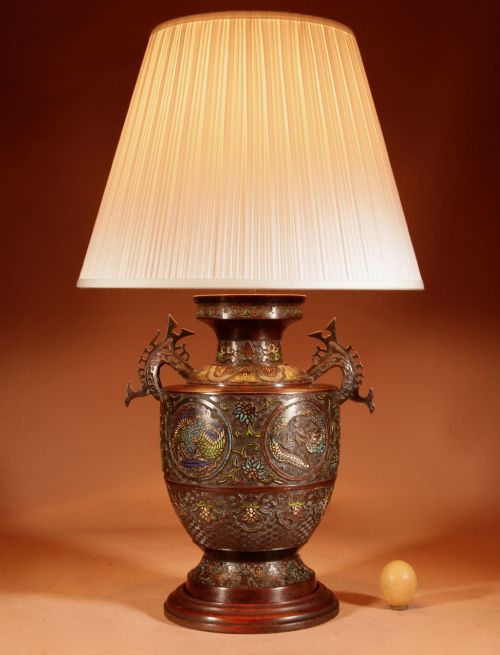
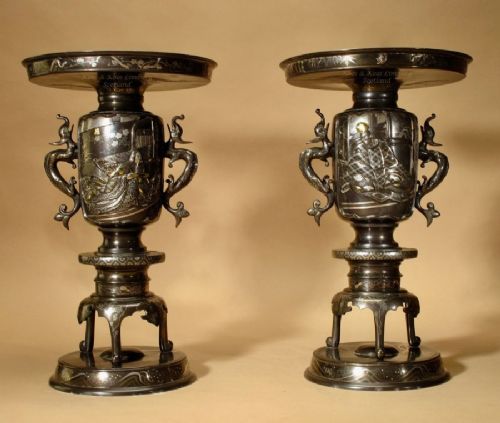
Japanese Meiji period items dominate the selection, frequently displaying complex champlevé enamel or inlaid decoration alongside birds and floral motifs. Alongside these sit European Grand Tour pieces, French gilt ewers, and heavy Victorian specimens mounted on marble bases. Each piece reflects the metalworking traditions of its origin, whether cast in solid bronze or patinated spelter.
How they were made
Makers utilised traditional bronze casting methods, pouring molten copper and tin alloys into moulds to achieve solid vessels or detailed urns. Surface enrichment involved intricate champlevé enamelling, where vitreous enamel fills recessed channels within the metal body, or manual patination using chemical treatments to age the exterior.
Handles and mounts were cast separately and attached mechanically or through brazing, creating robust structural elements. Marble bases and gilt accents provided additional weight and visual contrast, while inlay work introduced contrasting metals like brass or silver into the bronze surface.
Bronze Handled Vase Retail Price Guide 2026
Typical asking prices for bronze handled vase among the pieces listed under this phrase on Sellingantiques today, from the lower quarter to the upper quarter. They describe what is for sale here now, not the wider market.
Some bronze vases double as fierce water creatures, featuring handles shaped entirely out of leaping koi fish and grinning mythological dolphins.
What varies in quality
The precision of the metal casting dictates the sharpness of relief work, separating crisp dragon scales and feather details from softer, indistinct surfaces. Superior examples display careful hand-chasing after casting, which cleans up seams and defines contours with deliberate intent.
Enamelwork quality depends on even firing and secure adhesion within the bronze cells, avoiding significant cracking or pitting. The integration of handles reveals structural integrity, with high-tier pieces showing seamless joining and balanced weight distribution throughout the vessel body.
The Bronze Handled Vase Glossary
- Champleve
- An enamelling technique where troughs or cells are carved into the bronze surface and filled with coloured vitreous paste before firing. This method creates bold patterns bounded by thin metal lines.
- Patinated Bronze
- Metal treated with acids and heat to produce a deliberate aged surface colour, ranging from dark brown to green. This treatment protects the underlying alloy while enhancing decorative depth.
- Grand Tour
- European travel traditions that inspired nineteenth-century artisans to cast miniature bronze copies of classical antiquity. These decorative urns and vases imitated archaeological finds for domestic display.
- Meiji Period
- The era in Japanese history from 1868 to 1912 marked by prolific metalwork exports to the West. Artisans during this time produced highly detailed bronze vases featuring inlaid metals and elaborate handles.
- Spelter
- A zinc-based alloy frequently cast as a less expensive alternative to bronze during the nineteenth century. It often received a bronze-coloured finish to mimic heavier metal vessels.
Bronze Handled Vase: Frequently Asked Questions
How do I clean a bronze vase?
Dust the surface gently with a soft, dry cloth to prevent dirt accumulation without disturbing the historic patination. Avoid commercial metal polishes that strip away original finishes and historical patinas.
Keep these vessels away from direct moisture and damp environments to protect underlying enamel and delicate metal inlays from corrosion.
Can these vases hold water?
Most antique metal vessels are designed for decorative display rather than holding fresh flowers and water. Moisture can seep into internal seams or damage enamel and inner linings over time.
Utilise internal glass liners if fresh stems are necessary, protecting the antique bronze from water exposure and mineral deposits.
How do I date a bronze vase?
Examine the casting method, surface wear, and stylistic markers such as Japanese Meiji signatures or European revival motifs. Nineteenth-century pieces often display hand-finished chasing and specific patination traits characteristic of their period.
Compare the construction of the handles and base mounts against known manufacturing techniques from the Victorian era or earlier dynastic periods.
What is champleve enamel?
Champleve is an ancient technique where recessed pockets are dug directly into a bronze body and packed with coloured glass powder. Firing melts this paste into durable enamel fields flush with the surrounding metal.
This decorative method creates vibrant geometric or floral patterns across the body of nineteenth-century oriental vases and European revival pieces.