



Bronze Figure Set
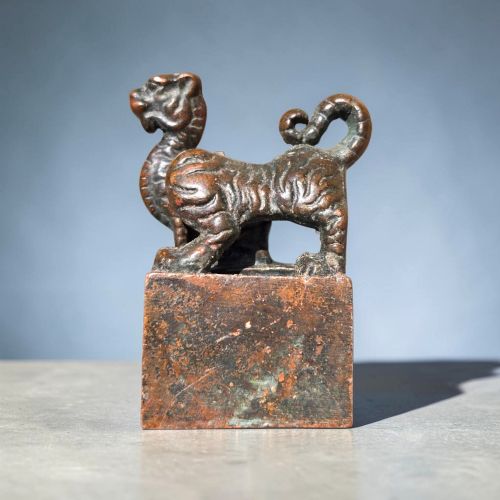
These bronze figure set examples range from French clock garnitures to Ming dynasty scholar objects, bringing classical weight and material presence to a room.
Bronze Figure Set
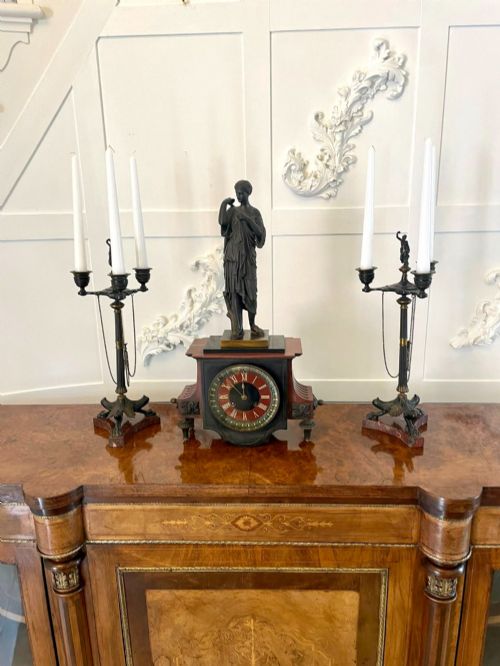
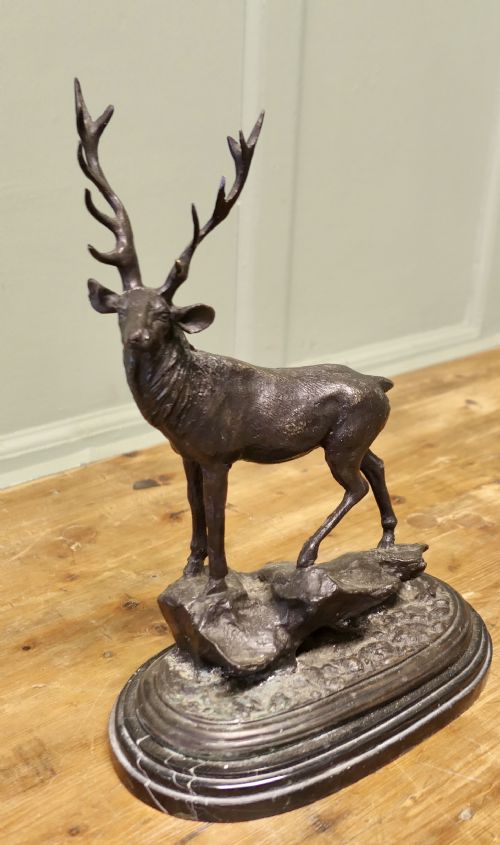
A bronze figure set encompasses diverse functional and decorative groupings, most frequently appearing on this page as French clock garnitures, multi-piece desk accessories, and animalier sculptures mounted on stone bases.
The material scope extends from nineteenth-century European mantel suites and novelty inkwells to sixteenth-century Asian trade weights and scholar seals.
Buyers encounter everything from neoclassical architectural clock sets in ormolu and marble to playful Victorian animal groups and Art Nouveau female figures cast in bronze and spelter.
Materials and construction methods
The primary fabrication relies on casting metal, predominantly bronze, brass, gilt bronze, and spelter, often combined with carved marble, onyx, portoro, and ormolu mounts.
Many sculptural elements and desk items incorporate hand-finishing, chasing, and gilding, while mounted works utilise fitted stone plinths and glass eyes for added detail.
Bronze Figure Set Retail Price Guide 2026
Typical asking prices for bronze figure set among the pieces listed under this phrase on Sellingantiques today, from the lower quarter to the upper quarter. They describe what is for sale here now, not the wider market.
Mr Fox enjoys his nightgown in cast bronze, while a cheeky monkey stares out with glass eyes.
Distinctions in quality and execution
Quality separates through the crispness of the metal chasing, the weight and selection of the supporting marble bases, and the integration of moving components in garniture clocks and desk tidies.
Artisanal signatures and foundry marks indicate higher tier workshop production, distinguishing finely cast individual sculptures from standard commercial output.
Jules Dalou·Deniere Paris
The Bronze Figure Set Glossary
- Garniture set
- A coordinated group of decorative objects, typically comprising a central mantel clock flanked by matching vases, urns, or candelabra.
- Ormolu
- Gilding technique applying finely ground high-carat gold to a bronze base, creating a rich golden surface finish.
- Animalier
- A nineteenth-century artistic style focusing on the realistic depiction of animals, frequently cast in bronze.
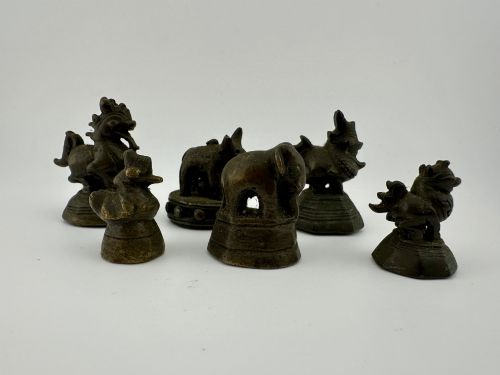
- Opium weight
- Small cast metal weights shaped like animals or birds, historically used for trade in Southeast Asia.
Bronze Figure Set: Frequently Asked Questions
What is a clock garniture set?
A clock garniture set consists of a central timepiece accompanied by matching decorative side pieces, designed to sit symmetrically on a mantelpiece.
These coordinated groupings were popular across nineteenth-century European interiors to create a unified decorative scheme.
How are bronze figures mounted on marble?
Cast metal sculptures and clock components are typically secured to carved stone plinths using threaded rods, nuts, or pins embedded through the base.
This method anchors heavy bronze and ormolu objects firmly to stable marble, onyx, or portoro foundations.
Where were nineteenth-century bronze desk accessories made?
Many of the desk accessories and inkwells from this period originate from French foundries and workshops specialising in ornamental metalwork.
Parisian makers dominated the production of gilt bronze, ormolu, and figural stationery items during the nineteenth century.
What distinguishes spelter from bronze?
Spelter is a zinc-based alloy that is lighter, softer, and more brittle than traditional copper and tin bronze mixtures.
Objects cast in spelter often mimic bronze visually but require different surface treatments and care due to the softer nature of the metal.