





Bronze Figure Lamp
A bronze figure lamp brings sculptural presence and warm illumination to a room, uniting classical and modernist aesthetics in a single cast metal form.
Bronze Figure Lamp
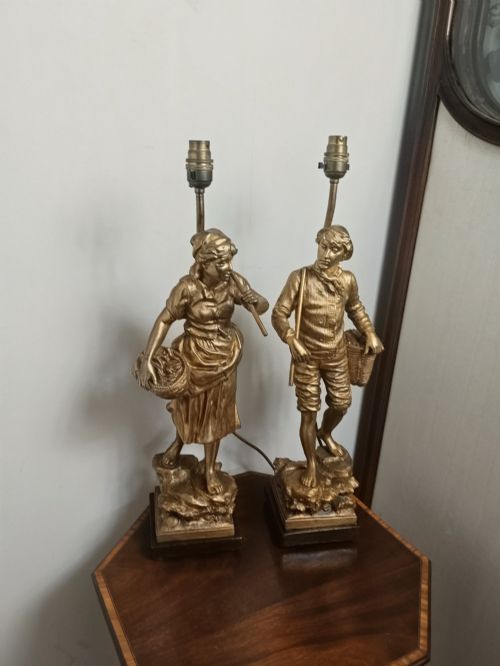
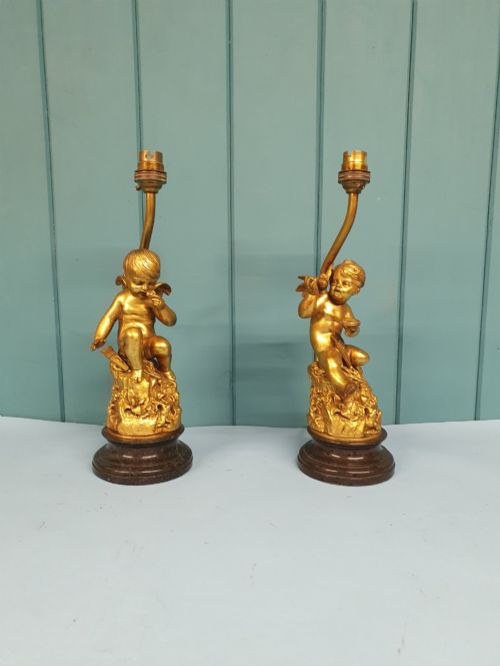
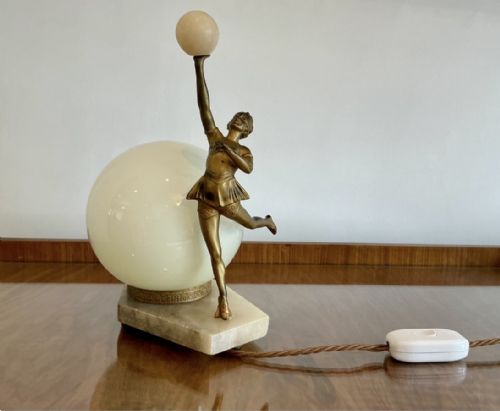
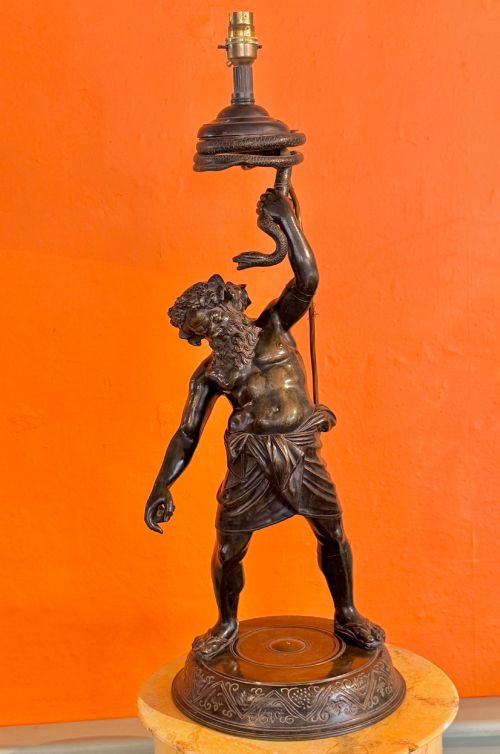
A bronze figure lamp combines cast metal human or mythological subjects with functional lighting, appearing as table lamps, floor standing torcheres, and wall brackets. These pieces draw on nineteenth-century academic sculpture, French Neoclassical motifs, and later twentieth-century Art Deco streamlining.
The most common examples on this page date from the nineteenth century through the 1930s, often depicting allegorical figures, cherubs, and ladies cast in bronze or spelter. Many originate from French workshops or British makers, utilising existing statuary converted to hold electrical fittings.
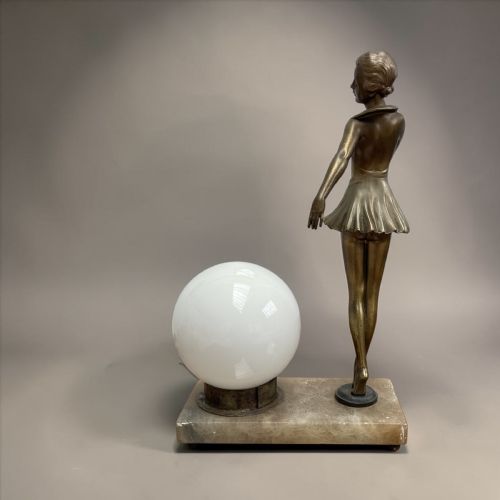
Buyers encounter subjects ranging from mythological deities like Amphitrite and Apollo to stylized dancers and robed maidens holding torch shades. These objects function as primary decorative focal points in a room rather than simple reading lights.
What Varies in Quality
The distinction between superior and standard pieces rests on the crispness of the metal chasing and the depth of the foundry work. Fine examples retain sharp facial expressions and intricate hand-finished details, whereas lesser items display blurred casting seams and soft edges.
Material selection divides the range, with heavy solid bronze and fire-gilded ormolu commanding higher regard than lighter spelter substitutes painted to imitate bronze. The quality of the underlying artist model and the integrity of the original signature also determine the standing of the piece.
Compositional balance and the harmony between figure and shade separate workshop output from mass production. Superior pieces integrate the electrical hardware cleanly without compromising the sculptural integrity of the original cast figure.
Bronze Figure Lamp Retail Price Guide 2026
Typical asking prices for bronze figure lamp among the pieces listed under this phrase on Sellingantiques today, from the lower quarter to the upper quarter. They describe what is for sale here now, not the wider market.
Several figures hold torches aloft not just for show, but because they started life as grand decorative bronzes before someone wired them for light.
E Rousseau·G. Amodio Naples·Franz Bergman·L & F Moreau·Emile Picault·Humphrey Hopper·Jean-Jules Cambos·Aug. Moreau·Coutan·P.Sega·Adrien Gaudez·Auguste Moreau
The Bronze Figure Lamp Glossary
- Spelter
- A zinc alloy commonly utilised as a less expensive substitute for bronze in nineteenth and twentieth century figural castings. It accepts patination and metallic paint finishes readily.
- Torchere
- A tall stand or floor lamp designed to hold a light source aloft, often taking the form of a classical figure bearing a torch. These pieces provide ambient upward illumination.
- Ormolu
- Gilt bronze produced by applying a finely ground mercury and gold amalgam to a bronze base, followed by firing to drive off the mercury. This technique creates a durable golden surface.
- Cold-painted
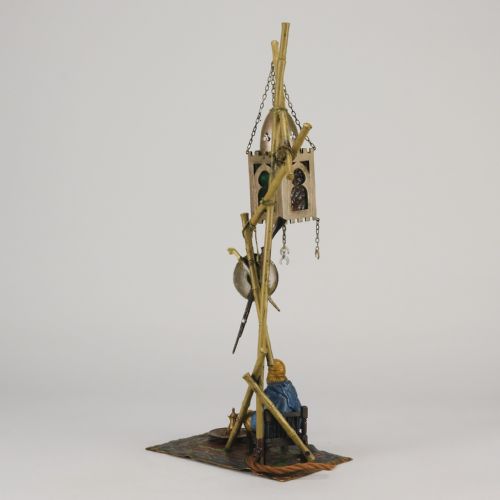
- A method of applying polychrome paint to a bronze figure after casting without subsequent firing. This decoration is delicate and prone to flaking if handled improperly.
- Pate sur pate
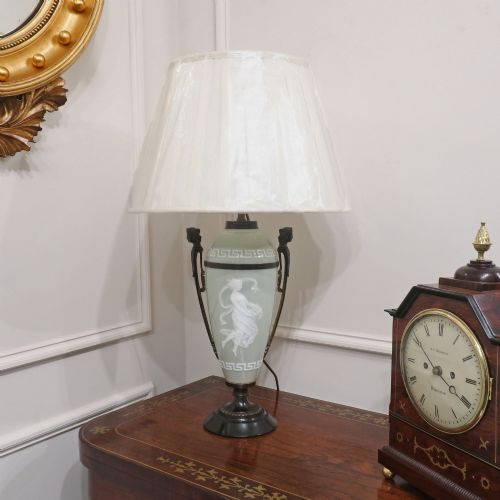
- A ceramic decoration technique where layers of liquid white porcelain slip are built up on a contrasting coloured clay body to create a low relief cameo effect.
Bronze Figure Lamp: Frequently Asked Questions
What is a bronze figure lamp?
A bronze figure lamp is a lighting fixture built around a cast metal sculptural figure, such as a mythological deity, allegorical personification, or stylized lady.
These pieces combine decorative sculpture with functional illumination, designed to sit on tables, desks, or stand directly on the floor.
How do I date a figure lamp?
Dating relies on identifying the prevailing artistic style, such as Neoclassical, Art Nouveau, or Art Deco, alongside the casting materials used.
Signatures from known bronze-founders or sculptors cast into the base also help establish the exact period of production.
Are spelter and bronze different?
Bronze is a heavy, durable copper alloy that takes fine detail and patination well, whereas spelter is a softer, lighter zinc-based metal.
Spelter figures were often painted or bronzed to resemble solid metal, but they feel lighter and show less resilience to impact.
How should I place one in a room?
These lamps function best as focal points on heavy sideboards, desks, or dedicated torchere stands where their sculptural qualities remain visible.
Position them away from heavy foot traffic to protect delicate cold-painted surfaces or protruding glass shades.