






Bronze Figurative Desk Statue
A bronze figurative desk statue brings solid weight and character to a workspace, offering detailed human forms from past decades.
Bronze Figurative Desk Statue
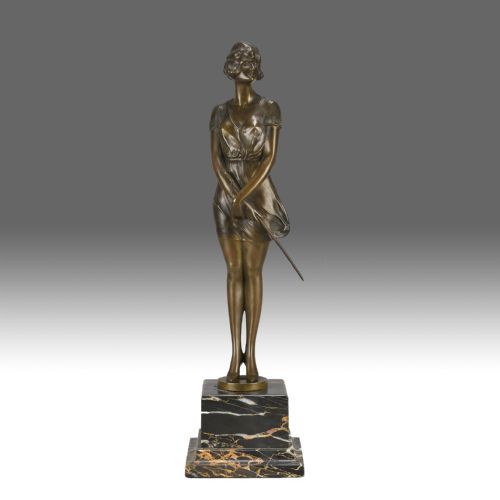
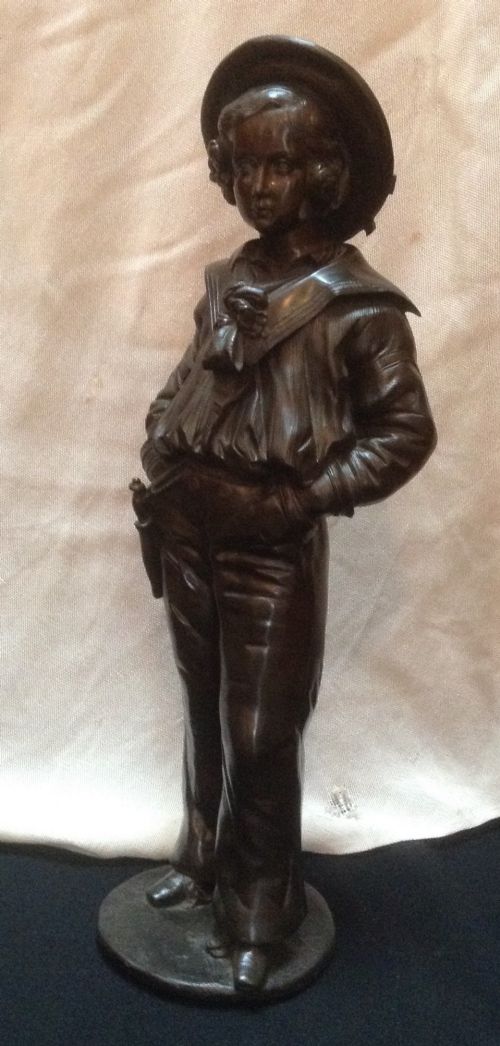
A bronze figurative desk statue represents human forms scaled for workspaces, appearing in periods from the mid-nineteenth century through the mid-twentieth century. These pieces encompass busts, full figures, studies of women and men, and utilitarian items like night lights or lamps.
The most common versions on this page originate from French workshops and continental makers working in Victorian, Art Nouveau, and Art Deco styles. Figures range from classical mythological subjects to contemporary dancers, historical rulers, and literary characters.
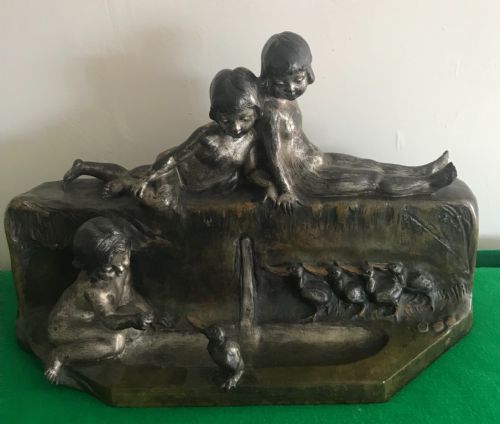
Makers utilised various metals alongside pure bronze, meaning a desk statue might also emerge as spelter or gilt bronze mounted on bases of marble, onyx, or alabaster. Scale remains modest to suit placement upon writing tables and ledges.
Materials and casting methods
Foundries cast these figures using traditional methods, capturing fine details in clothing, hair, and facial expressions before applying patination to the metal surface. Pure bronze provides lasting durability and a deep metallic tone, whilst alternative metal alloys offer similar visual weight at lower production costs.
Sculptors frequently mounted their metal figures onto heavy stone plinths, combining materials such as marble, onyx, and alabaster to anchor the composition. These bases add structural stability and contrasting colour beneath the metallic figure.
Bronze Figurative Desk Statue Retail Price Guide 2026
Typical asking prices for bronze figurative desk statue among the pieces listed under this phrase on Sellingantiques today, from the lower quarter to the upper quarter. They describe what is for sale here now, not the wider market.
An evocative night light depicts a Pierrot playing the accordion in spelter upon marble, bringing whimsical illumination to the desk.
Distinguishing finer works
The choice of base materials and the depth of the patina also separate standard production pieces from master works. Superior patination shows rich tonal variation across the bronze, while integrated marble or onyx bases exhibit careful cutting and polishing.
Bruno Zach·Zoldan Kovats·George Van Der Straeten·J Camus·Elizabeth Anna Clapp·Feridah Francis Forbes Taylor·Antoine Bofill
The Bronze Figurative Desk Statue Glossary
- Spelter
- A zinc alloy commonly utilised as a less expensive alternative to bronze for decorative sculptures and lamps. It often receives a bronze-coloured coating to mimic heavier metal.
- Patina
- The surface coloration and sheen developed naturally over time or applied chemically by the foundry. This finish protects the metal and defines the highlights of the sculpture.
- Gilt bronze
- Bronze that has been coated with a thin layer of gold or gold leaf to create a bright metallic finish. It appears frequently in decorative continental work.
- Art Deco
- A design style spanning the 1920s and 1930s characterised by sleek geometric lines and stylised human forms. Pieces from this era often feature streamlined figures of dancers or athletes.
Bronze Figurative Desk Statue: Frequently Asked Questions
Are spelter figures less durable than bronze?
Spelter is a softer zinc alloy than bronze and possesses less tensile strength, making it more susceptible to bends or breaks if dropped. Care must be taken when moving these lighter pieces.
Despite the difference in metal hardness, spelter sculptures have survived decades of domestic use when handled with reasonable care. Their bases often provide the necessary weight to keep them stable.
How can I tell Art Deco from earlier styles?
Art Deco pieces from the 1920s and 1930s favour streamlined geometries, sharp angles, and stylised depictions of modern movement. Figures often represent dancers or athletes with clean silhouettes.
Earlier nineteenth-century and Victorian pieces lean towards naturalistic detail, classical drapery, and romantic subjects. The posture and clothing usually reflect historical or academic traditions rather than modern abstraction.
Why are some figures mounted on marble?
Marble and onyx bases provide necessary weight and stability for relatively top-heavy metal sculptures. They also create a visual frame that elevates the figure from the desk surface.
Different coloured stones were selected by founders to complement the patination of the bronze above. This combination of metal and stone was standard practice for desk ornaments of the period.