



Bronze Female Dancer Ornament
A bronze female dancer ornament captures the kinetic energy of the early twentieth century, combining metalwork with stylized motion.
Bronze Female Dancer Ornament
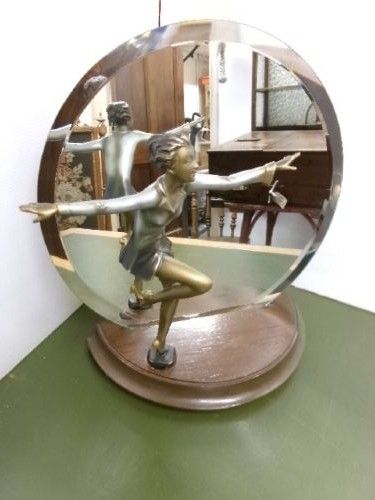
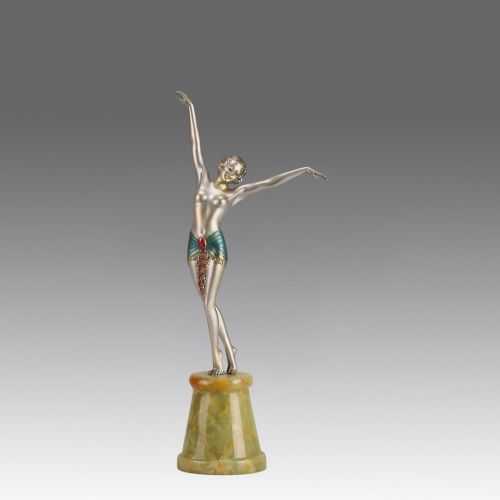
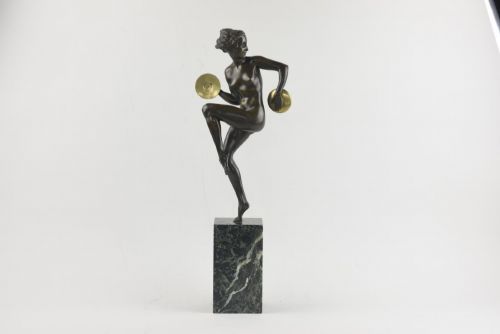
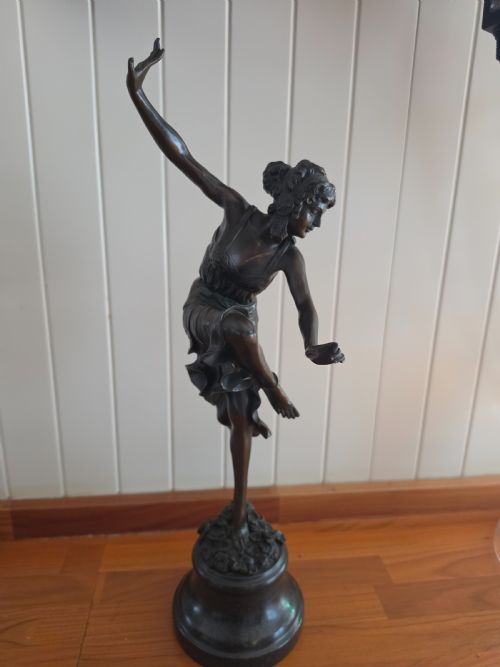
A bronze female dancer ornament represents the dynamic human form captured in movement, predominantly originating from the early twentieth century. Buyers seeking a bronze female dancer ornament encounter figures frozen mid-stride, balancing with outstretched arms or holding hoops and garlands.
Most examples belong to the Art Deco and Art Nouveau movements, reflecting the modernist aesthetics of the 1910s, 1920s, and 1930s. The figures frequently depict exotic dancers, Bacchic performers, or modernist nudes poised on heavy stone plinths.
The selection ranges from works by known sculptors to unsigned workshop productions. These pieces function as decorative table sculptures, portraying grace through slender limbs and stylized drapery.
Materials and production methods
The primary construction relies on cast bronze, often enhanced through cold-painting, silvering, or gilding to accentuate the costume details. Alternative versions utilise spelter as a more economical base metal for the figurative elements.
Foundational bases are heavily represented in natural stone, incorporating onyx, marble, or alabaster to anchor the slender metal figures. Some works integrate carved ivory or glass components to introduce contrasting textures against the patinated metal.
Listings feature works created across three consecutive decades, moving from the flowing lines of the 1910s into the geometric forms of the 1930s.
Factors of distinction
The refinement of the casting defines the upper tier of these sculptures, where facial expressions, finger placement, and drapery folds remain crisp and detailed. Superior patination and the skillful application of silvering or cold-painted pigments preserve the intended vibrancy of the original design.
The choice and execution of the base material significantly influence the overall integrity of the piece. Dense, well-finished marble, onyx, or alabaster plinths provide proper proportion and structural balance to the dynamic metal figures above.
Josef Lorenzl·Aurore Onu·C J R Colinet·D H Chiparus·Paul Philippe·Pierre Le Faguays·Eugène Désiré Piron
The Bronze Female Dancer Ornament Glossary
- Spelter
- A zinc alloy frequently utilised as a substitute for bronze in decorative figures. It accepts patination and metallic paint finishes well, though it is softer and lighter than cast bronze.
- Chryselephantine
- A sculpture combining metal with carved ivory elements. This technique was used to render the flesh and faces of figures with lifelike warmth.
- Patina
- The surface coloration and sheen developed through chemical treatment or age on metalwork. It protects the bronze and accentuates the sculptural contours.
- Cold-painted
- A colouring technique where enamel or oil paint is applied to metal without subsequent kiln firing. This finish is susceptible to wear if handled frequently.
Bronze Female Dancer Ornament: Frequently Asked Questions
What is a chryselephantine dancer figure?
A chryselephantine figure combines metal casting with carved ivory sections, typically reserved for the face, hands, and exposed limbs of the dancer.
This technique creates a lifelike contrast between the cold patinated bronze costume and the warm tone of the carved ivory.
How do I distinguish bronze from spelter?
Bronze is heavier, harder, and possesses a resonant quality when gently tapped, whereas spelter is a softer zinc alloy that feels lighter and shows a duller sound.
Examining the underside or areas where the finish has worn can reveal the silvery-grey core of spelter beneath the patination.
Why are these figures mounted on stone bases?
The heavy marble, onyx, or alabaster bases provide necessary structural counterweight to support dancers poised on one foot or leaning outward.
These natural stone plinths also anchor the geometric aesthetic typical of the Art Deco period.
How should I clean my dancer sculpture?
Dusting gently with a dry, soft microfibre cloth is sufficient to maintain the surface without disturbing the delicate patination or cold-painted details.
Water and chemical cleaning agents should be avoided entirely, as moisture damages the painted surfaces and stone bases.