




Bronze Egyptian Sculpture
These pieces of bronze egyptian sculpture bring the monumental gravity and decorative grace of antiquity into nineteenth and twentieth-century interiors.
Bronze Egyptian Sculpture
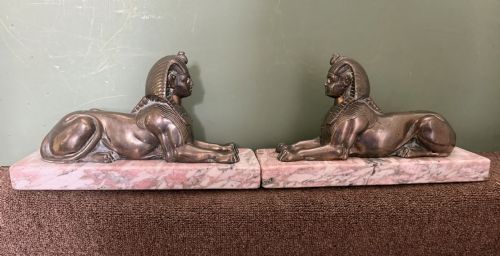
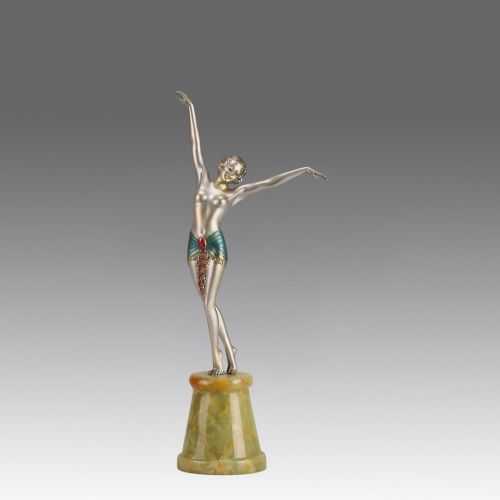
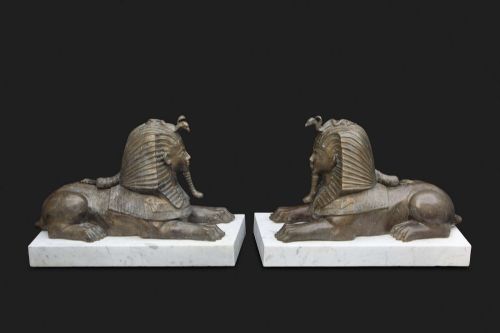
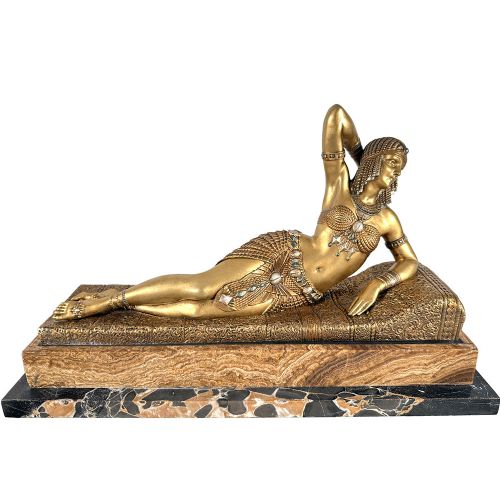
A bronze egyptian sculpture combines ancient motifs with the decorative language of the nineteenth and twentieth centuries, spanning periods from the Regency era through to the mid-twentieth century. Buyers encounter sphinxes, shabtis, cats, and dancers executed in bronze, often mounted upon marble or onyx plinths.
The objects take diverse functional and sculptural forms, ranging from monumental library figures and candelabras to table lamps and cabinet bronzes. These works frequently channel the aesthetic currents of Egyptian Revival, Art Deco, Art Nouveau, and the Grand Tour.
Pieces from this category demonstrate how European founders and sculptors interpreted Nile Valley iconography, producing everything from strict archaeological studies of figures and animals to stylised modernist dancers.
Materials and methods
Founders cast these pieces using bronze, applying patination, cold-painting, or gilding to achieve varied surface finishes. Enamel accents occasionally appear to enrich the decorative detail of garments or ornamentation.
Sculptures are frequently mounted upon heavy bases of Carrara marble, onyx, or veined marble plinths, providing structural stability and visual contrast to the dark metal.
An Egyptian cat keeps watch from 1940, proving that even centuries of design evolution cannot improve upon feline majesty.
Assessing quality
The integration between the bronze figure and its stone base marks a difference in execution, with superior works featuring bespoke marble or onyx plinths that complement the scale and weight of the sculpture.
Josef Lorenzl·Alfred Dubucand·Demetre Chiparus·Ivan Zaiec·Franz Bergman
The Bronze Egyptian Sculpture Glossary
- Patinated bronze
- Bronze that has been treated with chemical solutions to produce a specific surface colour and finish. This process protects the metal while enhancing visual depth.
- Grand Tour
- A cultural journey undertaken by wealthy Europeans in the nineteenth century, acquiring portable antiquities and souvenir bronzes. These items reflect classical and Egyptian tastes gathered abroad.
- Sphinx
- A mythical creature with the body of a lion and a human or animal head, frequently depicted in Egyptian Revival decorative arts. They often appear paired on heavy plinths.
- Cold-painted bronze
- A technique where paint is applied to a cold bronze object without firing, common in Viennese foundry work. This method allows for vivid polychrome decoration on figures and sarcophagi.
- Shabti
- A small funerary figure placed in ancient Egyptian tombs to act as a servant for the deceased. Nineteenth-century interpretations translate this sacred form into decorative cabinet sculptures.
Bronze Egyptian Sculpture: Frequently Asked Questions
What periods do these sculptures date from?
The pieces span from the Regency period and the nineteenth century through to the Art Deco and mid-twentieth-century eras.
Founders and artists across these decades reinterpreted ancient motifs through distinct stylistic lenses such as Art Nouveau, Orientalism, and Egyptian Revival.
How were these bronzes displayed originally?
Many works functioned as library ornaments, mantelpiece garnitures, or desk accessories mounted on substantial marble bases.
Others served practical roles as table lamps, candelabras, or fountain heads within domestic interiors.
How do I care for patinated bronze?
Dust the surface gently with a soft, dry cloth to prevent the accumulation of grit and atmospheric pollutants.
Avoid using liquid cleaners, polishes, or abrasives that can strip the original patina or cold-painted surface.
What materials accompany the bronze?
Marble, onyx, and Carrara marble frequently form the plinths and bases supporting the metal figures.
Enamel accents and gilding also appear on specific pieces to highlight garments, jewellery, or decorative elements.