


Bronze Desk Candlesticks
These bronze desk candlesticks combine heavy metalwork and refined proportion, offering a practical yet decorative focus for any writing surface.
Bronze Desk Candlesticks
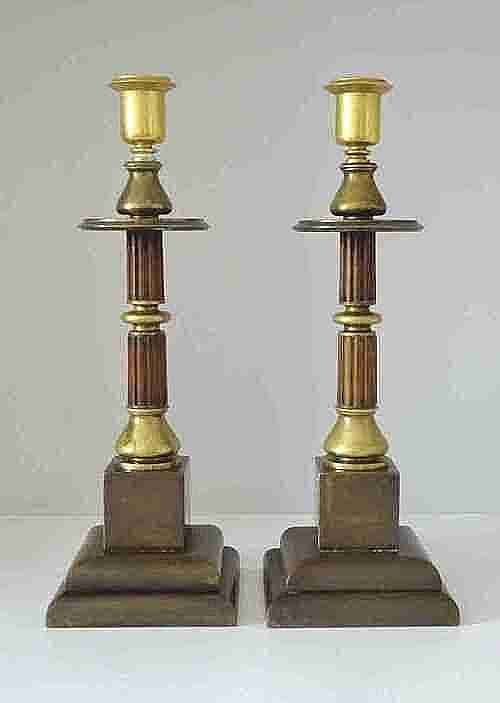
When you search for bronze desk candlesticks, you are looking at solid metal lighting and writing equipment designed for the study or bureau. These items range from single taper sticks to paired column lamps and fitted desk sets.
The versions you are most likely to meet on this page hail from nineteenth-century France and England, drawing heavily on Regency, Empire, and Louis styles. Many examples show later conversions into table lamps alongside their original lighting forms.
Materials and construction
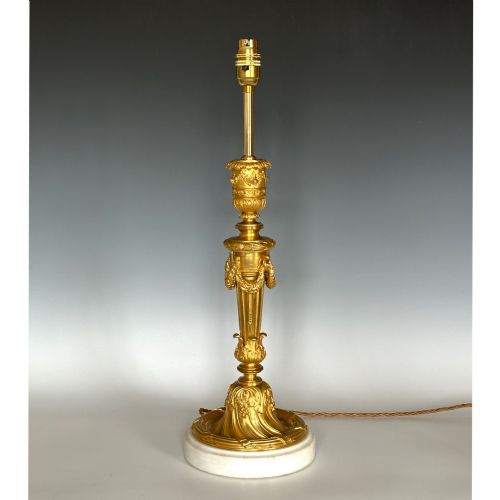
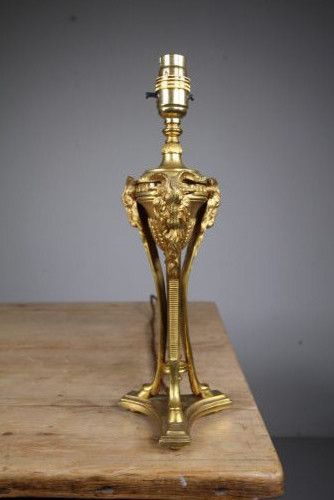
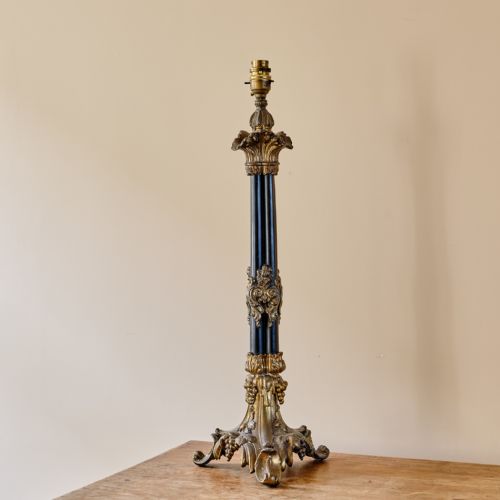
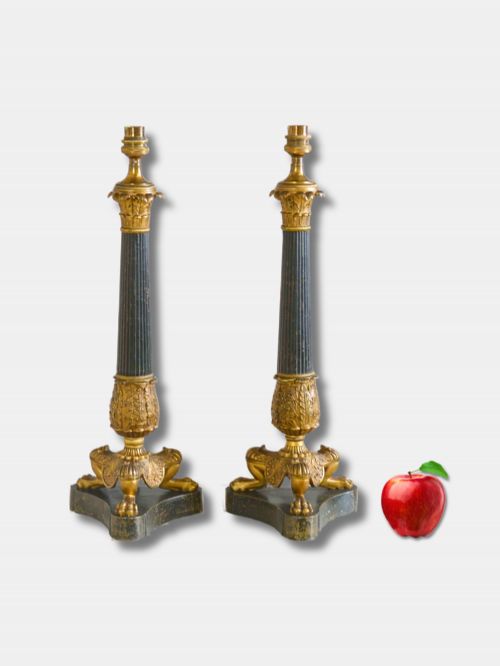
Foundry workers cast these pieces in bronze, brass, and gilt bronze, frequently applying mercury gilding known as ormolu to achieve a bright, durable surface. Patinated bronze often contrasts with polished highlights to emphasise crisply chased classical motifs.
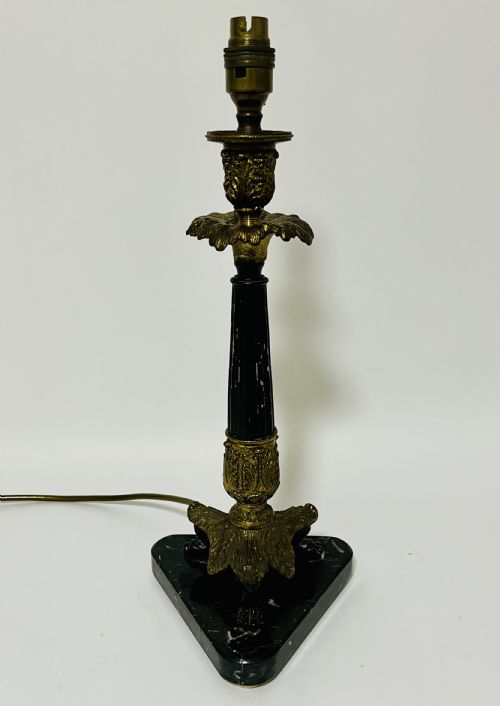
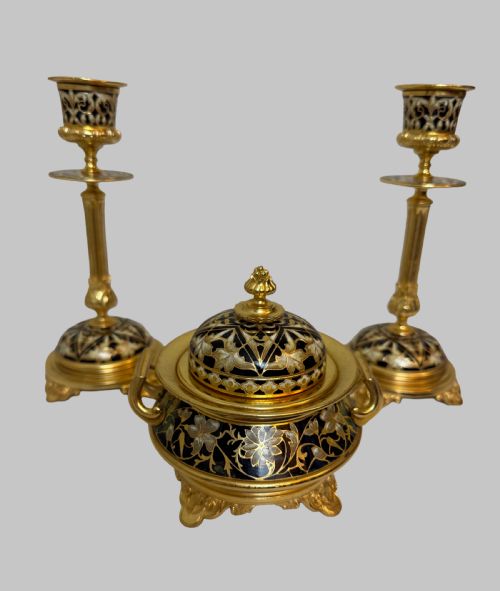
Marble bases and inset glass or champleve enamel elements add colour and weight to the metal framework. Structural joints are typically threaded or pinned together to secure heavy components like lions' paw feet and multi-branch candelabra.
Playful bronze kittens frolic across nineteenth-century desk sets, proving that even serious stationery accessories needed a touch of feline mischief.
Assessing craftsmanship and finish
The definition of the chasing separates standard production from superior work, as sharper tool marks reveal greater skill in the metalworker. Crisp acanthus leaves, clean fluting, and deeply undercut mounts indicate a higher grade of manufacture.
Original fire-gilding retains a warm, buttery lustre that differs markedly from later electroplating. The thickness of the cast bronze itself and the precision of the fit between component parts further determine the standing of each piece.
Jean-Démosthène Dugourc
The Bronze Desk Candlesticks Glossary
- Ormolu
- Gilt bronze produced by applying a mixture of gold and mercury to a bronze base and heating it. This historic technique creates a rich, lasting golden surface.
- Patinated bronze
- Metal treated chemically to darken the surface to a deep brown or green tone. This finish highlights bright gilt mounts through strong contrast.
- Champleve
- Enamelwork technique where troughs are gouged into the metal surface and filled with vitreous paste before firing. It adds colourful patterning to desk sets and candlesticks.
- Bouillotte lamp
- A traditional adjustable desk lamp featuring a central metal shaft and a shade. The design allows the user to raise or lower the light source over cards or writing.
- Chasing
- The process of refining a cast metal surface by hand using small punches and chisels. Fine chasing adds intricate detail and texture to floral and classical motifs.
Bronze Desk Candlesticks: Frequently Asked Questions
What are bronze desk candlesticks?
These items are heavy metal holders designed to support wax tapers or candles on writing desks and bureau surfaces. They combine utilitarian function with decorative metalwork.
Many examples feature classical architectural motifs or animal forms, reflecting the dominant design tastes of the nineteenth century.
How were these candlesticks used?
Owners placed them on writing tables and reading desks to provide focused illumination for correspondence and evening paperwork. Adjustable models allowed the user to direct the flame height.
They frequently formed part of larger desk sets that included matching inkwells, sanders, and pen trays for the Victorian study.
How do I live with them?
Place them on a sturdy desk, sideboard, or mantelpiece where their weight and metal finishes can be appreciated at close quarters. Keep them away from damp environments to protect the bronze patination and gilding.
Dust them gently with a soft dry cloth and avoid harsh metal polishes that can strip away historic surface treatments.
How do I tell periods apart?
Regency and Empire pieces display strict classical symmetry, incorporating columns, paw feet, and patinated bronze contrasts. Later nineteenth-century items often draw on Louis XV and Louis XVI revivals with more exuberant, flowing ornamentation.
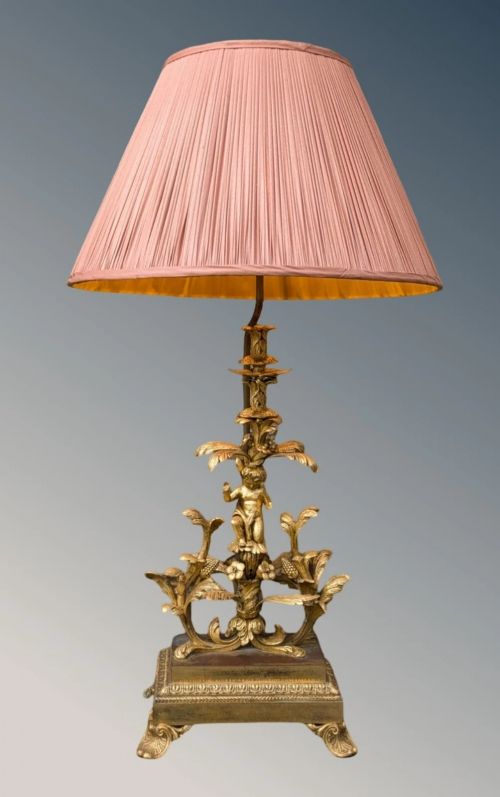
Victorian and Edwardian pieces frequently integrate multi-branch structures or mixed materials like marble and coloured glass into the basic design.