

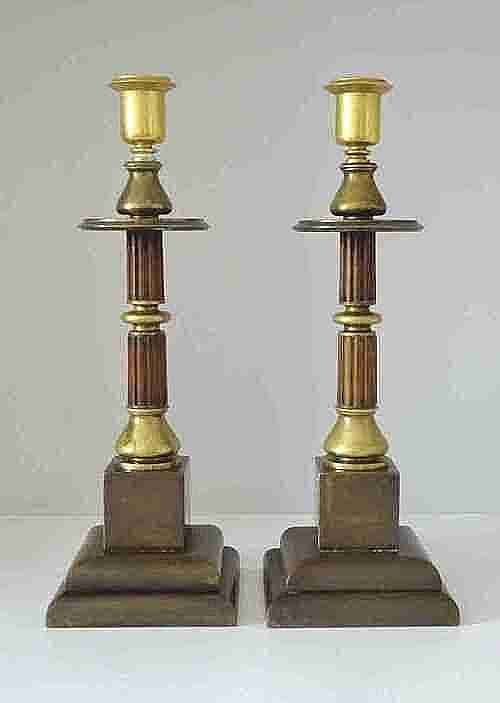


Bronze Metal Candleholders
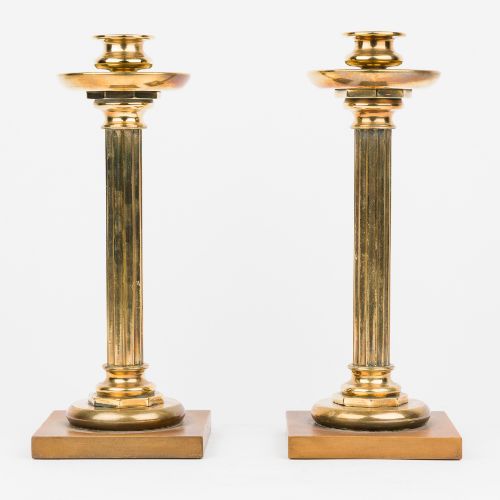
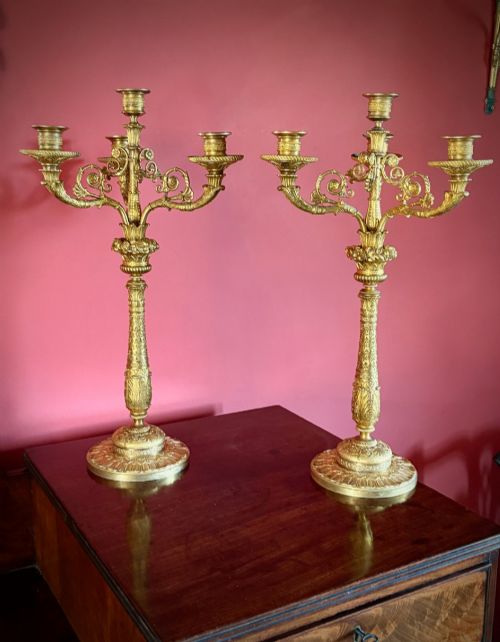
Bronze metal candleholders bring heavy metal presence and candlelight to a room, ranging from simple Victorian pieces to grand French revival lights.
Bronze Metal Candleholders
Bronze metal candleholders encompass table lights, candlesticks, and multi-branched candelabra that illuminate rooms with rich metallic presence. When searching for bronze metal candleholders, buyers encounter pairs and sets designed for mantelpieces and tables across several centuries.
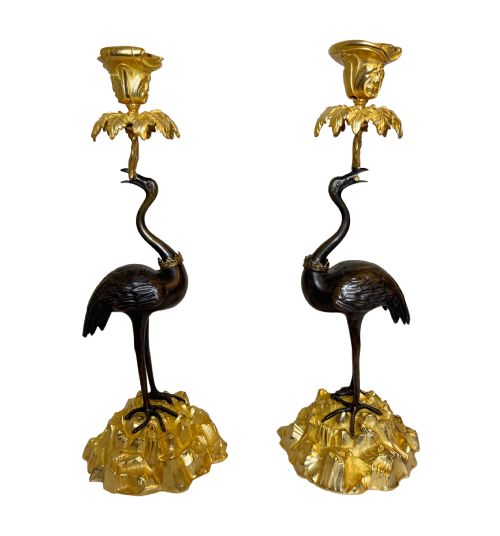
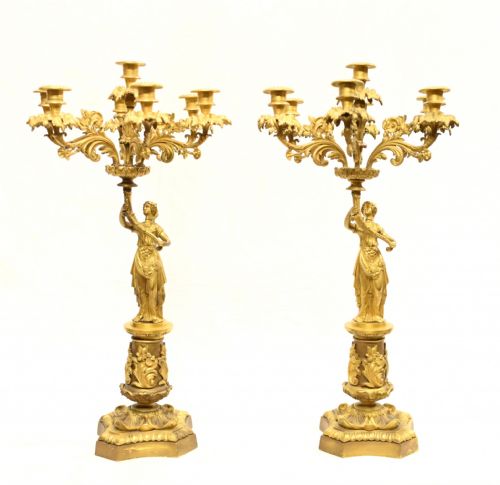
The selections span simple seamed metal forms alongside ornate figural creations displaying Renaissance soldier motifs and flamingo details. French revival styles dominate, bringing heavy ornamentation and sculptural depth to domestic interiors.
Pieces range from eighteenth-century Venetian work through Victorian productions and Edwardian examples. Pairs and sets of four appear frequently, offering symmetrical lighting arrangements for formal spaces.
Materials and Construction
Foundry workers utilised cast bronze, brass, and spelter to shape these heavy candleholders, often applying gilt or ormolu finishes to create bright golden surfaces. Patinated bronze treatments also appear, leaving dark weathered tones across the metal.
Marble bases and components integrate with the metal work on select pieces, adding structural weight and contrasting colour to the design. Seamed construction methods mark specific Victorian iterations, showing visible joins from manufacturing.
Listings feature items from the eighteenth, nineteenth, and early twentieth centuries, spanning Victorian, Edwardian, and various revivalist movements.
Assessing Quality and Design
Quality rests in the crispness of the casting and the depth of the sculptural detail across figural elements and vegetal motifs. Cast brass and spelter pieces offer lighter alternatives to heavy ormolu and patinated bronze, changing the tactile weight of the object.
The integration of materials, such as marble plinths combined with gilded metal, separates standard domestic items from grander architectural pieces. Finish preservation also distinguishes items, with original gilding and patination holding greater visual strength.
The Bronze Metal Candleholders Glossary
- Ormolu
- Gilt bronze applied to decorative hardware and lighting. This technique involves coating base metal with a gold amalgam.
- Spelter
- A zinc alloy used as a cheaper substitute for bronze. It often mimics the appearance of heavier metals through applied finishes.
- Candelabra
- A multi-branched lighting fixture designed to hold several candles simultaneously. These pieces usually feature a central stem branching into multiple light sources.
- Patinated bronze
- Bronze treated to produce a specific surface colour or dark oxidised skin. This process alters the raw metallic sheen over time.
- French Rococo Revival
- A nineteenth-century design style emulating the ornate, asymmetrical curves of eighteenth-century French decoration. It prioritises natural motifs like scrolls and foliage.
Bronze Metal Candleholders: Frequently Asked Questions
How do I clean antique bronze?
Dust gently with a soft dry cloth to protect the original patination and surface finishes. Avoid abrasive metal cleaners that strip away historical gilding or alter the natural metal skin.
Water and harsh chemical polishes damage vintage coatings permanently. Professional conservation is advised for heavily soiled or degraded metal surfaces.
What is the difference between spelter and bronze?
Spelter is a softer zinc alloy that feels lighter and shows a more brittle fracture if damaged. Bronze is a heavy copper alloy valued for its strength and durability.
Cast bronze accepts fine chisel work and detailed finishing far better than spelter. Spelter pieces often rely on painted or plated surface finishes to imitate genuine bronze.
Were these made as pairs?
Many lighting pieces from the nineteenth century were manufactured specifically as matched pairs for mantelpiece symmetry. Single candlesticks do appear, but balanced sets of two or four remain common.
Symmetrical pairs command stronger interest from collectors seeking balanced display arrangements. Checking the casting details helps confirm if two separate sticks belong to an original matched pair.
How do I date an antique candleholder?
Dating relies on stylistic clues like Renaissance revival motifs, Victorian aesthetic movement lines, or French Empire forms. Manufacturing marks, seamed construction joints, and material combinations also point toward specific decades.
Comparing the decorative vocabulary against known periods narrows down the decade of production. Ormolu finishes and marble integration frequently point to mid-nineteenth-century European workshops.