

Bronze Chandelier Lighting
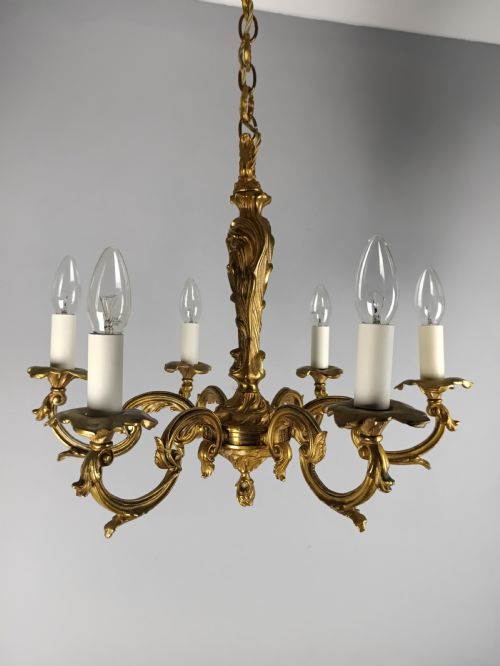
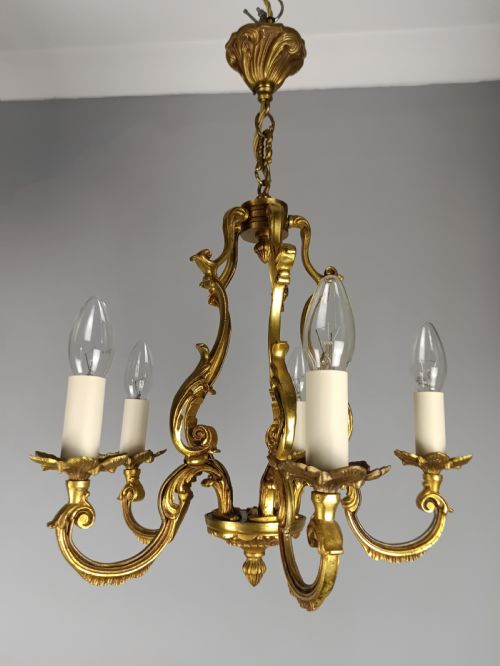
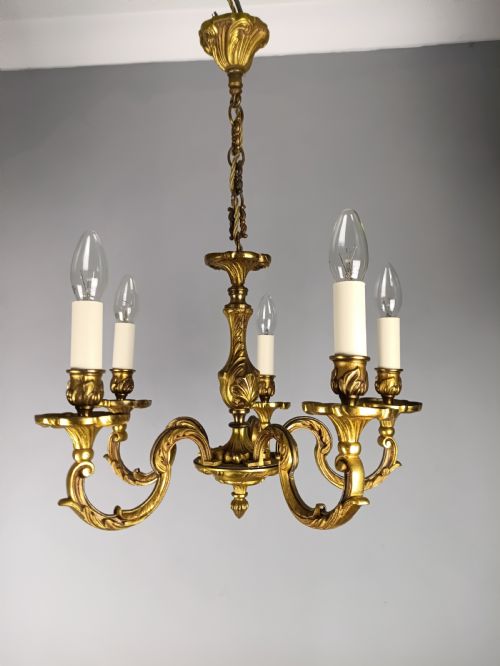
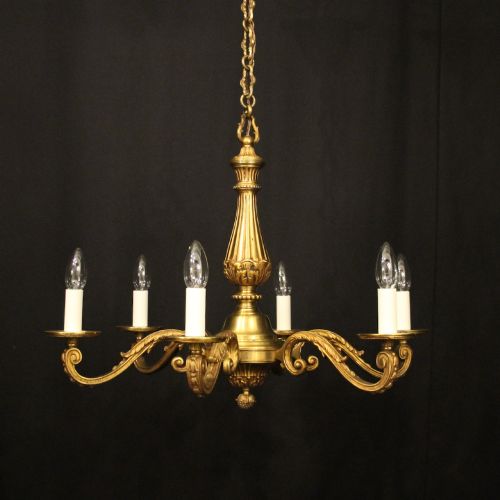
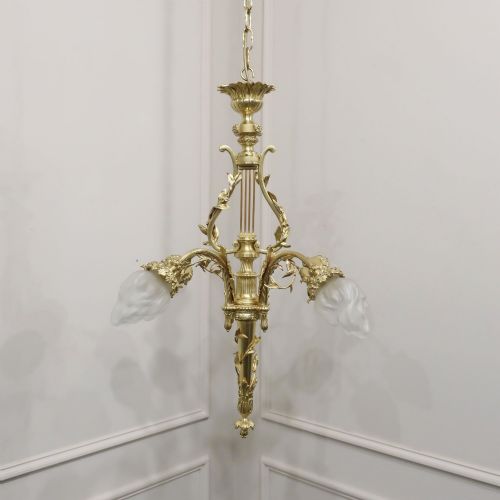
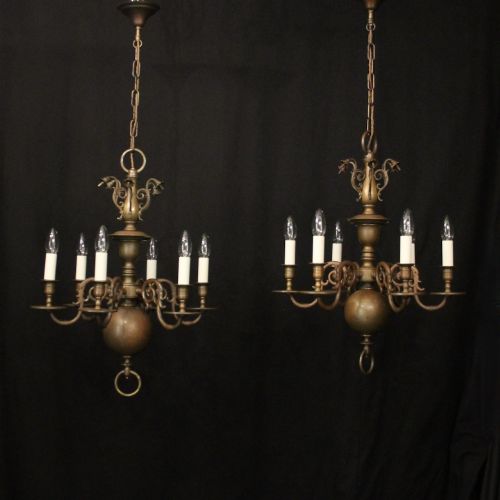
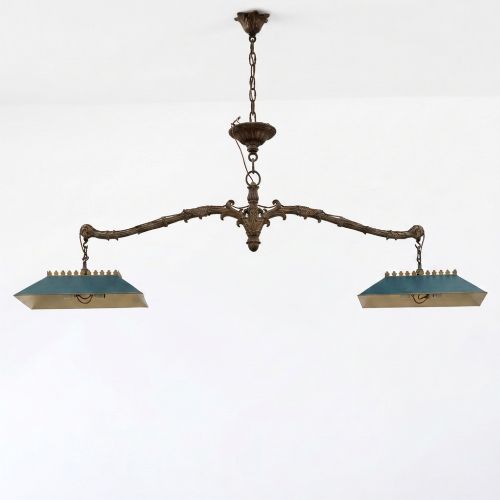
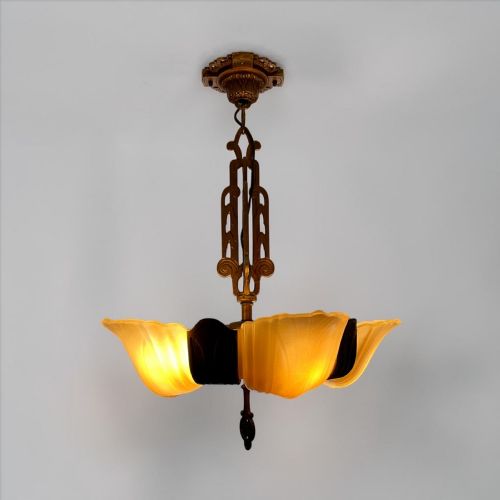
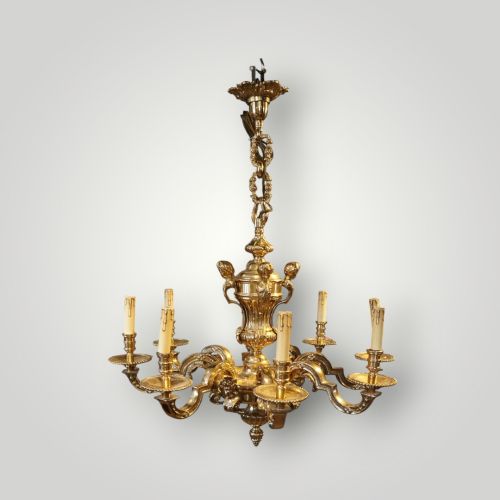
These bronze chandelier lighting pieces bring notable scale and French stylistic ambition to high ceilings through heavy cast metal and glass.
Bronze Chandelier Lighting
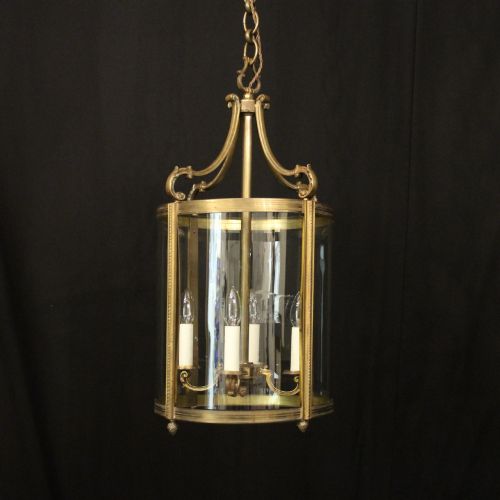
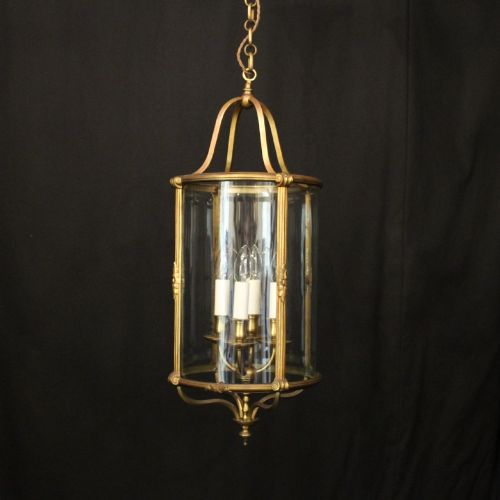
Bronze chandelier lighting covers ceiling-hung fixtures cast in metal alongside related hall lanterns and wall lights. Buyers seek these to illuminate principal rooms with period presence and complex framing.
The selections span the Victorian era through the early twentieth century, drawing heavily on French tastes including Rococo, Empire, and Neoclassical designs. French chateau and Louis Revival forms appear frequently, alongside Art Deco variations.
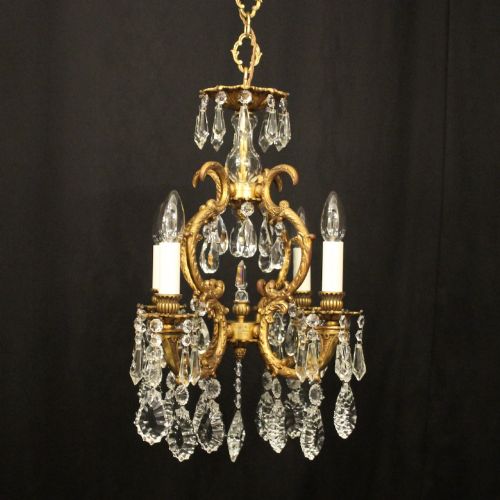
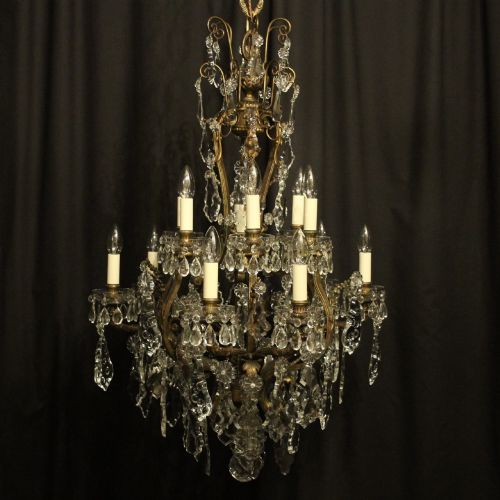
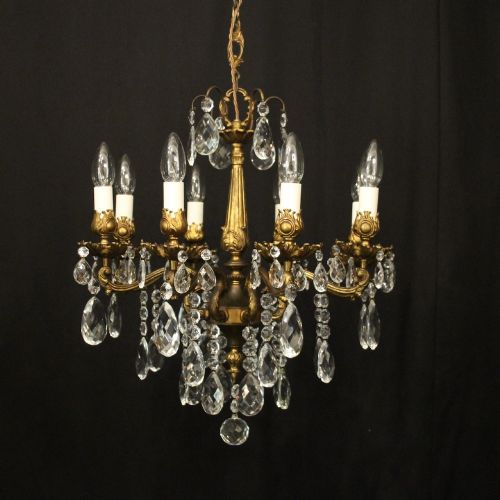
Lighting formats range from multi-armed candelabra configurations to tent and waterfall crystal arrangements and enclosed hall lanterns. Brass and gilt variants supplement standard dark and gilded bronze constructions.
How they were made
Foundry work relied on casting bronze, brass, and spelter into ornate structural frames, arms, and decorative mounts. Gilding and silvering were applied to metal surfaces to catch ambient light within the room.
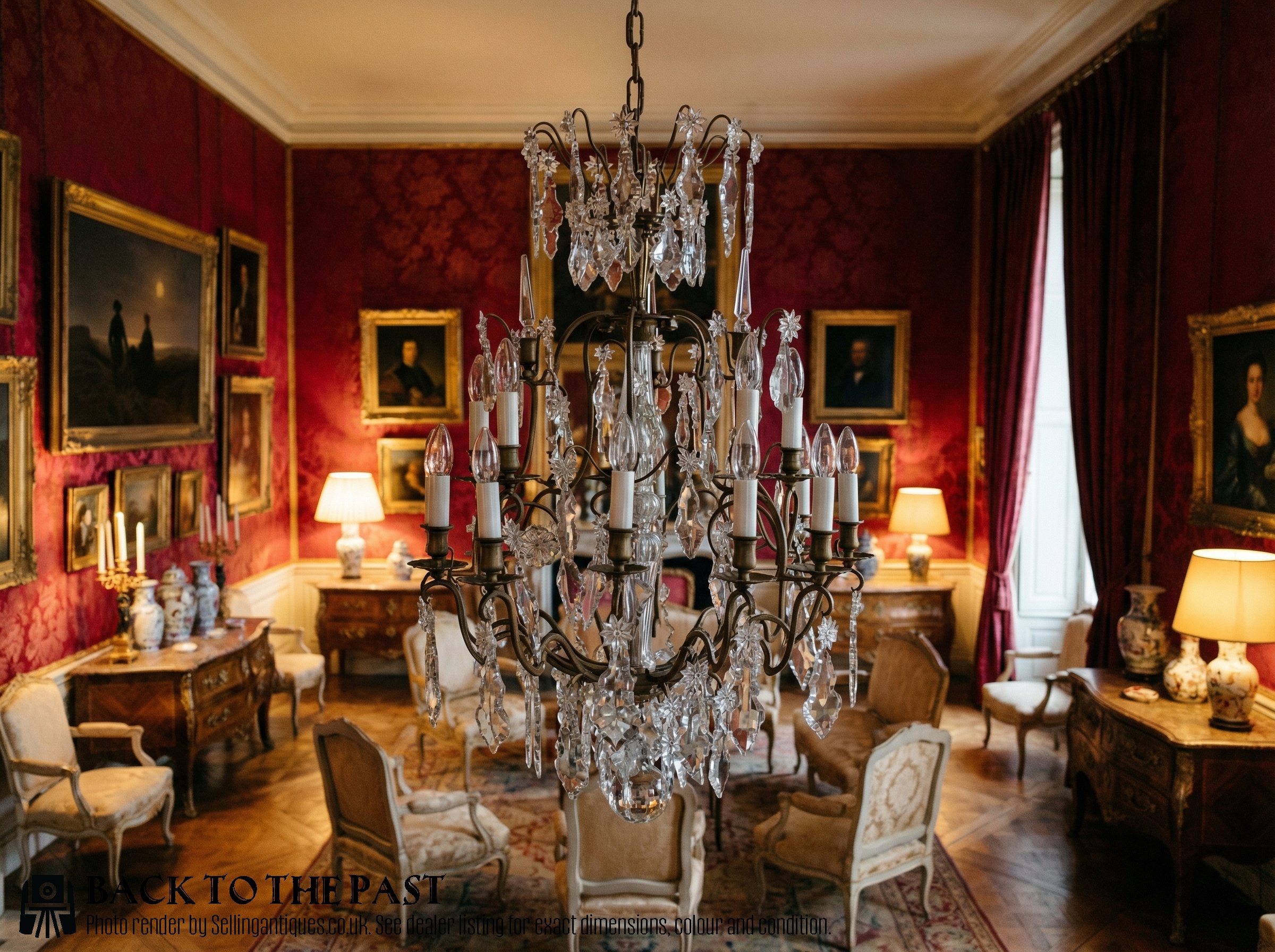
Glass components include cut crystal spikes, pressed slip shades, and convex panes integrated into lanterns. Hand-cut drops and bead chains suspend from central crowns and rings to disperse illumination.
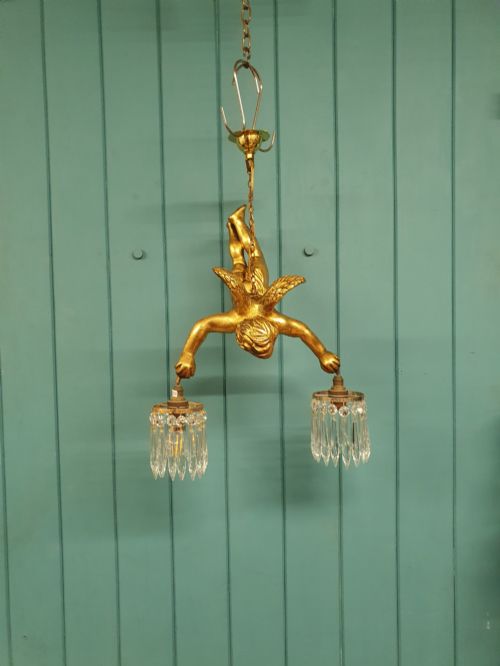
Some chandeliers come accompanied by flying cherubs holding crystal spikes.
What varies in quality
The standard of chasing across cast bronze elements dictates how sharply leaf motifs, lyres, and figural details emerge from the metal. Finer examples display deep, crisp surface definition rather than softened or flattened casting lines.
The abundance and cut of associated crystal elements alter the visual weight of a fixture. Heavy, hand-cut glass prisms and complex tent configurations require superior structural armature to support the substantial load.
G.E.C
The Bronze Chandelier Lighting Glossary
- Gilt bronze
- Metal cast with a layer of gold applied to the surface. It provides a warm, reflective finish characteristic of formal French lighting.
- Tent and waterfall
- A chandelier configuration where strings of crystal beads form an upper triangular tent above a cascading tier of drops. This layout maximises light refraction across large spaces.
- Hall lantern
- An enclosed ceiling light designed for corridors and entranceways. Panels of glass sit within a glazed or convex metal frame.
- Spelter
- An alloy based on zinc used as an alternative to bronze for casting figures and mounts. It often received a bronze-coloured coating.
- Slip shade
- A panel of moulded glass fitted directly into a metal frame. It diffuses light evenly in twentieth-century designs.
Bronze Chandelier Lighting: Frequently Asked Questions
How do I hang a heavy bronze chandelier?
These fixtures require direct attachment to ceiling joists using steel support brackets rather than standard plaster fixings.
Professional electrical installation is recommended to bear the substantial combined weight of cast bronze and crystal.
What rooms suit an Empire tent chandelier?
The expansive drop and vertical scale demand high ceilings to allow proper clearance beneath the lowest crystal tiers.
Formal reception rooms and entrance halls provide the correct proportions for such elaborate multi-armed arrangements.
How do I clean cut glass drops?
Crystal elements benefit from gentle washing with warm water and mild soap while remaining attached to the frame where possible.
Dry each piece with a lint-free cloth to restore maximum reflection without straining delicate wire fixings.
How do I identify a Louis Revival piece?
These designs borrow heavily from eighteenth-century motifs such as acanthus leaves, scrollwork, and symmetrical floral garlands.
Production dates typically place them in the late nineteenth or early twentieth century rather than the original court period.