



Bronze Art Sculpture
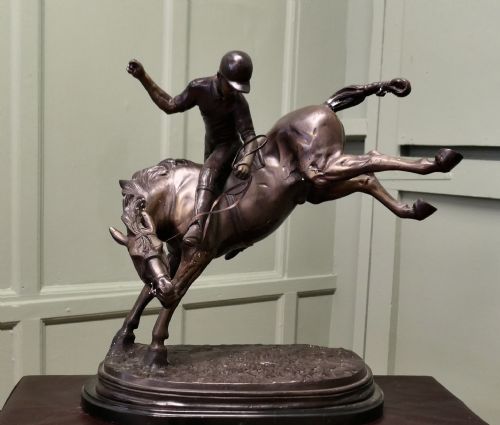
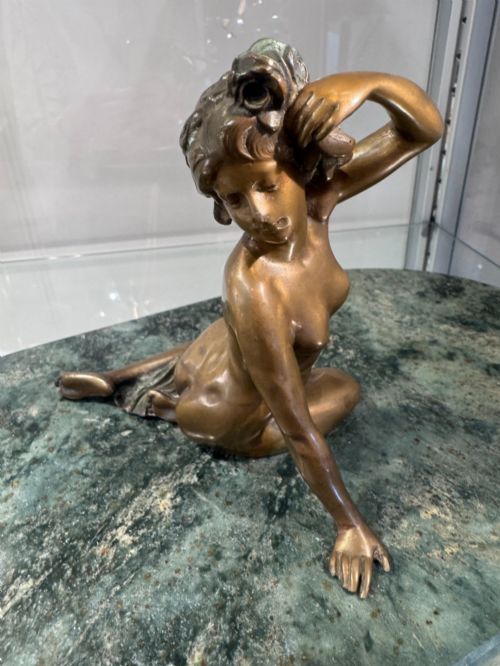
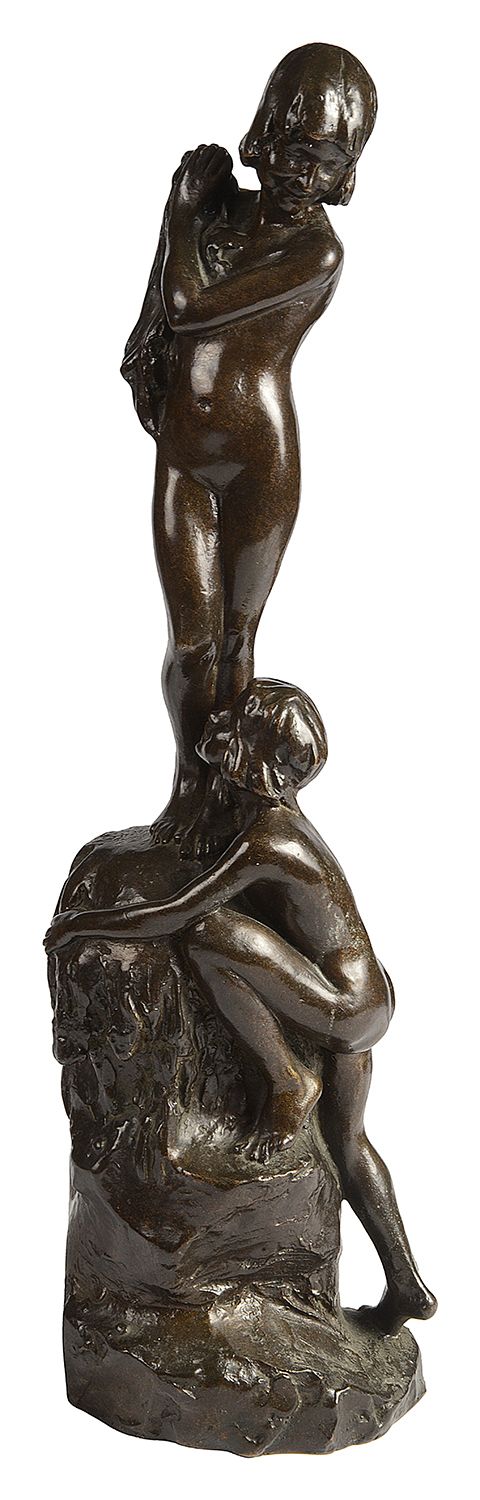
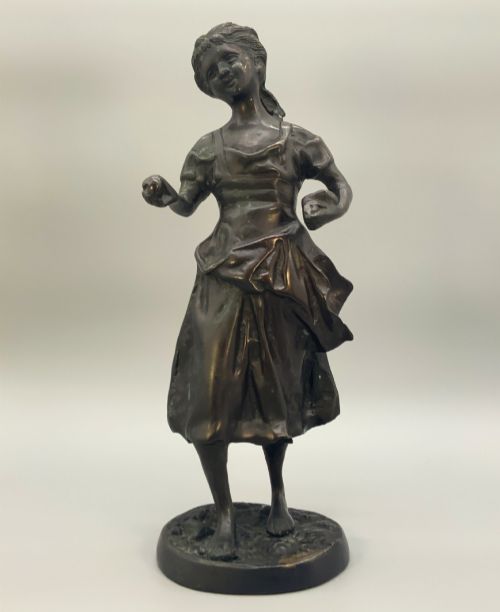
Selecting a bronze art sculpture brings home a tangible record of figures, animals, and classical forms shaped across the nineteenth and twentieth centuries.
Bronze Art Sculpture
When browsing a bronze art sculpture collection, buyers encounter three-dimensional figural works, portrait busts, and decorative objects spanning the 18th, 19th, and 20th centuries. The selection ranges from classical mythological subjects and Grand Tour souvenirs to sleek Art Deco dancers and naturalistic animalier studies.
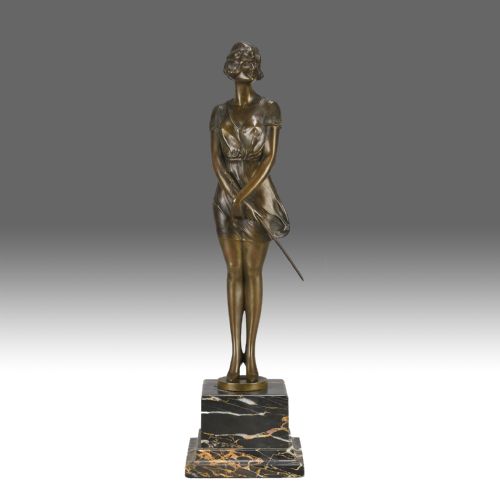
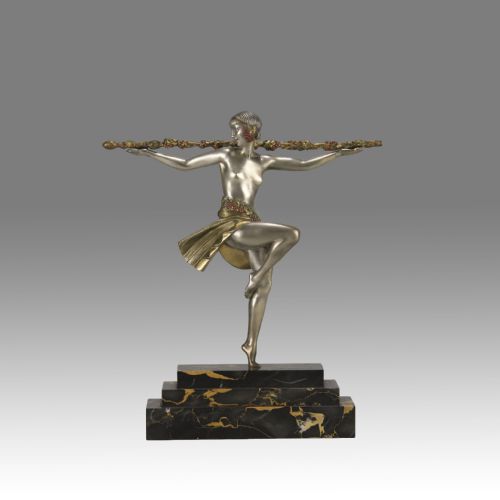
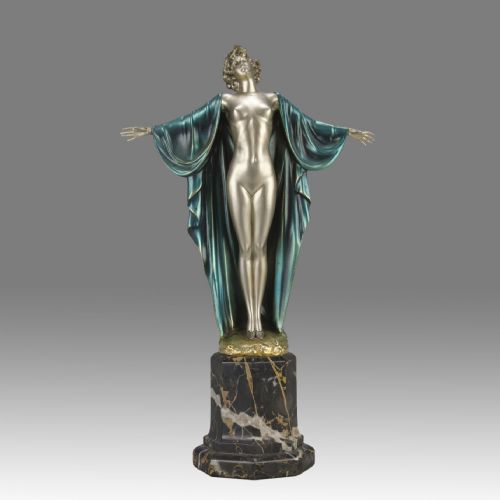
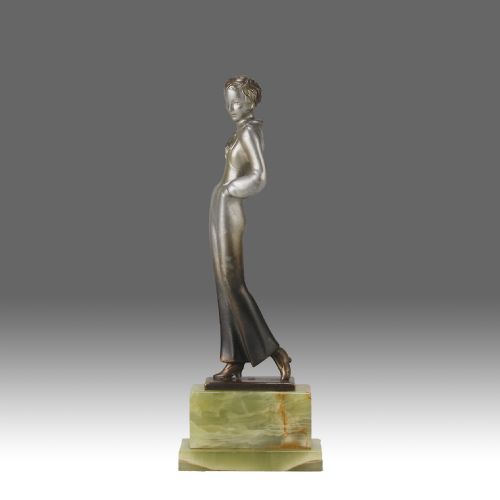
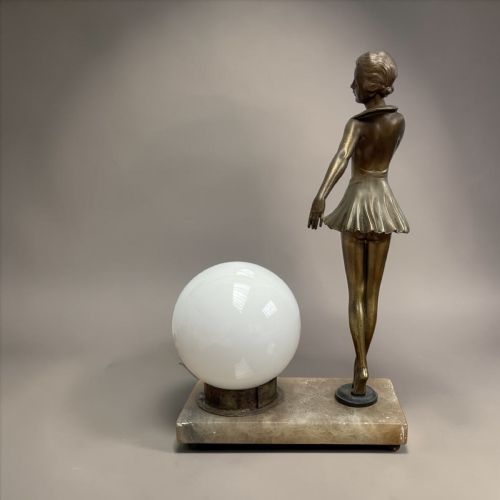
The most common examples on this page date from the late 19th and early 20th centuries, heavily representing the Art Nouveau and Art Deco movements. These often take the form of patinated or cold-painted bronze figures mounted directly onto marble or onyx plinths.
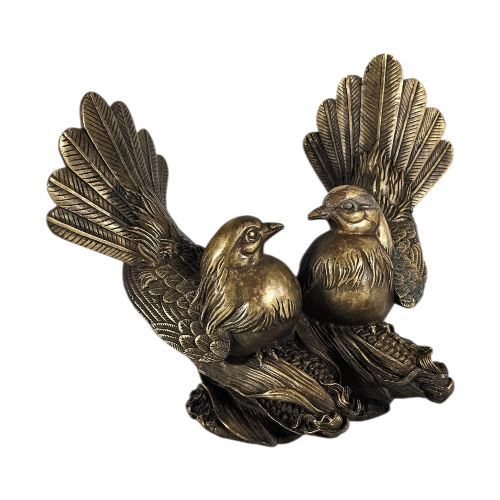
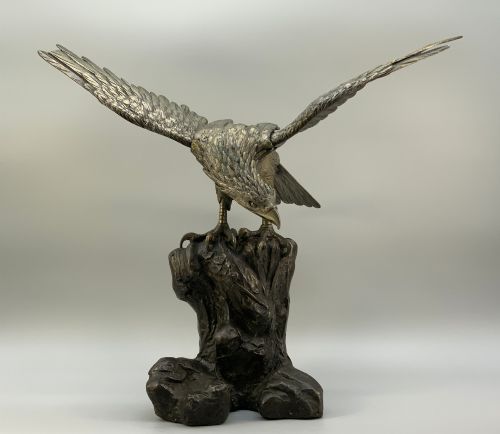
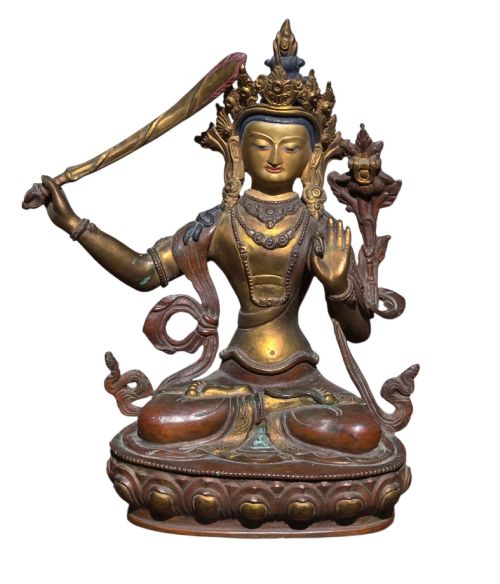
Beyond standalone human and animal figures, the category encompasses utilitarian items styled as sculpture, including desk tidies, inkwells, bookends, and table lamps. Works originate from European foundries, notably French and Austrian studios, alongside Asian traditions such as Meiji period Japanese okimono and Sino-Tibetan bronzes.
How they were made
Surface treatments define the visual identity of these works, with makers applying chemical patination to produce deep brown, green, or black tones directly on the metal. Cold painting involved applying pigment to the cooled bronze surface without subsequent firing, while gilt bronze and ormolu introduced applied layers of gold or gold leaf.
Many sculptures incorporate mixed media bases and structural elements, mounting heavy metal figures onto shaped black or veined marble, onyx, or slate plinths. Elements of glass, nickel plating, and silvered bronze frequently appear in Art Deco compositions to create textural contrast.
The inventory records pieces cast across the 18th, 19th, and 20th centuries, uniting European foundry work with Asian bronze and okimono traditions.
What varies in quality
Quality rests upon the crispness of the casting and the precision of the post-cast chasing work, where master artisans recovered fine lines lost during the investment process. Superior examples retain sharp facial expressions, articulated fingers, and distinct feather or fur textures without the softening seen in secondary casts.
The depth and application of the surface finish distinguish workshop tiers, as hand-applied patinas and layered cold painting exhibit nuanced tonal gradation rather than flat, uniform colouration. Signatures and foundry marks indicate origin, though unsigned studio pieces of the period often rely entirely on sculptural proportion and weight to demonstrate merit.
The integration of the secondary materials, such as the snug fit of a bronze figure into its carved marble base, reflects the overall standard of construction. Heavier gauge metalwork and secure mechanical fastenings separate robust studio productions from lighter, mass-produced decorative items.
Bruno Zach·Pierre le Faguays·Ferdinand Preiss·Josef Lorenzl·Emmanuel Villanis·Demetre Chiparus
The Bronze Art Sculpture Glossary
- Bronze
- An alloy consisting primarily of copper combined with tin, prized for its tensile strength and fluidity when molten. This metal takes a wide range of chemical patinas and hand-chased details.
- Cold-painted
- A decorative technique where opaque oil paints or enamels are applied directly to a cold bronze casting rather than fired in a kiln. This method produced vibrant multicoloured garments on many Austrian figural bronzes.
- Patinated bronze
- Metal treated with chemical solutions to alter its surface coloration to shades of brown, green, or near-black. The finish protects the underlying alloy while enhancing sculptural depth.
- Spelter
- A zinc-based alloy commonly utilised as an affordable alternative to bronze during the nineteenth and twentieth centuries. It is typically given a metallic paint or bronze-toned finish.
- Okimono
- A Japanese term for a decorative object or standalone sculpture designed for display on a household shelf or tokonoma. These pieces frequently depict natural subjects rendered in patinated bronze.
- Animalier
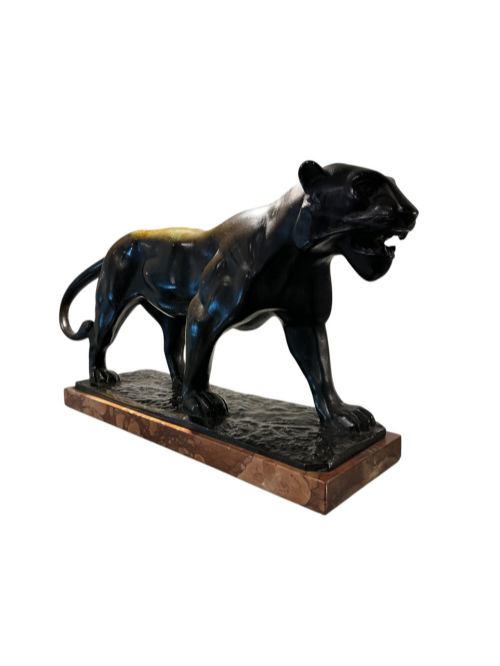
- A nineteenth-century artistic genre dedicated to the realistic representation of animals. Sculptors in this tradition studied anatomy closely, often portraying predators in motion.
Bronze Art Sculpture: Frequently Asked Questions
What is a cold-painted bronze?
A cold-painted bronze is a metal sculpture decorated with paint applied directly to the cooled surface without high-temperature firing. This technique allowed makers to render elaborate garments and bird plumage in bright colours.
Over decades, these delicate painted surfaces can show natural wear and rubbing. Collectors value examples where the original pigmentation remains largely intact across the clothing and feathers.
How do I identify an Art Deco bronze?
Art Deco bronzes feature stylised geometric lines, streamlined animal forms, and depictions of dancers and flappers. The figures often stand on contrasting black or coloured marble plinths.
Makers working in this modernist idiom frequently combined patinated metal with silvering, ivory, or onyx. The overall aesthetic emphasises motion, speed, and clean architectural silhouettes.
Are marble bases original to the sculptures?
Many sculptures from the late nineteenth and early twentieth centuries were designed specifically to be mounted on fitted stone bases. Marble, onyx, and slate provided both visual weight and physical stability for taller figures.
When examining a piece, look for consistent ageing between the metal and the stone plinth. Original fixings beneath the base usually comprise threaded rods or screws appropriate to the period.
What is the difference between bronze and spelter?
Bronze is a durable copper and tin alloy that accepts fine chasing and holds complex chemical patinas. Spelter is a softer, zinc-based substitute that was less expensive to cast during the manufacturing booms of the past.
Spelter figures are generally lighter than solid bronze and often reveal a greyish metal beneath areas of worn surface coating. Genuine bronze exhibits a heavier heft and a warm copper tone where the patina has thinned.