

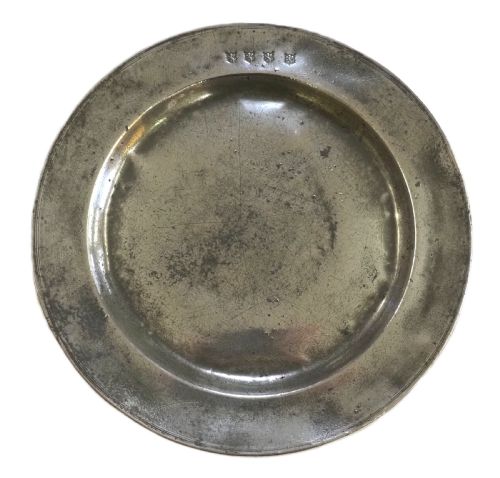


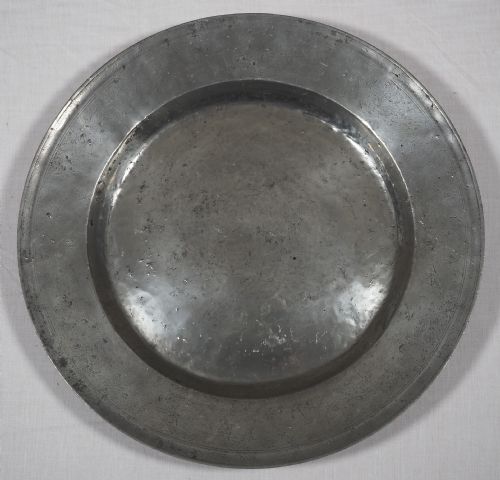

Broad Rimmed Charger
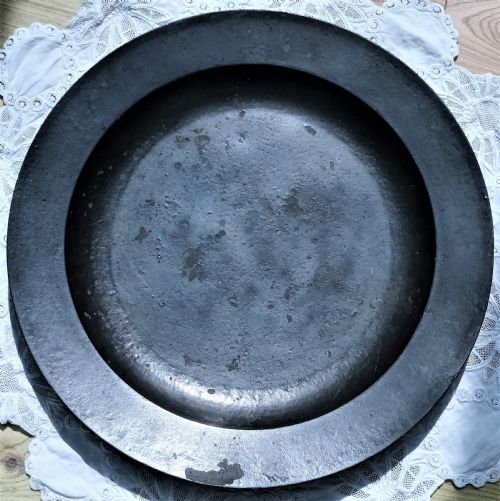
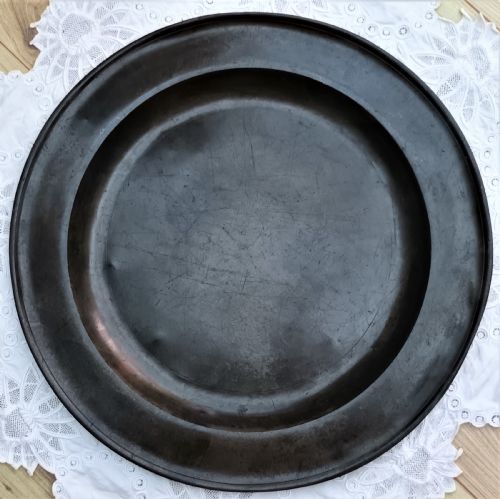
A broad rimmed charger is a large, heavy platter designed to command a table or sideboard, prized for its generous proportions and rich metal patina.
Broad Rimmed Charger
When you search for a broad rimmed charger, you encounter substantial metal platters originating from the seventeenth and eighteenth centuries. These substantial dishes were produced in England during periods spanning from the reign of Charles II through the Georgian era.
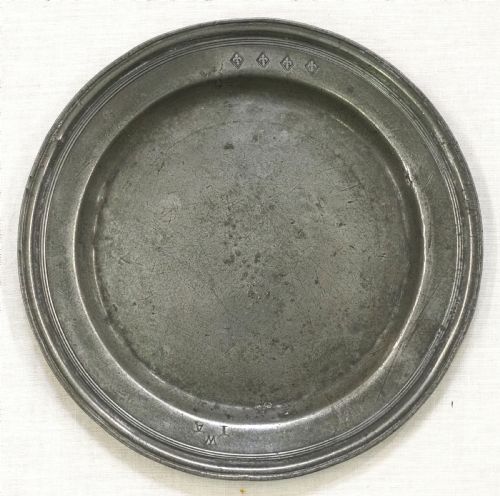
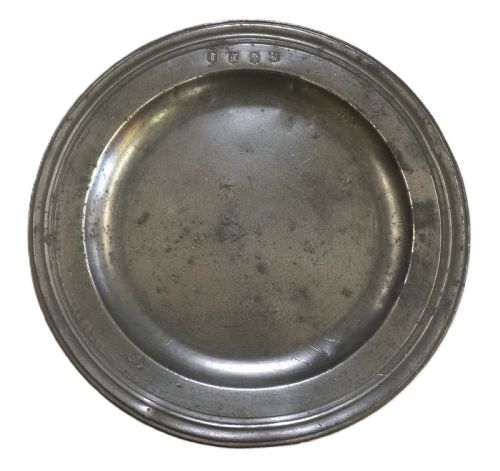
The most common examples on this page are large circular vessels featuring wide, flat or gently sloping borders surrounding a shallow central well. Makers fashioned these platters for display and service in English country houses and wealthy households.
Sizes vary significantly, with notable examples measuring up to twenty-three inches across to create an imposing visual presence. Collectors find pieces bearing period family crests alongside simpler vernacular dishes intended for daily domestic use.
What varies in quality
The distinction between ordinary dishes and exceptional examples rests upon the original diameter and the crispness of the rim details. Platters exceeding twenty inches in width demand greater technical skill from the pewterer to maintain structural integrity across the broad expanse.
Surface preservation and evidence of hand working define the upper tier of pieces, particularly where all-over hammering remains distinct and crisp. Maker identification through well-stamped touchmarks or engraved family crests elevates the historical interest of an individual charger.
Broad Rimmed Charger Retail Price Guide 2026
Typical asking prices for broad rimmed charger among the pieces listed under this phrase on Sellingantiques today, from the lower quarter to the upper quarter. They describe what is for sale here now, not the wider market.
John Duncomb·Samuel Smith·John Trapp II·John Tubb·Robert Moulins II·Lawrence Dyer·Thomas Haward·Thomas Powell·Edward Leapidge I
The Broad Rimmed Charger Glossary
- Charger
- A very large plate or platter, typically measuring sixteen inches or more in diameter, used for ceremonial service or as a base plate for smaller dishes. These substantial pieces formed the centrepiece of dining arrangements in wealthy seventeenth century homes.
- Broad rim
- The wide, flat margin surrounding the central well of a charger, often measuring several inches across. This expansive border provided space for armorial engravings, family crests, and decorative reeding.
- Reeded plate
- A metal dish featuring concentric raised bands or mouldings upon the rim. Multiple or triple reed variations add structural rigidity and formal decoration to late seventeenth century examples.
- Touchmark
- A small stamp impressed into pewter by the maker or workshop to denote standard quality and authorship. These marks serve as crucial evidence for identifying seventeenth and eighteenth century pewterers.
- Incision
- A fine linear mark cut directly into the surface of the metal rather than raised in relief. Incised rims provide subtle geometric decoration distinct from standard moulded reeding.
Broad Rimmed Charger: Frequently Asked Questions
What was a broad rimmed charger used for?
These large platters served grand dining functions in substantial households during the seventeenth and eighteenth centuries, often bearing roasted meats or acting as a base beneath smaller service plates.
Over time their role shifted toward decorative display on sideboards and dresser shelves, where their reflective metal surfaces caught the light in panelled rooms.
How do I date an antique pewter charger?
Dating relies heavily on stylistic markers such as rim width, the presence of multiple reeding, and overall diameter compared to surviving dated examples. Comparing maker touchmarks against historical pewterers' registers helps narrow the period of production.
Hand-hammered surfaces and broad borders are typical of seventeenth century Charles II and William and Mary pieces, while later Georgian items often show simpler forms.
How should I clean antique pewter?
Historic pewter requires minimal intervention to preserve the dark, stable oxidation known as patina that develops over centuries. Washing gently with warm water and mild soap is sufficient to remove surface dust.
Aggressive metal polishes strip away the aged surface character and can obliterate faint touchmarks or fine scratches left by the original maker.
Why do some chargers have family crests?
Wealthy patrons frequently commissioned pewterers to engrave their heraldic crests onto the broad rims to signal ownership and social standing within their households. These armorial engravings personalise the vessel and often allow historians to trace the domestic provenance of the piece.