

British Watercolor Painting
British watercolor painting offers a direct window into nineteenth- and twentieth-century landscapes, townscapes, and coastal scenes rendered on paper.
British Watercolor Painting
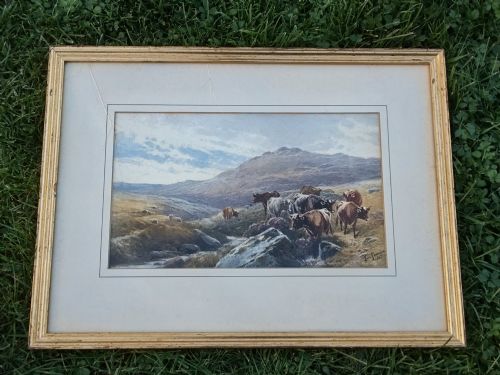
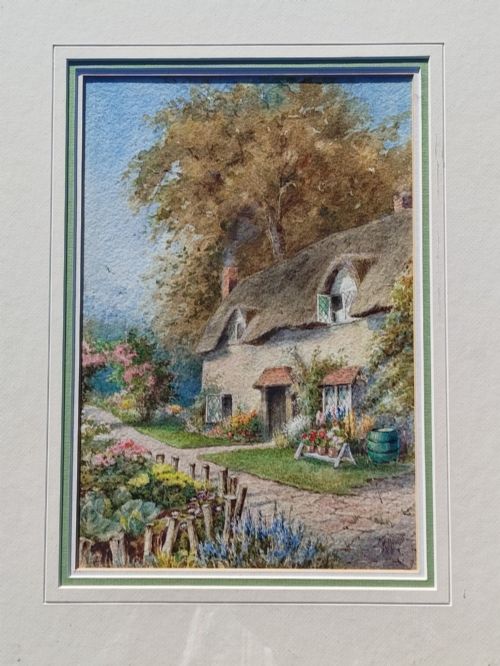
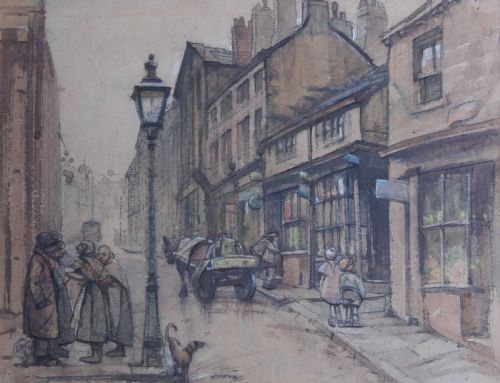
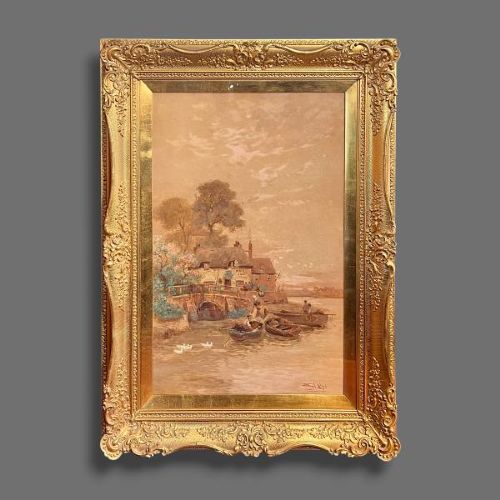
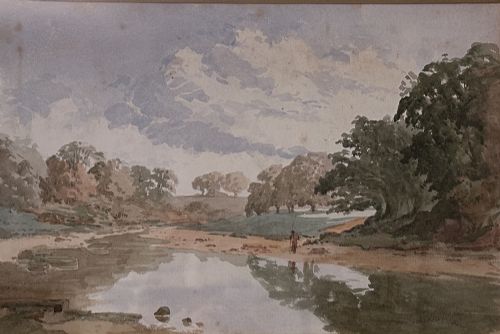
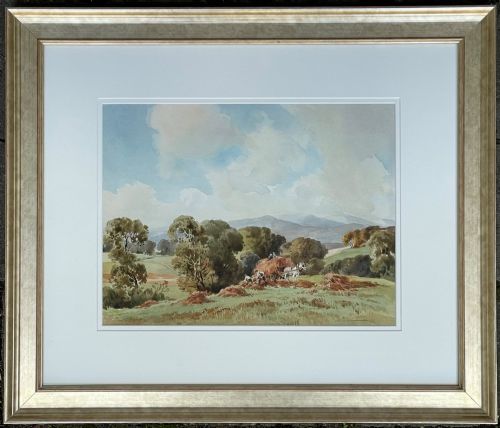
When someone searches for a british watercolor painting, they are looking at original works on paper produced across the nineteenth and twentieth centuries. These pieces encompass rural landscapes, townscapes, coastal scenes, and intimate pastoral views created by named artists and regional schools.
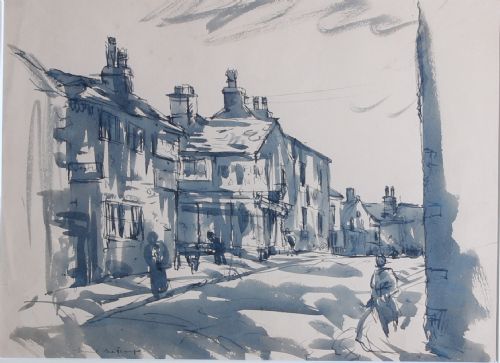
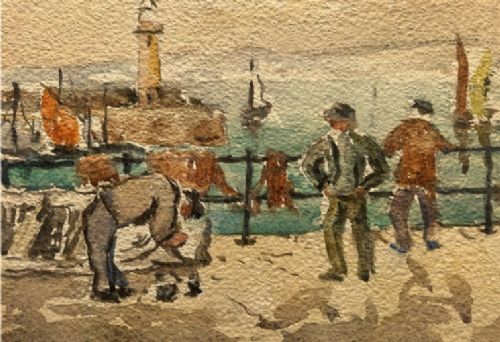
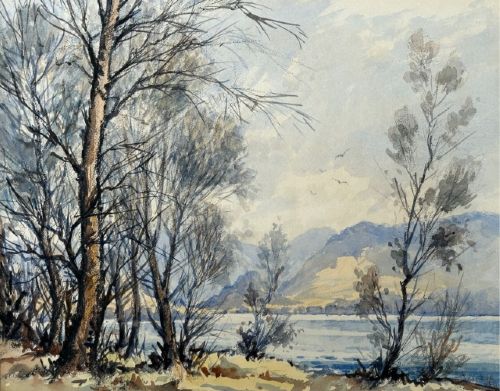
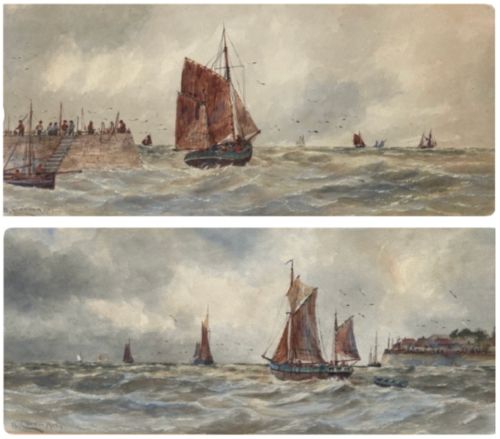
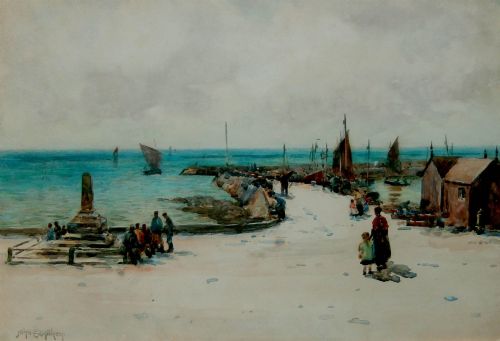
The most common examples on this page date from the Victorian and Edwardian eras through to the mid-twentieth century. Works span subjects from Lake District landscapes and Scottish watercolours to bustling harbour scenes and detailed architectural townscapes.
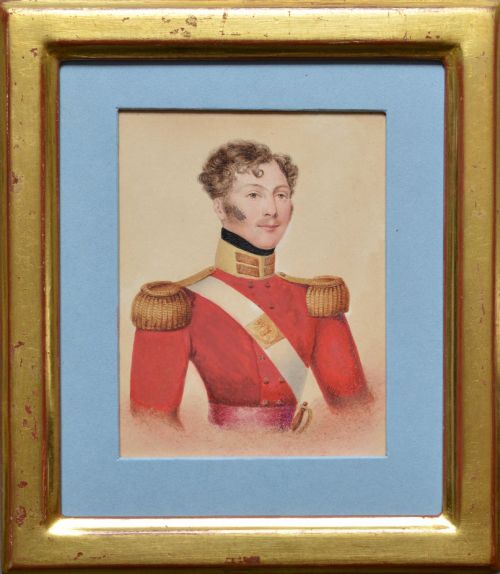
Framed artwork and portrait miniatures represent the primary physical formats encountered by collectors. Each piece records a distinct moment in British art, reflecting the changing tastes of the nineteenth century and the impressionist tendencies of the early decades that followed.
Materials and technique
Artists relied primarily upon watercolour pigment applied to paper support, frequently enhanced with touches of bodycolour or ink to define details. Many works also incorporate pencil underdrawing beneath the washes of pigment.
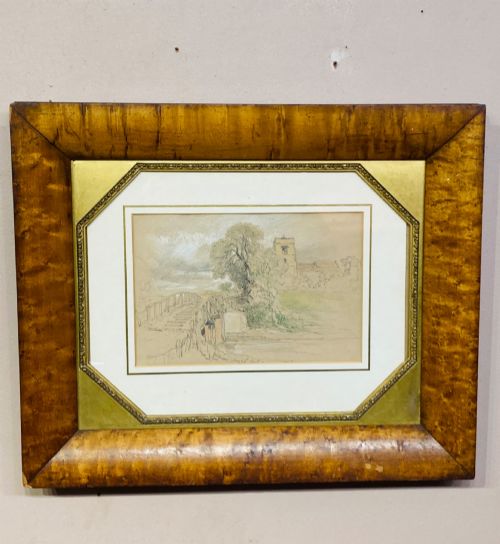
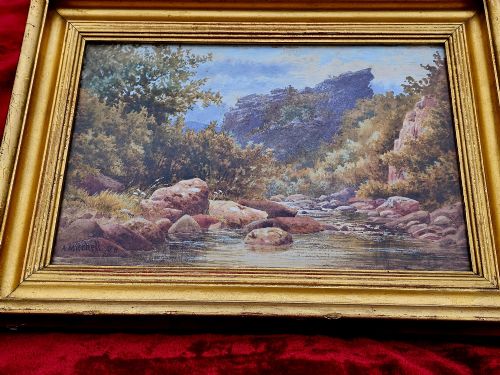
Protection and presentation typically involved glass glazing set within wood frames, occasionally complemented by gilt or gold leaf mounts. These traditional framing materials help preserve the delicate water-soluble pigments from atmospheric moisture and light exposure.
British Watercolor Painting Retail Price Guide 2026
Typical asking prices for british watercolor painting among the pieces listed under this phrase on Sellingantiques today, from the lower quarter to the upper quarter. They describe what is for sale here now, not the wider market.
The inventory spans the Victorian and Edwardian eras, extending through the 1920s and 1930s into mid-century British art.
Assessing quality and execution
The distinction between standard works and superior examples rests upon the dexterity of the brushwork and the confidence of the composition. Skilled artists capture light and atmospheric conditions on paper with economy and precision rather than heavy layering.
Provenance and documentation also separate the range, as signed works by recognised practitioners or Royal Academy exhibitors carry distinct art historical weight. The integrity of the sheet, minimal fading of the pigment, and sympathetic period framing further elevate the standing of an individual painting.
Herbert Menzies Marshall·Stuart Lloyd·James Orrock·Bruce Bairnsfather·George Lorain Stampa·Thomas William Morley·Frank William Scarbrough·Robert Thorne Waite·Hector Caffieri·William Taylor Longmire
The British Watercolor Painting Glossary
- Watercolour
- A painting method in which the paints are made of pigments suspended in a water-based solution. This technique allows for transparent washes of colour on paper.
- Bodycolour
- Watercolour mixed with a white pigment to make it opaque. Artists utilise this method to add highlights and solid areas of light to a composition.
- Gilt
- Covered thinly with gold leaf or gold paint. This finish frequently appears on the antique wood frames enclosing nineteenth-century works.
- Portrait miniature
- A small, highly detailed painting on paper or ivory. These intimate works flourished during the Georgian and Victorian periods.
- Impressionist
- Pertaining to a style of painting that focuses on the visual impression of a moment, particularly regarding shifting light and colour. British variants emerge strongly in the early twentieth century.
British Watercolor Painting: Frequently Asked Questions
What subjects are most common in these antique works?
Landscapes and coastal scenes dominate the output, ranging from Cumbrian lakes and Scottish hills to Cornish harbours and Norfolk rivers. Townscapes and architectural views of markets and cathedrals also appear frequently.
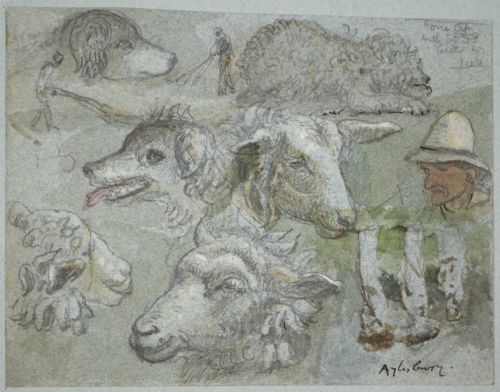
Artists frequently recorded rural labour, such as herding sheep or fishing boats returning to port. Pastoral life and English country scenes formed a central focus for painters throughout the nineteenth and early twentieth centuries.
How can I tell a Victorian example from a twentieth-century piece?
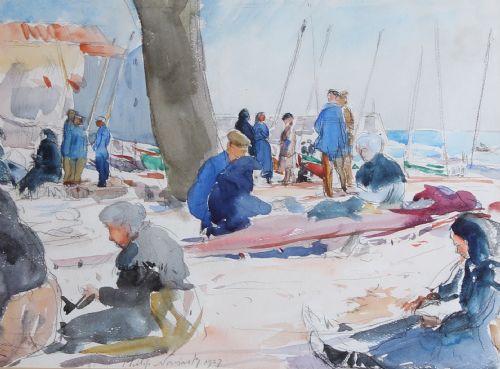
Victorian watercolours generally exhibit a tight, highly detailed execution with careful narrative focus and precise topographical accuracy. Mid-century and Edwardian pieces often display looser brushwork influenced by British Impressionism and modern landscape traditions.
Signatures, dates, and framing styles also offer clues to the period of creation. Archival records or artist biographies help confirm the exact decade when a specific work was produced.
Are most of these paintings signed by the artist?
Many examples bear the artist's signature or monogram, either within the painted image or on the margin of the paper. Signed works by documented practitioners provide a direct link to the regional schools of the era.
Unsigned works also occur, frequently attributed to the broader British School of the period. Stylistic analysis and contemporary exhibition records help contextualise these unsigned paintings.