




British Sterling Silver Flatware
British sterling silver flatware brings centuries of dining heritage to the table through serving spoons, ladles, and forks formed in sterling silver.
British Sterling Silver Flatware
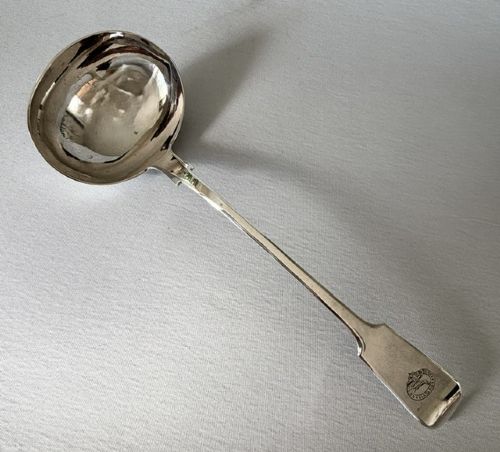
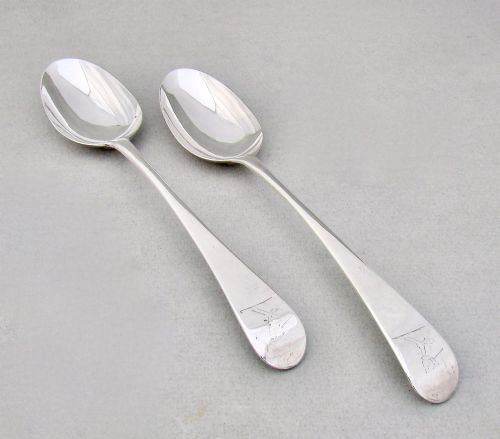
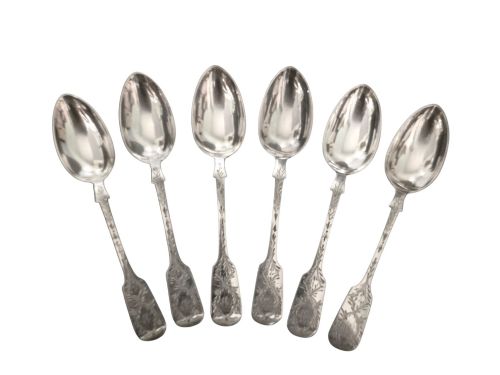
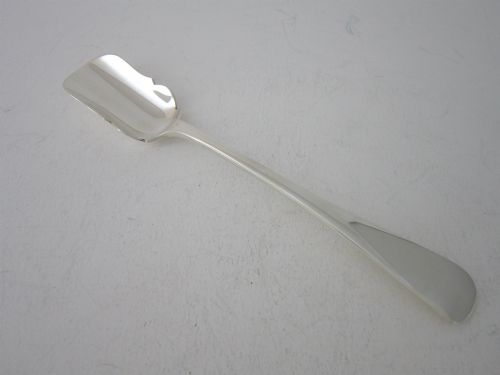
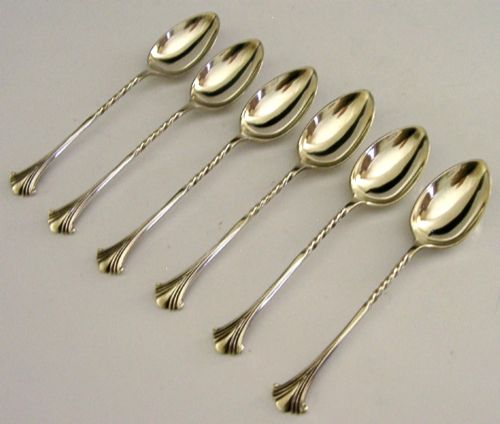
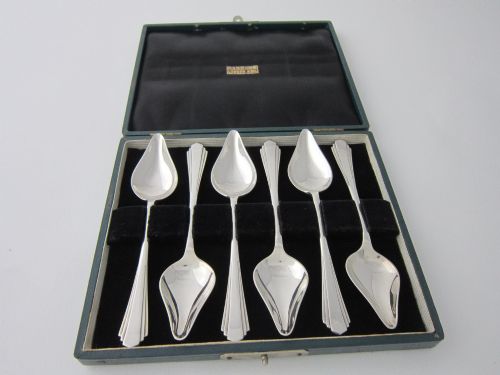
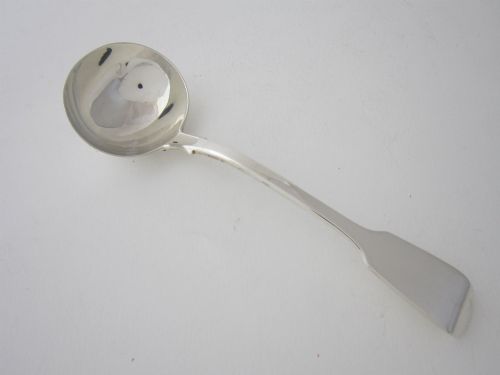
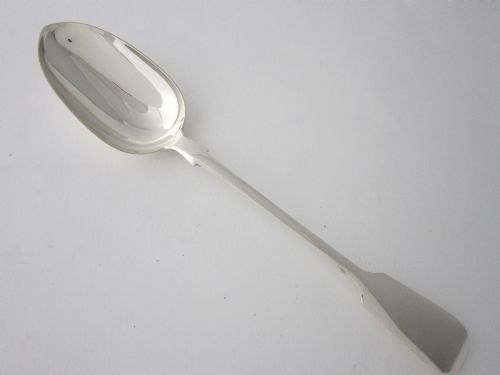
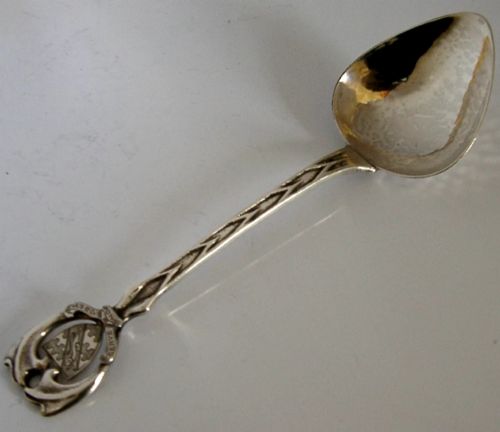
British sterling silver flatware encompasses functional and serving utensils forged from silver across periods spanning the Georgian, Victorian, and twentieth-century eras. The examples most commonly encountered on this page include fiddle pattern basting spoons, sauce ladles, caddy spoons, and berry spoons.
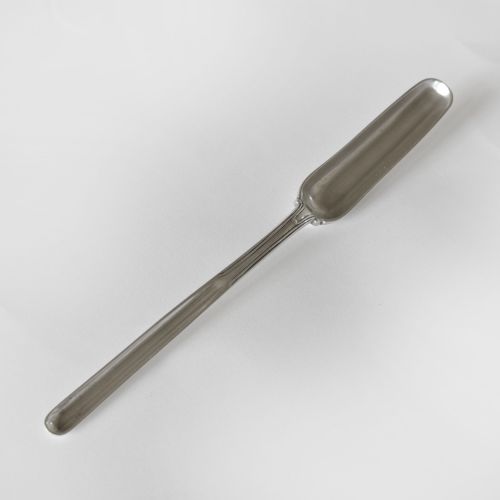
Makers shaped these pieces for specific culinary uses, ranging from marrow scoops and stilton scoops to ice cream servers and grapefruit spoons. Styles shift from the early dognose and rattail designs through the ornate decorations of the Victorian period to cleaner lines of the 1930s.
Indicators of quality
Quality rests upon the weight of the metal, the crispness of the hallmarks, and the preservation of original bowl shapes without excessive thinning from polishing. Fiddle patterns and handles retain distinct shoulders and edges on superior items.
The reputation of the silversmith and the completeness of fitted boxes or matching sets influence the standing of a piece within its period.
British Sterling Silver Flatware Retail Price Guide 2026
Typical asking prices for british sterling silver flatware among the pieces listed under this phrase on Sellingantiques today, from the lower quarter to the upper quarter. They describe what is for sale here now, not the wider market.
Materials appearing across the inventory include sterling silver, enamel, and fitted presentation cases lined in velvet, silk, and satin.
George Unite·Walter and John Barnard·Charles Boyton·Lawrence Coles·Worshipful Company of Harberdashers
The British Sterling Silver Flatware Glossary
- Sterling silver
- An alloy consisting of a high proportion of silver combined with other metals to ensure durability for daily dining use.
- Hallmark
- A stamped mark on the metal indicating the standard of silver, the assay office, and the year of manufacture.
- Fiddle pattern
- A nineteenth-century handle shape featuring shoulders above a widening, flattened terminal.
- Basting spoon
- A large utensil employed historically for spooning juices over roasting meat.
- Caddy spoon
- A short-handled spoon designed specifically for measuring dry tea leaves from a caddy.
- Rattail
- A strap of metal running down the back of a spoon bowl as a reinforcement for the handle join.
British Sterling Silver Flatware: Frequently Asked Questions
How do I clean antique silver flatware?
Clean sterling silver flatware using a specialised silver cloth and warm soapy water, avoiding harsh abrasive dips that strip the patina. Dry each piece thoroughly with a soft cloth before storing.
Store pieces away from rubber or damp environments to prevent tarnishing and protect the surface finish from unnecessary wear.
Can I use these antique spoons daily?
Many people choose to use antique sterling silver flatware for everyday dining, as solid silver is durable and built for practical service. Hand washing preserves the hallmarks and delicate engravings better than automated dishwashers.
Heavier serving pieces like basting spoons and ladles handle regular meal service easily while adding historical character to the dining table.
How do I read silver hallmarks?
Silver hallmarks typically include a standard mark indicating sterling purity, a city mark for the assay office, and a date letter corresponding to the year of testing. Additional marks can show the maker's initials or registered trade symbol.
Reference guides map these specific stamped shapes to exact years and makers, helping to date the flatware precisely.