

British School Canvas
A british school canvas brings centuries of portraiture, landscape and townscape directly from the easel into your home.
British School Canvas
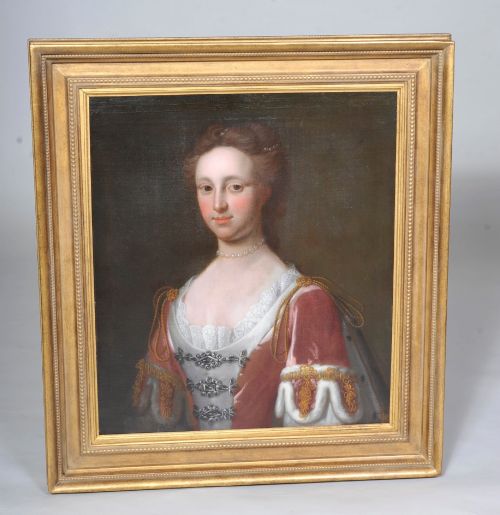
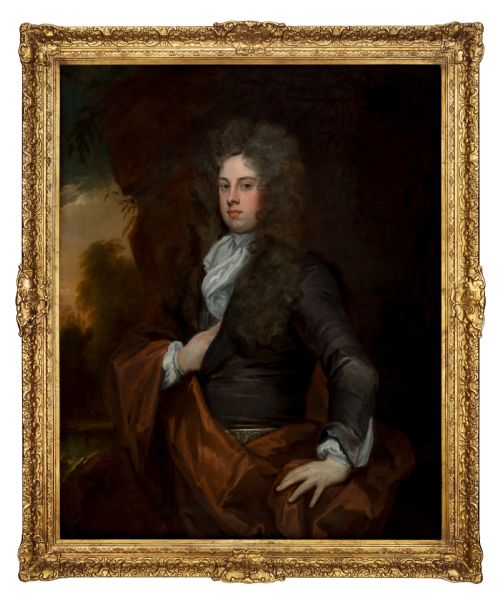
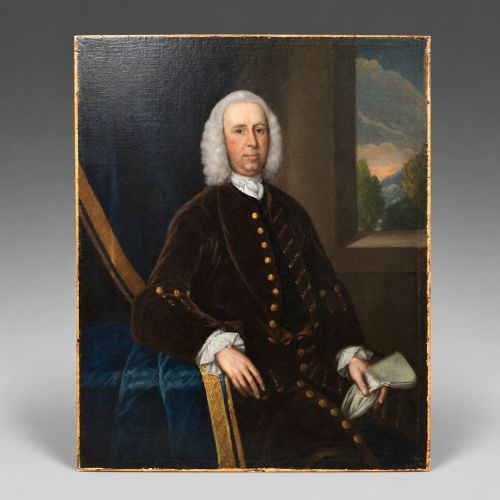
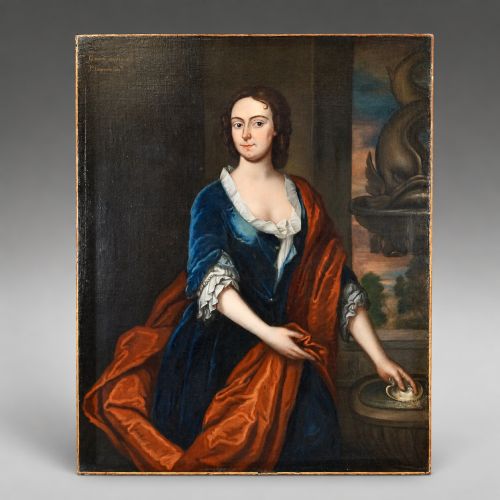
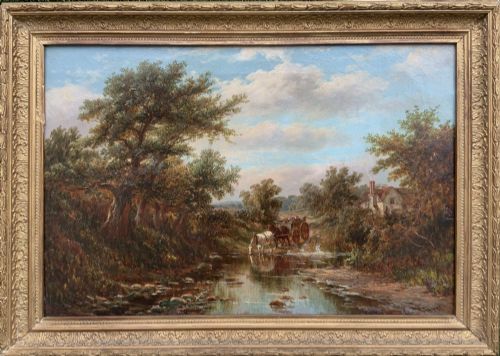
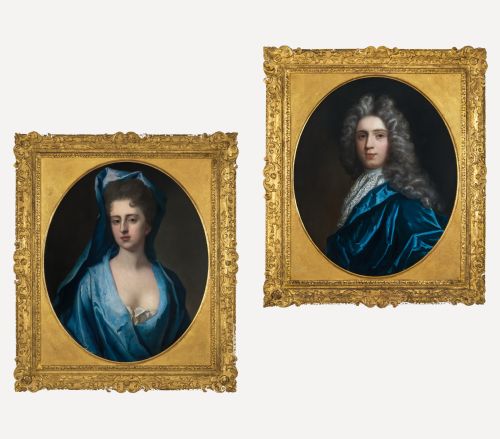
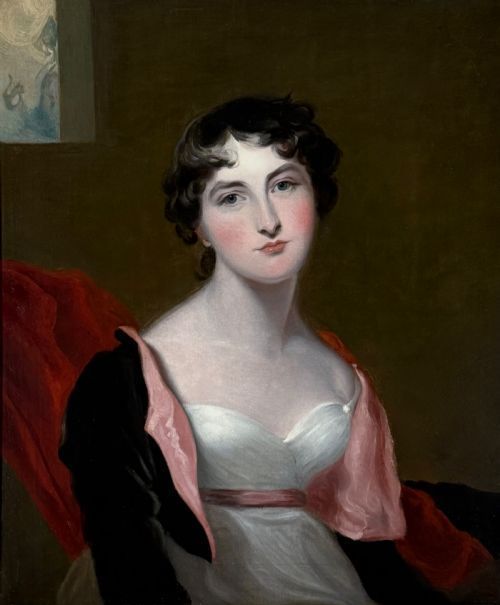
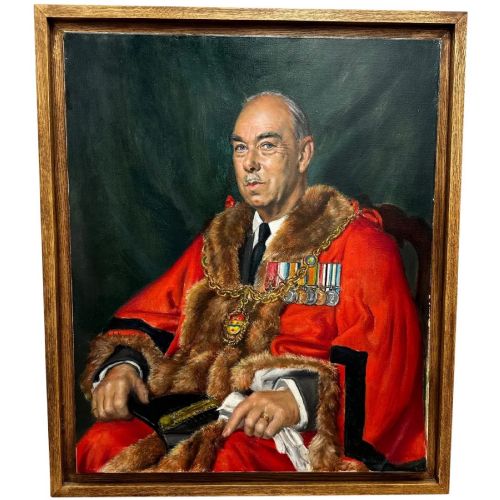
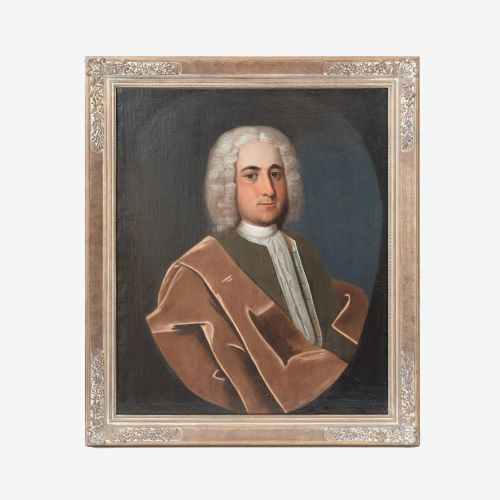
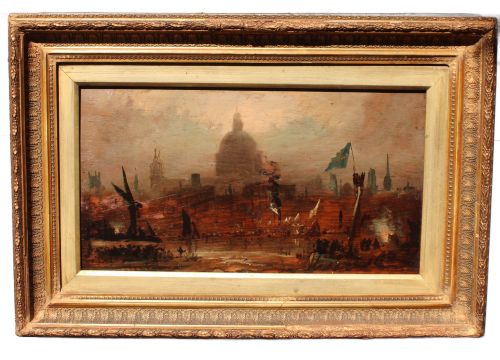
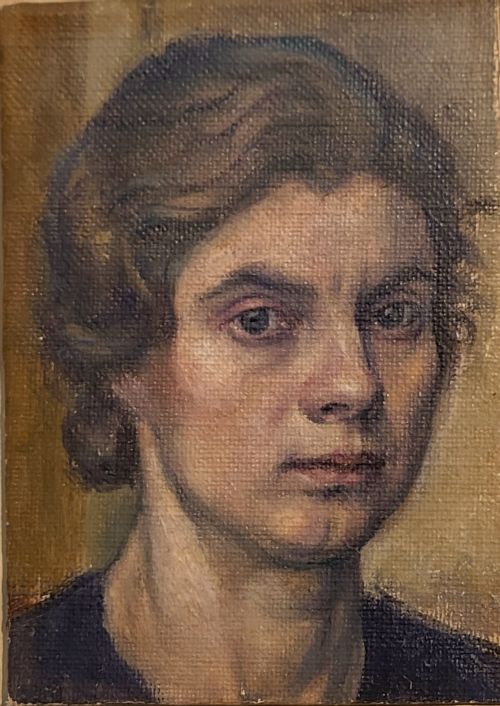
A british school canvas encompasses historical portraits, pastoral landscapes, and coastal scenes painted by artists working in Britain across several centuries. You will frequently encounter oils executed on woven canvas stretched over wooden frames, often retaining their original giltwood or gesso frames.
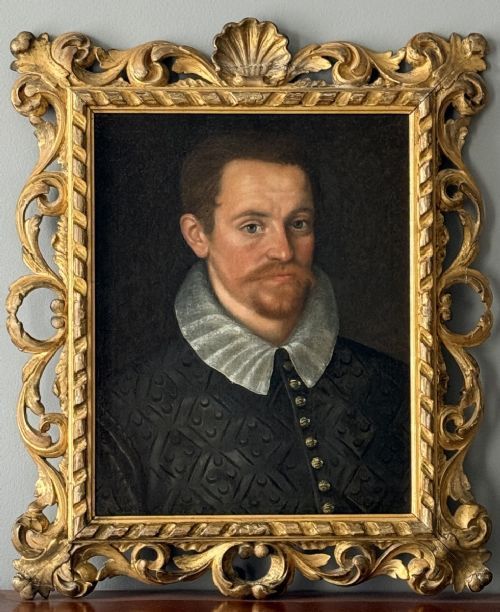
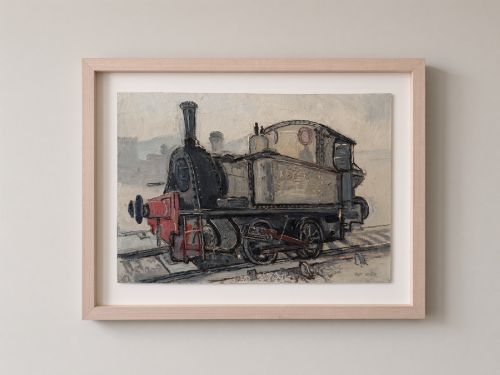
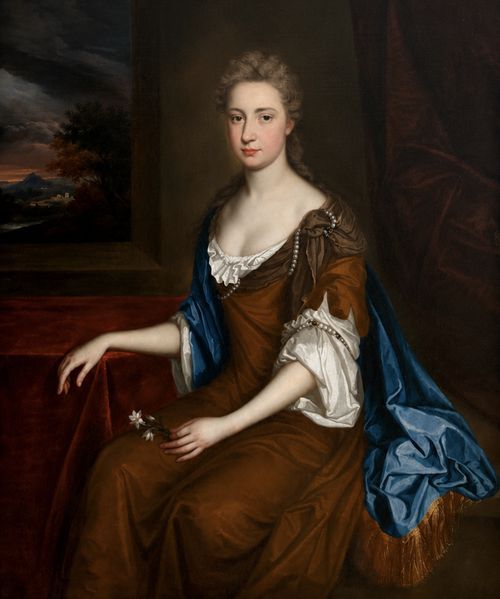
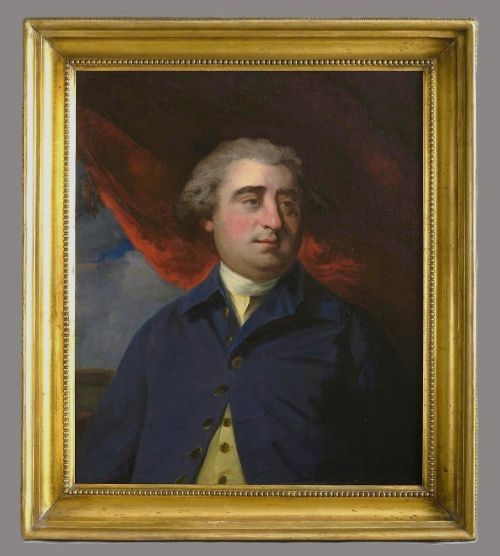
The selection ranges from seventeenth-century depictions of gentlemen in ruffs to nineteenth-century romantic landscapes and twentieth-century modernist townscapes. Portraiture dominates the earlier centuries, whilst topographical views and rural scenes emerge more strongly through the Victorian period and into the twentieth century.
Materials and construction
Artists built these works using oil paint applied to prepared canvas, supported by traditional timber stretchers or occasionally wood panels. The application varies from smooth, refined glazes found in formal portraiture to heavy, textured impasto characteristic of later regional schools.
Surrounding frames are typically constructed from wood, embellished with moulded gesso and finished in gold leaf or gilt. These frames form an integral part of the piece, often displaying period hallmarks such as corner cartouches and leaf decoration.
British School Canvas Retail Price Guide 2026
Typical asking prices for british school canvas among the pieces listed under this phrase on Sellingantiques today, from the lower quarter to the upper quarter. They describe what is for sale here now, not the wider market.
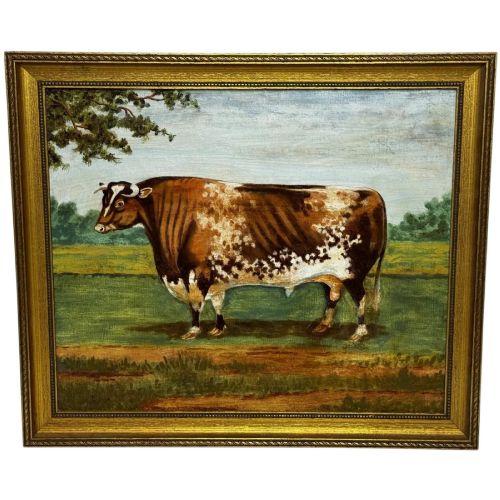
Several canvases feature remarkably stern livestock, proving that nineteenth-century prize bulls took their portrait sittings just as seriously as the gentry.
Distinctions in quality
Quality rests upon the sureness of the brushwork, the anatomical or spatial accuracy of the composition, and the psychological depth captured in portrait subjects. Masterworks demonstrate confident handling of light and shadow, whereas lesser examples rely on formulaic repetition and stiff perspective.
The survival of the original surface condition without heavy overpainting dictates the integrity of the piece. Works that retain their unlined canvases and untouched pigment layers command greater appreciation than those marred by extensive restoration.
Michael Dahl·Thomas Murray·Sir Thomas Lawrence·Edward Williams·Sir Joshua Reynolds·Harold Knight·Fred Yates
The British School Canvas Glossary
- Canvas
- A heavy woven fabric, usually linen or cotton, stretched tightly across a wooden frame to form the painting surface. It provides the foundational support for nearly all the oil paintings featured here.
- Giltwood
- Wood that has been carved and coated with a thin layer of gold leaf. This material is standard for the ornate antique frames enclosing these historical artworks.
- Impasto
- Paint applied thickly to a canvas, leaving distinct brush or palette knife marks that stand proud of the surface. This technique adds tactile depth and texture to landscapes and modern works.
- Gesso
- A white paint mixture consisting of a binder mixed with chalk, gypsum, or pigment, used to prepare wood and canvas surfaces. It forms the smooth base layer beneath traditional gilding and oil priming.
- Studio of
- A designation indicating a work produced by assistants or pupils working under the direct supervision of a master artist. Such pieces closely follow the master's style and composition.
British School Canvas: Frequently Asked Questions
How do I date a British school canvas?
Dating relies primarily on the style of clothing, hair, and framing visible in the artwork, alongside any artist signatures or inscriptions. Costume details such as ruffs, doublets, or Victorian dress offer precise chronological markers.
Material analysis of the canvas weave and the wooden stretcher bars also helps narrow down the period. Comparing the brushwork and palette to known regional schools provides further context.
What is the difference between a portrait and a study?
A formal portrait is a finished, highly detailed commission intended to capture the likeness and status of a specific sitter. These works usually feature careful attention to costume, background, and facial expression.
A study is a looser, more experimental preparatory work where the artist explores light, composition, or gesture without the constraints of a final commission. Studies often reveal the raw working method of the painter.
How should I hang an oil painting?
Oil paintings on canvas require stable environmental conditions away from direct sunlight, radiators, and damp walls. Use secure picture hooks rated well above the weight of the framed artwork and hang them from picture rail mouldings where available.
Keep rooms at a consistent temperature to prevent the canvas fabric and wooden frame from expanding or contracting excessively. Dust the surface and frame gently with a soft, dry brush.
What does attribution to a studio mean?
Attribution to a studio or follower indicates that the painting was created by artists working closely within a master's workshop rather than by the master's own hand. These pieces often replicate successful compositions produced by the primary artist.
Such works reflect the aesthetic standards and techniques of the named master while remaining distinct pieces from their period. They offer an accessible entry point into collecting historical British art.