


British Royal Painting
British royal painting encompasses centuries of portraiture, maritime scenes, and porcelain plaques capturing monarchs, family members, and related military history.
British Royal Painting
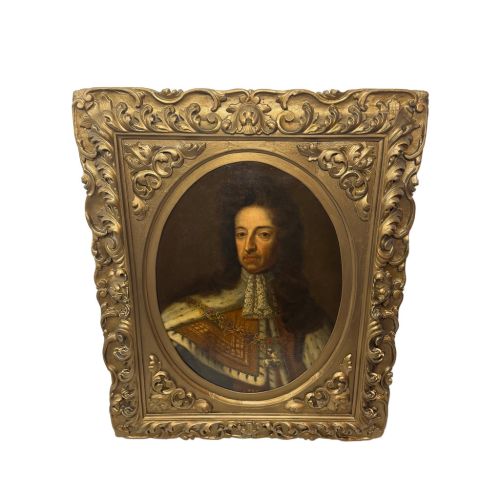
A British royal painting survey typically spans from seventeenth-century depictions of monarchs like King Charles II and King William III to twentieth-century royal portraits and commemorative watercolours.
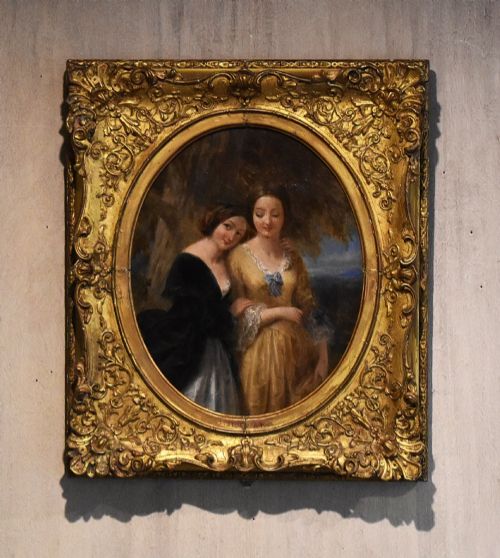
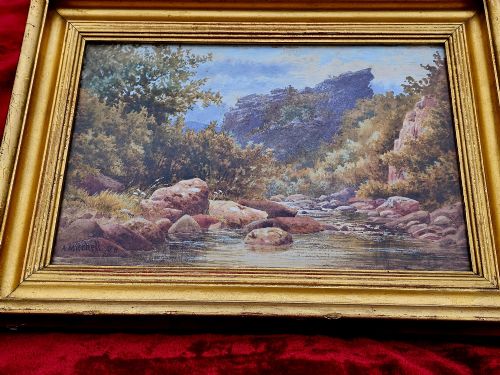
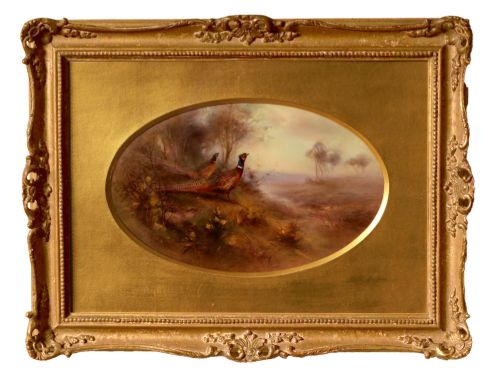
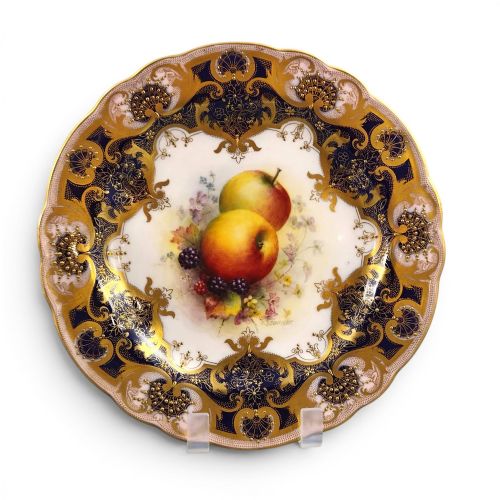
Collectors encounter diverse formats within this grouping, ranging from large oil canvases and delicate pastels to hand-painted Royal Worcester porcelain plaques and plates.
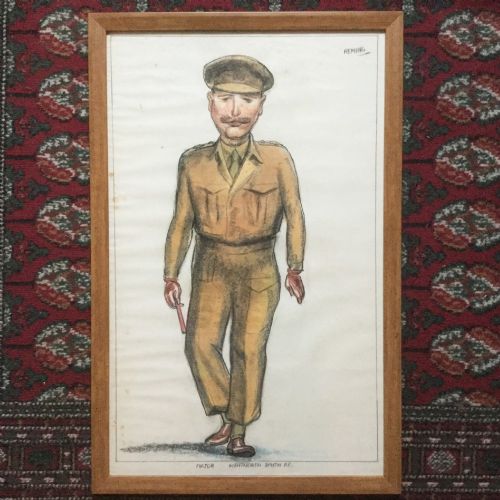
Works on this page frequently connect directly to prominent figures, military regiments, or institutions such as the Royal Academy, reflecting official patronage and private commissions alike.
Materials and Techniques
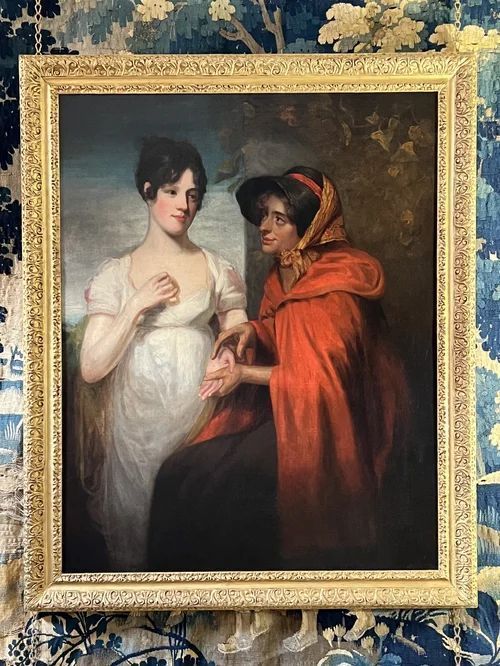
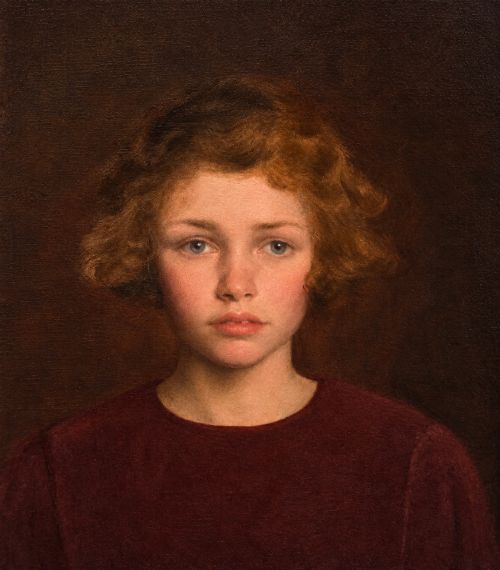
Artists relied primarily on oil paint applied to canvas or wood panels for formal portraits, allowing for deep glazing and rich depiction of textiles and regalia.
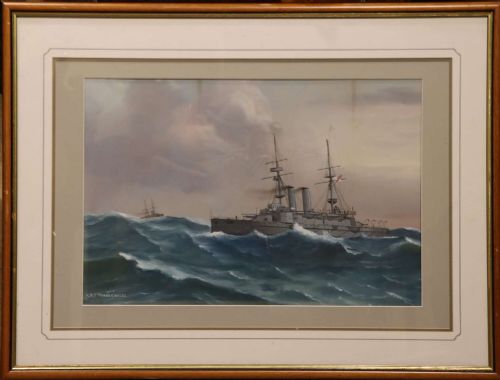
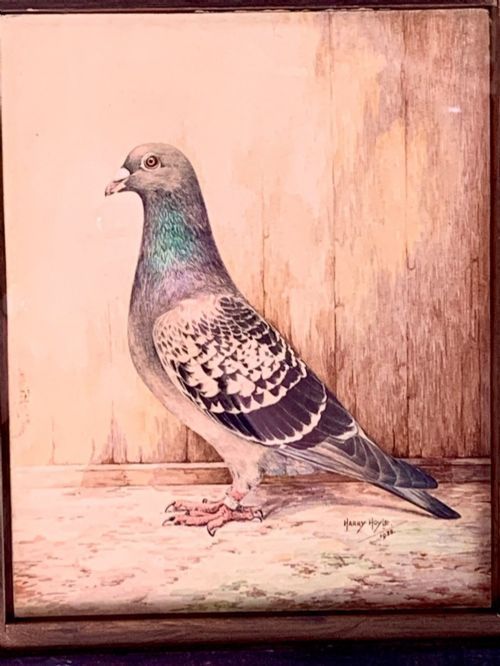
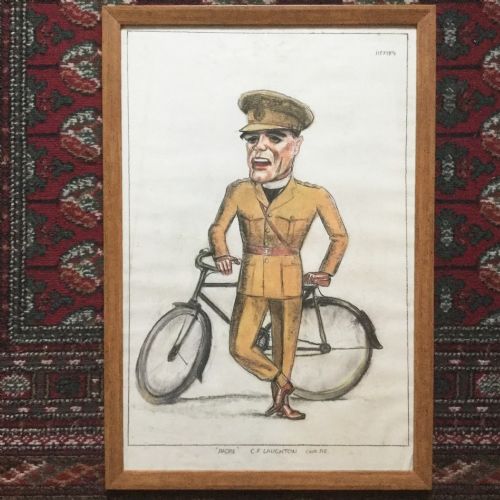
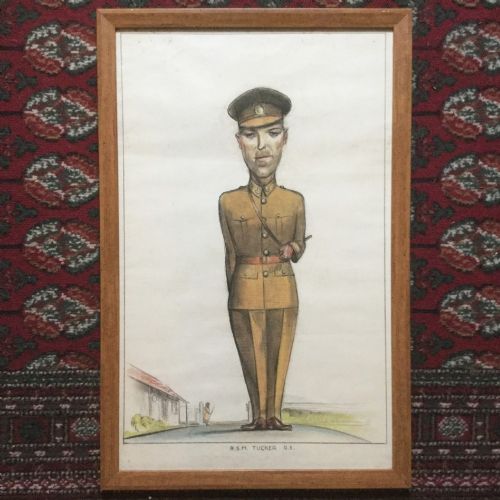
Watercolour, gouache, and pastel were widely utilised for rapid portrait sketches, maritime studies, and intimate works on paper.
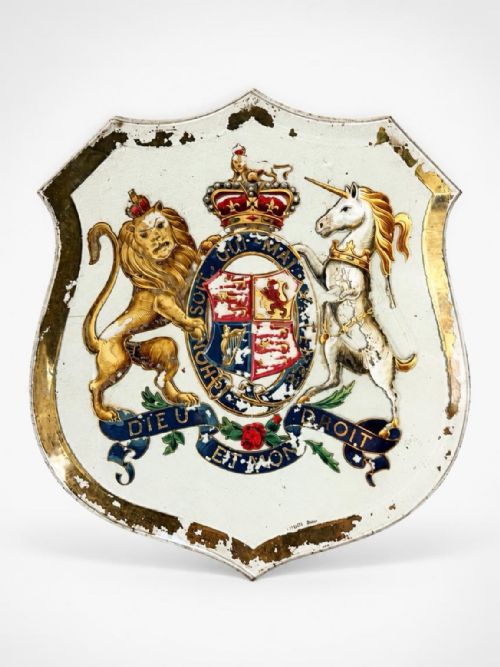
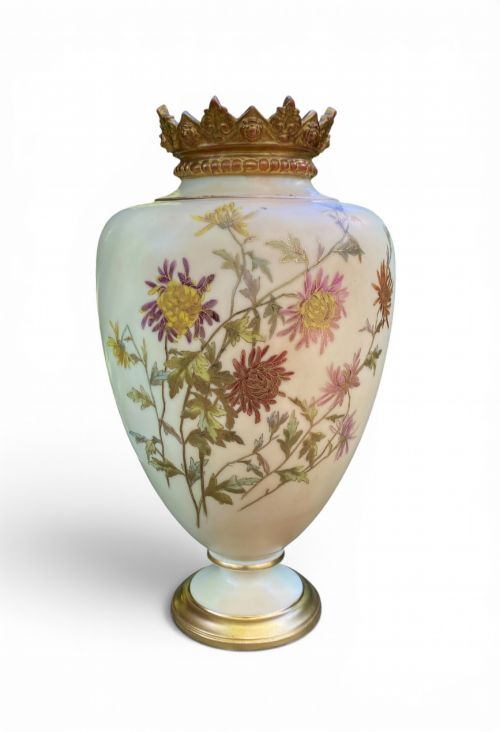
Ceramic pieces utilise hand-painted mineral colours fired onto porcelain bodies, frequently paired with gilded wooden frames or mounts.
British Royal Painting Retail Price Guide 2026
Typical asking prices for british royal painting among the pieces listed under this phrase on Sellingantiques today, from the lower quarter to the upper quarter. They describe what is for sale here now, not the wider market.
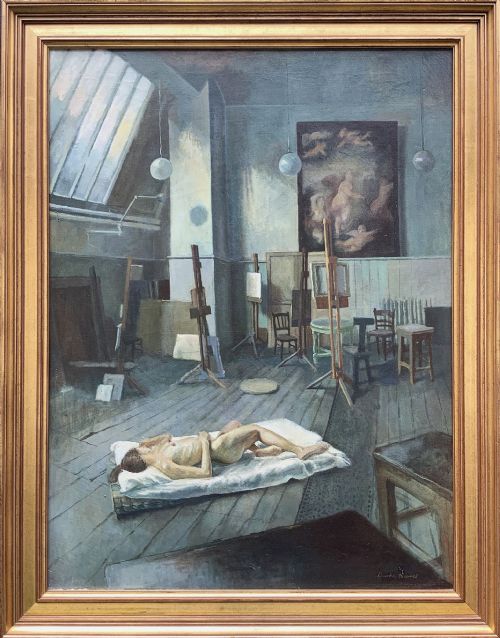
Listings feature works spanning from the seventeenth century through to the 1960s, executed in oil, watercolour, pastel, and hand-painted porcelain.
Evaluating Quality
The standard of draughtsmanship and psychological depth in facial rendering sets premier historical portraits apart from routine studio copies.
Superior execution shows confident brushwork, particularly in the handling of lace, uniforms, and background details rather than rigid adherence to formulaic outlines.
Condition of the original ground, whether canvas, panel, or paper, alongside the preservation of original gilt frames, heavily influences the integrity of the piece.
Deidre Daines·JOHN OPIE R.A·James Stinton·Richard Sebright·Bertram Priestman RA·Princess Alice Maud Mary·Reginald Grange Brundrit RA·George Vicat Cole RA·Benjamin Williams Leader RA·Ronald Ossory Dunlop RA·William Edward Frost·SIR HERBERT HUGHES-STANTON·Joseph Farrington RA·Sir Godfrey Kneller·Roland Batchelor·Thomas Creswick RA
The British Royal Painting Glossary
- Gouache
- An opaque water-based paint that dries to a matte finish, frequently used in maritime and military sketches for dense colour application.
- Panel portrait
- An artwork painted on a flat piece of prepared wood rather than canvas, common in seventeenth-century British works.
- Royal Academy
- The prominent London institution where many exhibiting artists of these periods showed their annual submissions.
- Order of the Garter
- The highest British order of chivalry, often denoted in royal portraits by specific insignia, robes, and blue ribbon details.
- Pastel
- A medium consisting of powdered pigment mixed with a binder, pressed into sticks and applied to paper for expressive portraiture.
British Royal Painting: Frequently Asked Questions
What periods do these paintings cover?
The selections span from the seventeenth century through the Victorian and Edwardian eras into the mid-twentieth century. This timeline captures shifting artistic styles from Baroque court portraiture to modern British watercolours.
Earlier items often reflect dynastic changes and royal patronage, while later twentieth-century works lean towards commemorative subjects, military studies, and independent academy exhibitions.
How were these royal artworks originally displayed?
Many of the oil portraits and large framed pastels hung in private country houses, institutional boardrooms, or government offices. They served both as personal tributes and statements of political or social allegiance.
Smaller watercolours and porcelain plaques were typically kept in private studies or drawing rooms, forming part of intimate collections dedicated to national heritage and royal milestones.
How do I identify royal association in a painting?
Confirmation often comes through inscribed titles, artist records detailing formal sittings, or specific heraldic elements like the Royal Coat of Arms. Subjects may wear identifiable military uniforms or orders of chivalry.
Exhibition labels on the reverse referencing historical institutions provide further documentation of a piece's provenance and official status.
How do I care for antique watercolours and oils?
Works on paper, such as watercolours and pastels, require protection from direct sunlight to prevent fading and must be framed behind conservation-grade glass. Fluctuations in humidity can damage paper fibres over time.
Oil paintings on canvas or panel benefit from stable indoor environments away from excessive heat sources. Professional assessment helps determine if an older varnish layer requires careful cleaning.