


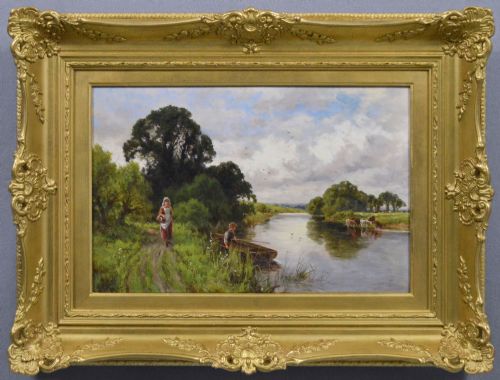

British Pastoral Canvas Art
British pastoral canvas art brings rural life, rivers, and livestock into focus through oil paint on canvas from the Victorian and Edwardian periods.
British Pastoral Canvas Art
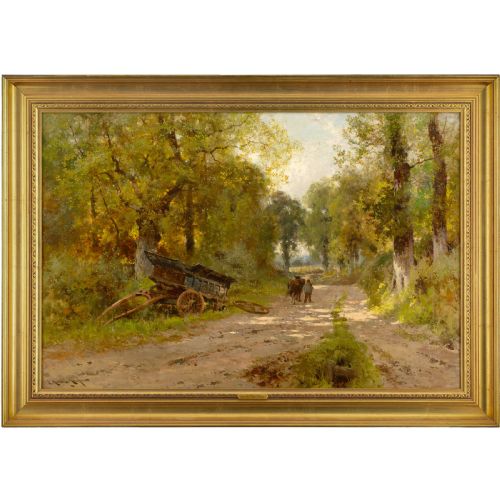
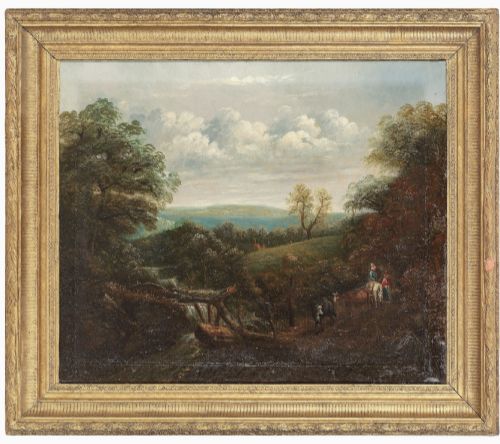
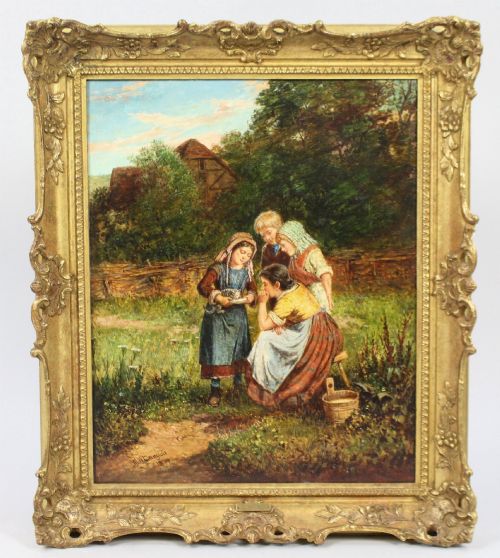
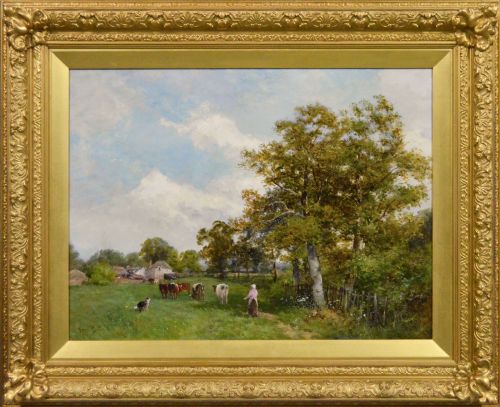
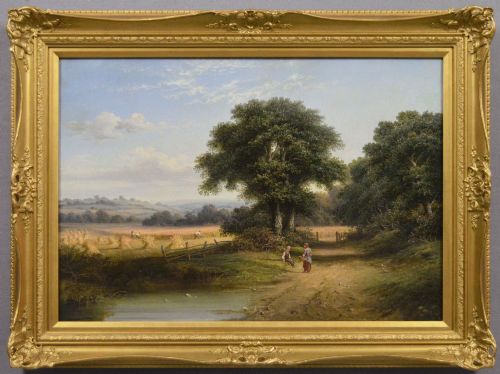
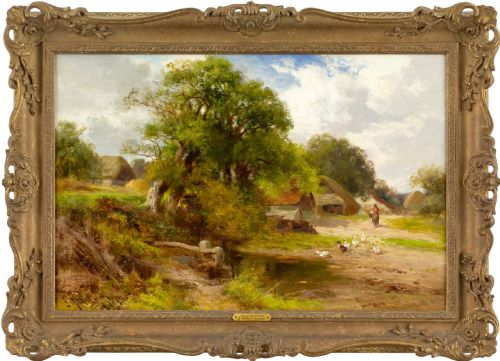
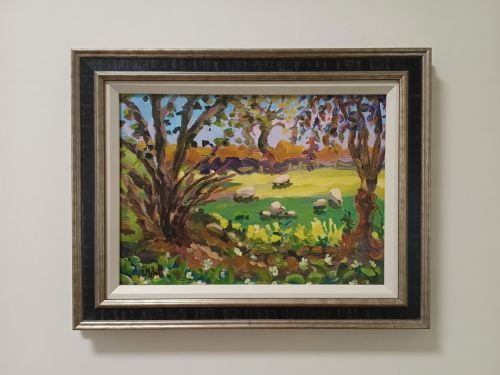
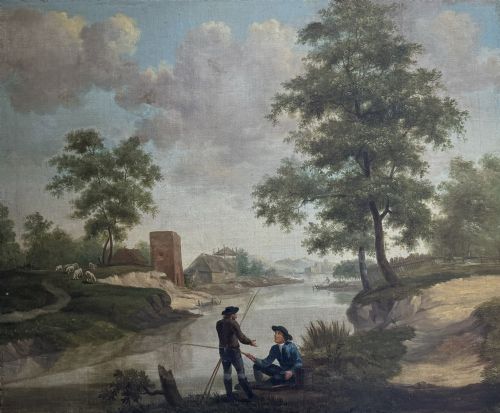
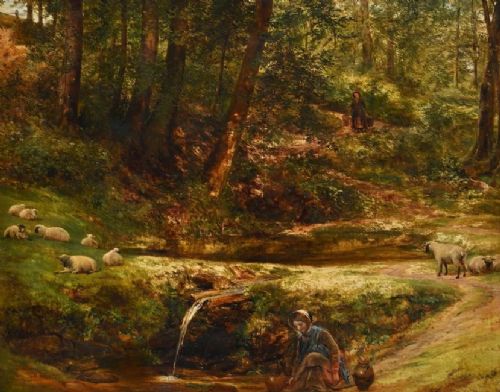
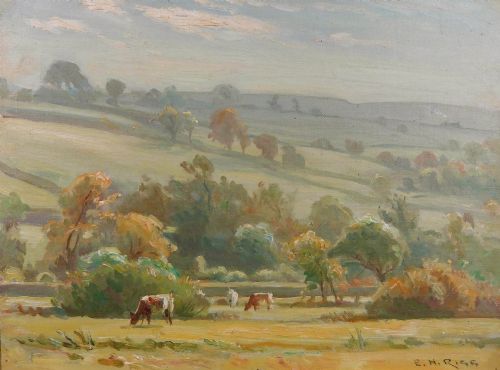
When you search for british pastoral canvas art, you encounter oil paintings depicting rural scenery, countryside paths, agricultural labour, and domestic animals. The works span the nineteenth century into the twentieth century, originating from the Victorian era and Edwardian period.
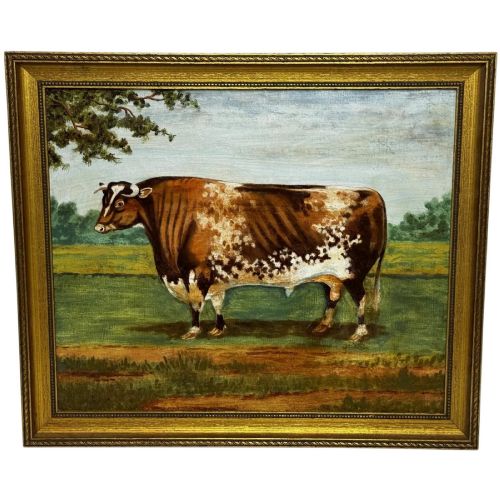
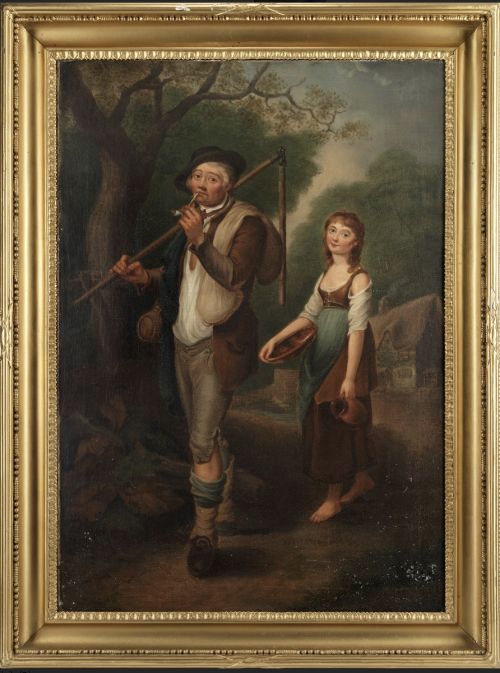
Most examples on this page are oil paintings on canvas, frequently mounted in wood, gesso, or gilt wood frames. The subjects concentrate on British landscapes, river scenes, woodland cattle, sheep in fields, and cottage life.
Makers and painters represented include named artists such as John Horace Hooper, Owen Bowen, and William Sydney Cooper, alongside pieces attributed to the Norwich School or the broader British School.
How they were made
The primary technique relies on oil paint applied to stretched canvas surfaces, capturing texture and light across rural scenes. Artists utilised oil medium to build depth in foliage, water, and animal coats.
Frames play a structural role in presentation, constructed from wood finished with gesso and gilt. These materials protect the canvas edges and define the visual boundary of the landscape.
Listings feature oil paintings on canvas spanning the nineteenth century and twentieth century, incorporating the Norwich School and British Impressionism.
What varies in quality
Quality separates through the handling of light, brushwork precision, and anatomical accuracy in human figures and livestock. Finer works display confident execution by established painters rather than formulaic studio production.
Condition of the oil paint layer and the integrity of the original gesso and gilt wood framing influence overall preservation. Signed compositions and documented provenance elevate specific canvases above anonymous school pieces.
George Graham·John Horace Hooper·Thomas Barker of Bath·Mark William Langlois·David Bates·Walter Heath Williams·Lucy Pratt·Richard Redgrave·Ernest Higgins Rigg·Henry H Parker·John Emms·Owen Bowen·Margaret Maitland Howard·William Henry Mander·John Sanderson Wells·Alfred Augustus Glendening Jnr·William Sydney Cooper·George Vicat Cole·Henry John Boddington·Robert John Hammond·Sidney Richard Percy·Frederick James Knowles·Frederick W Jackson
The British Pastoral Canvas Art Glossary
- Gesso
- A plaster-like mixture applied to wood frames before gilding or painting. It provides a smooth surface for decorative mouldings.
- Norwich School
- The first provincial art movement in Britain, focusing on local landscapes and rural scenery. Artists painted subjects close to their East Anglian surroundings.
- Victorian Pastoral
- A genre of nineteenth-century art celebrating idealized rural life and agriculture. Canvases frequently feature farm animals, harvest workers, and tranquil rivers.
- British Impressionism
- A late nineteenth and early twentieth-century painting style characterised by visible brushstrokes and an emphasis on changing light. Artists worked outdoors to capture natural effects.
British Pastoral Canvas Art: Frequently Asked Questions
What subjects appear in british pastoral canvas art?
The compositions concentrate on rural scenery, including rivers, woodlands, harvest fields, and cottages. Animals such as cattle, sheep, and dogs frequently share the canvas with figures.
Artists drew inspiration from the English and Welsh countryside, documenting agricultural life and pastoral views across different seasons.
How do I date an antique oil painting?
Dating relies on stylistic evidence, signatures, canvas stamps, and framing materials. Victorian and Edwardian works often exhibit specific handling of light and pigment characteristic of their decade.
Secondary indicators include framer labels and inscriptions on the reverse of the canvas stretcher.
Where should I hang a large canvas painting?
Large landscape canvases require stable wall space away from direct sunlight and excessive moisture fluctuations. Proper placement protects the oil paint and the gesso frame from environmental stress.
Displaying the work at eye level allows the detail of the brushwork and the depth of the gilt frame to be appreciated fully.
What is the difference between signed and unsigned works?
Signed paintings bear the artist's name or monogram, connecting the piece to a documented biography and known body of work. Unsigned works are often attributed to a broader regional school or period style.
Both categories utilise oil on canvas, but signed works generally offer clearer historical attribution.