

British Narrative Painting Art
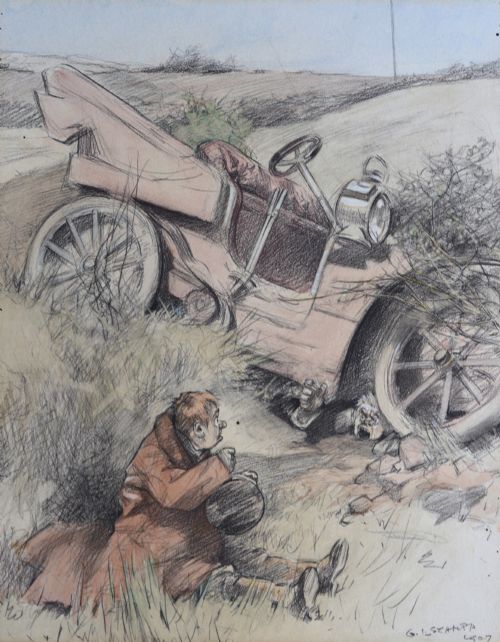
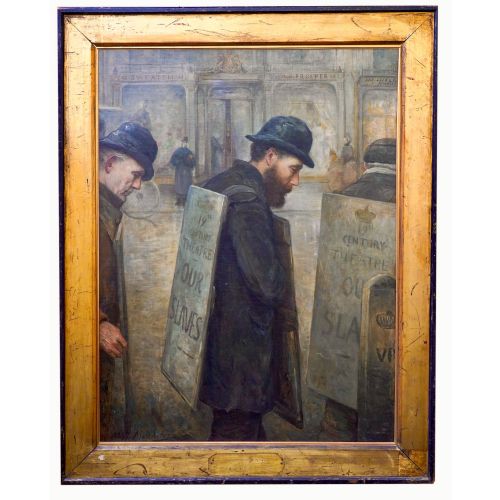
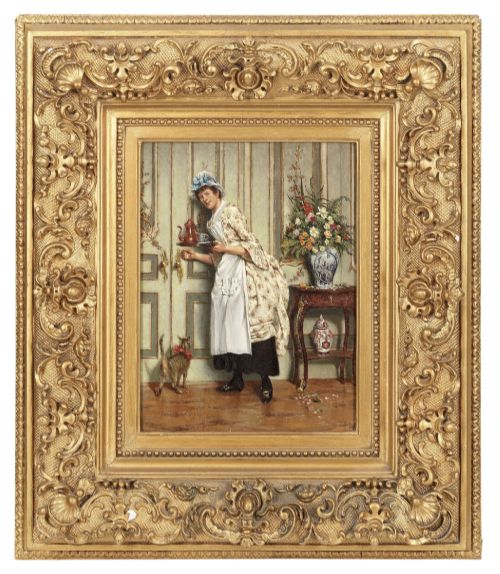
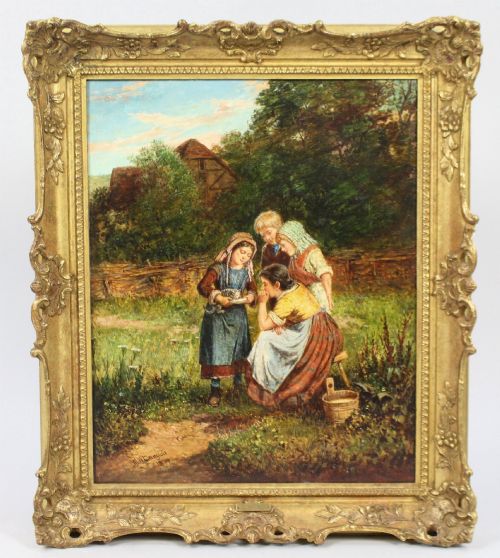
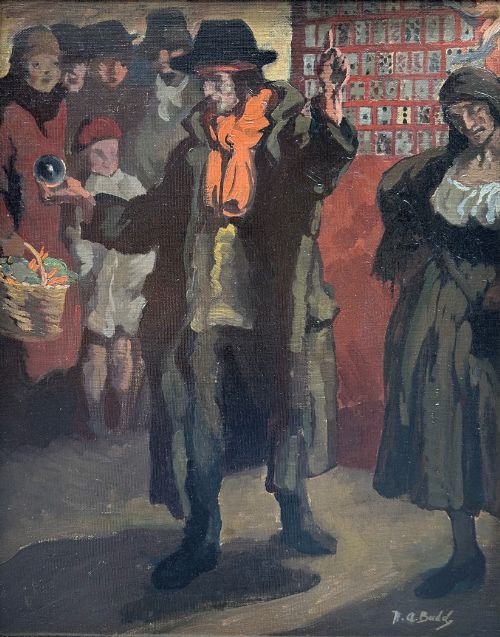
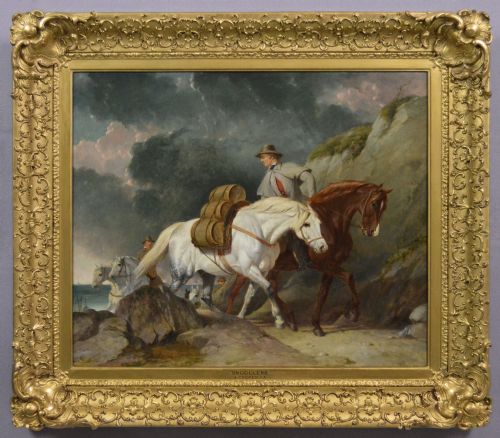
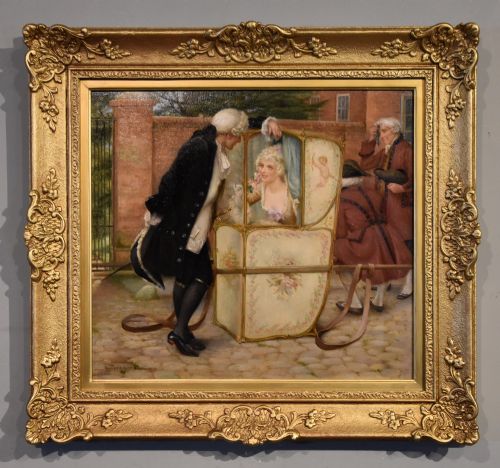
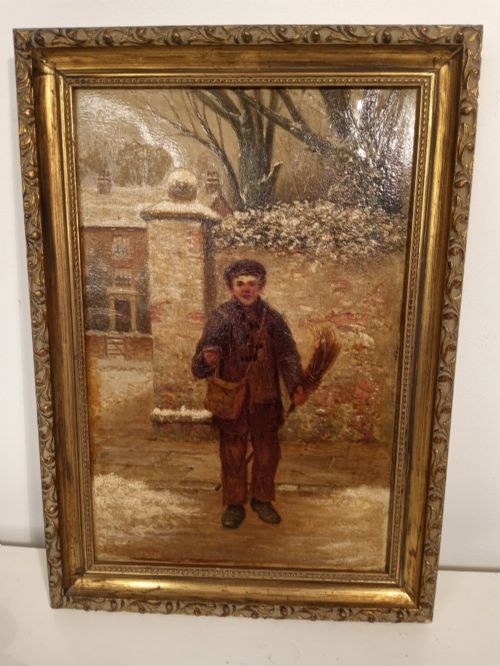
British narrative painting art records domestic moments, social scenes and historical episodes through figurative works on canvas, wood and paper.
British Narrative Painting Art
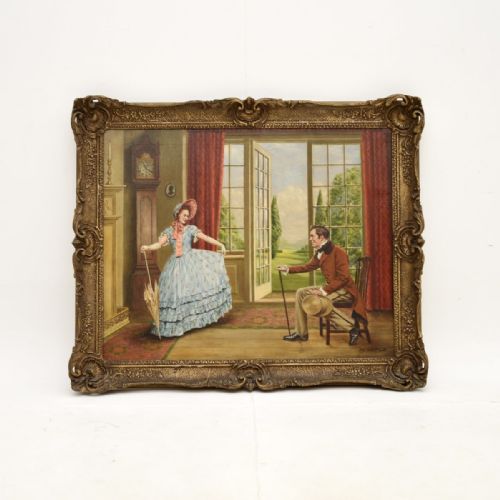
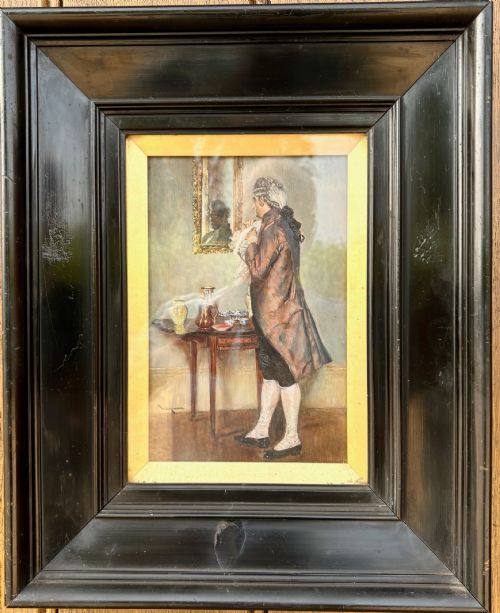
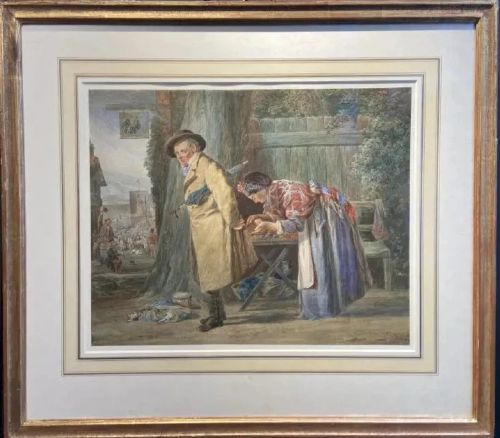
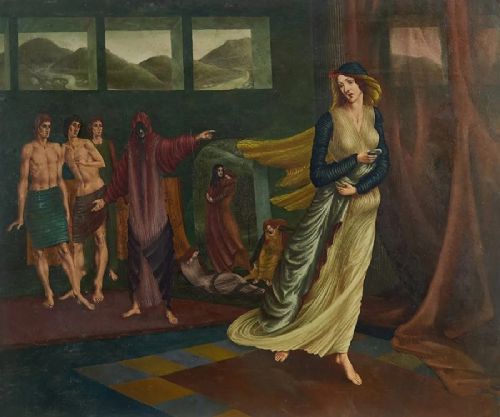
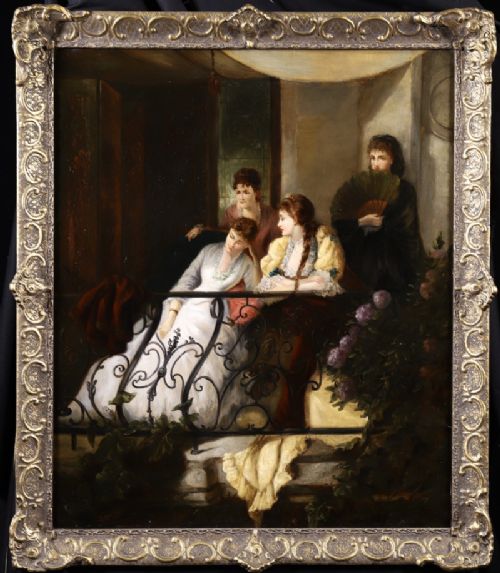
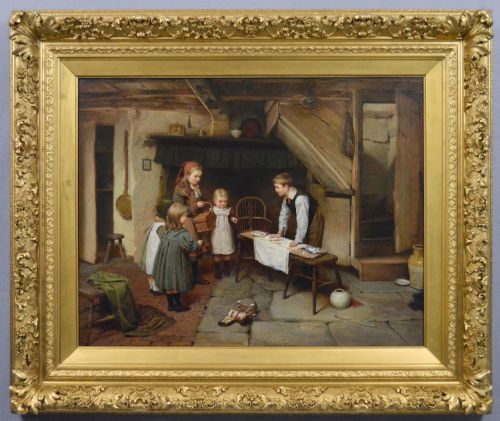
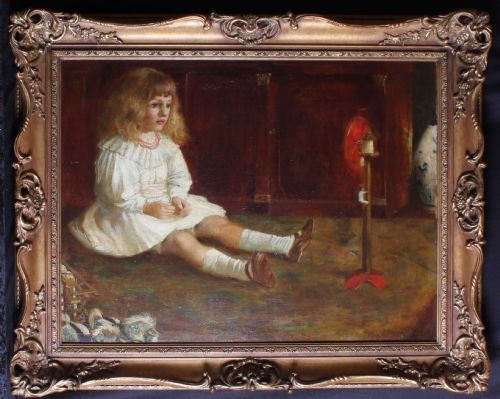
When you search for british narrative painting art, you are looking at figurative works that tell a story, capture a domestic interaction or depict a historical moment. These pieces record scenes ranging from cottage interiors and tea time gatherings to historical processions and social history episodes.
The works you are most likely to meet on this page date from the nineteenth century through to the early twentieth century, encompassing Victorian genre painting, Edwardian watercolours and realist scenes. They present everyday characters, children, workers and historical figures engaged in recognisable narratives.
Makers and painters represented here include named artists such as George Lorain Stampa, Felix Stone Moscheles, Stephen Samuel Lewin and Mark William Langlois, alongside watercolourists and oil painters working within British traditions.
Distinctions in Quality
Quality in these figurative works rests upon the handling of light, expression and narrative clarity within the scene. The strongest examples demonstrate accomplished draftsmanship in human figures and a coherent spatial arrangement that draws the viewer into the depicted story.
The integration of period framing, often in original giltwood or gesso, contributes to the overall integrity of the piece. A balanced composition and confident brushwork separate standard decorative works from more compelling artistic examples.
Listings feature works in oil on canvas, oil on panel, and watercolour on paper, spanning the Victorian and Edwardian eras.
George Lorain Stampa·Felix Stone Moscheles·Stephen Samuel Lewin·Mark William Langlois·Alfred Lyndon Grace·W D Almond·Joseph H Barnes·Francis Plummer·Herbert Ashwin Budd·Abraham Cooper·Delapoer Downing·John A Monteith·Harry Brooker·Byam Shaw·Alexander Rosell·John Arthur Lomax·Haynes King·Charles Burton Barber·James Kyd·Edwin Thomas Roberts·Robert Alexander Hillingford·George Smith·Edwin Hughes·Alfred Holst Tourrier·Sir John Gilbert
The British Narrative Painting Art Glossary
- Genre Painting
- A style of painting depicting scenes from everyday life, ordinary people, and domestic interiors rather than grand historical or mythological subjects.
- Gesso
- A plaster-like material applied to wood or canvas as a base for painting or moulded to create decorative relief on picture frames.
- Giltwood
- Wood that has been coated with a thin layer of gold leaf or gold paint, commonly found on nineteenth-century frames.
- Social Realism
- An artistic movement that highlights the everyday conditions of the working classes and the poor, often carrying a narrative or social commentary.
- Provenance
- The documented history of ownership of an artwork, sometimes preserved via labels on the reverse of the canvas.
British Narrative Painting Art: Frequently Asked Questions
What is british narrative painting art?
These works are figurative paintings and watercolours that tell a story, often depicting domestic interiors, historical events or everyday social interactions. They serve as visual records of British life and culture across the nineteenth and early twentieth centuries.
Subjects range from children playing in cottages and tea time gatherings to historical processions and coastal scenes, created by artists who recorded the character and costume of their eras.
How were these paintings displayed?
In their original periods, these artworks were framed in elaborate giltwood and gesso settings designed to complement Victorian and Edwardian domestic interiors. They hung in country houses, town residences and exhibition spaces alike.
The framing was considered an integral part of the presentation, often featuring gilded ornamentation that enhanced the narrative mood of the oil on canvas or watercolour within.
How do I date a piece?
Dating relies on stylistic evidence, artist signatures, exhibition records and occasionally inscriptions or labels left on the reverse of the canvas or stretcher. Victorian and Edwardian clothing, interior furnishings and painting techniques offer reliable chronological markers.
Many works are explicitly dated by the artist or can be attributed to active exhibition periods recorded for painters of the nineteenth century.
How should I live with them?
These pieces suit traditional and contemporary interiors alike, bringing warmth and character to reception rooms, studies and hallways. Their narrative content provides a natural focal point for a room.
Protecting them from direct sunlight and maintaining stable indoor humidity preserves both the oil paint or watercolour pigments and the original giltwood frames.