




British Expressionist Oil Painting
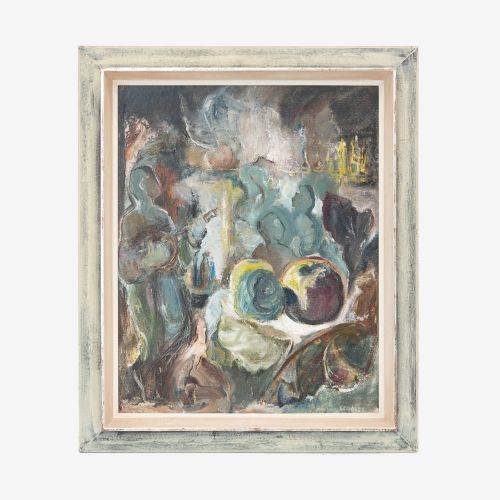
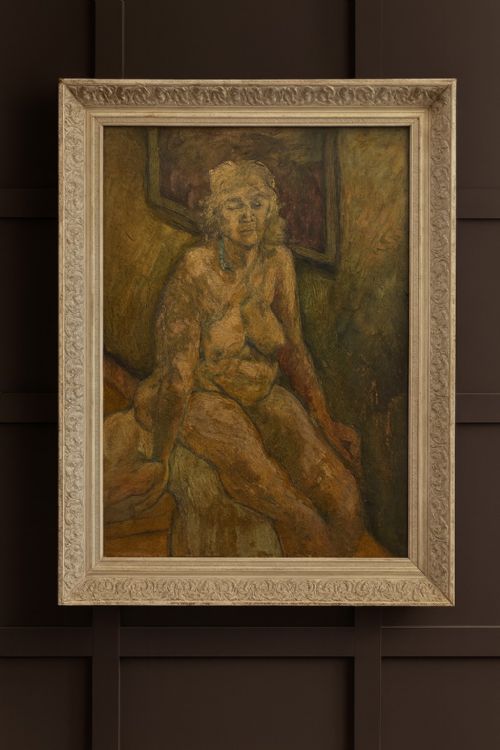
A british expressionist oil painting captures raw feeling through gestural brushwork, bringing mid-century energy directly to your walls.
British Expressionist Oil Painting
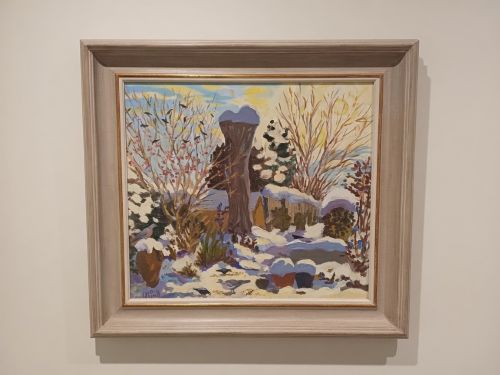
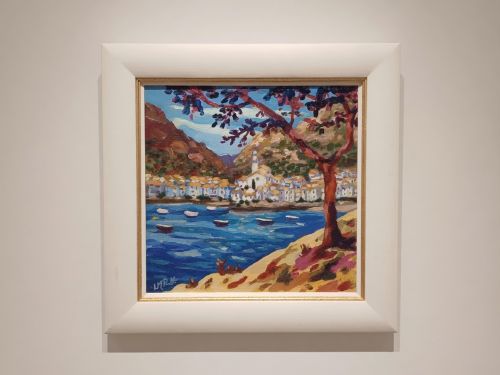
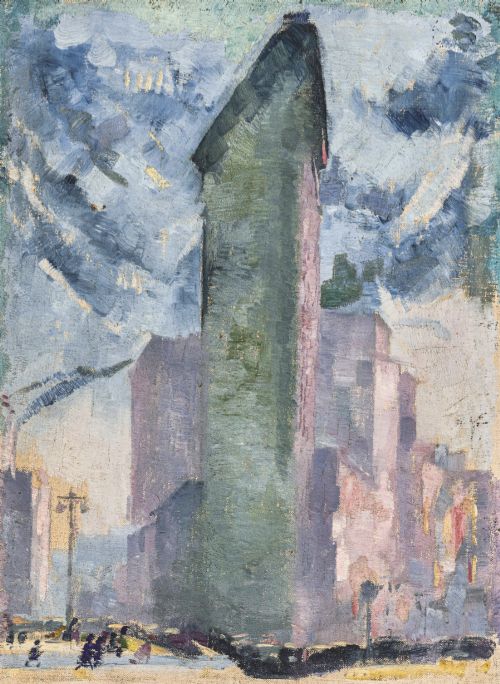
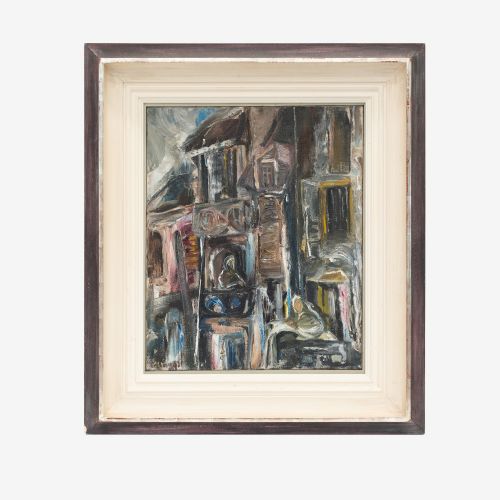
A british expressionist oil painting represents a vital strand of twentieth-century art, spanning decades from the nineteen-tens through the nineteen-sixties. You will encounter works featuring bold landscapes, figurative studies, and striking abstracts that reflect modernist developments.
The selections on this page showcase works originating from various British and Cornish contexts, often framed in wood. Artists utilised heavy pigment to convey mood rather than strict visual replication.
Mid-century modernism and post-impressionist influences dominate the selection, offering buyers tangible connections to twentieth-century British art history.
Materials and Methods
Makers applied oil paint onto traditional supports such as canvas, board, and wood using confident, textured brushstrokes. Painters built thick impasto surfaces, sometimes laying canvas directly onto board to achieve structural rigidity.
Finished works were typically housed within contemporary wood frames that complemented the vigorous application of pigment. The combination of oil and supportive wooden elements ensured lasting stability for these expressive compositions.
Some birds engaged in a cock fight share space here with quiet Cornish churchyards and seated nudes.
Judging Quality
Quality rests upon the confidence of the brushwork and the clarity of the artist's vision. Stronger examples demonstrate a masterful handling of pigment that creates genuine spatial depth and emotional resonance.
The integrity of the painted surface and the harmony between the artwork and its original frame elevate certain pieces above others. Compositional balance within abstract and figurative subjects determines the enduring appeal of each work.
Lucy Pratt·Alfred Wolmark·Lilian Colbourn·Joan Gillchrest·Tony Giles·Hazel M Barnett·William McCance·Raymond Arthur Roadnight·Lillian M Harrison·Bernard Meninsky·William Ernst Burwell
The British Expressionist Oil Painting Glossary
- Impasto
- Paint applied thickly to a canvas or board, standing out in relief from the plane. This technique gives the surface a tactile, sculptural quality.
- Canvas
- A closely woven fabric used as a support surface for oil painting. It is typically stretched across a wooden frame before application.
- Board
- A rigid flat panel utilised as an alternative to stretched fabric. Artists frequently painted oils directly onto this sturdy material.
- Post-Impressionism
- An art movement extending beyond impressionist methods to emphasise symbolic content and heavier form. It laid crucial groundwork for twentieth-century expressionism.
British Expressionist Oil Painting: Frequently Asked Questions
What defines expressionist oil painting?
Expressionist works prioritise emotional experience over physical reality, using distorted forms and vigorous brushwork to convey inner states.
Artists working in this mode focused on subjective responses to landscapes, figures, and urban scenes.
How do I care for these paintings?
Keep paintings away from direct sunlight and fluctuating humidity to protect the oil pigment and wooden supports.
Dust the surface gently with a dry, soft cloth and avoid chemical cleaning agents entirely.
Are these works framed?
Many mid-century pieces retain their original wood frames, which were chosen by the artists or contemporary galleries to complement the composition.
Framing style often helps indicate the period and origin of the artwork.
Where were these artists active?
The creators represented here worked across Britain, with notable concentrations in artistic hubs like Cornwall and London.
Regional landscapes and urban environments heavily influenced their distinct mid-century styles.