


British Equestrian Artwork
British equestrian artwork captures the enduring bond between horses, riders and the rural landscape through centuries of painting and printmaking.
British Equestrian Artwork
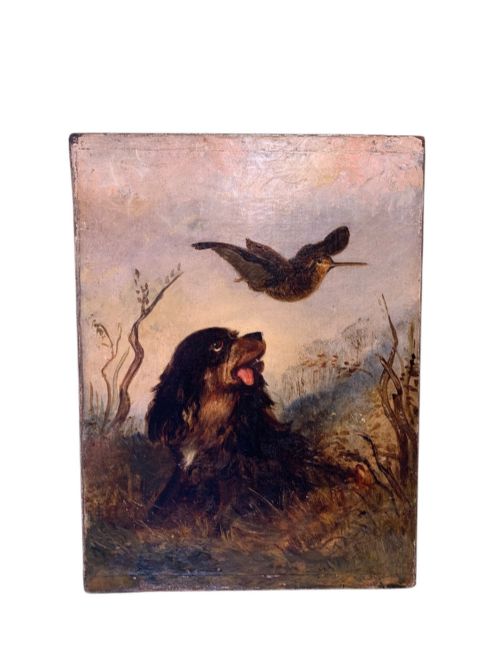
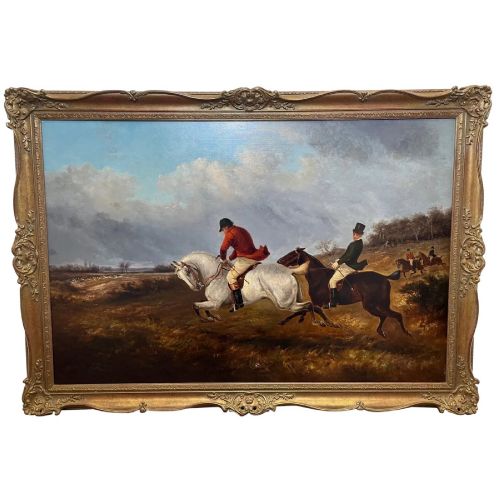
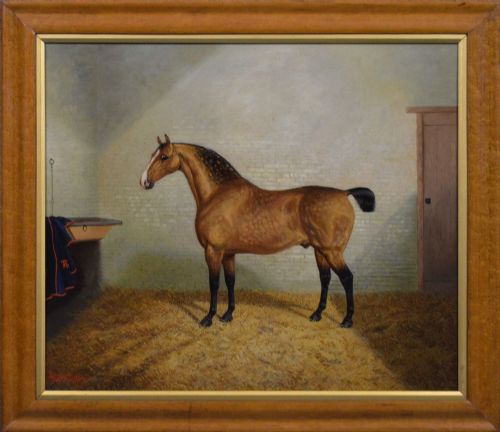
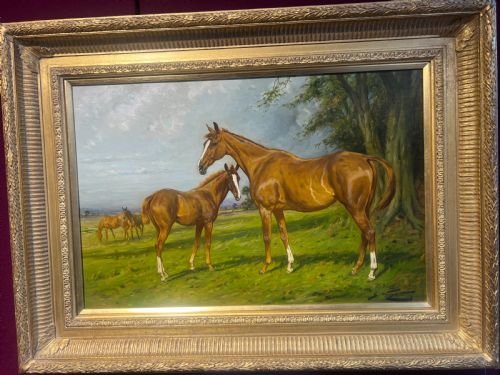
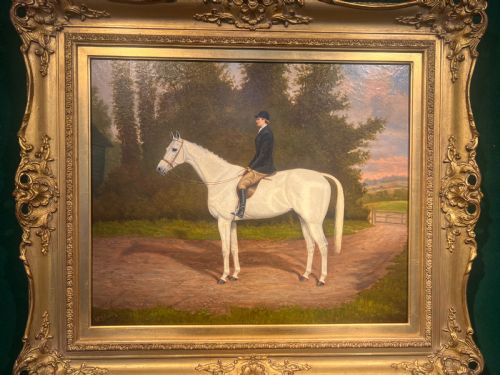
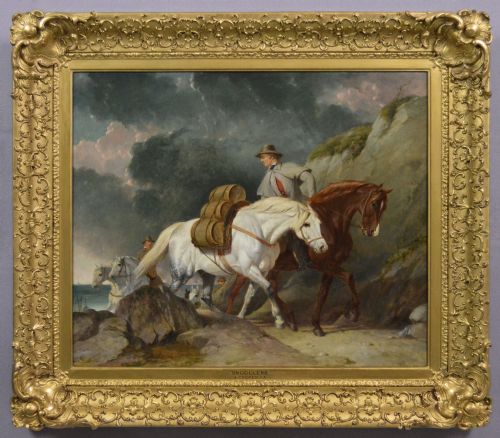
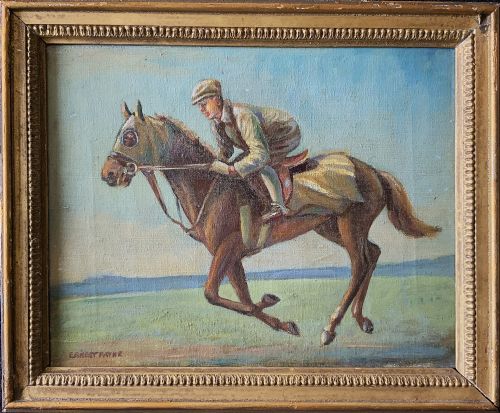
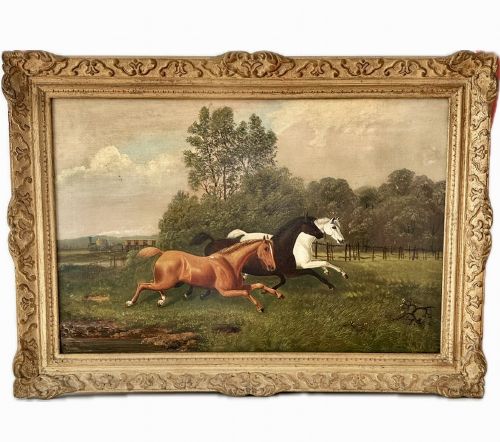
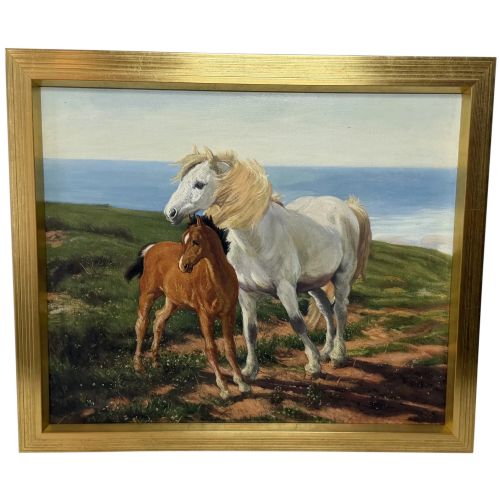
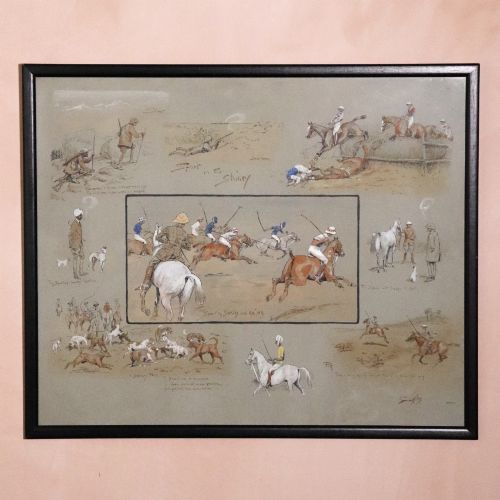
When you search for british equestrian artwork, you encounter a specialised tradition documenting equine subjects, fox hunting scenes and rural landscapes. The pieces range from nineteenth-century oil portraits of individual hunters to mid-century pastels and watercolours depicting racing and ponies.
The nineteenth-century examples often present detailed portraits of named horses or dramatic hunting narratives by established sporting artists. Later twentieth-century works shift towards freer interpretations in gouache, chalk and pastel, capturing motion and form in different rural contexts.
Distinctions in Quality
The standard of british equestrian artwork rests upon anatomical accuracy, the handling of light across the horse's musculature, and the fidelity of the surrounding landscape. Skilled painters capture the individual temperament and conformation of the animal rather than relying on generic formulae.
Condition and preservation of the original medium, whether oil on canvas or delicate pastel on paper, also influence the piece. Works retaining their period frames and clear artist signatures or attributions hold distinct visual authority.
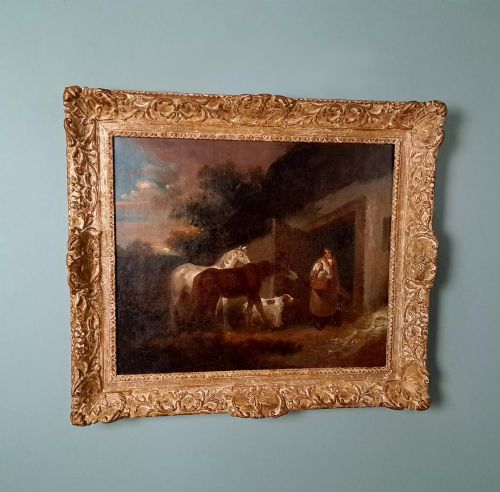
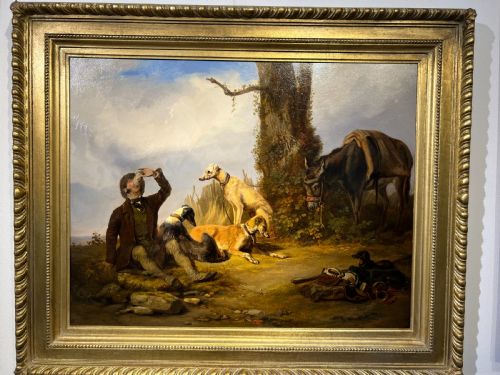
Several canvases capture horses sharing stable yards with curious domestic dogs and watchful poultry.
Henry Barraud·William Joseph Shayer Senior·Thomas Smythe·Albert Clark·Sir Edwin Henry Landseer·George Wright·William Albert Clarke·Abraham Cooper·C. H. Weigall·Ernest Payne·Edward Priestley·Vernon DeBeauvoir Ward·Philip Rideout·Dame Laura Knight·John Ferneley Senior·Herbert Dicksee·John Rattenbury Skeaping·Cecil Charles Windsor Aldin·Charles Walter Simpson·Harry Freckleton·John Arthur Lomax·Hazel M. Barnett·John Sanderson Wells·Philip Henry Rideout·John Augustus Atkinson
The British Equestrian Artwork Glossary
- Etching
- A printmaking technique where lines are bitten into a metal plate with acid before being inked and pressed onto paper. This method allows for fine, expressive detail in rural and animal scenes.
- Lithograph
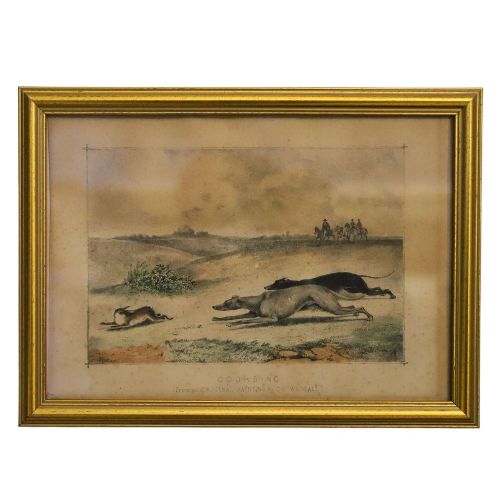
- A planographic printing process based on the repulsion of oil and water, used extensively for reproducing sporting scenes and field sports. It preserves the tonal nuances of the original drawing.
- Gouache
- An opaque water-based paint that dries to a matte finish, often combined with watercolour in mid-century works. It provides solid blocks of colour and strong highlights.
- Conformation
- The physical build and anatomical structure of a horse as rendered by the artist. Accurate depiction of bone structure and muscle is a hallmark of skilled equine portraiture.
- Sporting Art
- A genre dedicated to depicting rural sports, hunting, racing and animals in their environment. It forms the core context for historical horse paintings and prints.
British Equestrian Artwork: Frequently Asked Questions
What subjects do these pieces show?
The works depict horses in various settings, ranging from formal portraits of named hunters to dynamic hunting scenes, racing moments and rural landscapes. Artists also recorded everyday rural life, cavalry subjects and pony studies.
Subjects span different eras, reflecting changing tastes in how artists observed equine anatomy and the British countryside.
How were these artworks displayed?
Historically, these paintings and prints hung in country houses, estate offices and rural residences to celebrate prized animals and sporting achievements. They were chosen to complement traditional interior architecture.
Original framing in gilt wood or dark wood helped anchor the artwork within wood-panelled or drawing-room walls.
How do I date an equestrian painting?
Dating relies on stylistic clues, artist signatures, framing materials and the clothing or tack visible in the composition. Nineteenth-century works often favour polished oil portraits, while mid-century pieces lean towards looser pastels and gouache.
Examining the back of the canvas or paper backing frequently reveals historic labels, exhibition notes or inscriptions.
Are prints considered original artwork?
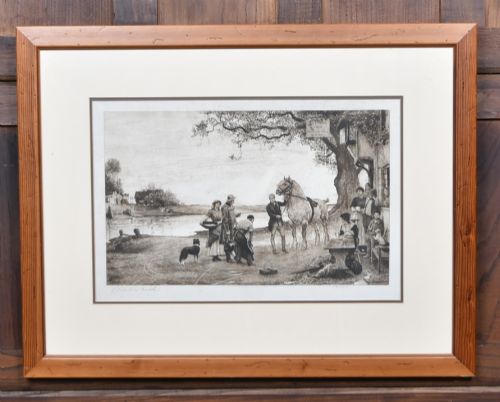
Period prints and etchings produced by listed artists are recognised as authentic works of their medium rather than modern reproductions. Hand-signed etchings and lithographs carry distinct collector interest.
These printed works offer insight into the broader dissemination of sporting art during the nineteenth and early twentieth centuries.