


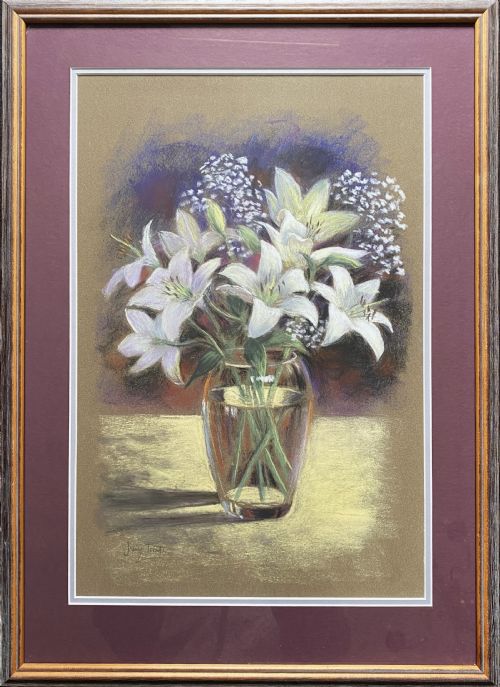


British Artist Drawing
A british artist drawing offers direct insight into the hand and eye of creators from the nineteenth century onward through works on paper.
British Artist Drawing
A british artist drawing captures subjects ranging from intimate portraits and bustling street scenes to delicate botanical studies across various historical periods. The works on paper span Victorian beginnings through Edwardian periods and into mid-century modern interpretations.
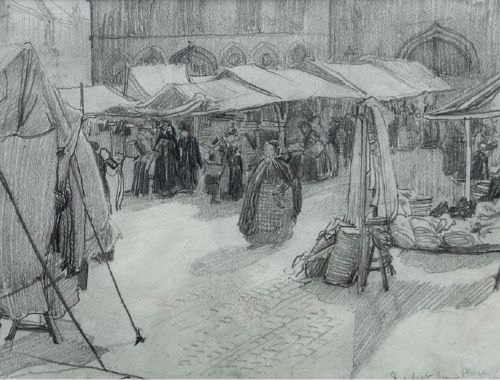
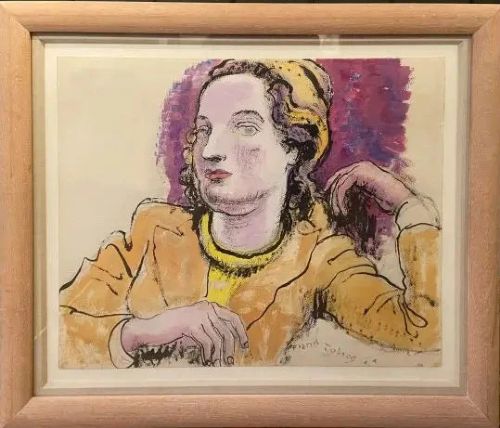
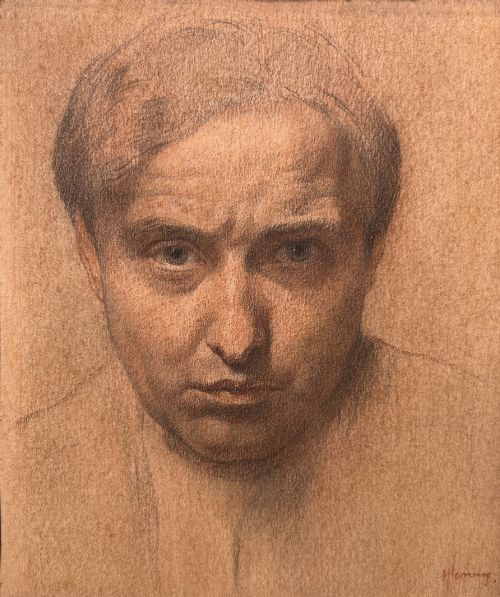
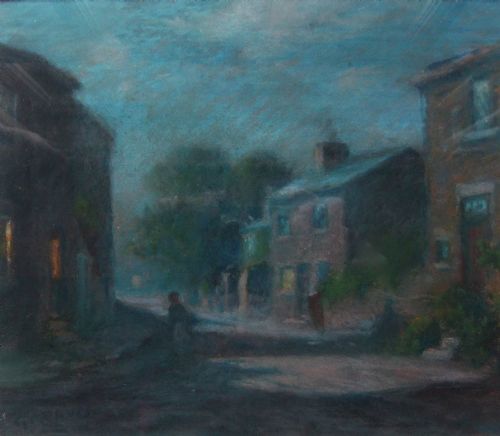
Framed artwork and original drawings appear frequently in mediums such as graphite, charcoal, and pastel. Collectors encounter finished townscapes and rapid compositional sketches created by named practitioners.
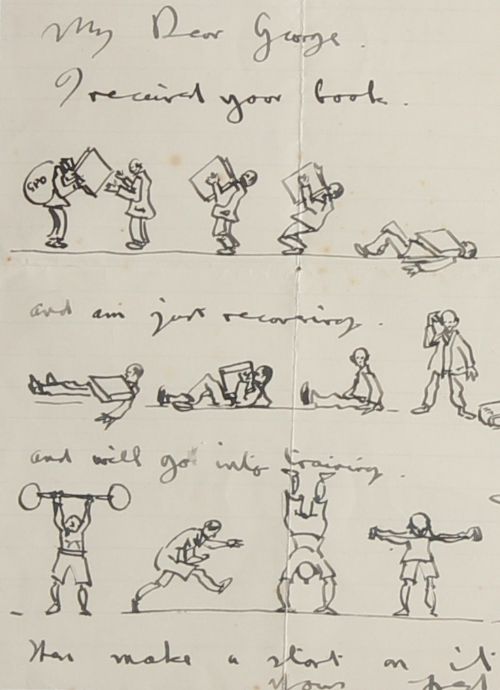
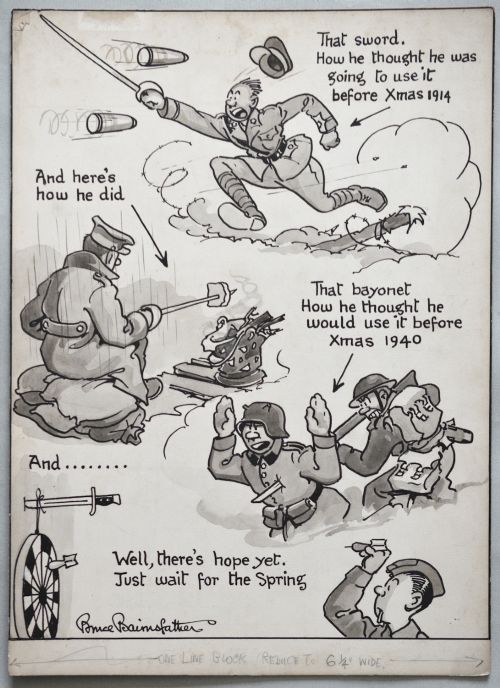
The selection ranges from early twentieth century satirical illustrations to impressionistic watercolours and detailed biographical portraits. Each piece records a distinct moment of observation by a British hand.
Materials and Technique
Works on paper rely fundamentally upon supports like paper housed under glass within wood frames. Artists applied dry mediums such as graphite, charcoal, and pastel alongside fluid applications of ink and watercolour.
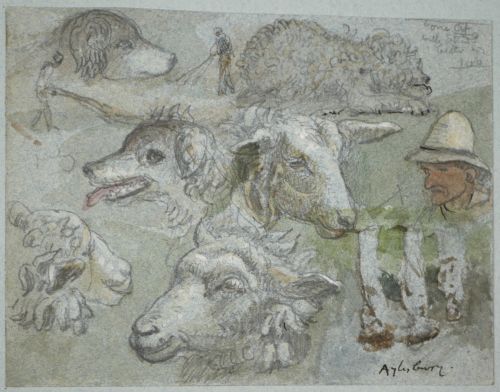
Techniques combine precise pencil lines with washes of colour or bold strokes of coloured chalk to establish form and mood. The interaction between pigment and paper surface defines the tactile quality of each sheet.
Materials span traditional supports of wood-framed paper combined with charcoal, ink, glass, and watercolour.
Quality and Execution
The distinction between works rests upon the surety of the line and the economy of the marks made on the paper. Finished compositional studies demonstrate a higher degree of tonal control than rapid preparatory jottings.
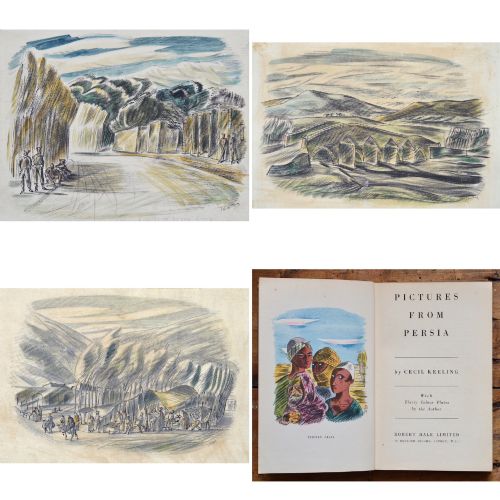
Provenance and documented association with published books or known exhibitions elevate specific examples. The preservation of the paper and the stability of fragile mediums like pastel dictate the longevity of the visual impact.
Fred Lawson·Cecil Keeling·Henry Percy Huggill·James Smetham·Bruce Bairnsfather·Frank Dobson·Herbert Johnson Harvey·William Greaves·William Manners·John Hobson Nicholson·John Merrifield·Dame Laura Knight·Jennifer Toombs·Aubrey Sykes·John Macallan Swan·Henry Bird·Ernest Borough Johnson·Francis Dodd·Alexander Melville·Juliet Pannett
The British Artist Drawing Glossary
- Graphite
- A form of carbon used in pencils to produce grey or black lines of varying hardness. Artists utilise it for precise preliminary outlines and fully rendered tonal portraits.
- Pastel
- A dry painting medium consisting of powdered pigment and a binder rolled into sticks. It creates velvety blocks of colour that require protection beneath glass.
- Watercolour
- Pigment suspended in a water-soluble vehicle applied in transparent washes to paper. It allows artists to build luminous layers of tone quickly.
- Works on paper
- A broad category encompassing drawings, watercolours, and prints executed on various paper supports. This term groups delicate mediums that share similar conservation needs.
- Charcoal
- Burnished wood used to create deep black marks with loose, expressive capabilities. It suits rapid gesture drawing and dramatic shadow placement.
British Artist Drawing: Frequently Asked Questions
What defines a british artist drawing?
A british artist drawing is an original work executed on paper using mediums such as graphite, ink, pastel, or watercolour by creators working within British traditions.
These pieces range from quick preliminary sketches to finished portraits and topographical views spanning multiple historical eras.
How should these drawings be displayed?
Works on paper require framing behind glass to protect the delicate surfaces from atmospheric moisture and physical damage.
Positioning them away from direct sunlight prevents the fading of watercolours, inks, and pastels over time.
Are these works signed by the artists?
Many examples feature signatures, monograms, or inscriptions left by the creator, while others remain attributed through stylistic evidence or historical documentation.
Typed letters, biographical notes, and exhibition labels sometimes accompany signed sheets to provide additional context.
What periods do these drawings represent?
The pieces span from the nineteenth century through the Edwardian era and into the mid-twentieth century, capturing shifts in artistic style.
Styles represented include Victorian realism, early twentieth century British modernism, and mid-century illustration.