

British Furniture
British antique furniture brings centuries of craftsmanship into a room, offering enduring utility and historic character through time-tested timber and metal forms.
British Furniture
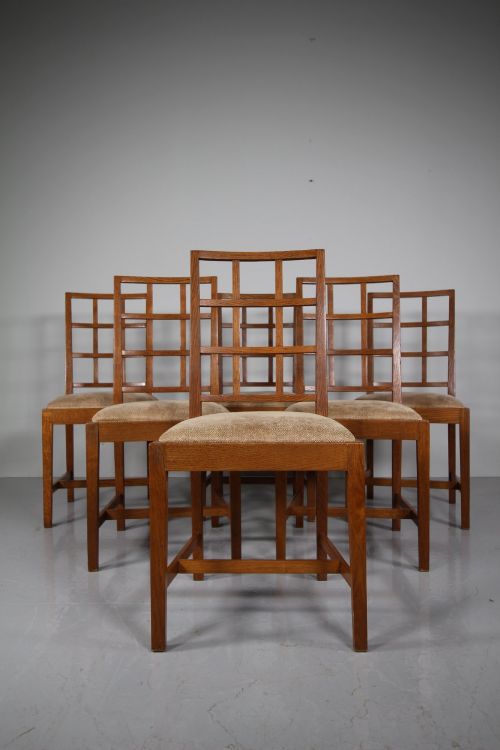
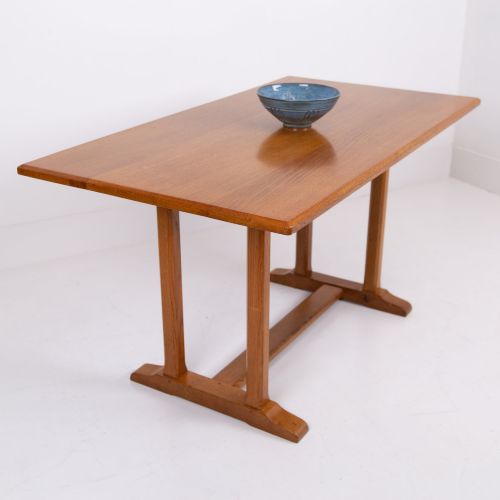
British antique furniture comprises practical domestic and campaign pieces spanning the Georgian, Victorian, and Edwardian eras into the Art Deco period. Buyers encounter utilitarian storage, seating, and tables constructed for British homes, offices, and colonial outposts.
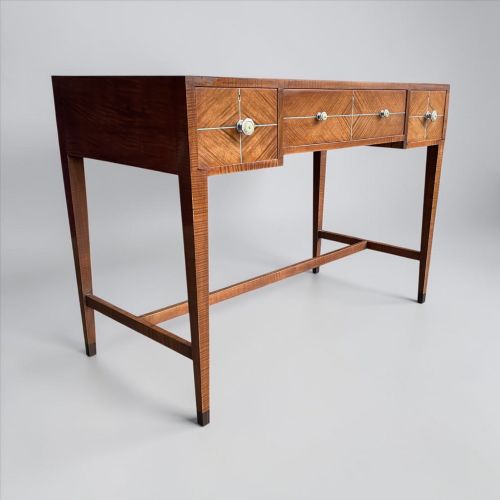
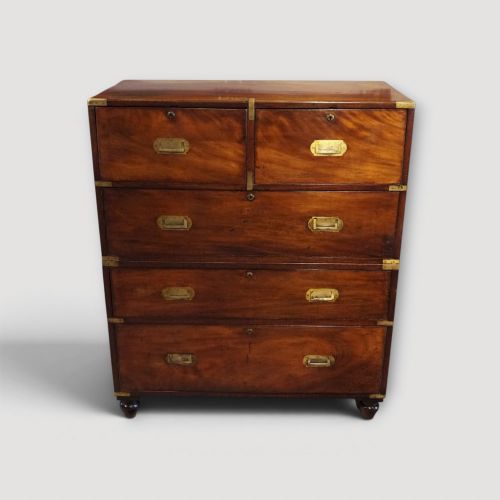
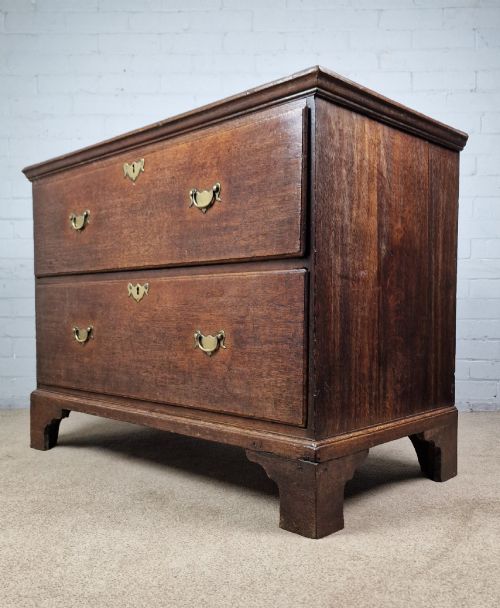
The selection ranges from early oak chests of drawers and mahogany dumbwaiters to teak military campaign chests and walnut Art Deco desks. These items reflect the shifting domestic priorities and global reach of British design across multiple centuries.
Pieces frequently utilise robust native timbers alongside exotic imported woods such as padauk, camphorwood, and rosewood. Form follows function closely, whether in a modular campaign cabinet or a sturdy cast iron pub table.
How they were made
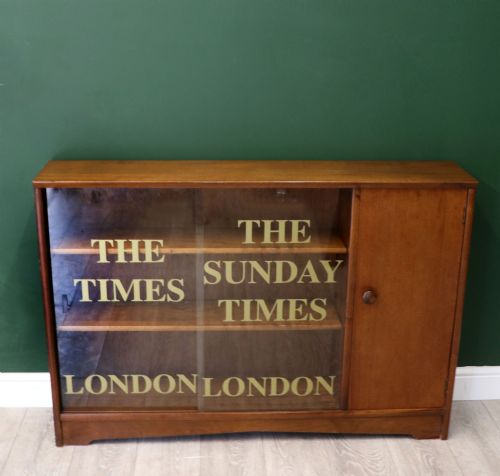
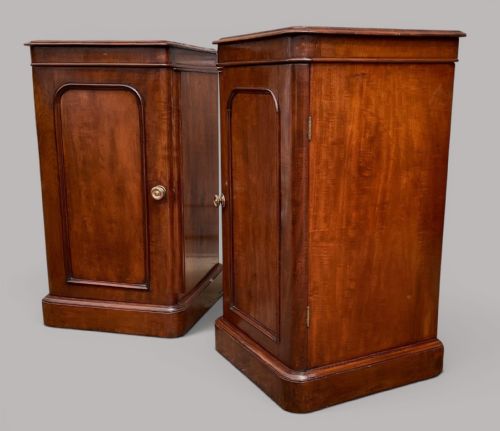
Construction relies heavily on solid hardwoods like oak, mahogany, teak, and walnut, frequently joined with traditional cabinetry methods designed for longevity. Veneers appear on later pieces, supported by secondary timbers and detailed with hand sign-writing or brass fittings.
Metal components such as brass bound corners, strapwork, and cast iron bases provide structural reinforcement, particularly on campaign and pub furniture intended for travel or heavy public use. Leather surfaces and glass panels integrate into desks and bookcases where utility demands.
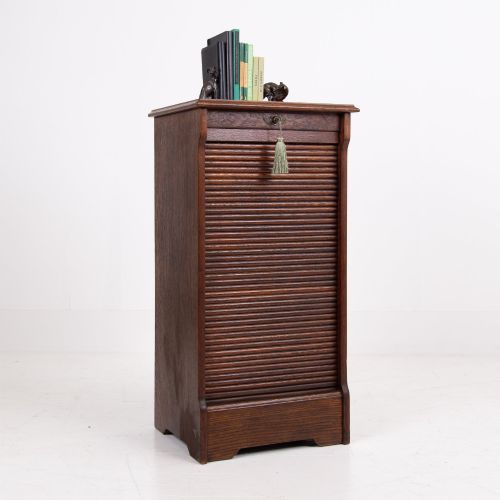
Surface finishes range from polished rosewood and satinwood to limed oak and natural teak oils. Makers utilised hand tools and specialised joinery to create tambour doors, interlocking sectional chests, and adjustable chair mechanisms.
British Furniture Retail Price Guide 2026
Typical asking prices for british furniture among the pieces listed under this phrase on Sellingantiques today, from the lower quarter to the upper quarter. They describe what is for sale here now, not the wider market.
Listings feature British antique furniture spanning the eighteenth, nineteenth, and twentieth centuries, utilising oak, teak, mahogany, and walnut.
What varies in quality
Quality rests in the integrity of the primary timbers, the precision of the joinery, and the originality of the hardware such as brass corners, locks, and handles. Pieces retaining their original surfaces and structural fasteners hold greater integrity than heavily altered examples.
The sophistication of the design and the reputation of the workshop or maker distinguish standard utilitarian items from exceptional commissions. Maker attribution, through stamps or documented provenance, elevates the standing of a piece within its period.
Functional complexity also dictates distinction, such as the intricate internal configuration of a secretaire drawer or the smooth operation of campaign stacking mechanisms and tambour doors.
Heals of London·Army and Navy Stores·Holland and Sons·Bath Cabinet Makers·Betty Joel·Maurice Adams·Harry and Lou Epstein·Hamptons of Pall Mall London·J. Herbert McNair
The British Furniture Glossary
- Campaign chest
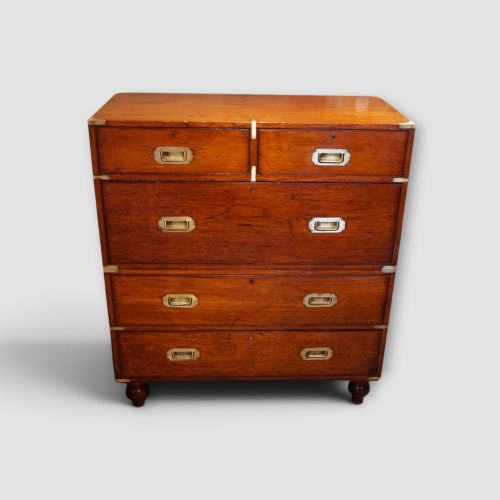
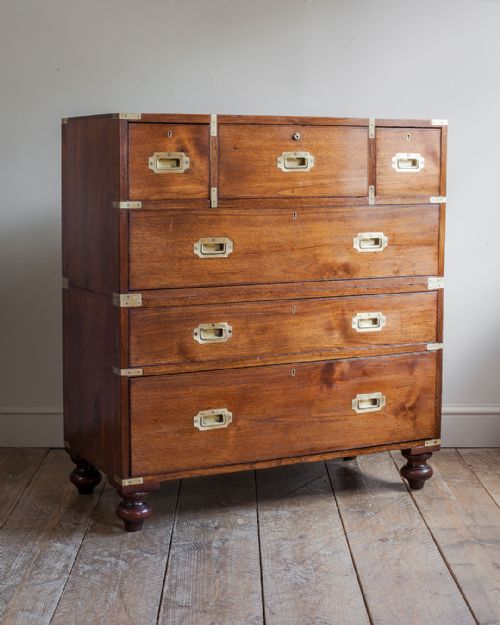
- A modular storage cabinet built in two or more sections with recessed brass hardware, designed for easy dismantling and transport by military officers. These pieces prioritize durability and portability.
- Tambour
- A flexible surface constructed from narrow strips of wood glued to a canvas backing, allowing doors to slide smoothly around a curved cabinet track. This technique saves space in compact desks and cupboards.
- Padauk
- A dense, reddish-brown tropical hardwood imported from India and used extensively in British colonial and Anglo-Indian furniture. It resists moisture and insect damage effectively.
- Secretaire
- A cabinet or chest featuring a pull-down writing drawer fitted with small interior compartments and pigeonholes. It combines storage with a functional desk space.
- Dumbwaiter
- A multi-tiered freestanding serving table, typically rotating or graduated in size, used in Georgian dining rooms to hold dishes and utensils without servant intervention.
British Furniture: Frequently Asked Questions
What is Art Deco furniture made from?
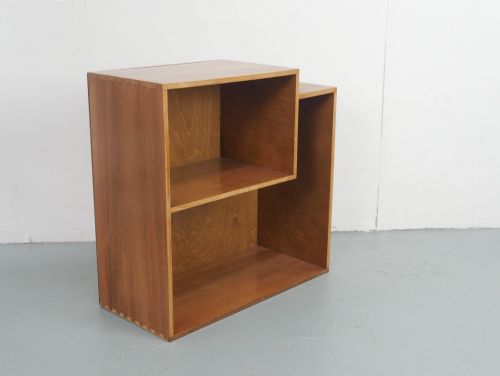
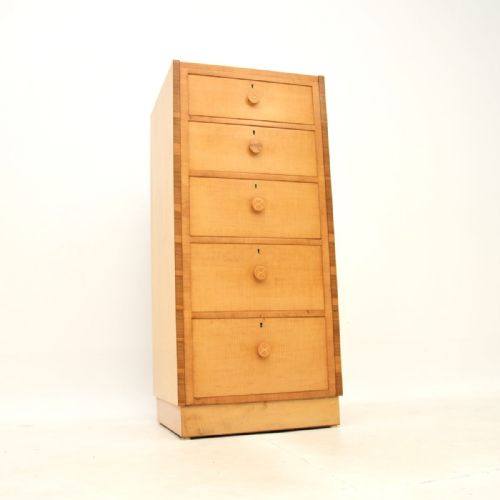
Art Deco pieces from this era frequently utilise walnut, limed oak, and exotic veneers shaped into geometric, streamlined forms. Cabinet makers paired these timbers with glass, contrasting inlays, and specialised metal hardware.
Workshops focused on modern domestic efficiency, producing stacking bookcases, streamlined desks, and matching bedroom suites. The surfaces emphasise clean grain patterns rather than heavy carving.
How do I care for antique mahogany and walnut?
Protect antique hardwood surfaces by keeping them away from direct sunlight and maintaining stable room humidity to prevent timber splitting. Regular dusting with a dry, soft cloth preserves the polish without chemical buildup.
Avoid silicone-based polishes, opting instead for traditional beeswax applied sparingly when the wood appears dry. Gentle handling of moving parts, drawers, and drop-front desks ensures the joinery remains intact.
What defines Georgian furniture style?
Georgian design spans the eighteenth century, emphasising proportion, classical restraint, and the predominant use of solid mahogany and oak. Pieces range from formal dining furniture to utilitarian storage chests and dumbwaiters.
The style relies on architectural symmetry, understated carving, and robust joinery rather than ostentatious ornamentation. Over the period, forms shifted from heavy walnut to lighter, more refined mahogany structures.