

British 18th Century Portrait
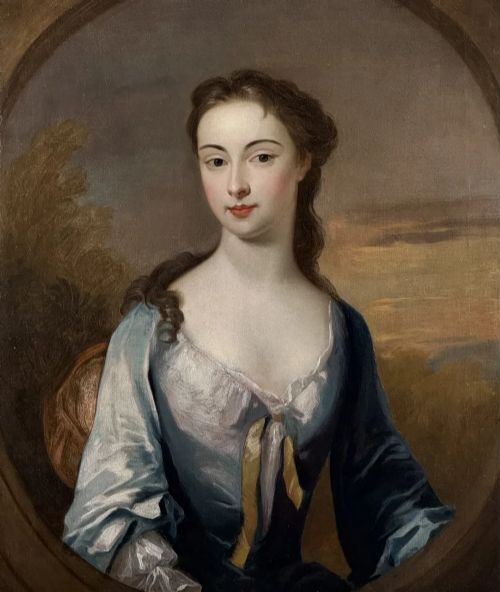
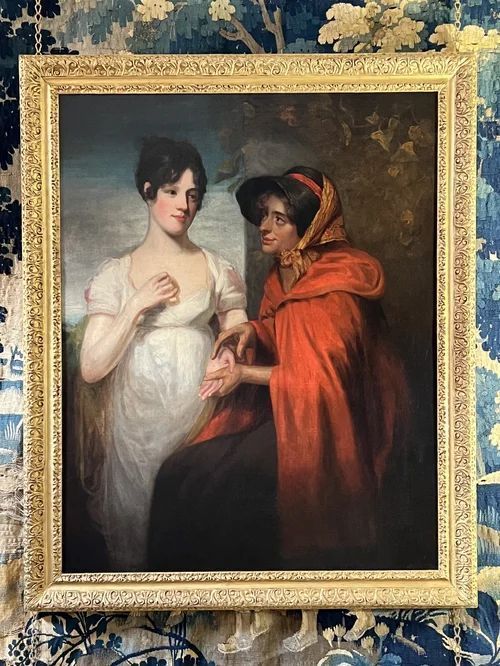
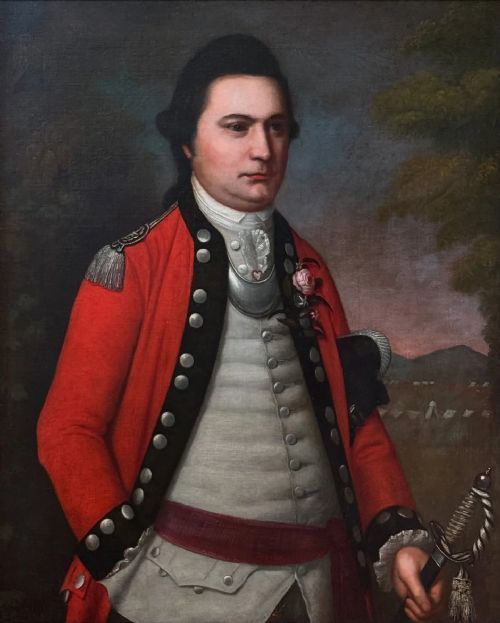
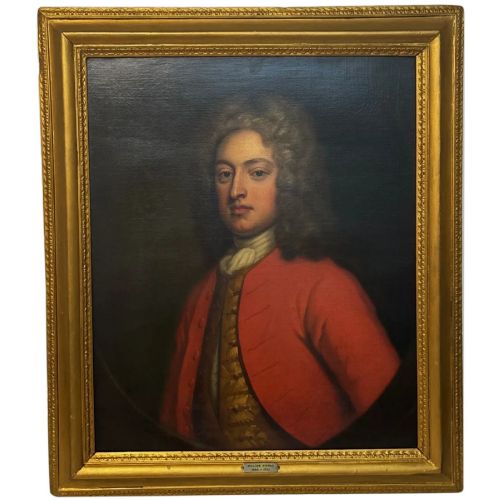
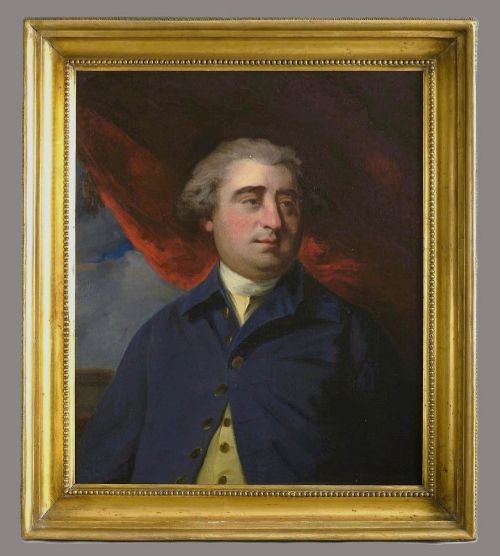
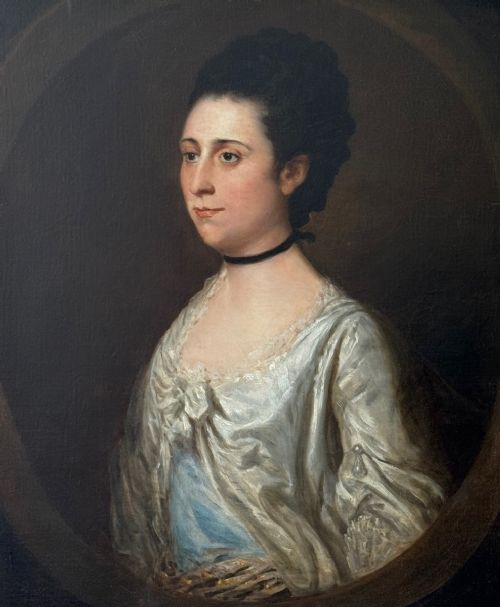
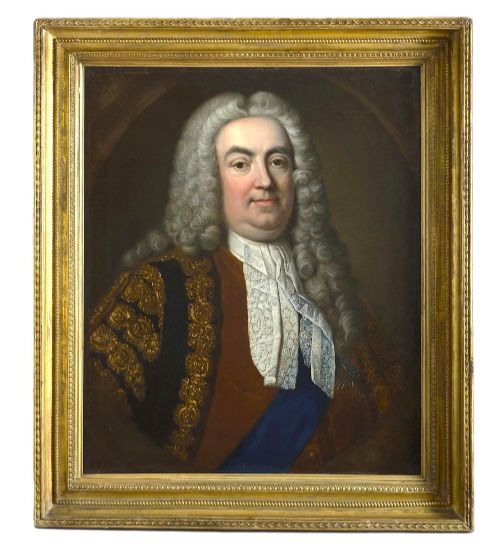
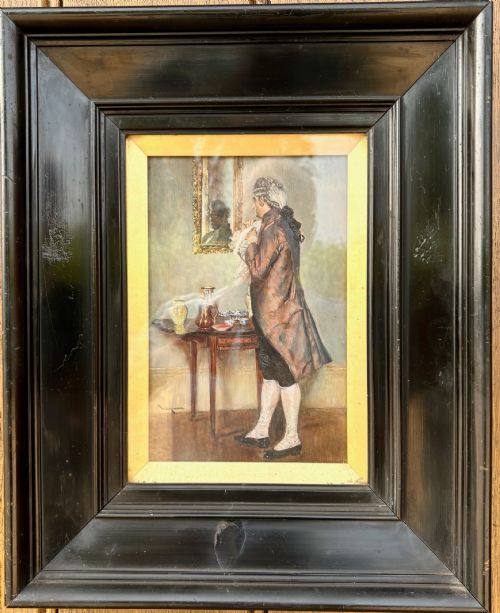
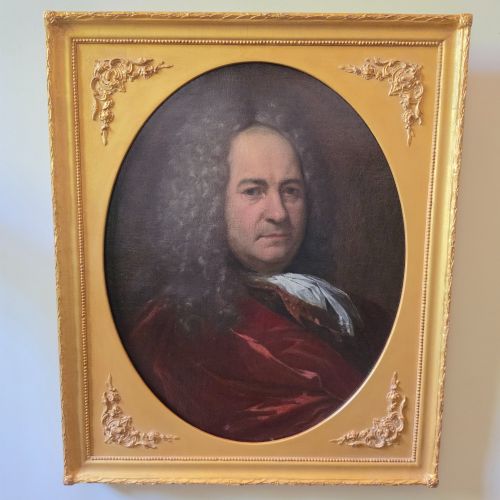
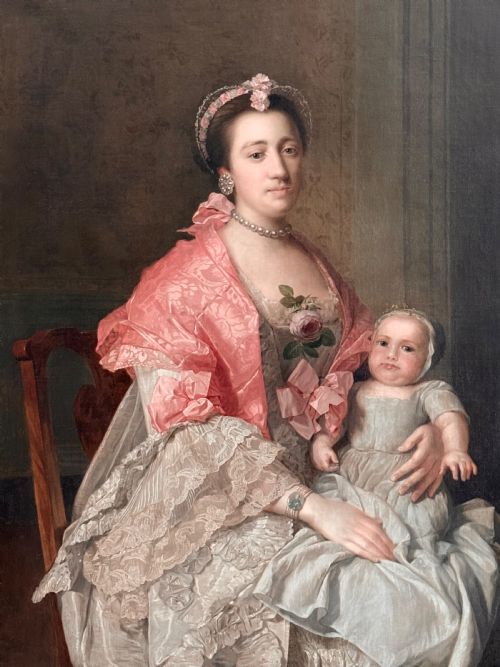
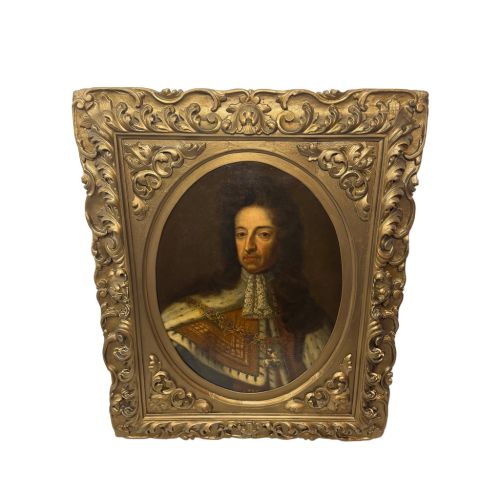
A british 18th century portrait brings the presence of statesmen, officers, and gentlefolk into a room through oil, canvas, and giltwood.
British 18th Century Portrait
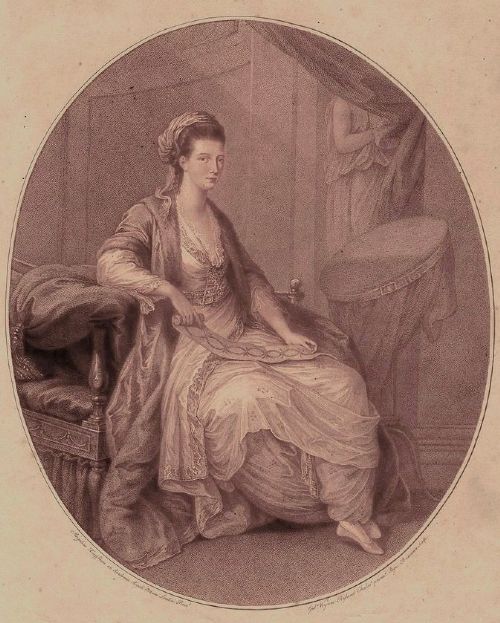
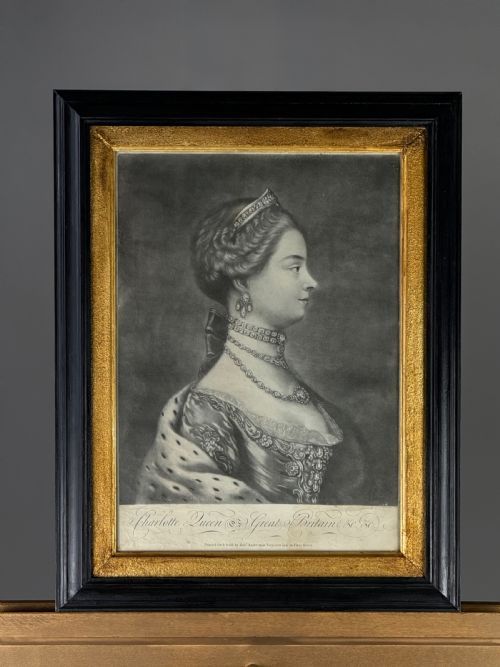
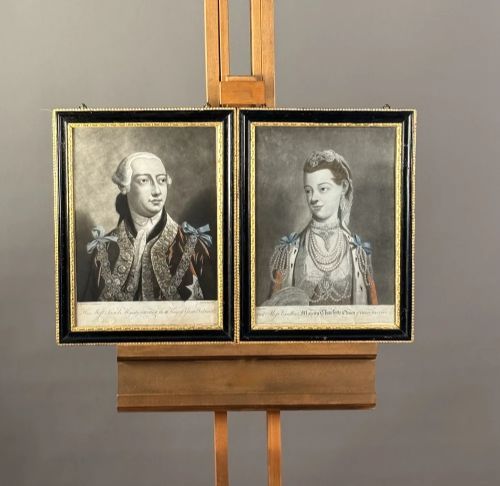
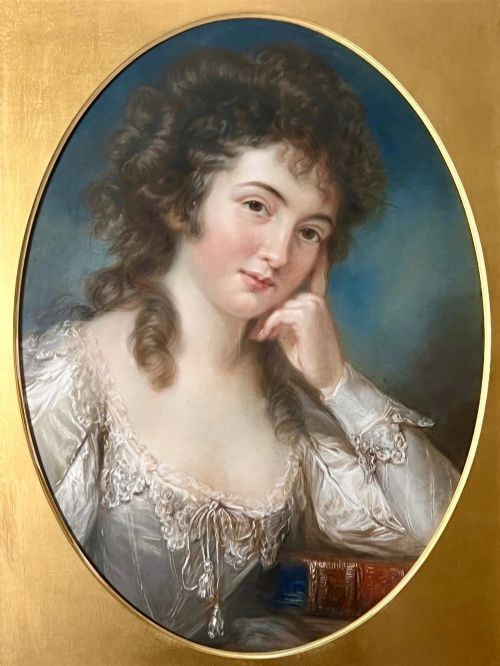
A british 18th century portrait captures the likeness of historical figures, military officers, nobility, and private citizens through painted and engraved mediums. These works reflect the social standing, fashion, and artistic tastes of the Georgian era and surrounding periods.
The selections on this page predominantly feature oil paintings on canvas alongside portrait miniatures, engravings, and mezzotints. Collectors encounter works produced by named academic artists, studio circles, and anonymous regional British schools.
Subjects range from formal half-length depictions of politicians and clergy to intimate studies of children, officers, and family groups. Many retain their original frames, offering a complete historical object from the seventeen and eighteen hundreds.
How They Were Made
Painters built up their subjects using oil paint on stretched canvas, wooden panels, or vellum, often beginning with preparatory sketches before applying rich pigments and glazes. Portrait miniatures utilised specialised surfaces like ivory, agate, or paper housed within protective frames.
Printmakers reproduced successful painted likenesses through copperplate engraving and mezzotint techniques, allowing multiple impressions to circulate. Artisans then housed these works in timber frames, frequently decorated with carved and gilded gesso.
Several sitters clutch everyday props like pipes and fruit baskets, proving that 18th-century ancestors loved a strong prop as much as modern selfie-takers.
What Varies in Quality
The execution of the subject's anatomy, facial expression, and textile rendering distinguishes accomplished studio hands from simpler folk art or provincial pieces. Mastery in handling light, shadow, and fabric texture elevates a composition.
The preservation of the original paint surface and the authenticity of the associated frame heavily influence the standing of a piece. Works retaining their early stretcher frames and untouched surfaces represent the peak of the medium.
Sir William Beechey·Charles Jervas·John Opie·James McArdell·Thomas Frye·Sir Joshua Reynolds·Thomas Beach·Jean Baptiste Van Loo·Allan Ramsay·John Russell·Michael Dahl·Thomas Hudson·Arthur William Devis·Sir Godfrey Kneller
The British 18th Century Portrait Glossary
- Mezzotint
- A printmaking process where the copper plate is roughened to achieve rich tonal gradations and dark backgrounds. This technique gained popularity for reproducing theatrical and royal portraiture.
- Giltwood
- Timber carved and coated with a thin layer of gold leaf or metallic powder. These ornate surrounds frequently complete antique paintings and mirrors.
- Miniature
- A small-scale portrait painted with fine detail on materials such as vellum, card, or copper. These portable pieces were often worn as jewellery or kept in protective travel cases.
- Studio of
- A designation indicating a work produced under the direct supervision or within the workshop of a master artist. Such pieces closely follow the master's established style and composition.
British 18th Century Portrait: Frequently Asked Questions
How do I identify an 18th-century canvas?
Examination of the canvas weave, handmade nails, and wedge keys in the wooden stretcher frame often provides clues to the age of the support. Older canvases tend to show characteristic oxidisation and stable craquelure in the oil paint layer.
Microscopic inspection of the pigments and preparation layers can further confirm the materials align with eighteenth-century workshop practices. Comparing the stretcher construction with documented period examples helps verify authenticity.
What is a portrait miniature?
A portrait miniature is a small, highly detailed painting designed for private contemplation or personal wear rather than display on a large wall. Artists executed these works using fine brushes on surfaces like vellum, ivory, or card.
Subjects included family members, military officers, and public figures who wished to carry a likeness during travel. These pieces are frequently found encased in protective leather folding cases or gold lockets.
How should I hang an oil painting?
Oil paintings on canvas require stable environmental conditions away from direct sunlight, heating vents, and damp exterior walls. Maintaining consistent room temperature prevents the canvas and wood from expanding and contracting.
Secure wall hooks rated for the weight of the framed artwork must be used with appropriate fixings. Professional picture hangers ensure the piece rests level and safe from accidental bumps.
What is the difference between an engraving and a painting?
An oil painting is a unique, hand-painted artwork created directly by applying pigment to canvas or panel. Engravings and mezzotints are printed works produced in multiples from an etched or scraped metal plate.
While paintings offer textured brushwork and deep layers of oil glaze, prints provide crisp linear detail or tonal graduation on paper. Both forms were collected during the period to display prominent historical figures.