


Bristol Delftware
Bristol delftware brings tin-glazed earthenware to the table with painted cobalt and polychrome pigments on clay bodies.
Bristol Delftware
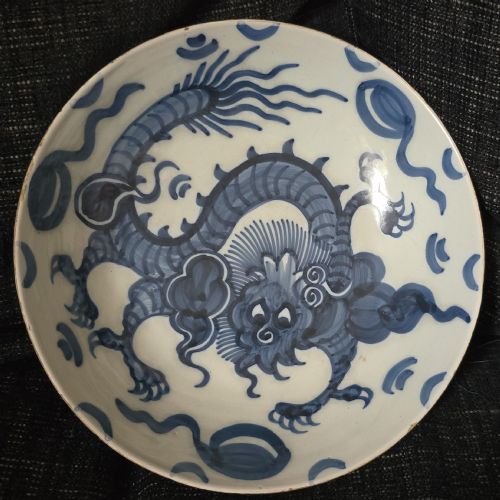
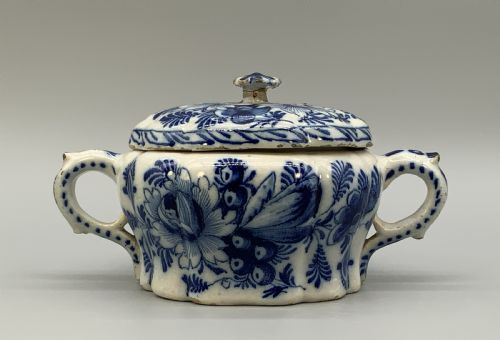
When you search for bristol delftware, you encounter tin-glazed earthenware shaped into plates, dishes, chargers, platters, and posset pots. These ceramics span the seventeenth century and the eighteenth century, including the Georgian and Queen Anne eras.
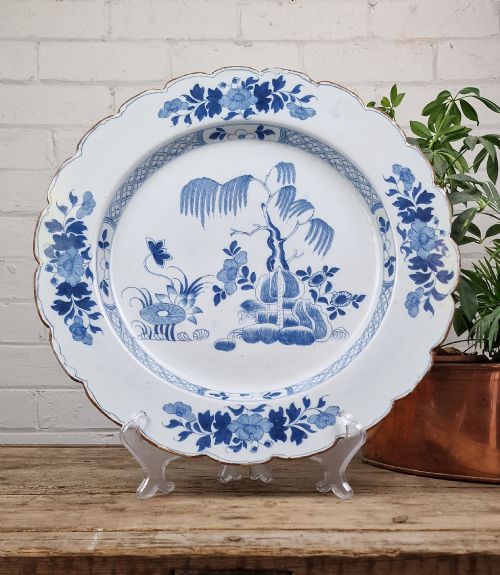
The pieces on this page include chargers, decorative plates, and dishes finished in blue and white or polychrome palettes. You are most likely to meet eighteenth-century examples alongside seventeenth-century forms.
How they were made
Potters formed objects from clay and applied a tin glaze to create a white or pale opaque surface suitable for painting. Artisans then worked pigments directly onto this absorbent glaze before firing.
Cobalt and cobalt oxide provided blue tones, while various pigments created polychrome designs ranging from floral motifs to Chinoiserie scenes.
Seventeenth-century posset pots survived centuries of hearty toasts, hot milk, and enthusiastic hospitality.
What varies in quality
The standard of bristol delftware depends upon the precision of the brushwork and the clarity of the cobalt or polychrome pigments against the tin glaze. Early pieces demonstrate distinct painting styles that set them apart from standard production.
Form dictates presence, with large chargers and posset pots offering expansive surfaces for decoration compared to smaller plates and dishes.
The Bristol Delftware Glossary
- Tin-Glazed Earthenware
- Earthenware coated with a white tin glaze that provides an opaque background for painted decoration. This material defines the entire category.
- Charger
- A large decorative plate or dish designed for display or serving. These large forms show ambitious painted scenes.
- Polychrome
- Decoration utilising multiple colours rather than a single pigment. This style appears on eighteenth-century plates and chargers.
- Cobalt
- A blue pigment used extensively under the glaze. It produces the characteristic blue and white appearance of early pottery.
Bristol Delftware: Frequently Asked Questions
What is bristol delftware?
Bristol delftware comprises tin-glazed earthenware ceramics produced in seventeenth-century and eighteenth-century styles. These items include chargers, plates, dishes, and posset pots.
Artisans painted these pieces using cobalt and polychrome pigments on a white tin glaze surface, creating lasting decorative domestic objects.
How were these pieces used?
Larger chargers and platters served primarily for display on walls or sideboards during the Georgian period. Smaller plates and dishes saw use in dining and domestic service.
Posset pots functioned as specialised vessels for serving spiced warm drinks during social gatherings.
How do I date these ceramics?
Dating relies on stylistic markers such as seventeenth-century forms versus eighteenth-century Georgian and Queen Anne designs. Blue and white floral motifs often indicate earlier periods.
Polychrome decoration and specific palette choices help assign pieces to mid-eighteenth-century production windows.
What colours appear on these pieces?
Cobalt and cobalt oxide provide the blue tones seen on blue and white floral items and chargers. Polychrome examples introduce a wider range of pigment colours.
The background remains white due to the tin glaze applied over the underlying clay body.