





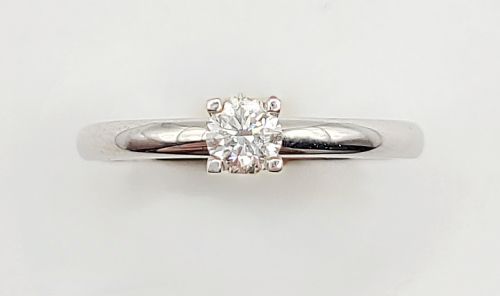
Brilliant Cut Engagement Ring
A brilliant cut engagement ring offers enduring fire, bringing together mid-century forms, platinum settings and diamond shoulders in surviving antique jewellery.
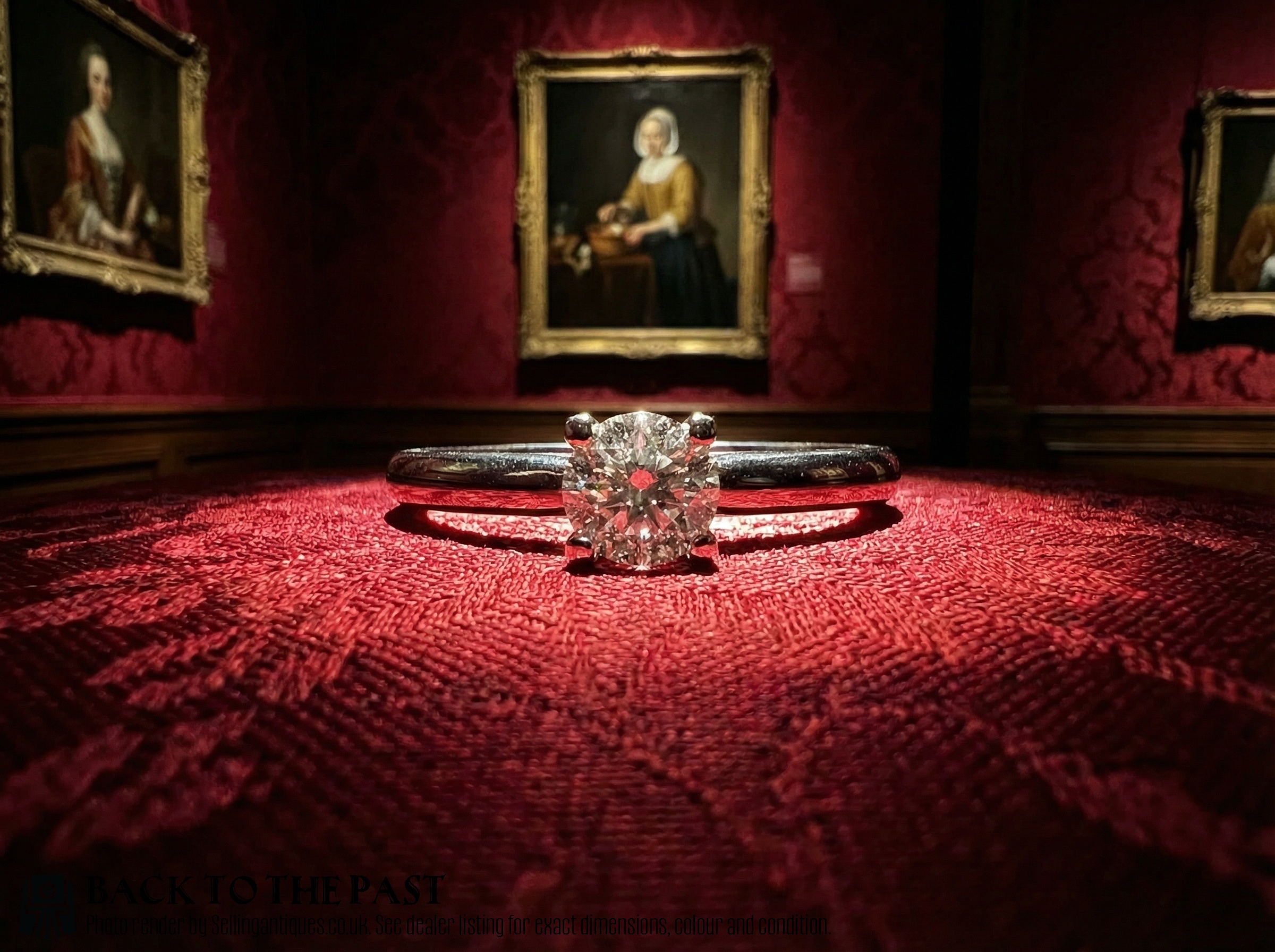
Brilliant Cut Engagement Ring
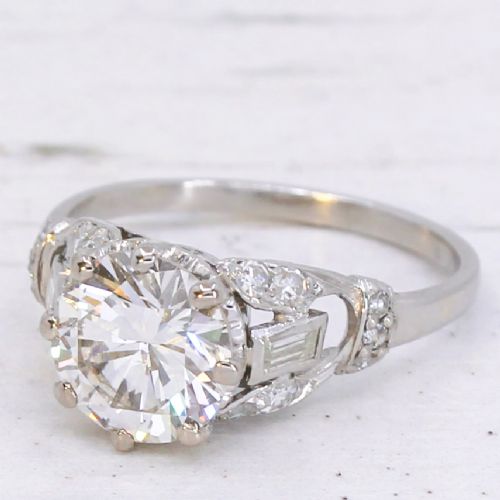
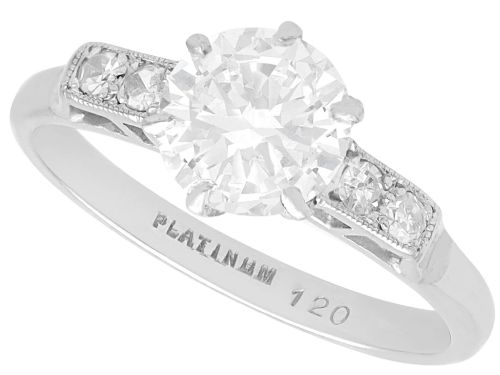
A brilliant cut engagement ring spans Edwardian, Art Deco, vintage and mid-century periods, with items appearing from the 1920s through to the 1960s and later. Buyers searching this phrase will find rings configured as solitaires, clusters, trilogy settings and ballerina designs.
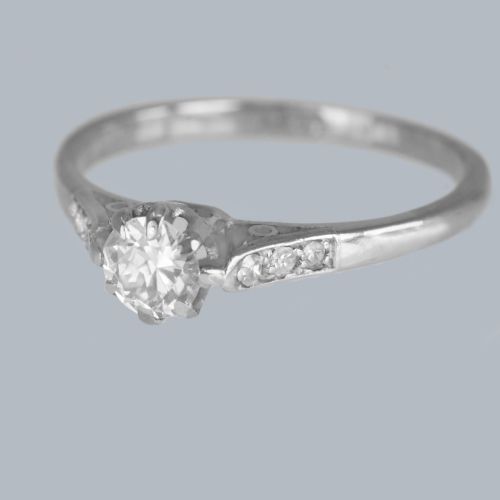
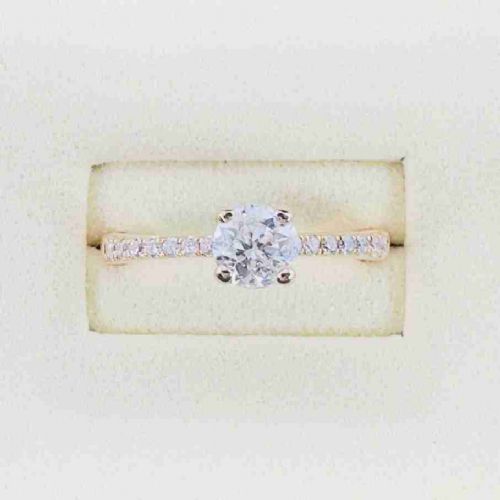
The most common version met on this page is the mid-century or vintage solitaire, often rendered in platinum or gold with diamond-set shoulders. These pieces showcase round brilliant stones secured in classic mountings designed to maximise light return.
How they were made
Makers utilised platinum alongside 18ct white, yellow and rose gold, occasionally incorporating 9ct gold bands into complex multi-metal structures. Platinum provided the strong, bright claw settings necessary to hold larger stones securely while maintaining a fine profile.
Stones are precision-faceted brilliant cuts, often paired with supporting rose cut diamonds or shoulder accents. Goldsmiths constructed these mountings by hand or through early casting methods typical of twentieth-century workshops.
Brilliant Cut Engagement Ring Retail Price Guide 2026
Typical asking prices for brilliant cut engagement ring among the pieces listed under this phrase on Sellingantiques today, from the lower quarter to the upper quarter. They describe what is for sale here now, not the wider market.
Listings span the Edwardian era, Art Deco period, 1940s, 1950s, 1960s, and later twentieth-century items.
What varies in quality
Quality rests in the harmony between the central stone's optical performance and the proportion of the metal mounting. Superior examples balance substantial carat weights with clean metalwork and secure, well-finished settings.
The sophistication of the design dictates the upper tier, seen in platinum trilogy arrangements and diamond-set shoulders that complement rather than overpower the main gem.
The Brilliant Cut Engagement Ring Glossary
- Solitaire
- A ring featuring a single diamond as the primary focal point. This traditional setting style places full emphasis on the central stone.
- Trilogy
- A ring set with three stones representing past, present and future. In these pieces, the central diamond is typically flanked by two smaller matched gems.
- Cluster
- A setting where a central diamond is surrounded by a group of smaller stones. This arrangement creates a larger overall visual impact on the finger.
- Platinum
- A dense, durable white metal used for secure stone settings. Its strength allows for very fine claws that obscure minimal diamond surface.
- Shoulder
- The upper sides of the ring band where it meets the central setting. These areas are frequently embellished with smaller diamonds or engraving.
Brilliant Cut Engagement Ring: Frequently Asked Questions
How do I identify an Art Deco ring?
Art Deco rings from the 1920s and 1930s typically utilise platinum settings with geometric lines and precise symmetry. They often incorporate millegrain edges and structured shoulder details.
These pieces reflect the architectural and artistic movements of the period, contrasting sharply with later mid-century aesthetics.
What is a trilogy engagement ring?
A trilogy engagement ring holds three stones across the top of the band, symbolising past, present and future. The central diamond is normally larger than the two side stones.
This style gained popularity across multiple decades, utilising yellow gold, white gold and platinum bands.
How do I care for a vintage ring?
Vintage rings require gentle cleaning with warm soapy water and a soft brush to remove everyday debris. Avoid harsh chemical cleaners that might affect the metal or secure stones.
Regular inspection of the claws by a professional jeweller ensures the central and shoulder diamonds remain firmly anchored in their settings.