

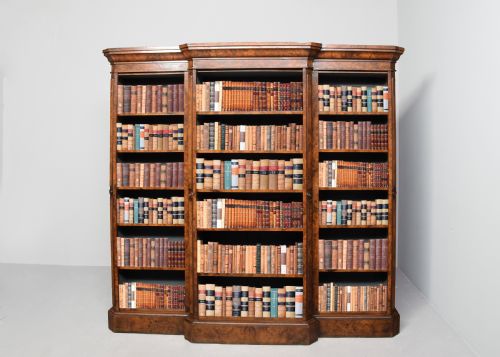
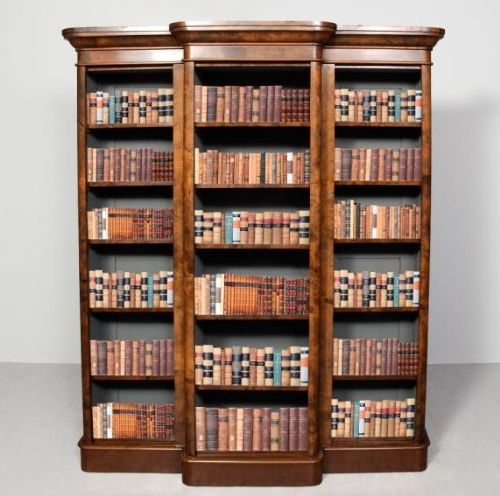


Breakfront Book Cabinet
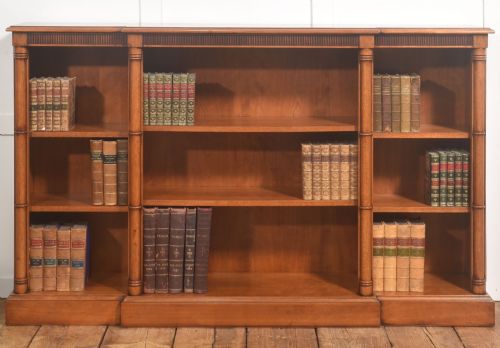
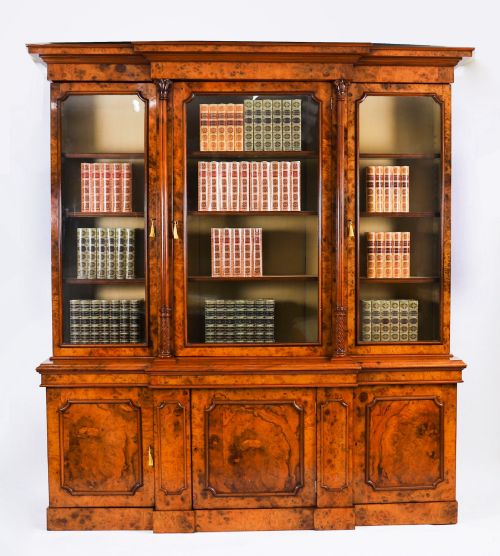
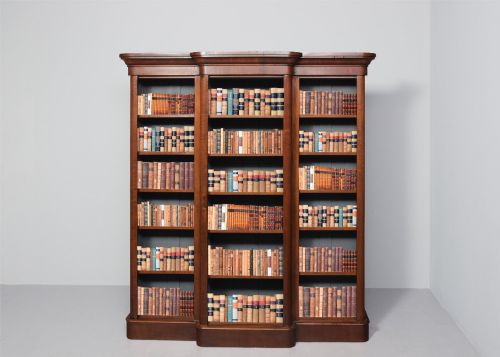
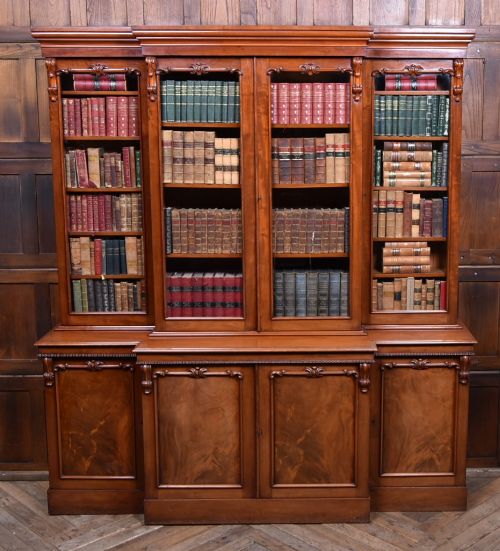
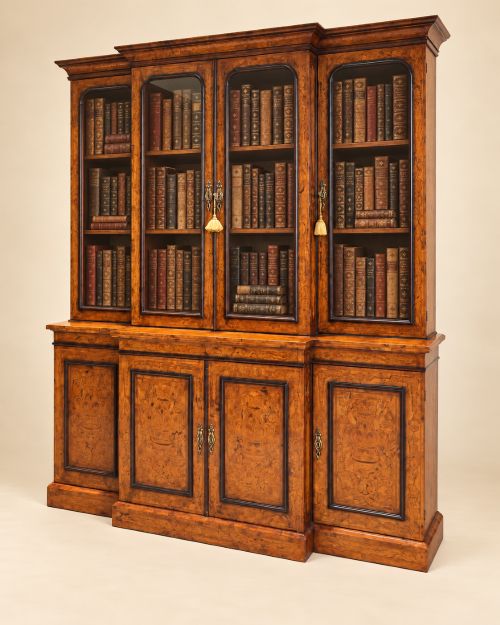
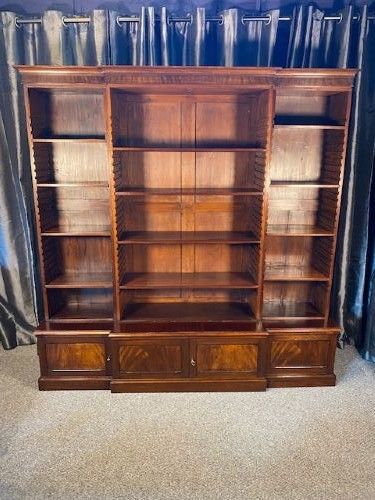
A breakfront book cabinet combines a commanding architectural presence with generous storage, projecting central sections framing extensive rows of treasured volumes.
Breakfront Book Cabinet
When you search for a breakfront book cabinet, you are looking at substantial multi-section furniture designed to anchor grand libraries and principal reception rooms. The projected central facade creates rhythmic depth, breaking up the horizontal line of long walls while offering deep internal capacity for folio volumes and display pieces. The pieces available here span substantial nineteenth-century constructions alongside lighter Edwardian adaptations.
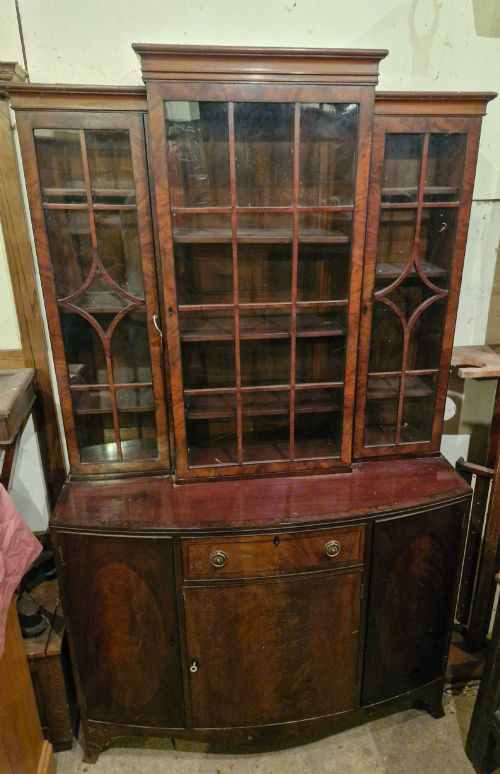
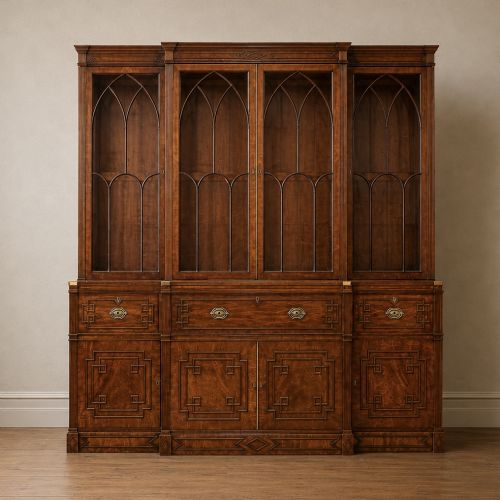
You will encounter pieces originating from the Regency, Victorian, and Edwardian periods, manifesting in styles from severe Gothic Revival to refined George IV and William IV designs. These units frequently divide into three or four vertical sections, utilising open shelving or glazed doors to protect prized collections. Proportions range from dwarf side cabinets to monumental library suites stretching several metres across.
The form developed primarily to house expanding private libraries, shifting from purely functional storage into status furniture that displayed the owner's learning and taste. Many examples incorporate lower cupboard doors beneath the upper display zones, concealing deeper storage for portfolios or ledgers. Surviving specimens demonstrate how domestic spaces accommodated both working book collections and decorative porcelain displays.
How they were made
Cabinetmakers constructed these large carcasses using solid foundational timbers such as oak and mahogany, applying choice veneers to primary display surfaces. Flame mahogany veneer, burr walnut, and figured walnut appear across the pieces, selected for their intricate natural grain patterns and rich tonal depth. Fine brass mounts, parcel gilding, and delicate inlaid woodwork accent the structural mahogany and rosewood frames.
Glazing techniques required precise joinery to hold individual glass panes within wooden framework doors, protecting paper contents from dust and light. Adjustable shelving systems utilised clever wooden ratchets or brass strip supports, allowing owners to customize internal heights for varying book sizes. Carved architectural details, including sphinx supports or relief foliage, were hand-chiselled directly into solid timber cornices and plinths.
Breakfront Book Cabinet Retail Price Guide 2026
Typical asking prices for breakfront book cabinet among the pieces listed under this phrase on Sellingantiques today, from the lower quarter to the upper quarter. They describe what is for sale here now, not the wider market.
What varies in quality
Quality rests upon the selection of timber figures and the precision of the cabinetwork uniting the projecting sections. Superior examples display perfectly book-matched veneers across expansive door panels, demonstrating meticulous hand-labour by master workshops. Lesser pieces rely on simpler construction and repetitive machine mouldings that lack the crisp architectural definition of bespoke commissions.
The sophistication of the internal mechanics and secondary woods distinguishes fine library furniture from standard commercial production. High-grade items incorporate solid mahogany drawer linings, robust brass hardware, and smoothly operating adjustable shelving mechanisms that survive centuries of use. The integration of complex architectural pediments and finely carved capitals separates ordinary storage from exhibition-standard pieces.
Gillows·Holland & Sons
The Breakfront Book Cabinet Glossary
- Breakfront
- An architectural furniture facade where the central section projects forward from the flanking wings. This configuration creates dramatic shadow lines and emphasises the central bays.
- Gothic Revival
- A nineteenth-century design movement drawing inspiration from medieval architecture. Pieces feature pointed arches, quatrefoil motifs, and heavy carved tracery.
- Flame Mahogany Veneer
- A decorative wood slicing displaying a distinctive flickering, flame-like grain pattern. Cabinetmakers reserved this material for prominent door panels and drawer fronts.
- Burr Walnut
- Timber harvested from walnut tree growths, producing swirling, knotty patterns of high decorative value. It appears frequently on luxury Victorian cabinet doors.
- Parcel Gilt
- Partial application of gold leaf to highlight specific carved details, mouldings, or wooden ornaments against a contrasting dark timber ground.
- Dummy Books
- Faux book spines mounted onto cabinet doors or secret compartments. They served a decorative purpose or concealed storage spaces in grand libraries.
Breakfront Book Cabinet: Frequently Asked Questions
What is a breakfront book cabinet?
A breakfront book cabinet is a large multi-section storage piece featuring a central section that projects forward from the flanking wings. This architectural design creates visual depth and houses extensive collections of books or display items.
Originally built for grand nineteenth-century libraries, these cabinets combine open shelving or glazed doors with lower wooden cupboards. Their imposing scale makes them the natural focal point of a room.
How do I date a breakfront cabinet?
Dating relies on observing the primary timbers, construction methods, and stylistic revival cues present in the woodwork. Regency and George IV pieces favour rich mahogany with classical restraint, while Victorian examples often showcase figured walnut and heavier carved ornamentation.
Examine the interior shelving supports and drawer construction for clues to the manufacturing period. Hand-cut dovetails and adjustable wooden ratchets point towards earlier nineteenth-century craftsmanship.
How should I care for timber veneer?
Protect antique veneers by keeping the cabinet away from direct sunlight and fluctuating heat sources that cause wood to dry and crack. Maintain a stable room temperature and dust surfaces regularly with a soft, dry cloth.
Avoid modern chemical polishes which can damage historic finishes. Occasional treatment with specialist wax preserves the moisture and natural lustre of mahogany and walnut.
Were these cabinets made for homes?
These substantial cabinets were commissioned for the libraries, drawing rooms, and studies of large country houses and urban townhouses. They reflected the owner's intellectual pursuits and social standing through their impressive architecture and costly materials.
Today, they serve a similar purpose in spacious modern interiors, organising large book collections while functioning as statement anchor furniture.