



Brass Weighted Door Stops
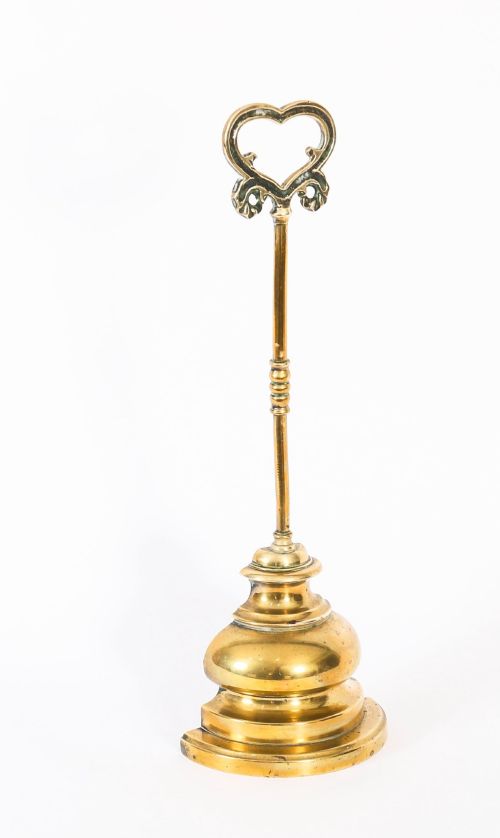
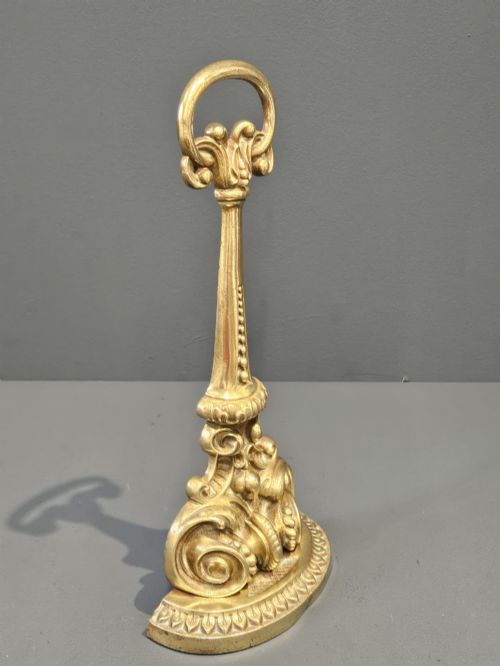
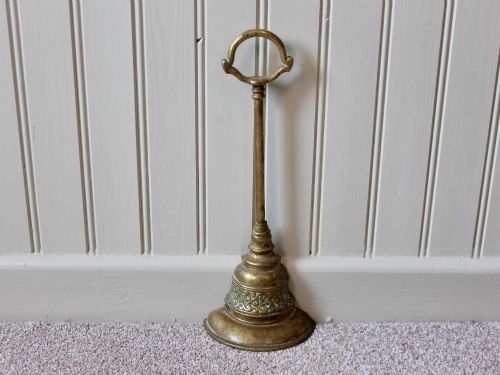
These brass weighted door stops hold open heavy house doors with solid cast metal and timeless figural modelling.
Brass Weighted Door Stops
When you search for brass weighted door stops, you are examining heavy functional items designed to prop interior doors open against draughts. The pieces seen here span the Georgian and Victorian eras, taking the form of figural door porters and cast animal shapes.
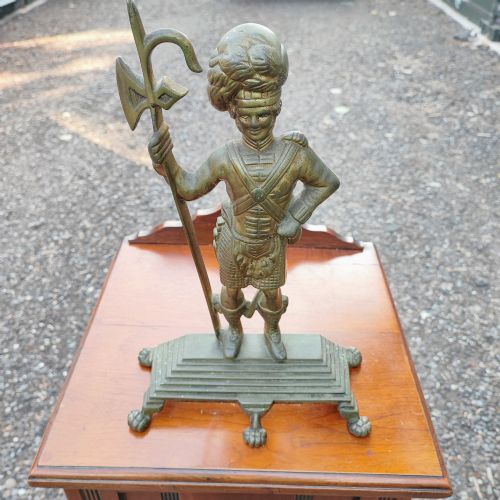
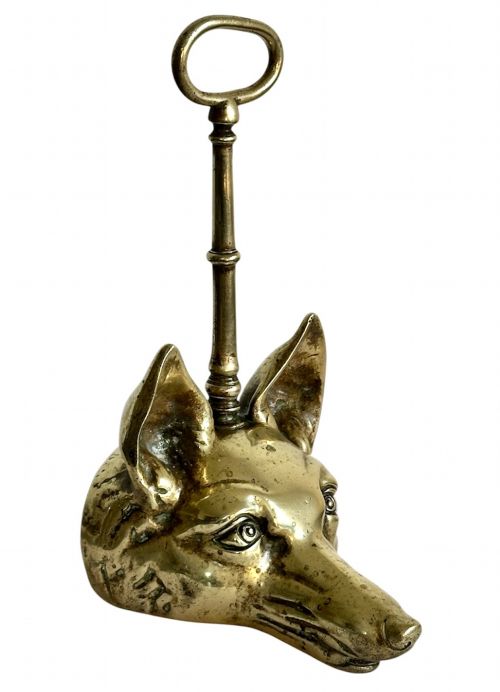
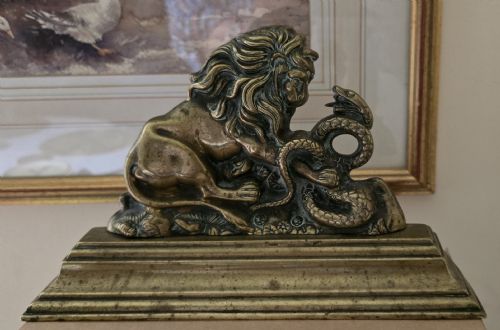
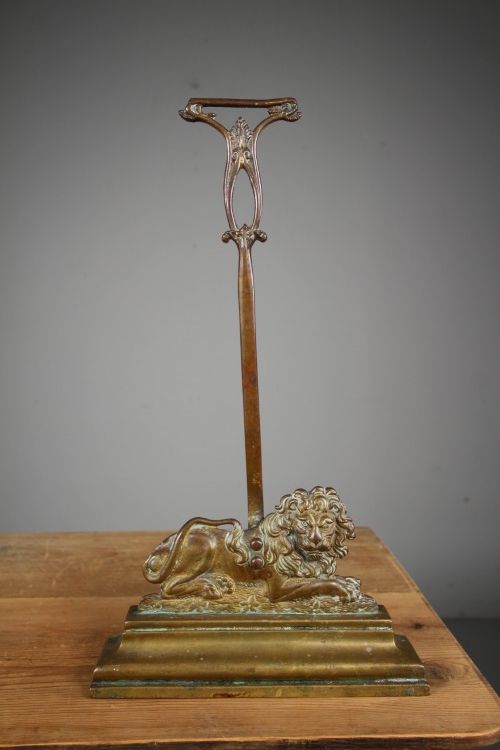
The version you are most likely to meet on this page is a Victorian cast brass example, frequently depicting lions, horses, or traditional characters like Mr Punch and Lord Nelson. These utilitarian objects combine sturdy mass with decorative foundry work from the nineteenth century.
Materials and construction
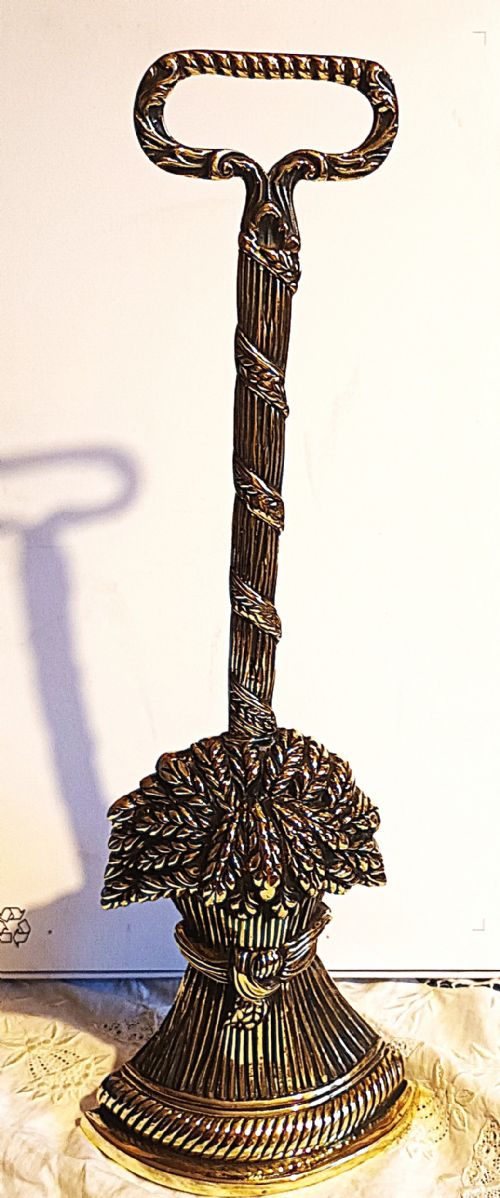
These items rely on heavy cast brass and cast iron structures, often incorporating lead weights within the base to provide the heft needed to secure a swinging door. Metalworkers poured molten brass into sand moulds to achieve crisp figural details such as lion manes and military uniforms.
Foundries finished these castings by hand, smoothing the surface seams and attaching robust carrying handles to the reverse of the heavier door porters. The combination of durable brass shells and hidden lead ballast ensured longevity in daily domestic service.
Brass Weighted Door Stops Retail Price Guide 2026
Typical asking prices for brass weighted door stops among the pieces listed under this phrase on Sellingantiques today, from the lower quarter to the upper quarter. They describe what is for sale here now, not the wider market.
Lord Nelson stands shoulder to shoulder with Mr Punch and a Scottish soldier to hold back the daily draught.
Judging quality and character
The distinction between standard utility items and superior examples lies in the sharpness of the casting and the ambition of the modelling. Exceptional pieces display finely delineated facial expressions on human figures and intricate detailing on animal subjects rather than soft, worn contours.
Design complexity also separates the range, with figural subjects like Scottish soldiers or heraldic lions demanding more skill from the patternmaker than plain geometric shapes. Original weighted bases and well-preserved surface patinas elevate the visual appeal of these heavy metal accessories.
Tonks
The Brass Weighted Door Stops Glossary
- Door porter
- A traditional British term for a heavy portable door stop fitted with a handle at the top for easy movement.
- Cast brass
- Molten alloy poured into a mould to create solid decorative objects with substantial weight.
- Lead weight
- Dense internal ballast added to hollow or semi-hollow metal forms to increase stability on the floor.
- Figural
- Representing a human or animal form rather than an abstract or architectural pattern.
- Patina
- The surface sheen and coloration developed through age, handling, and cleaning over many decades.
Brass Weighted Door Stops: Frequently Asked Questions
What is a door porter?
A door porter is a heavy portable door stop fitted with an integrated handle at the top. This allowed domestic staff to lift and move the weighted object easily from room to room.
Unlike fixed door stops screwed to skirting boards, these freestanding pieces relied entirely on their substantial metal mass to hold heavy wooden doors open.
How heavy are these door stops?
These pieces possess significant weight derived from thick cast brass bodies and concealed internal lead ballast. This heft is necessary to resist the pull of heavy interior doors and prevent sliding on carpets or polished floorboards.
The handle on top of a door porter was designed specifically for lifting this considerable weight safely during daily housework.
Were they used in every room?
Houses of the Georgian and Victorian periods utilised these heavy stops primarily in principal reception rooms and hallways where tall doors created strong draughts. Servants placed them against doors to keep passageways clear during busy households or social gatherings.
Smaller bedrooms typically relied on simpler wedges or lighter accessories rather than substantial figural brass porters.
How do I date a brass door stop?
Dating relies on examining the casting quality, the clothing style of figural subjects, and the specific design conventions of periods like the Regency or Victorian eras. Military uniforms, political figures, and heraldic motifs often correspond to specific decades of the nineteenth century.
The texture of the metal underneath and the construction of the handle provide further clues to the manufacturing date.
How do I care for antique brass?
Maintenance requires gentle dusting and occasional cleaning with a soft cloth to preserve the natural patina built up over generations. Avoid harsh abrasive polishes that strip away the historical surface character and dull the crisp edges of the casting.
Allowing the metal to age gracefully maintains the warm golden tones valued by collectors.