
Brass Twin Arm Lights
Brass twin arm lights illuminate interiors with paired branching metal brackets designed for wall mounting or desk placement.
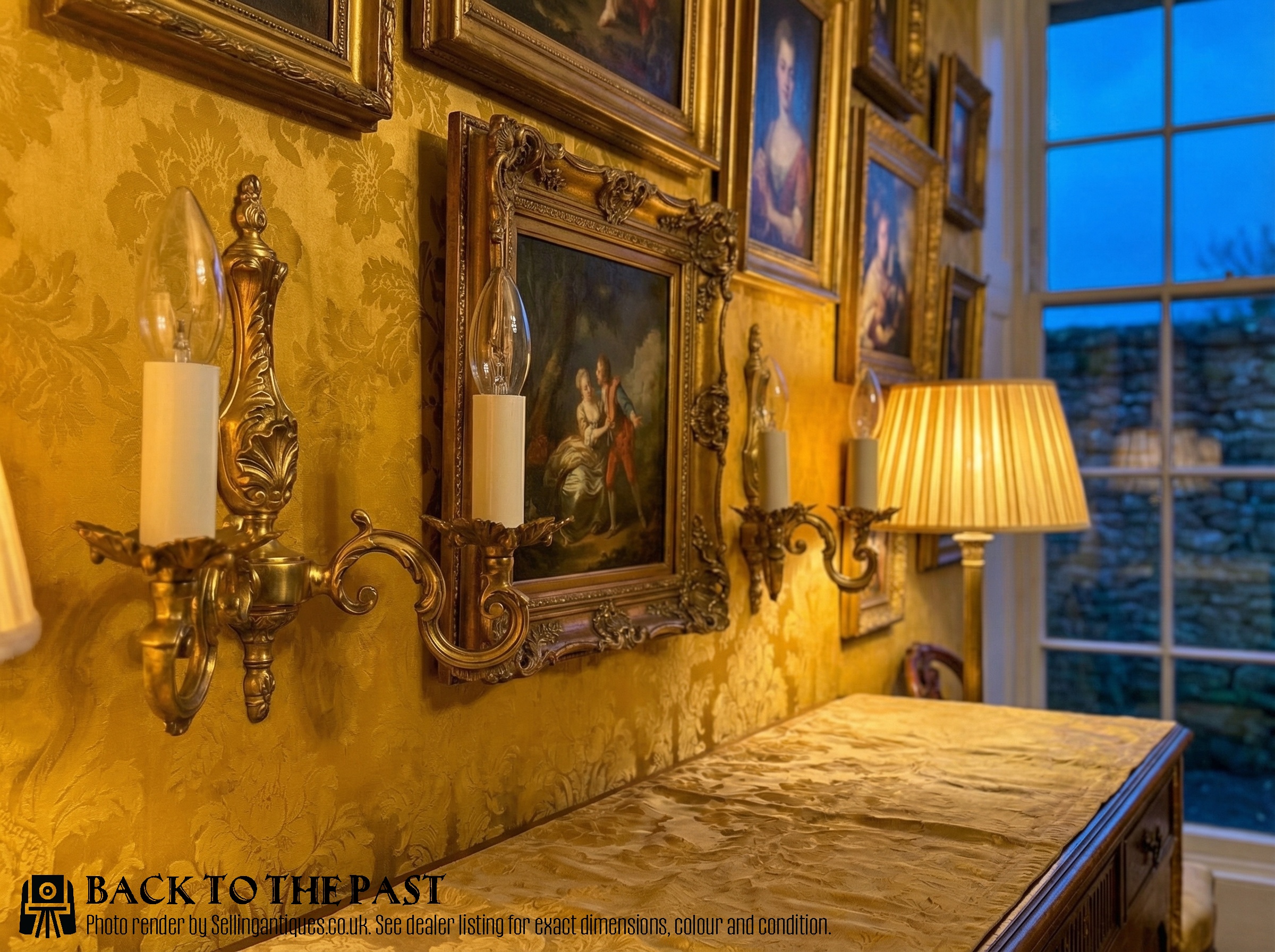
Brass Twin Arm Lights
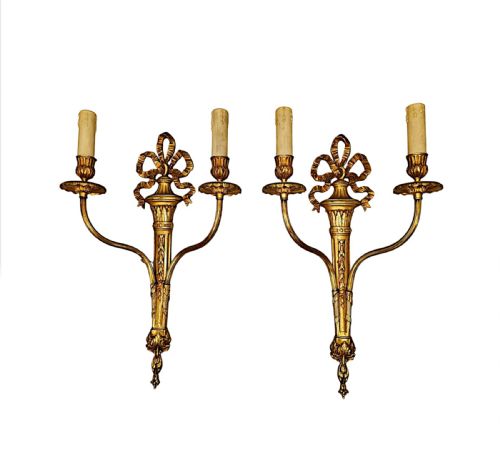
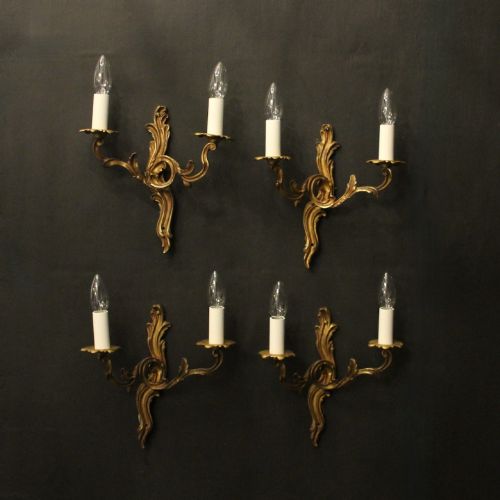
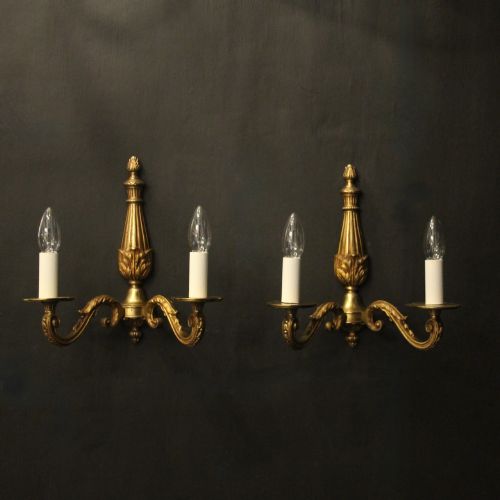
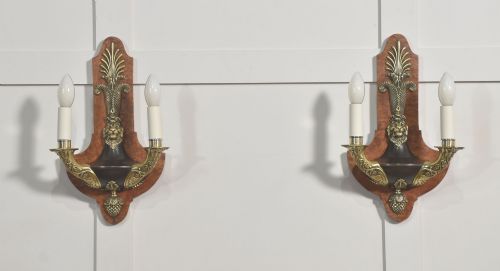
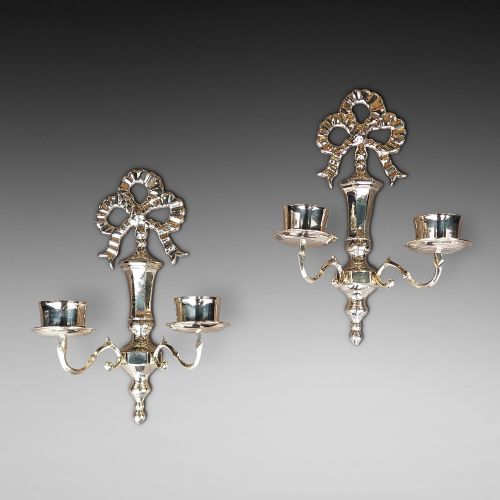
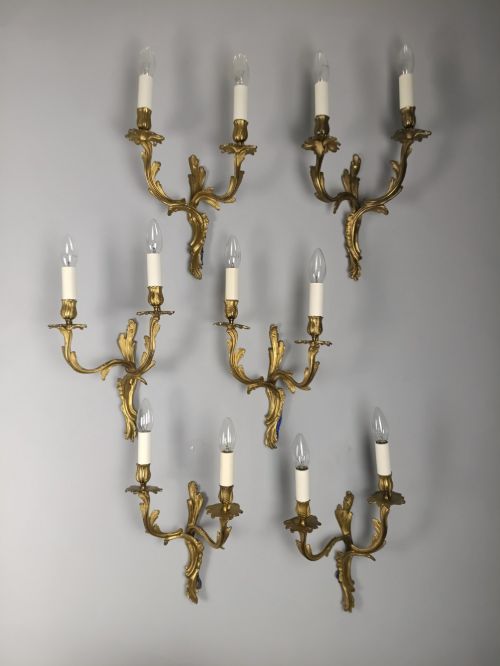
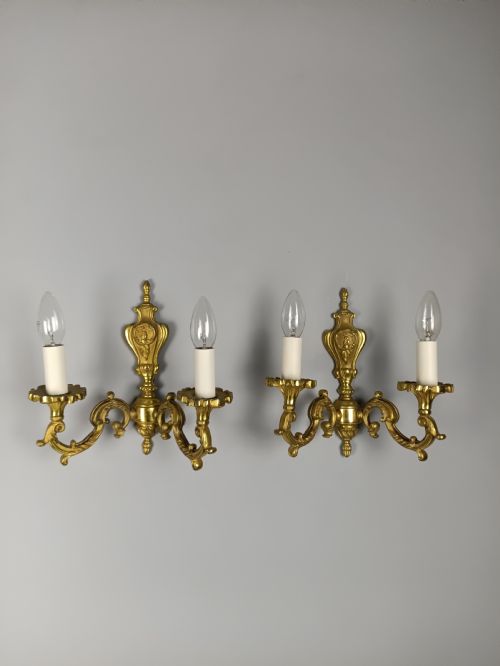
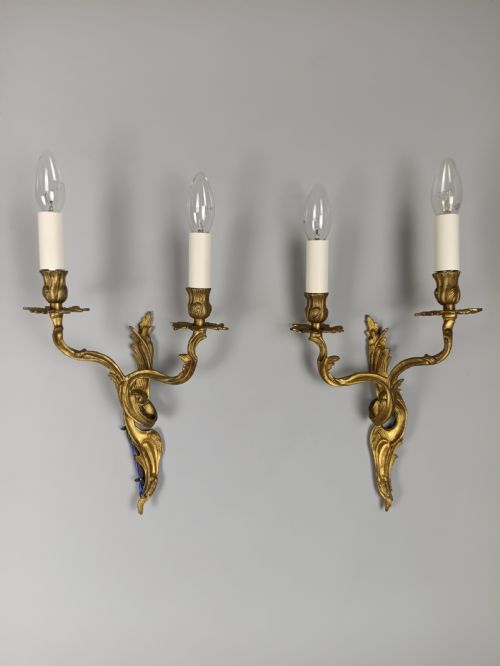
Brass twin arm lights primarily manifest as wall sconces and mounted lighting fixtures originating from the nineteenth and early twentieth centuries. French workshops produced many of the gilded and cast examples found here, often drawing on Rococo or Empire decorative traditions.
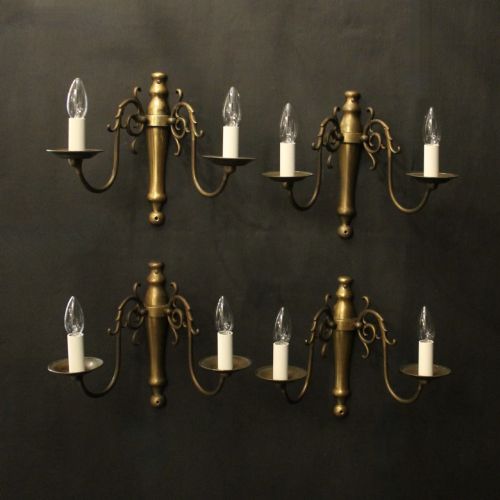
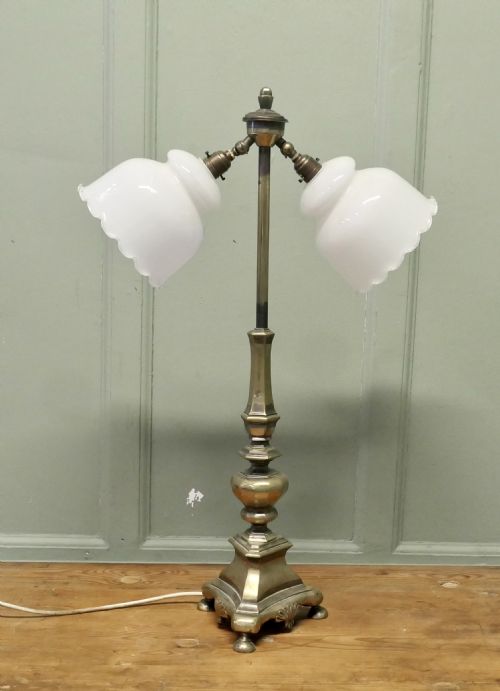
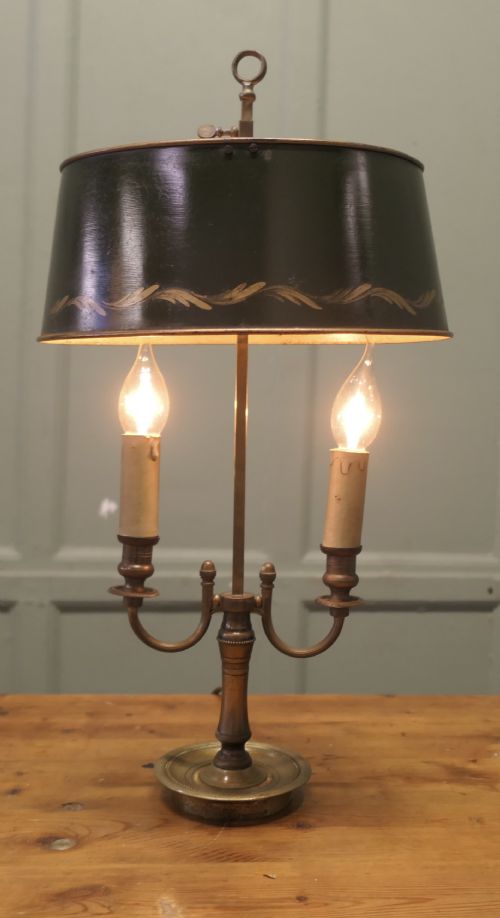
English makers also contributed substantial numbers of these fixtures, alongside desk lamps, student lights, and bouillotte designs. Pieces from the Edwardian era and the 1920s frequently utilise adjustable arms or paired branches intended for functional illumination.
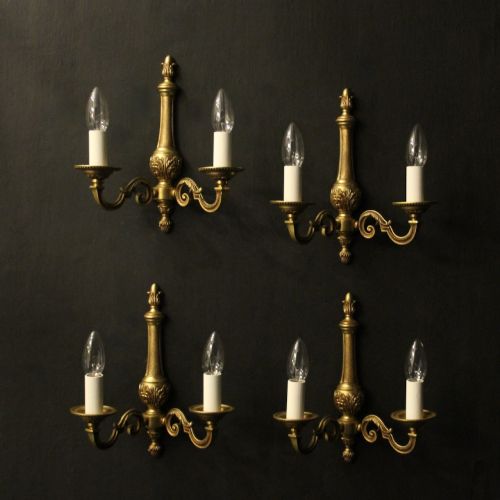
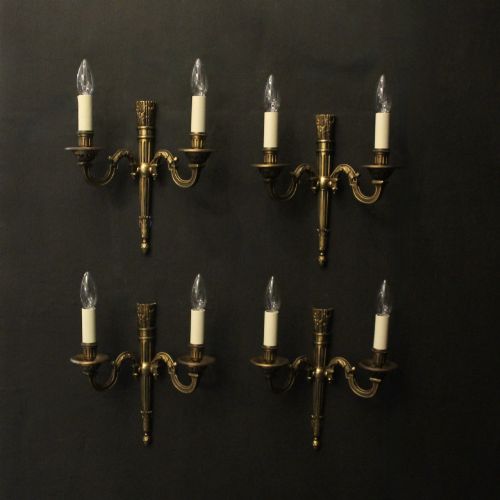
Buyers encounter these items in sets ranging from single sconces to larger groups of four, six, or eight matching pieces. The overarching category spans simple polished brass frames to ornate gilt bronze and ormolu constructions.
Materials and Techniques
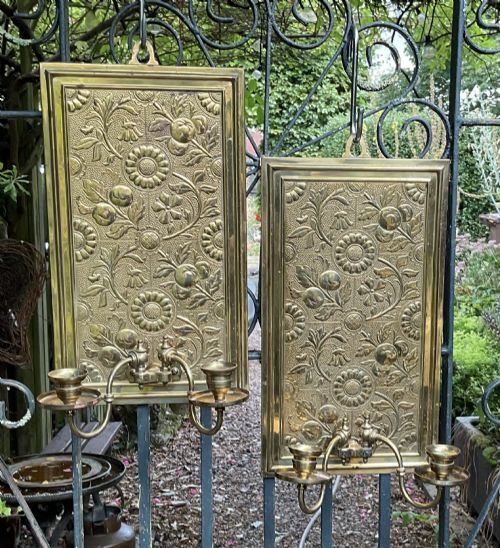
Foundry casting formed the structural basis for these fixtures, utilising brass, bronze, and gilt metal to create rigid branch arms and decorative backplates. Artisans chased and finished the metal surfaces by hand, adding fine detail to foliage, ribbons, and classical motifs.
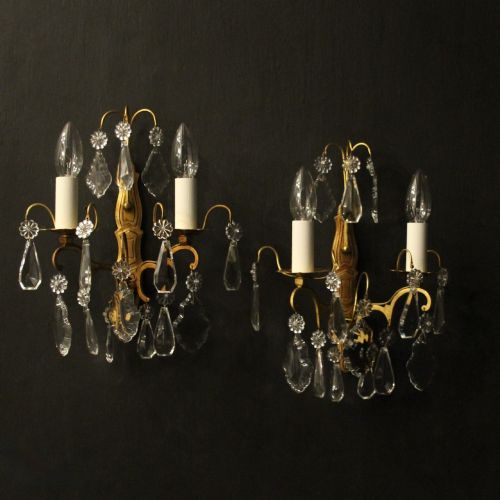
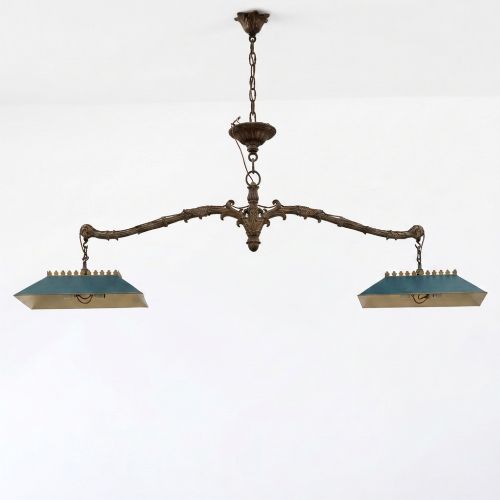
Gilding techniques, including ormolu and mercury application, provided rich golden finishes on French rococo and neoclassical pieces. Other variations incorporate tôleware shades, green enamel, crystal drops, or marble bases to complement the underlying metal framework.
Evaluating Craftsmanship
The crispness of the cast ornamentation dictates visual success, separating sharply detailed chased bronzes from softer, less defined castings. Heavy gauge metal and robust structural joints ensure longevity and stability in multi-armed wall lights.
Surface patination and the integrity of original gilding significantly influence the character of each fixture. Pieces retaining their historical finishes or authentic French mercury gilt display a depth absent in later, chemically treated surfaces.
The Brass Twin Arm Lights Glossary
- Ormolu
- Gilt bronze produced by applying a finely ground high-carat gold-mercury amalgam to a bronze object before firing. This historic French technique yields a distinctive matte golden lustre.
- Bouillotte lamp
- An adjustable desk lamp featuring a central column, twin arms, and a distinctive toleware shade. It draws its name from an eighteenth-century card game.
- Sconce
- A wall-mounted lighting fixture designed to hold candles or electric lamps via projecting brackets. Surviving examples often feature decorative backplates and multiple branches.
- Rococo
- A decorative style characterised by asymmetrical scrollwork, naturalistic plant motifs, and C-scrolls. French makers revived this aesthetic extensively during the nineteenth and early twentieth centuries.
- Empire style
- A neoclassical design movement originating in France during the rule of Napoleon, marked by military trophies, classical urns, and severe symmetry.
Brass Twin Arm Lights: Frequently Asked Questions
How do I install antique wall lights?
Most vintage fixtures require professional wiring updates to meet modern electrical safety standards before mounting. Electricians attach the backplate directly to standard wall junction boxes using appropriate mounting brackets.
Rewired pieces frequently incorporate modern internal flex while preserving the historic exterior metalwork and original arm assemblies.
Where were these lights placed originally?
Wall sconces were positioned in pairs flanking mirrors, fireplaces, or doorways in grand reception rooms and parlours. Desk lamps and student lights served targeted functional roles on writing tables and reading desks.
Matching sets of four or six allowed uniform illumination across larger dining rooms and drawing rooms during the Victorian and Edwardian periods.
How do I distinguish French from English pieces?
French fixtures frequently employ gilt bronze or ormolu with elaborate Rococo and Empire ornamentation, often featuring cast floral swags and ribbon motifs. English versions tend to utilise heavier polished or silvered brass with simpler structural lines.
Regional casting marks, screw threads, and mounting plate designs also provide clues to a piece's workshop origin.
Can I polish antique brass safely?
Historic brass surfaces develop a natural dark oxidation over decades that many collectors prefer to leave undisturbed. Aggressive metal polishes strip away this authentic patination and can damage delicate gilt layers on ormolu surfaces.
Gentle dusting with a dry microfibre cloth is generally sufficient for routine maintenance of older metalwork.