
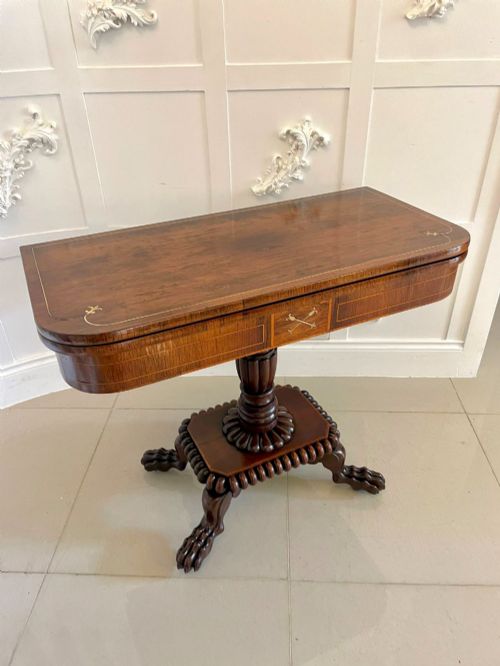
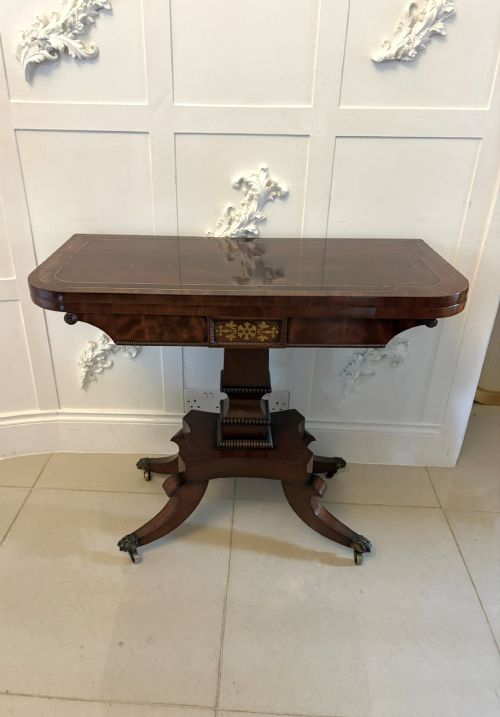
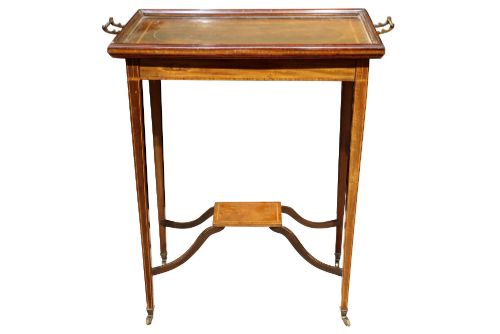
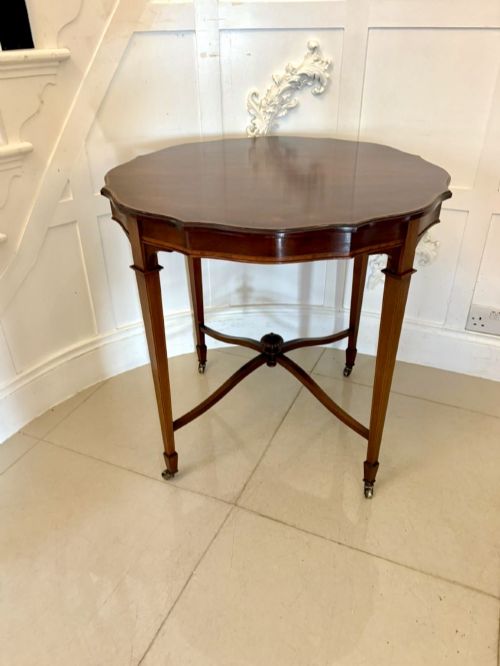
Brass Top Tea Table
These brass top tea table examples combine useful occasional surfaces with striking metalwork, offering rich texture to any room.
Brass Top Tea Table
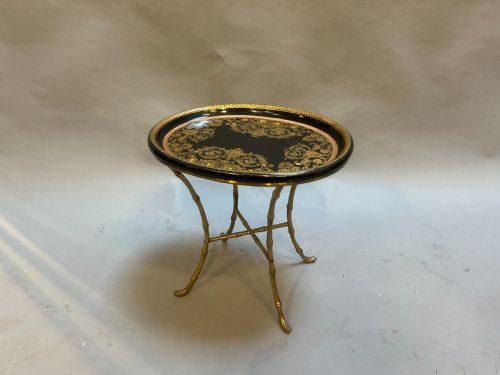
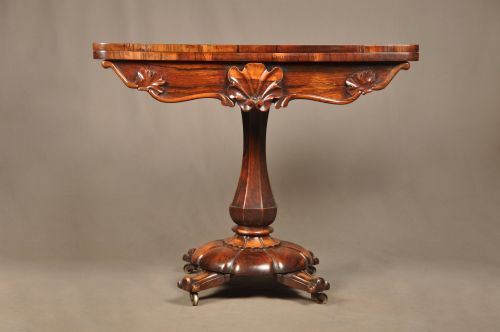
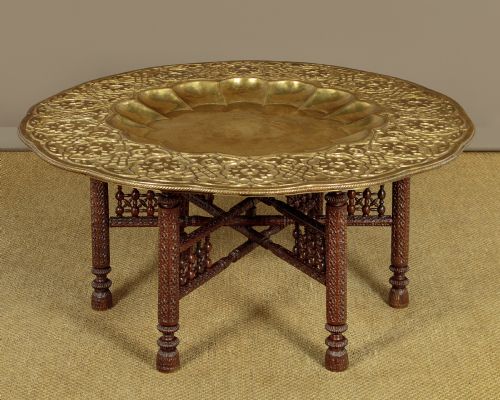
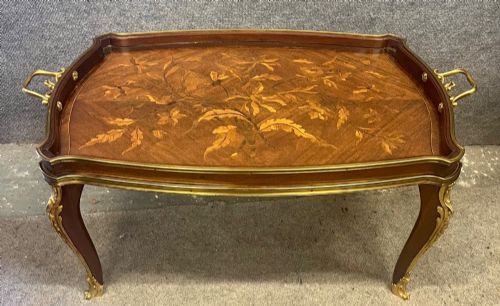
A brass top tea table brings together a sturdy timber base with an elaborate metal surface, often taking the form of a removable tray resting on a folding stand or a fixed tabletop. You find pieces spanning several eras, though the nineteenth century and the early nineteen-hundreds dominate the selection.
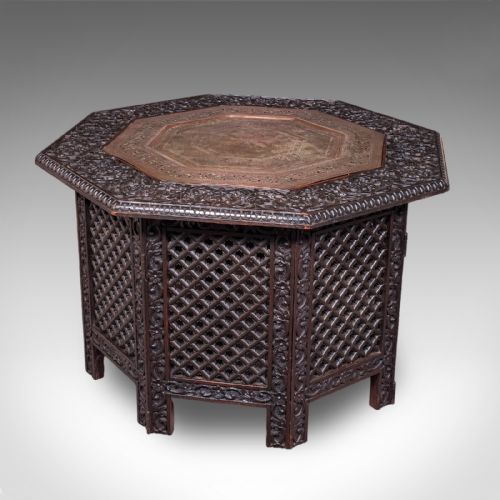
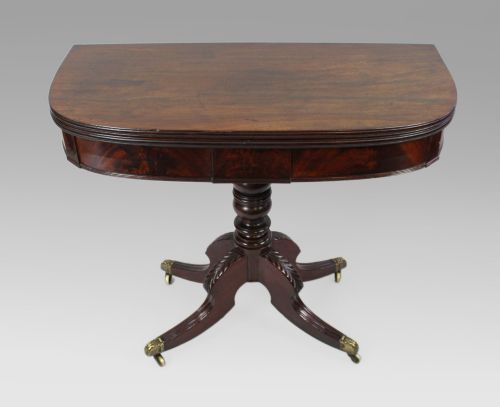
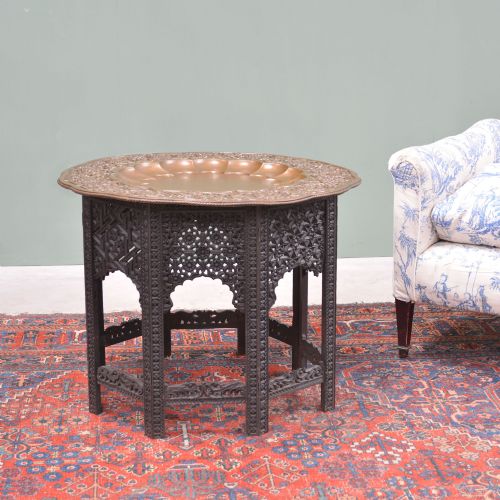
The term encompasses diverse stylistic traditions, ranging from English Regency mahogany and rosewood designs to Anglo-Indian Hoshiarpur creations and engraved Islamic metalwork. Many examples utilise folding mechanisms, combining portability with decorative presence.
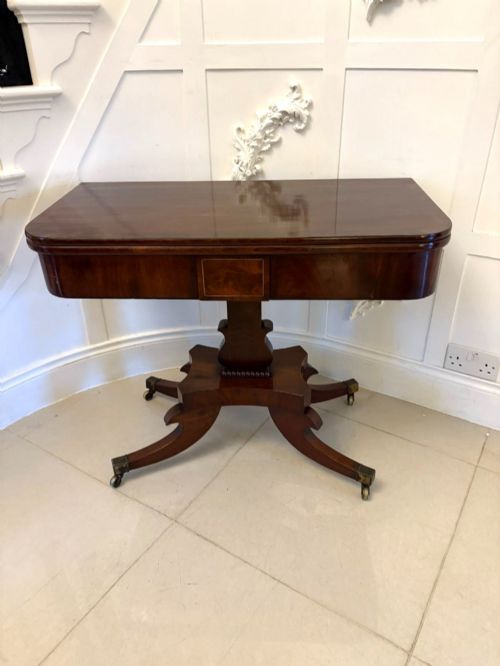
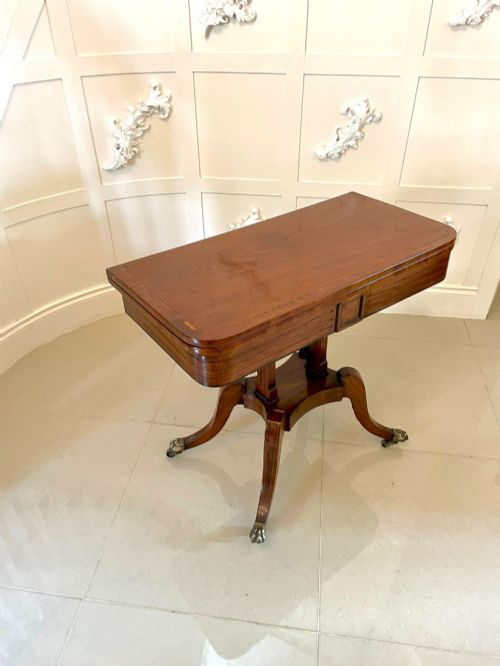
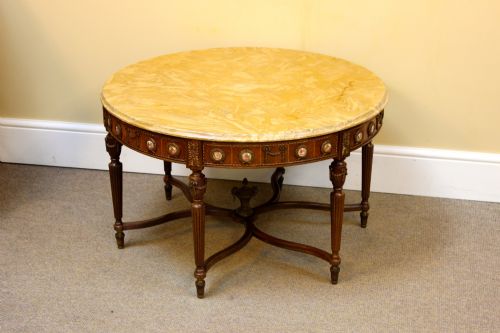
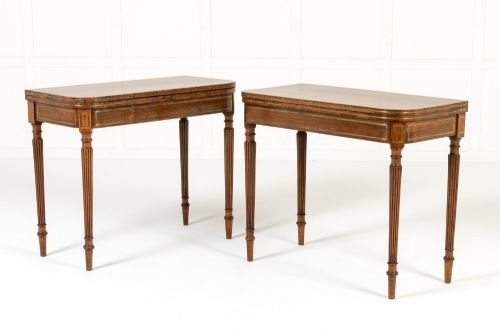
Makers adapted these forms for various domestic uses, producing variations that double as card tables, occasional surfaces, and coffee tables. The metal components range from flat engraved sheets to raised galleried trays.
Materials and construction
Craftsmen built the underlying structures using dense hardwoods such as mahogany, rosewood, and satinwood, frequently employing intricate brass inlay, boxwood stringing, and ormolu mounts to accent the timber.
The metal tops typically feature hand-engraved or chased brass work, executed with dense geometric or figurative motifs that reflect regional techniques from British workshops, India, and the Near East.
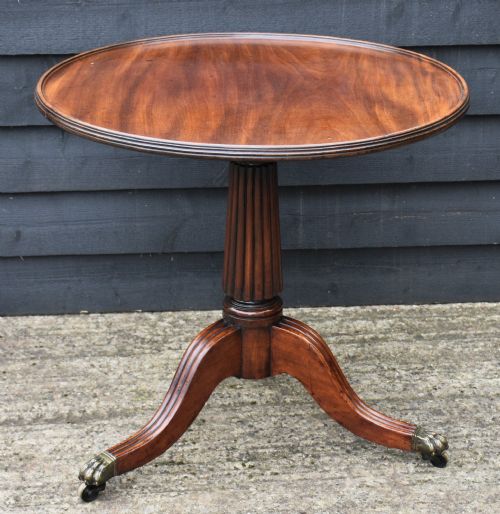
Folding actions rely on clever pivoting hinges, tilt-top mechanisms, and tripod pedestals, allowing the heavy trays and timber frames to collapse or rotate for storage and serving.
Listings feature brass top tables paired with mahogany, rosewood, and satinwood, spanning the Georgian, Regency, and Edwardian eras.
Distinctions in quality
The fineness of the engraving on the metal surface dictates much of the visual merit, with shallow machine stamping falling well short of deep, hand-chased relief work.
Timber selection and cabinetmaking standards separate standard production from superior pieces, demonstrated by figured mahogany veneers, tight joinery, and intact original castors rather than later replacements.
Proportion and stability matter greatly; a well-balanced tripod base or a rigid folding console frame ensures the heavy metal top rests securely without wobble.
The Brass Top Tea Table Glossary
- Tray top
- A tabletop featuring a raised edge or gallery designed to prevent items from sliding off. This form often lifts completely away from its folding base.
- Card table
- A folding table intended for games, featuring a hinged top that opens to reveal a baize-lined surface. These often double as console or side tables when closed.
- Anglo-Indian
- A descriptive term for furniture made in India during the colonial period for British export. These pieces merge traditional local carving with European furniture forms.
- Ormolu
- Gilded bronze mounts applied to furniture for decoration. This technique adds metallic contrast to dark woods like rosewood and mahogany.
- Tilt top
- A tabletop mounted on a pivoting mechanism that allows the surface to lock flat for use or tilt vertically for storage.
Brass Top Tea Table: Frequently Asked Questions
How do I clean a brass top?
Dust the surface regularly with a soft, dry cloth to prevent dirt accumulation in the engraved recesses. Avoid harsh chemical polishes that strip the aged patina from the metal.
Test any mild cleaning solution on a small hidden area first. Preserve the dark, rich oxidation that accumulates within the engraved lines over decades.
Are the trays removable?
Many examples feature a loose metal tray resting directly on a folding wooden stand. This design originated to allow servants to carry the tray between rooms.
Other variations fix the metal permanently to a wooden sub-top or tilt mechanism. Check the underside of the piece to understand how the top secures to the base.
How do I identify a Regency period table?
Regency pieces date from the early nineteenth century and typically display classical proportions, dark hardwoods, and brass stringing. Look for lyre-shaped pedestals, scroll feet, and solid mahogany construction.
Examine the secondary woods inside the drawers or framing to confirm age. Hand-cut dovetails and-old fixings help distinguish authentic period furniture from later revivals.
Can I use these tables for daily dining?
While sturdy, these tables were originally intended for tea service, card games, or display rather than heavy family meals. The brass surfaces scratch easily under heavy ceramic plates and cutlery.
Use protective coasters and placemats if you place hot cups or glasses on the metal. Treat the antique timber bases with care to avoid water rings and surface dents.