

Brass Timepiece Clock
A brass timepiece clock brings steady mechanical movement into a room, housed in polished metal and glass.
Brass Timepiece Clock
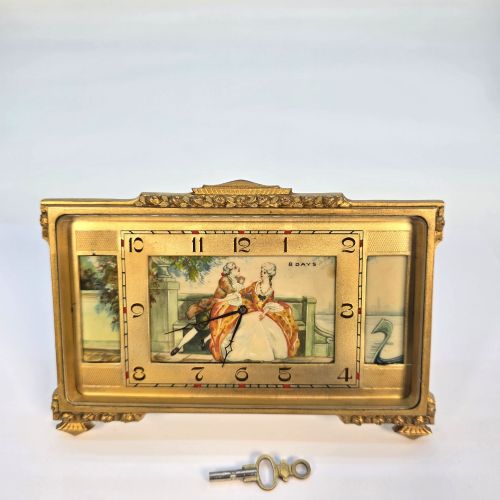
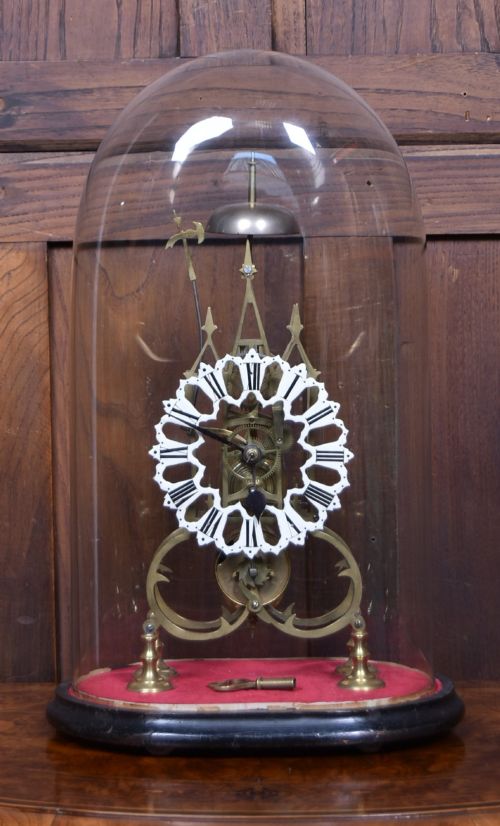
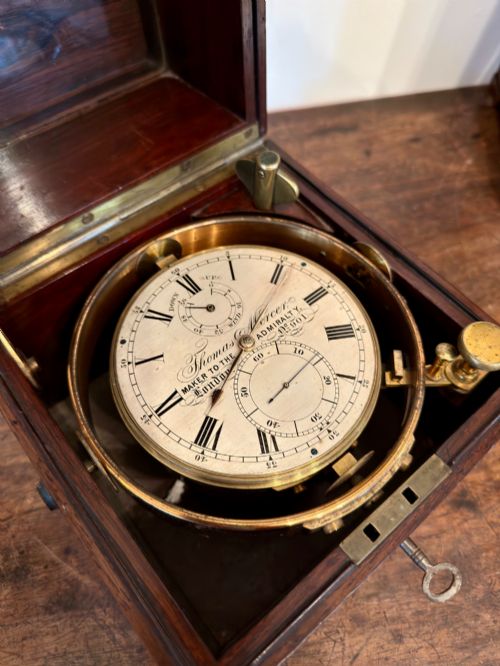
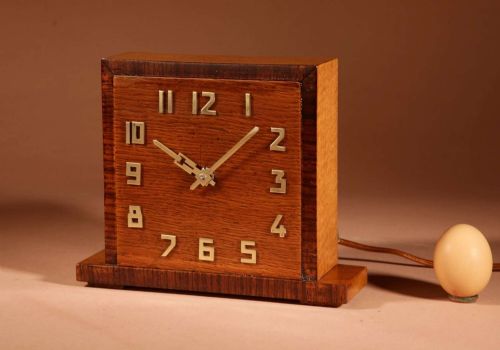
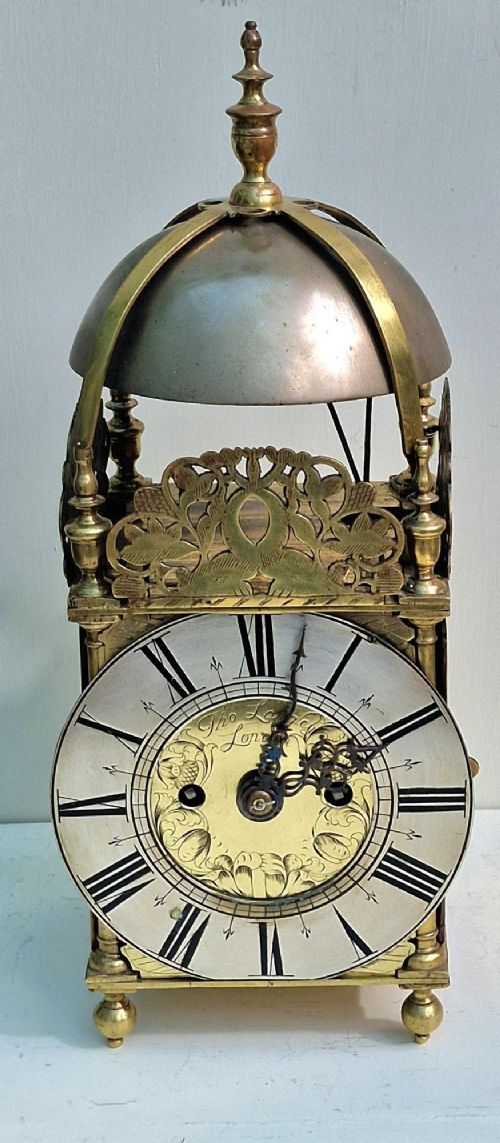
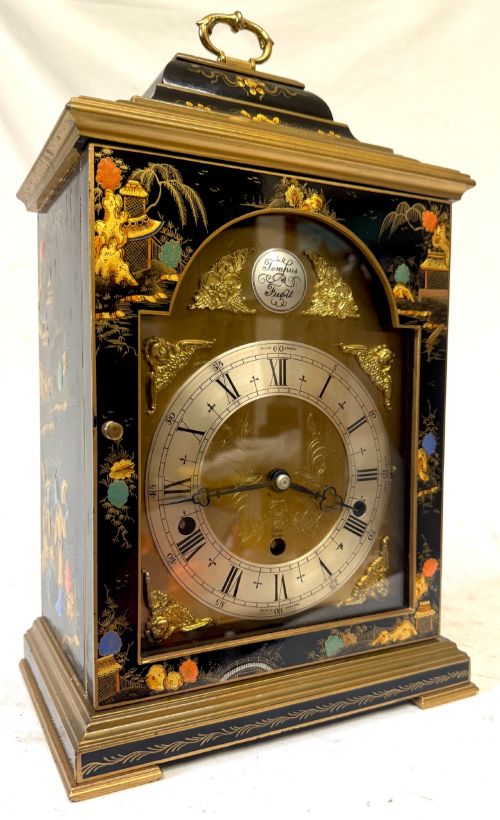
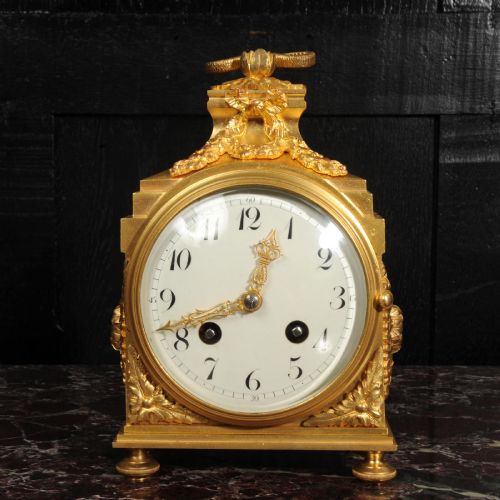
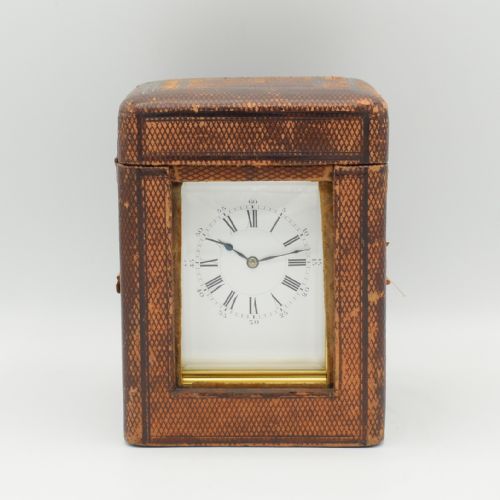
A brass timepiece clock is a mechanical timekeeper built without striking trains, focusing purely on the measurement of hours and minutes. When you search for a brass timepiece clock, you encounter portable carriage models, bracket designs, and wall-mounted pieces from the Victorian era and the early twentieth century.
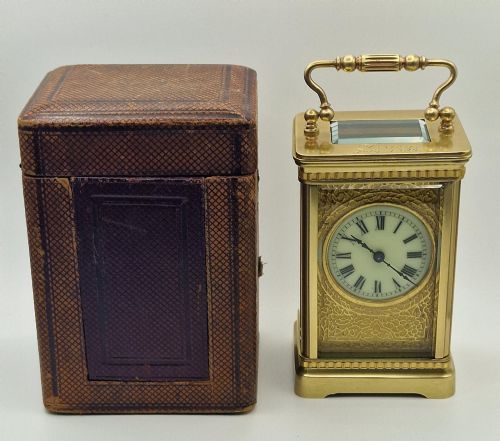
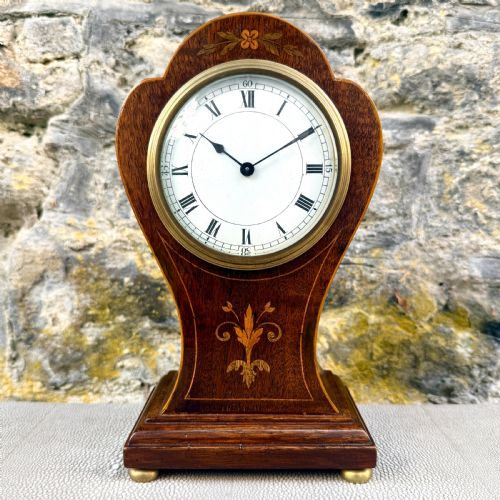
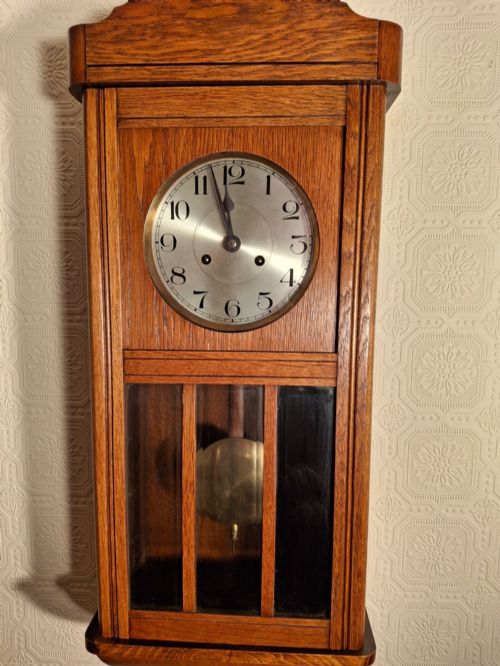
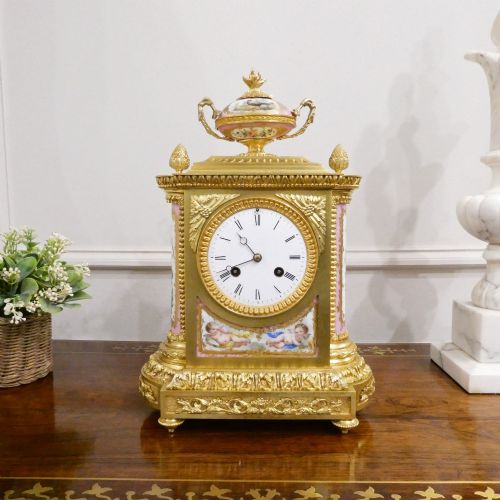
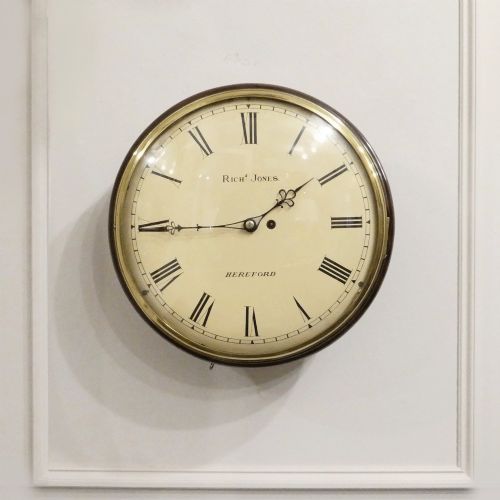
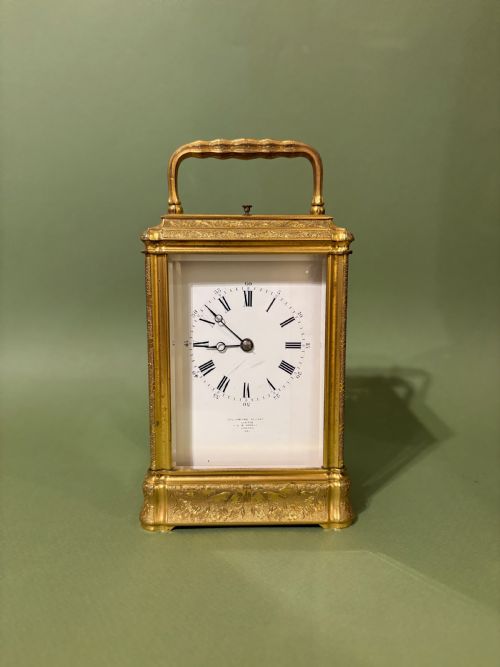
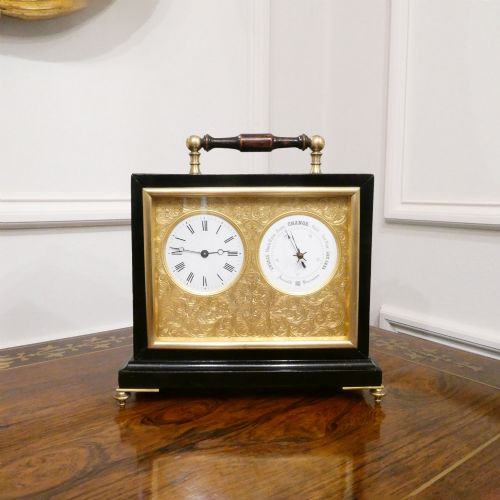
The carriage clock forms the largest group on this page, originating predominantly from French workshops and featuring glazed brass cases. Alongside these sit heavier wooden mantel clocks with brass bezels, and dial clocks originally made for offices, railways, and public spaces.
How They Were Made
Makers constructed these clocks using heavy cast and polished brass for the frames, bezels, and carrying cases, frequently pairing the metal with bevelled glass panels to reveal the movement within. Dial faces were typically formed from white enamel with painted numerals, though some examples incorporate porcelain panels or champleve enamel decoration.
Movements relied on brass gear trains, escapements, and either spring barrels or fusee mechanisms to maintain steady power. Cabinet woods such as mahogany, oak, and rosewood often served as secondary materials for wall dials and desk clock bases.
Materials appearing across the inventory include solid brass, glass, enamel, mahogany, oak, and ormolu.
What Varies in Quality
Quality rests on the crispness of the brass casting and the finish of the gilding or ormolu. Finer carriage clocks display thick, bevelled glass panes with tightly fitting joints and heavy, well-engraved platforms.
The standard of the mechanical movement determines distinction. Hand-finished escapements, jewelled bearings, and signed backplates set workshop pieces apart from mass-produced commercial movements.
Henri Jacot·Mercer of London·Thomas Langley·Mappin and Web·Walker and Hall·Howell and James
The Brass Timepiece Clock Glossary
- Timepiece
- A clock that measures and indicates the time without striking bells or gongs. These mechanisms contain only the going train.
- Carriage Clock
- A small, portable spring-driven clock designed for travellers, featuring a rectangular brass and glass case with a folding handle on top.
- Fusee
- A conical pulley used in mechanical clocks to maintain even force on the gear train as the mainspring unwinds.
- Champleve
- An enamelling technique where troughs are dug into the brass surface and filled with vitreous enamel before firing.
Brass Timepiece Clock: Frequently Asked Questions
What is a brass timepiece clock?
A brass timepiece clock is a mechanical clock housed in a brass case that tells the time without striking hours.
These pieces range from portable carriage designs meant for travel to wall dials and heavy mantel clocks.
How do you wind a carriage clock?
Carriage clocks are wound using a dedicated key inserted into the winding arbor found on the underside or backplate of the movement.
Care must be taken not to overwind the mainspring, turning the key only until firm resistance is felt.
Where were most carriage clocks made?
The majority of fine nineteenth-century carriage clocks were manufactured in France, particularly within workshops based in Paris.
English makers also produced notable portable timepieces, often featuring fusee movements rather than the standard French platform escapement.
Why does my clock have no strike?
A timepiece differs from a striking clock because it is engineered solely to show the hours and minutes without sounding chimes.
This simpler mechanical layout meant fewer moving parts to wear down and a more compact case design.