
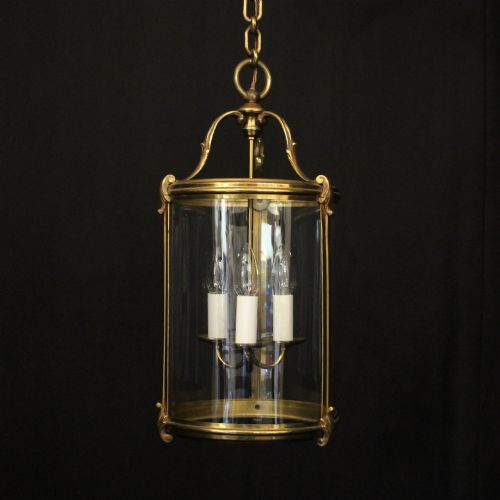
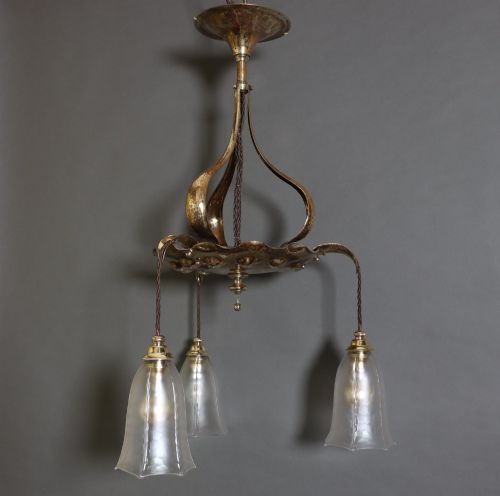
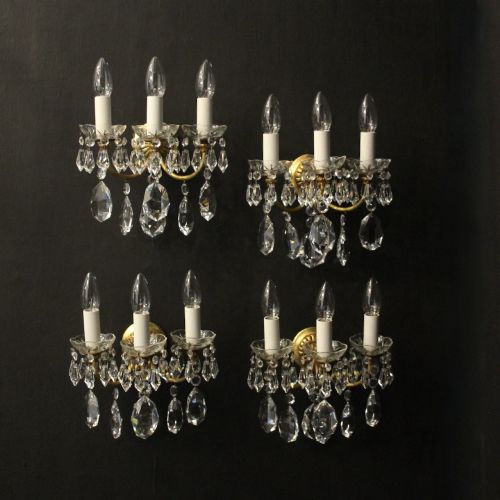
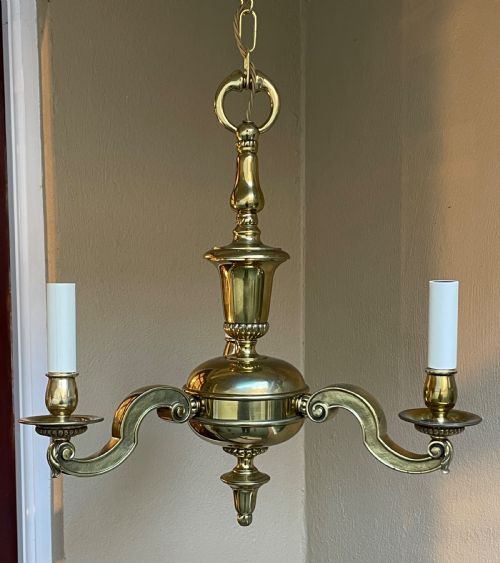



Brass Three Light Fitting
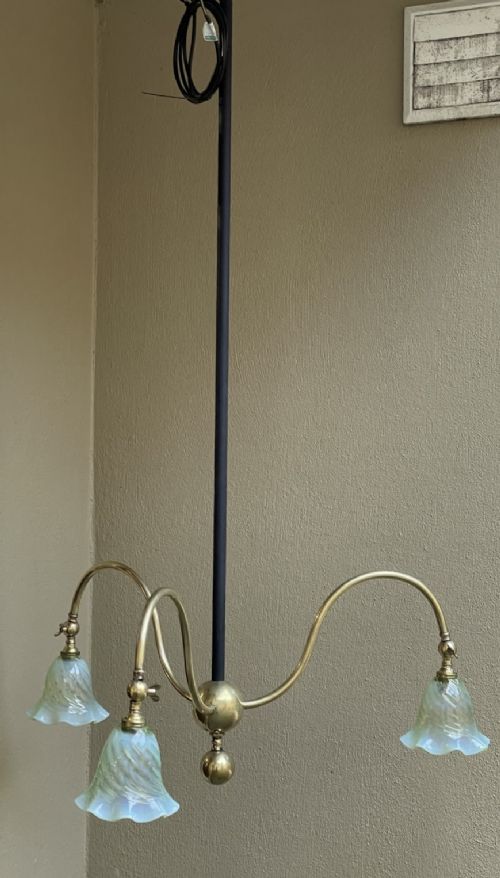
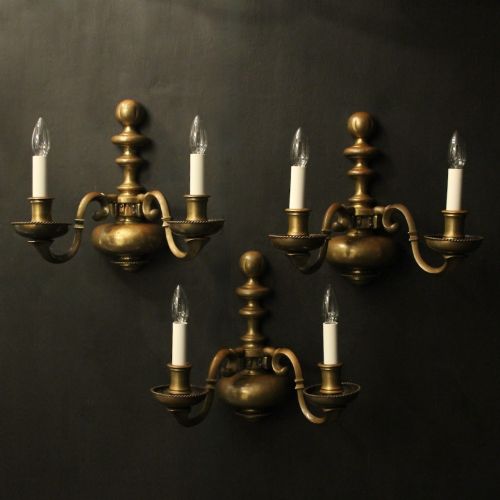
A brass three light fitting brings period illumination to a room, offering distinct branches and polished metal forms.
Brass Three Light Fitting
A brass three light fitting is an illuminating fixture designed to hold three lamps or candles across various architectural settings. When you search for a brass three light fitting, you encounter pieces spanning the nineteenth century through to the 1930s.
The selections on this page appear in forms such as chandeliers, ceiling lights, wall lights, ceiling lanterns, and wall sconces. You are most likely to meet French and English examples reflecting periods like the Victorian era, the Art Deco movement, and the Arts and Crafts style.
Makers and designers drew upon aesthetic traditions including Neoclassical, French Rococo, and Art Nouveau. These objects distribute light through three branches, arms, or tiers, utilising materials selected for both durability and reflection.
Materials and Manufacture
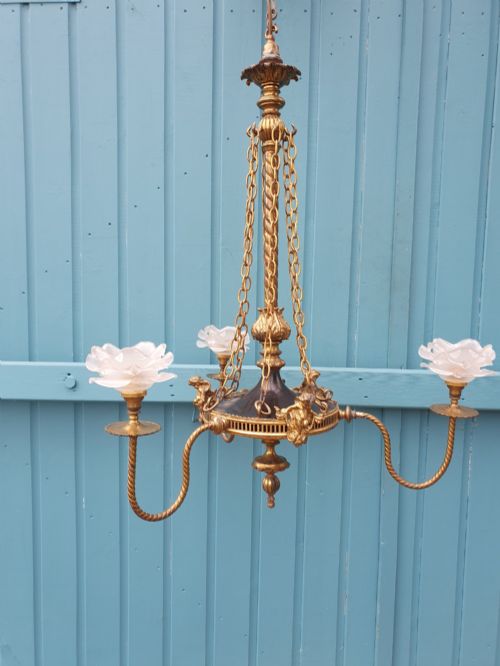
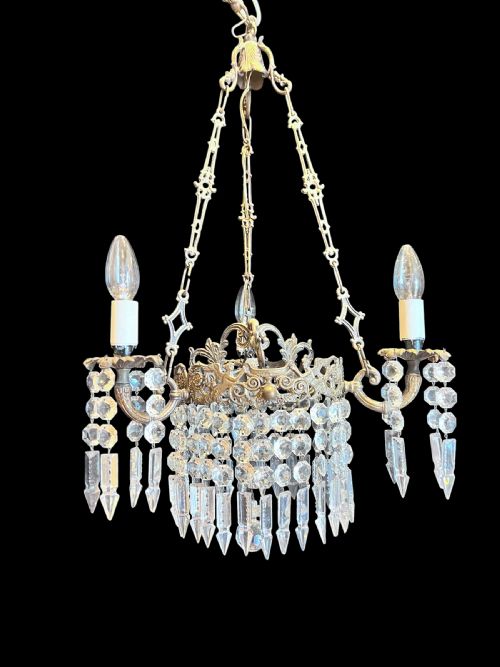
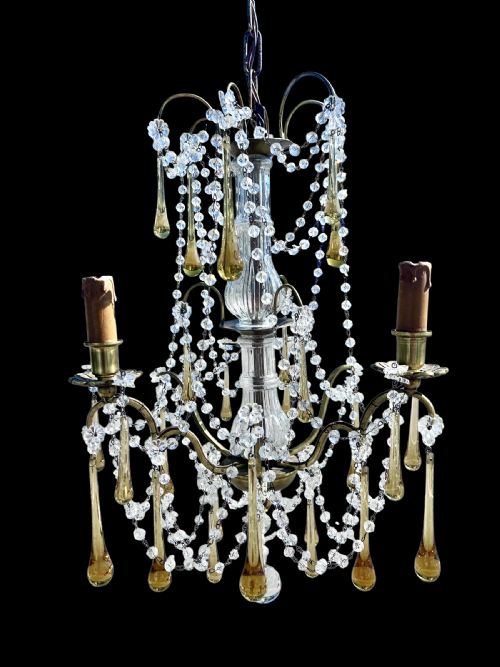
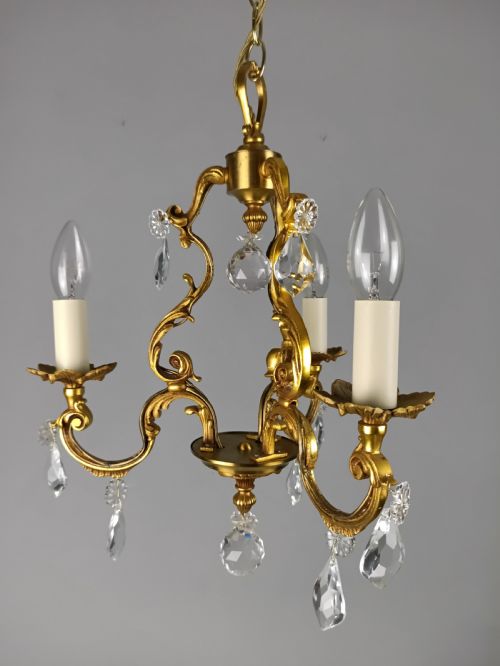
The foundational metalwork relies on brass, bronze, gilt brass, gilt bronze, and gilt metal shaped through casting and joining techniques. Many frames incorporate glass, crystal, and frosted glass components to refract the illumination produced by the three lights.
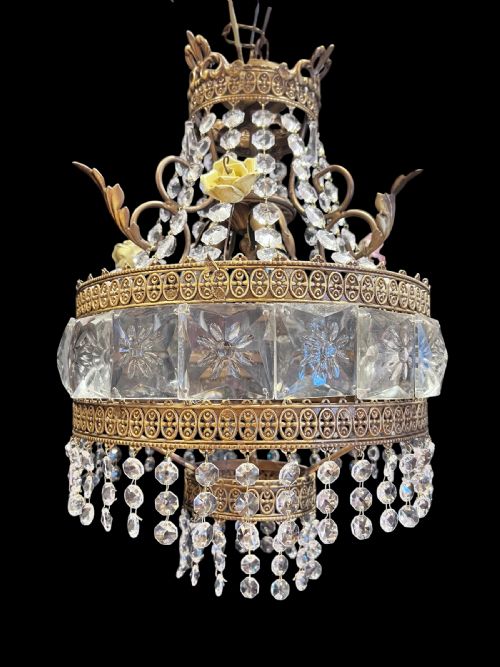
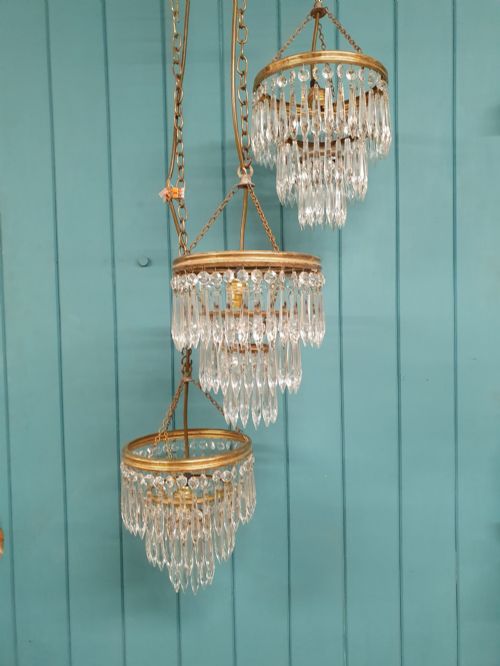
Decorative detailing on these fixtures frequently includes applied porcelain flowers, pink crimped glass shades, and multi-tiered crystal drops. Artisans combined cast metal structures with hand-finished gilding and structural elements suited for ceiling suspension or wall mounting.
Listings feature brass three light fixtures spanning the Victorian period through the 1930s, incorporating frosted glass, crystal drops, and porcelain flowers.
Assessing Quality
Quality in these lighting fixtures rests upon the crispness of the cast metalwork and the integration of glass or crystal elements. Finer pieces demonstrate careful hand-chasing on bronze and brass, along with secure mounting of arms and bungs.
The distinction between standard production and superior examples lies in the weight of the metal frame and the clarity of the crystal or glass components. Original surface gilding and intact decorative details such as porcelain flowers elevate the execution of the piece.
The Brass Three Light Fitting Glossary
- Chandelier
- A branched ornamental light fixture designed to be suspended from the ceiling. These hold multiple illumination points across arms or tiers.
- Gilt bronze
- Metal alloy coated with a thin layer of gold using mercury amalgamation or electrochemical techniques. This finish provides a warm, reflective surface that resists tarnishing.
- Slip shade
- A moulded piece of glass that slides into a metal frame to diffuse light. This form is particularly associated with Art Deco lighting designs.
- Hall lantern
- An enclosed ceiling-hung light fixture designed for entranceways and corridors. They often feature glazed panels held within a metal framework.
Brass Three Light Fitting: Frequently Asked Questions
How do I install a vintage brass light?
Vintage light fixtures require careful wiring to meet modern electrical safety standards while preserving original metal components. A qualified electrician should handle the mounting to the ceiling or wall junction box.
Weight distribution matters greatly with multi-arm chandeliers and large lanterns. Ensure the structural support in your ceiling can bear the combined weight of the metal and crystal elements.
What rooms suit a three light fitting?
A three light fitting provides balanced illumination well suited to medium-sized spaces such as dining areas, bedrooms, and hallways. Wall-mounted versions work effectively in pairs along corridors or flanking a fireplace.
Ceiling heights dictate whether a flush fitting, a chain-hung chandelier, or a hall lantern is appropriate. Low ceilings benefit from close-mounted ceiling lights, while high spaces accommodate drop chandeliers.
How do I date a brass light fixture?
Dating relies on stylistic markers, manufacturing techniques, and material combinations recorded across different design periods. Victorian and nineteenth-century pieces often display heavier cast brass and ornate revival motifs, while 1930s examples show streamlined Art Deco lines.
Hardware construction also aids identification, as screw types, wiring channels, and casting seams evolved over time. Comparing the decorative vocabulary to established styles provides a reliable chronological frame.