
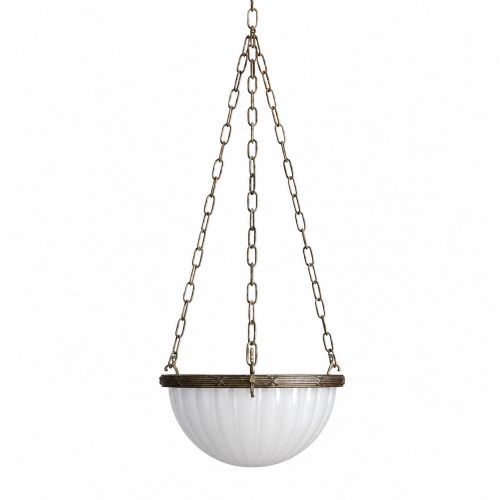


Opal Glass Ceiling Light
An opal glass ceiling light diffuses a soft, milky glow that transforms a room.
Opal Glass Ceiling Light
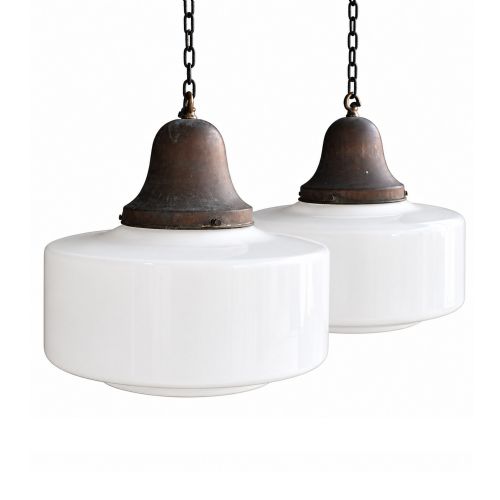
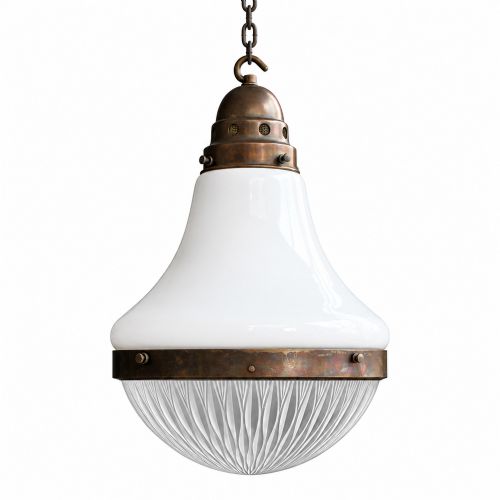
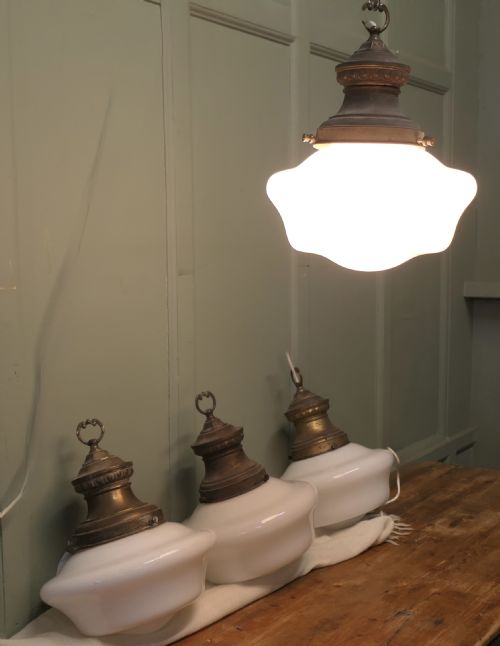
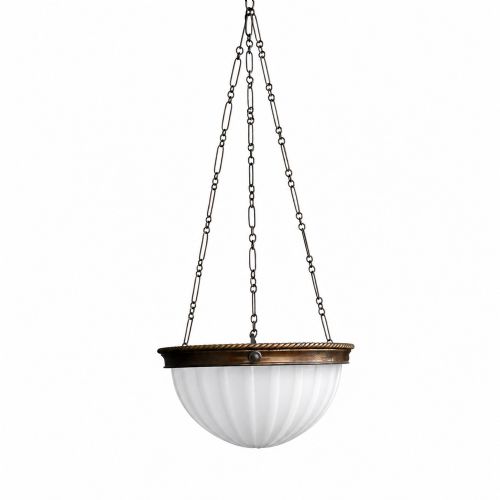
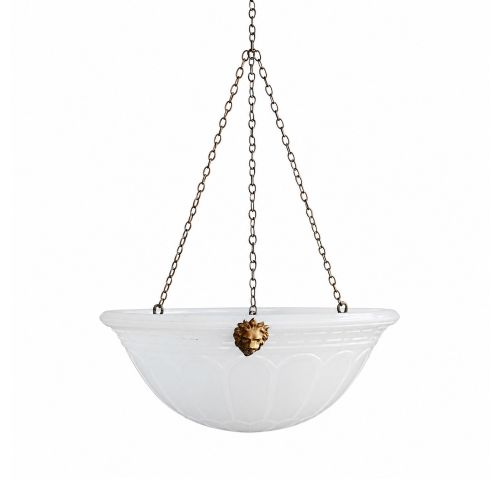
An opal glass ceiling light brings together functional illumination and distinctive translucent shades found across residential and commercial interiors from the nineteenth century into the mid-twentieth century. When searching for an opal glass ceiling light, buyers encounter pendant lights, ceiling lights, lampshades, and ceiling lighting spanning Edwardian, industrial, and Art Deco styles.
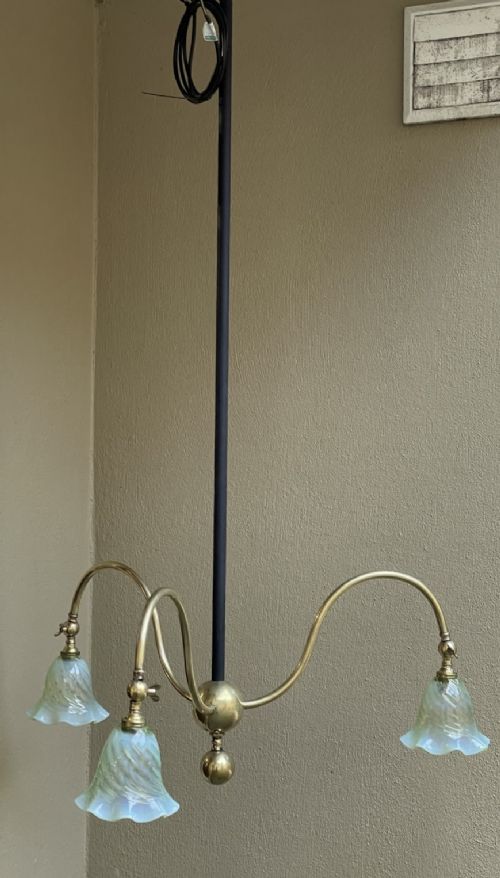
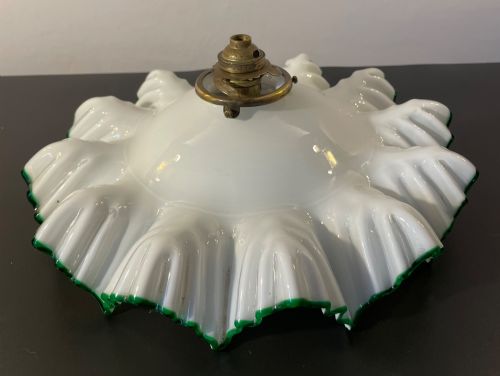
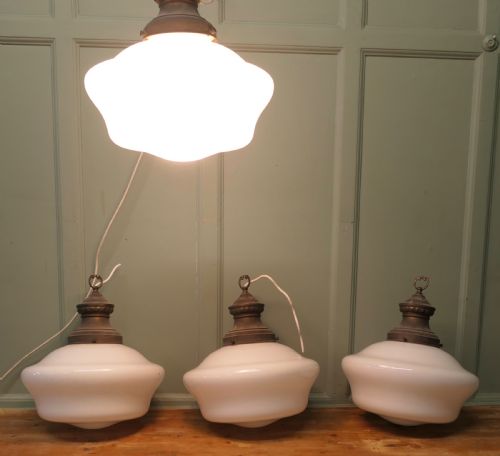
The pieces appearing on this page originate predominantly from the early twentieth century, including the nineteen-tens, nineteen-twenties, and nineteen-thirties, alongside nineteenth-century examples. Common forms range from simple conical pendants and large pharmacy globes to multi-light fixtures and frilled lampshades.
Industrial ceiling lights and French frill lampshades represent frequent finds alongside English moonstone lights and opalescent ceiling pendant bowls. Brass and chrome galleries frequently secure these glass shades to fabric cords or metal suspension systems.
Materials and construction
Makers utilised various forms of specialised glass, including opaline glass, moonstone glass, opalescent glass, and milk white glass, to achieve the characteristic milky opacity that softens harsh bulb glare. This glass is typically blown or moulded into specific profiles, such as conical pendants, hemispherical bowls, or spherical globes.
Metal components such as brass and chrome form the galleries, fitments, and ceiling suspensions that support the heavier glass shades. Fabric cords frequently manage the electrical drop on pendant configurations, connecting the ceiling fixture to the shade holder.
Listings feature opal glass ceiling lights spanning the nineteenth century through the nineteen-thirties, incorporating Edwardian, industrial, and Arts and Crafts styles.
Factors of quality
The distinction between standard utility lighting and superior examples lies in the depth and evenness of the glass coloration, where higher quality pieces display a rich, cloud-like density rather than flat opacity. The weight and thickness of the glass shade itself indicate the standard of manufacture.
The integrity and original finish of associated metalwork, such as brass galleries and enamelled ceiling suspensions, dictate the overall coherence of the fixture. Matching sets, such as groups of large industrial ceiling lights or pairs of opaline pendants, command greater consideration than isolated examples.
Jefferson
The Opal Glass Ceiling Light Glossary
- Opaline glass
- A type of semi-translucent glass that gained popularity in the nineteenth and twentieth centuries for its milky, pastel appearance. It diffuses light evenly without significant glare.
- Moonstone glass
- A specific variety of translucent white glass characterised by a soft, shimmering quality that resembles the mineral it is named after. It appears frequently in early twentieth-century English lighting.
- Gallery
- The metal ring or collar that grips the top rim of a glass lampshade and connects it to the suspension cord or rod. Galleries are often cast in brass or finished in chrome.
- Opalescent glass
- Glass that displays milky or iridescent blue and yellow tones when lit from within. It creates a subtle play of colour across the surface of the shade.
- Pendant light
- A hanging light fixture that is suspended from the ceiling by a cord, chain, or metal rod. These fixtures concentrate light downward over a specific area.
Opal Glass Ceiling Light: Frequently Asked Questions
What is the difference between opaline and moonstone glass?
Opaline glass generally refers to a dense, milky-white material developed to imitate porcelain or jade, showing uniform opacity. Moonstone glass possesses a softer, more ethereal translucency with a subtle mottled effect.
Both materials serve the same primary function of softening electric light, but they scatter the beam differently depending on the thickness of the blown layer.
Are these lights suitable for low ceilings?
Certain configurations, such as flush-mounted ceiling lights and diminutive shade pendants, suit rooms with restricted vertical clearance. Adjusting the fabric cord or suspension length also helps tailor the drop.
Larger pendant lights and multi-light fixtures require higher ceilings to hang properly without dominating the proportion of the room.
How do I date an opal glass ceiling light?
Dating relies on stylistic markers such as the presence of an Art Deco stepped gallery, an Edwardian brass suspension, or the robust proportions typical of nineteen-thirties industrial pieces. The manufacturing technique of the glass and the type of metal fitment provide further clues.
Comparing the shade profile to documented examples from periods like the Arts and Crafts movement or the early twentieth century narrows the timeframe.