



Brass Taper Stick Holders
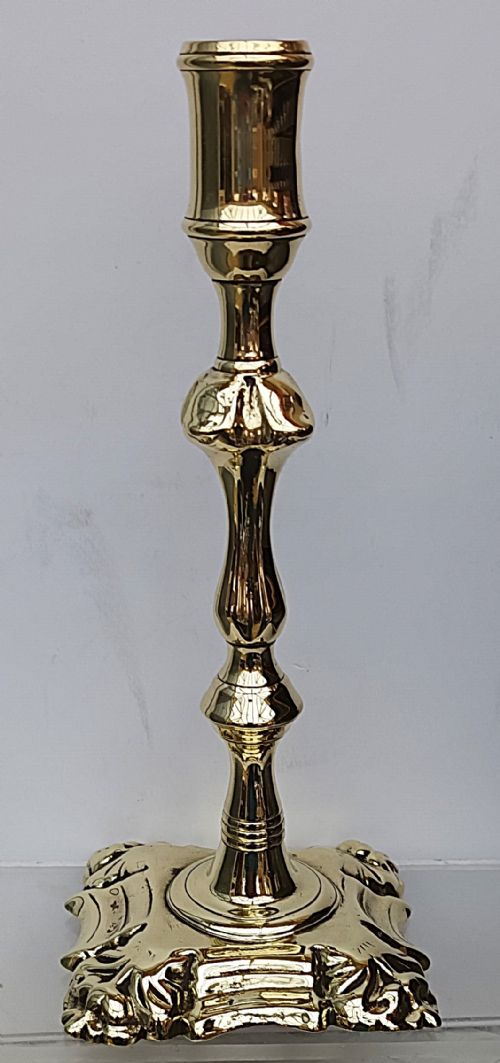
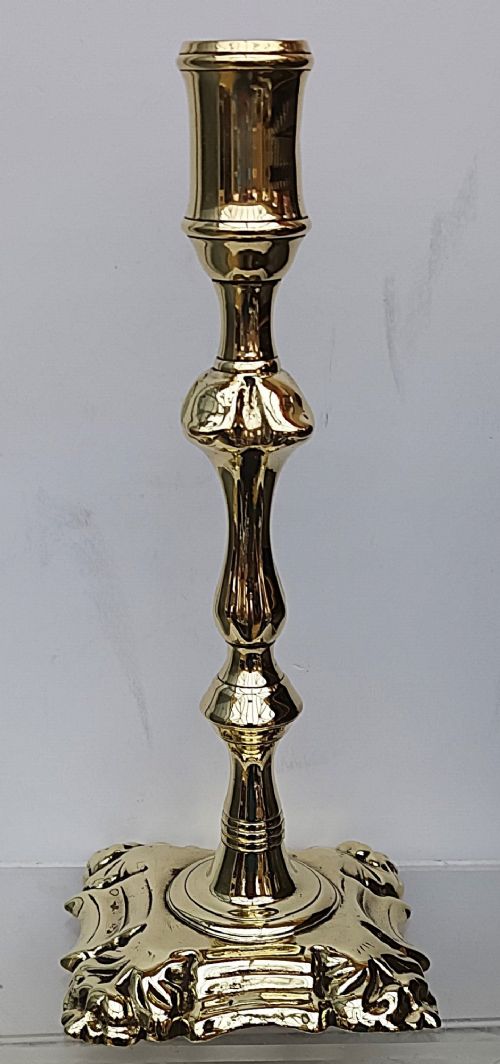
These brass taper stick holders are small, practical domestic lights designed for carrying tapers or candles, prized for their fine metalwork and period character.
Brass Taper Stick Holders
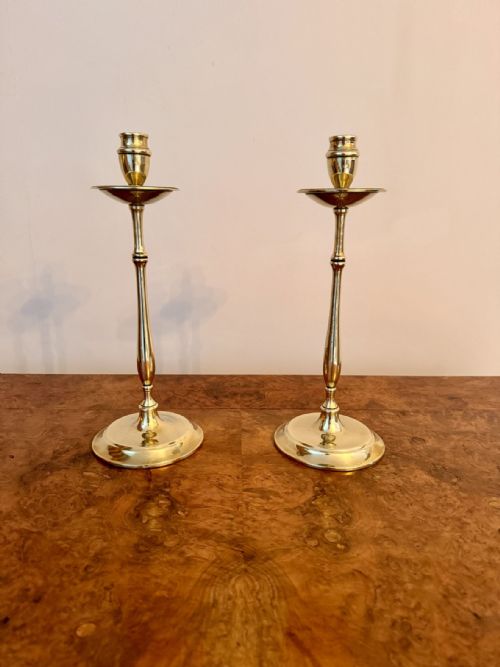
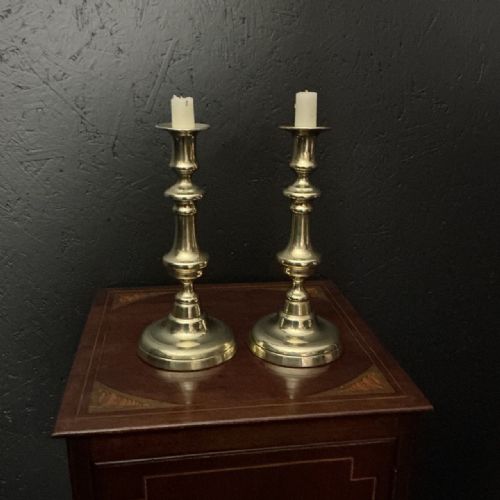
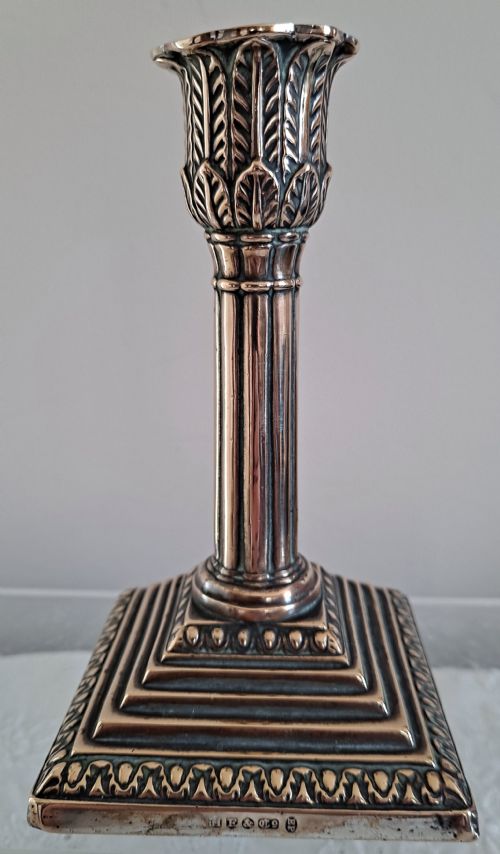
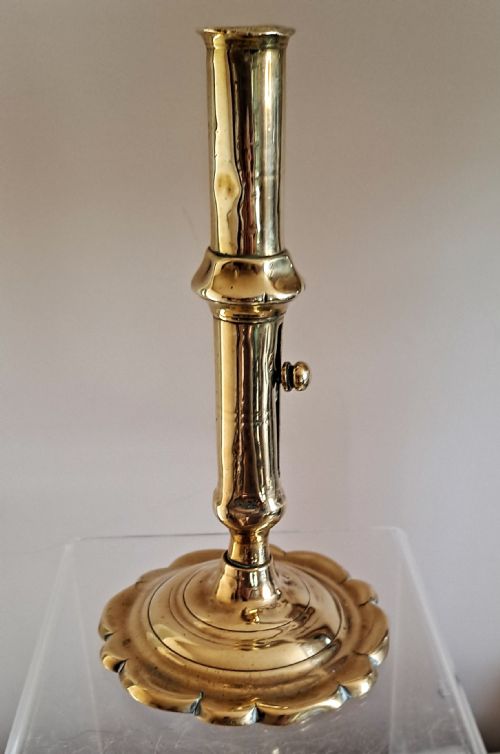
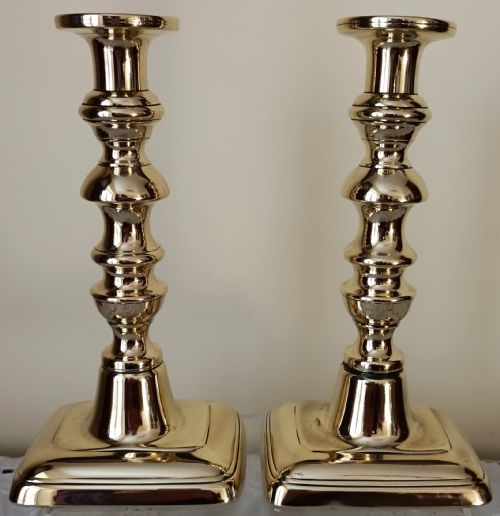
Brass taper stick holders are domestic lighting accessories intended for carrying candles or wax tapers safely around a home. When you search for brass taper stick holders, you encounter items shaped like miniature candlesticks or chambersticks, often designed for desks or bedside use. The examples recorded here span from the 18th century through the Georgian, Victorian, and Edwardian periods, stretching into the early 20th century.
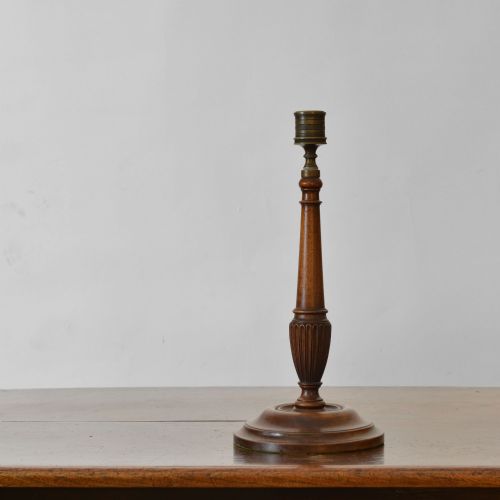
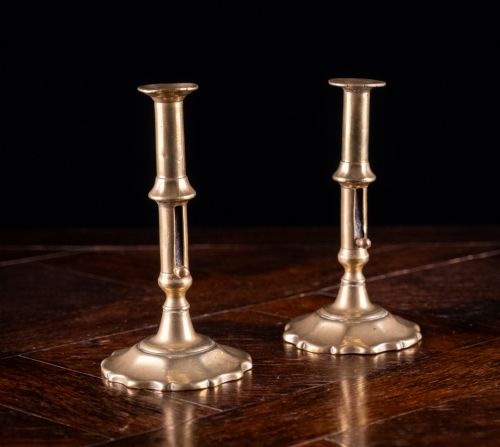
The forms on this page include pairs and single pieces executed as standard candlesticks, chambersticks, and desk lights. Materials extend beyond plain brass to bronze, cast brass, silver plate, copper, mahogany, gilt brass, and glass. Many pieces display distinct stylistic traits from the Georgian and Victorian eras, alongside specific variations such as petal bases, hexagonal shapes, and seamed construction.
How they were made
Makers utilised brass and bronze as primary metals, frequently employing casting techniques to create solid forms with detailed stems and bases. Seamed construction appears on mid-18th century pieces, where sheet brass was shaped and joined before finishing. Turning on a lathe formed smooth, symmetrical profiles for shafts and sockets, while other examples incorporated cast components assembled by hand.
Surface treatments vary according to period, ranging from polished bright brass to gilt brass, ormolu, and silver plating over base metals. Some specimens integrate secondary materials like mahogany bases, glass lustre drops, or decorative inlays such as cloisonné and micro mosaic on chamber sticks.
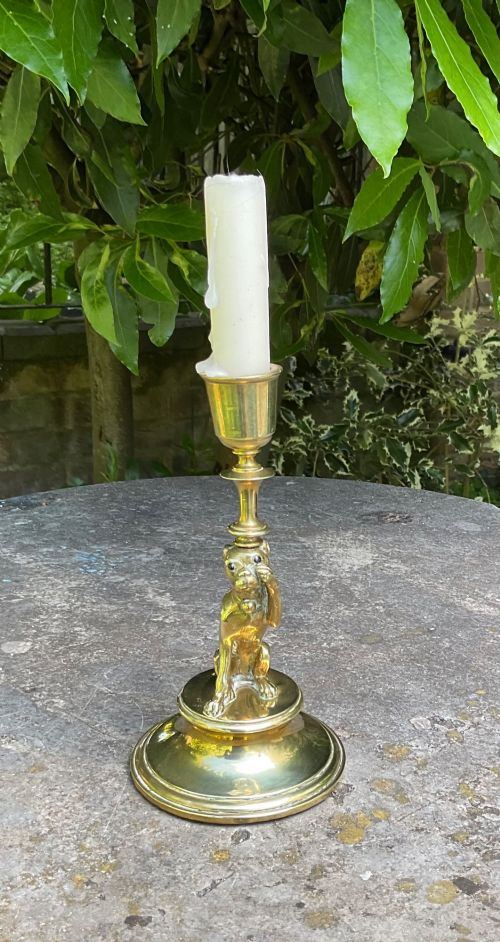
The documented forms include standard candlesticks, desk lights, chamber sticks, and novelty animal designs.
What varies in quality
Quality in these domestic lighting pieces rests on the crispness of casting detail and the proportion of the form. Early examples with sharp mouldings, well-balanced proportions, and heavy metal weight stand apart from simpler or later mass-produced items. The integrity of construction, such as tight joints on seamed brass and clean turning marks, signals superior workshop execution.
The choice of materials and secondary decoration also dictates the tier of a piece. Standard brass items differ significantly from those enhanced with gilding, fine ormolu mounts, or combined media like glass and mahogany. Original surface patination and the survival of matching pairs further distinguish finer examples.
J.T. & Co·J. Miller
The Brass Taper Stick Holders Glossary
- Chamberstick
- A low candlestick fitted with a shallow pan to catch melting wax and a ring handle for carrying from room to room. These portable lights were common in bedrooms and hallways.
- Seamed
- A method of construction where sheet metal is bent and joined along a vertical seam to form the stem or socket. This technique is typical of mid-18th century production before full casting methods dominated.
- Petal base
- A candlestick base shaped with scalloped, overlapping lobes resembling flower petals. This decorative outline is frequently found on Georgian brass examples.
- Ormolu
- Finely ground high-carat gold applied to a bronze base using a mercury amalgamation process. The technique produces a rich, durable golden surface seen on finer decorative pieces.
- Beehive
- A turned brass stem profile characterised by concentric, rounded bands resembling a traditional beehive. This shape appears on late 19th-century candlesticks.
Brass Taper Stick Holders: Frequently Asked Questions
What is a taper stick holder used for?
These small holders were designed to support thin wax tapers used for melting sealing wax on letters or for carrying a brief flame through a dark house.
They provided a stable base for low-intensity lighting before the widespread availability of gas and electric illumination.
How do I tell an 18th-century candlestick from a later copy?
Early pieces often show construction marks such as seamed shafts, heavy cast brass weight, and base wear consistent with age. Tool marks left by lathe turning differ from modern uniform manufacturing.
Period details like petal bases, hexagonal forms, and specific patination develop over centuries of handling and cleaning.
Are chambersticks different from standard candlesticks?
Chambersticks feature a wide saucer pan at the base and a small loop handle designed for carrying. Standard candlesticks lack this finger ring and pan.
The dish caught dripping wax while the holder was carried between rooms during the evening.
How should I clean antique brass holders?
Most collectors prefer to leave an aged patination undisturbed rather than polishing the metal to a bright shine. Gentle dusting with a soft cloth preserves the historical surface.
Avoid harsh commercial metal cleaners that strip away centuries of accumulated oxidation and darkening.