
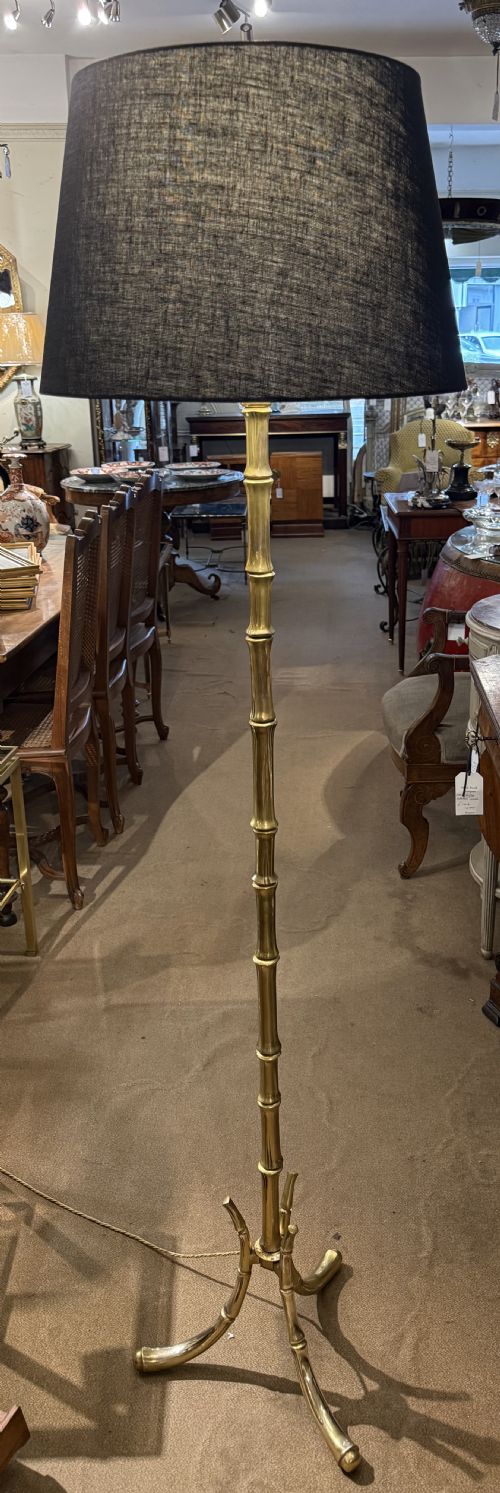
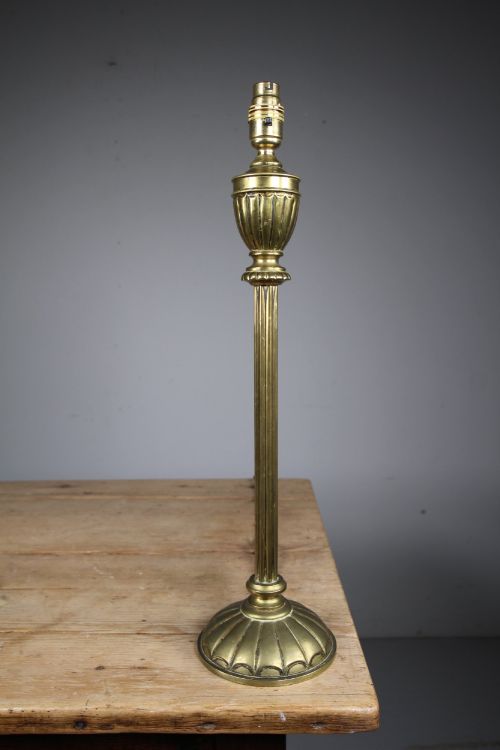
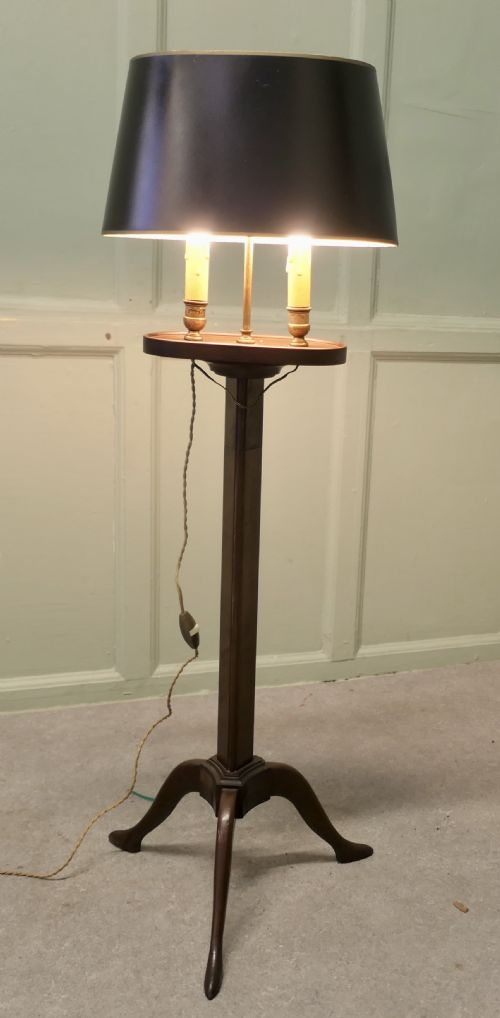
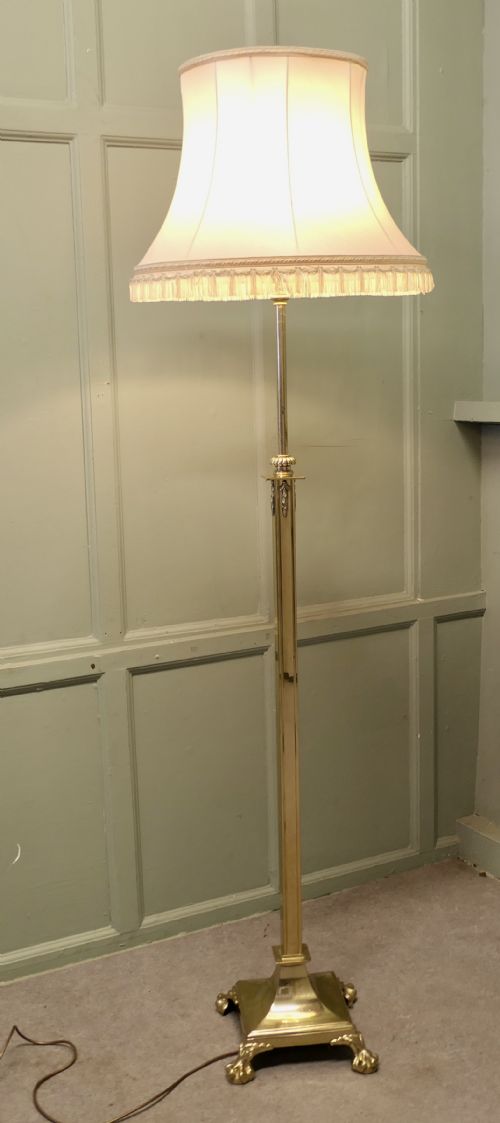




Brass Tall Reading Light
A brass tall reading light brings focused illumination and period character to a room, ranging from telescopic floor standards to adjustable table lamps.
Brass Tall Reading Light
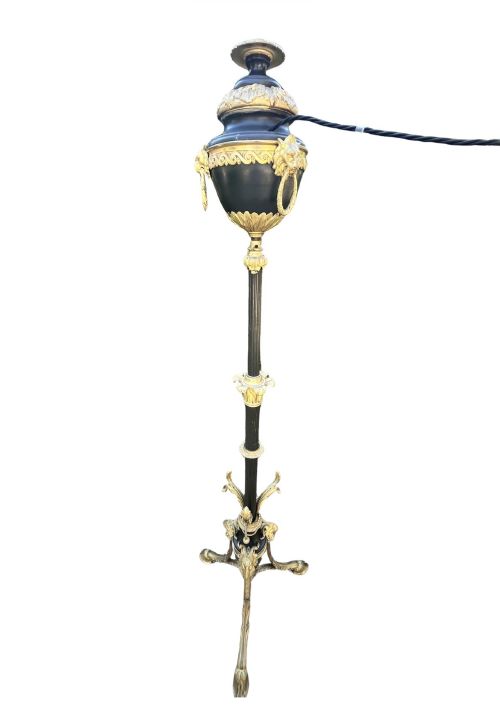
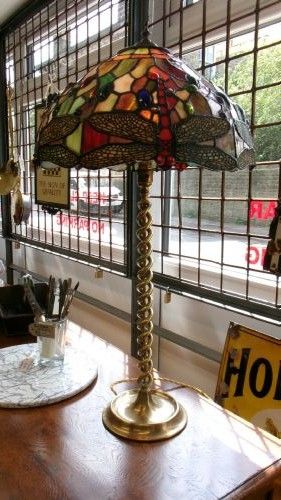
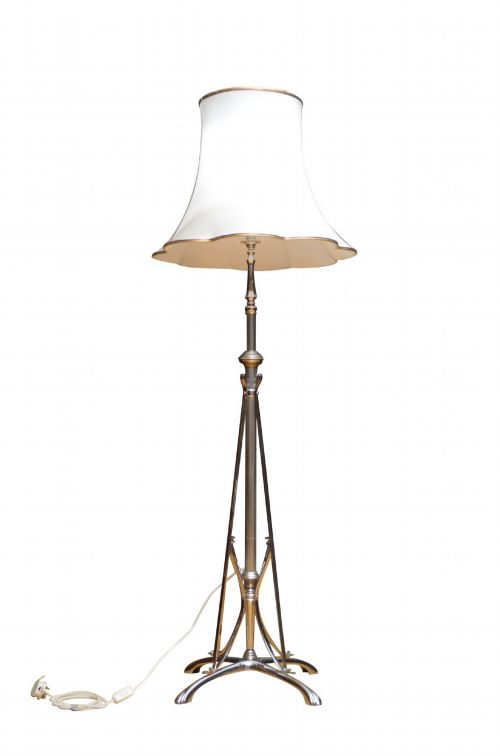
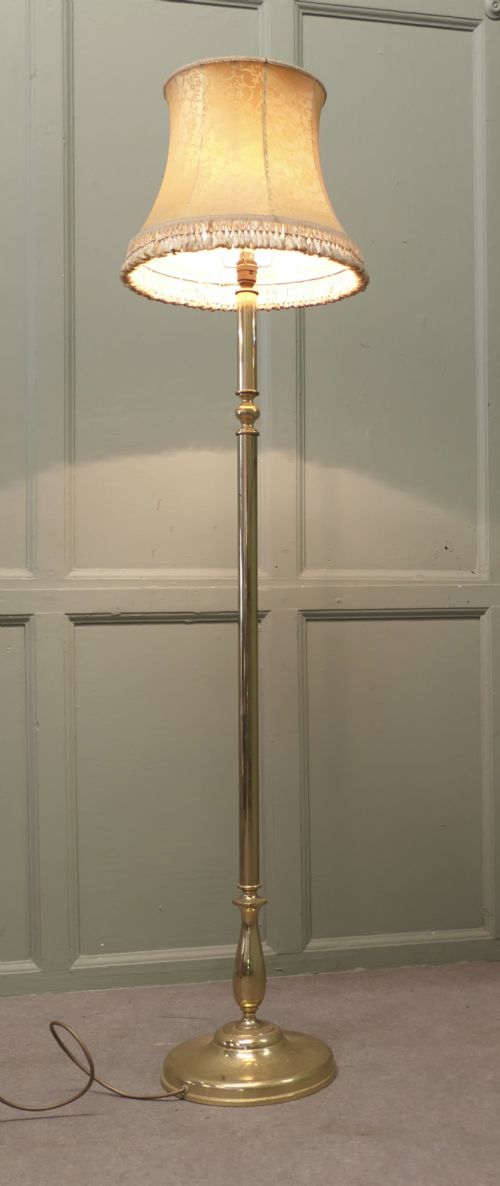
A brass tall reading light serves as both a practical task lamp and a striking vertical element in a room. These pieces appear in forms such as floor standards, standard lamps, and tall table lamps designed to cast light directly where it is needed.
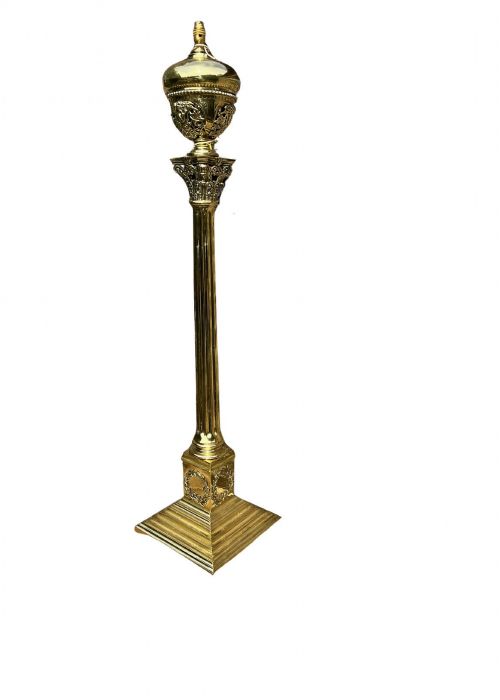
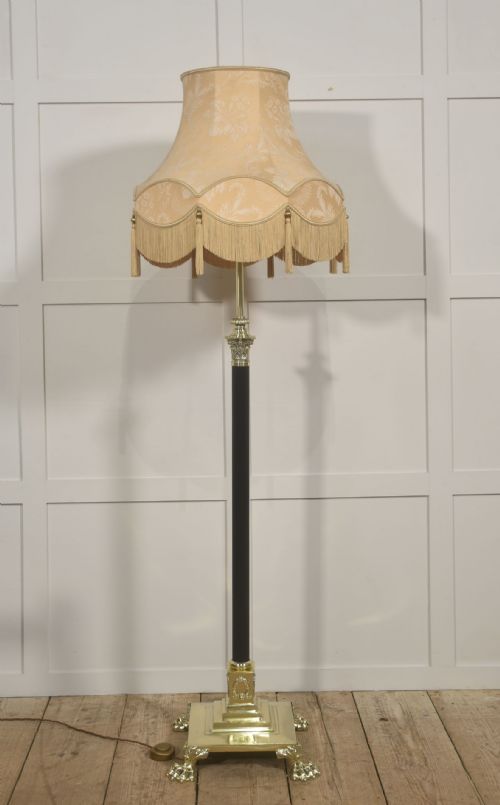
The selections span from the mid nineteenth century through the Edwardian era and into the Art Deco period. Buyers frequently encounter telescopic stems, Corinthian columns, and adjustable arms intended to alter the height and angle of the illumination.
The inventory includes examples featuring combined materials such as onyx bases, opaline glass shades, and black tôleware accents. Makers and designers represented in the selection range from Hinks to Maison Bagues and Whytock and Reid.
Distinguishing quality and execution
Quality shows in the weight of the casting and the precision of the telescopic extension mechanism. Superior examples maintain stability at full extension without wobbling at the joints.
Refinement appears in the detailing of column capitals, such as crisp fluting on Corinthian designs or neatly turned open twists in the metal shaft. The integration of secondary materials, including fitted opaline glass and solid onyx sections, marks higher grade production.
Listings feature brass tall reading lights spanning the 1850s to the 1930s, incorporating materials like onyx, bronze, and opaline glass alongside standard brass.
Hinks·Maison Bagues·Whytock and Reid
The Brass Tall Reading Light Glossary
- Telescopic
- An adjustable stem design allowing the upper section of the lamp to raise and lower on an inner sliding tube. This mechanism enables precise height control for reading.
- Standard lamp
- A British term for a floor-standing lamp designed to sit beside a chair or sofa. These tall fixtures typically hold a single bulb beneath a fabric or glass shade.
- Bouillotte lamp
- A traditional table lamp style featuring a central shaft, often with multiple candle-form lights, paired with an adjustable metal or card shade. The design derives from eighteenth-century card playing lighting.
- Opaline glass
- A pale, translucent white glass often used for lamp shades to diffuse light softly. It imparts a milky appearance when unlit and glows evenly when illuminated.
- Corinthian column
- An architectural column style featuring ornate leaf-carved capitals at the top. This classical form appears frequently on nineteenth-century standard lamp shafts.
Brass Tall Reading Light: Frequently Asked Questions
How do I adjust a telescopic floor lamp?
Telescopic lamps use an inner sliding brass tube secured by a thumbscrew or friction collar. Loosen the collar gently while supporting the upper section, slide it to the desired height, and tighten it again.
Avoid forcing older metal mechanisms if they stick. A small application of light machine oil on the inner tube can help free a stubborn adjustment.
Where should I place a standard reading lamp?
Standard lamps work best positioned beside a reading chair, sofa, or in the corner of a room where vertical height adds balance. Their elevated reach allows light to cast down over the shoulder for reading.
Ensure the heavy base sits securely on a flat surface, particularly when the lamp is extended to its maximum height.
How can I date an antique brass lamp?
Dating relies on stylistic details, construction methods, and materials such as cast iron bases or opaline glass shades. Mid nineteenth-century pieces often feature heavy Corinthian columns, while 1930s examples lean towards modernist lines.
Rewired fixtures retain their original metal stands and switches, which offer further clues through patent numbers or maker stamps.
Are these lamps safe to use today?
Many period lamps arrive rewired or require professional rewiring to meet modern electrical standards. Replacing old fabric cords and worn lamp holders ensures safe daily use in the home.
Consult a qualified electrician to check the internal wiring and ensure the brass components are properly earthed.