


Brass Stem Candlesticks
Brass stem candlesticks bring domestic illumination from past centuries into the modern room through substantial metalwork and clean, upright forms.
Brass Stem Candlesticks
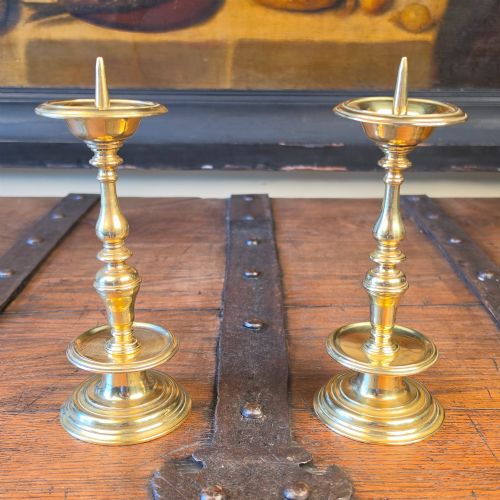
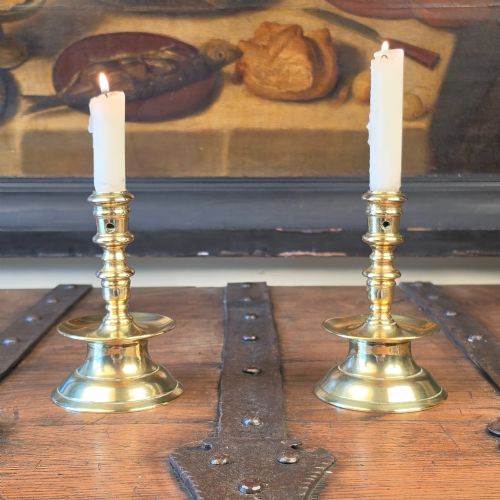
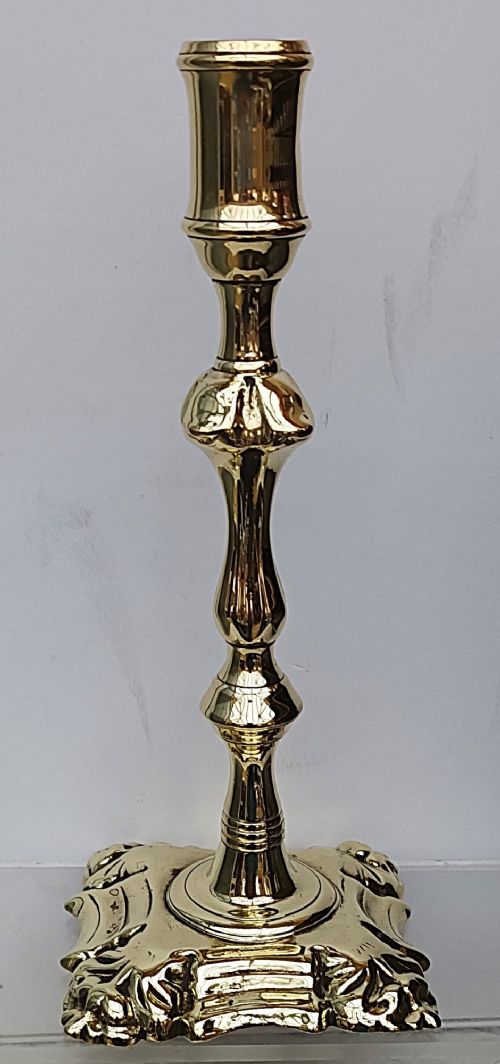
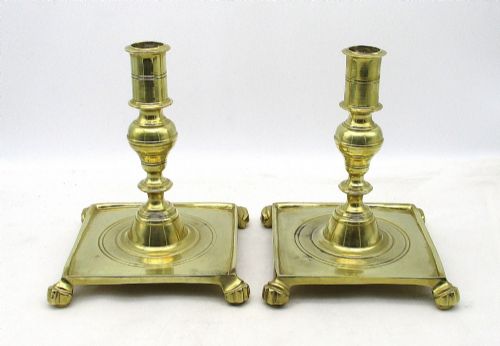
Brass stem candlesticks are domestic lighting fixtures designed to hold tallow candles or wax tapers securely on tables, mantelpieces, and sideboards. The pieces available here span several centuries of design, encompassing functional household items as well as decorative examples.
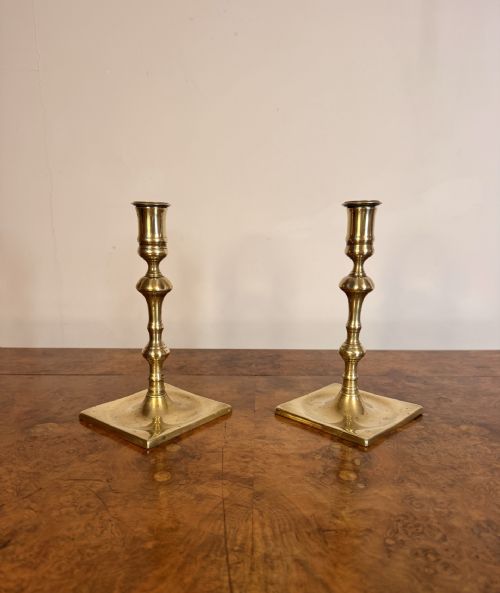
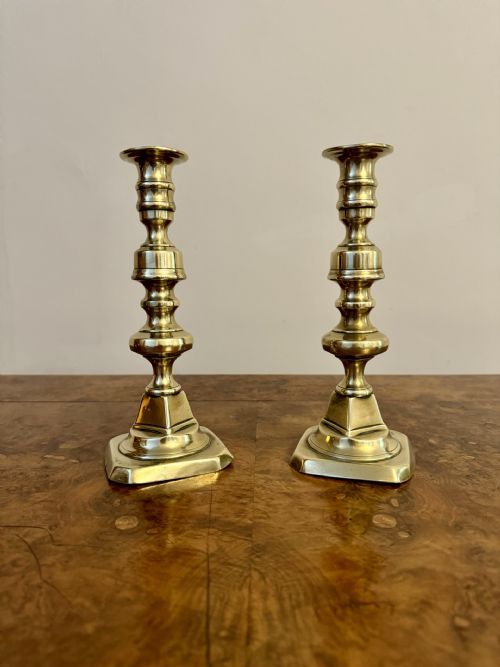
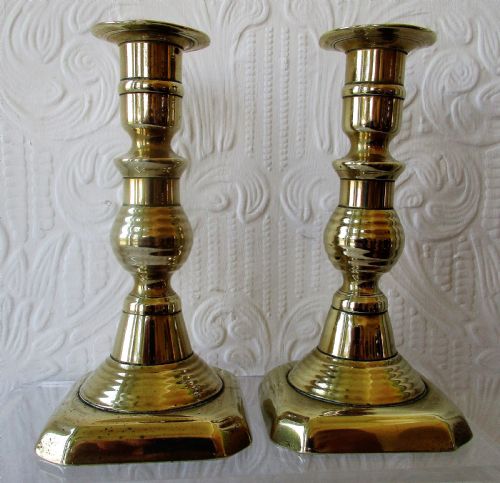
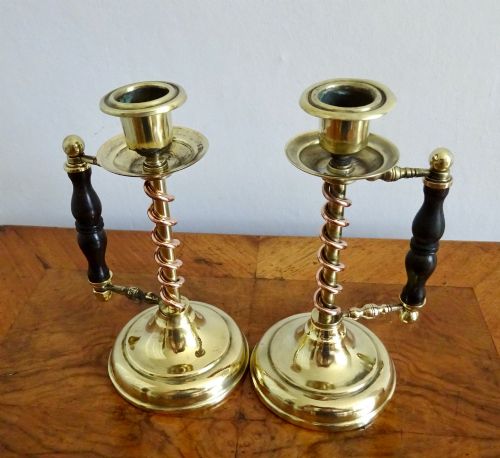
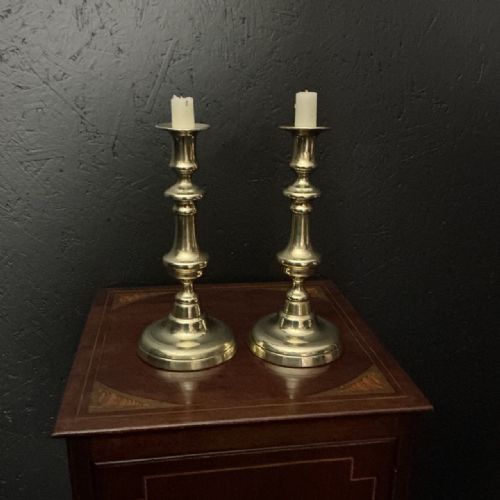
The version most commonly met on this page is the paired set dating from the eighteenth and nineteenth centuries, often showing Georgian or Victorian stylistic traits. These items range from simple domestic forms to ecclesiastical designs and examples incorporating copper or wood elements.
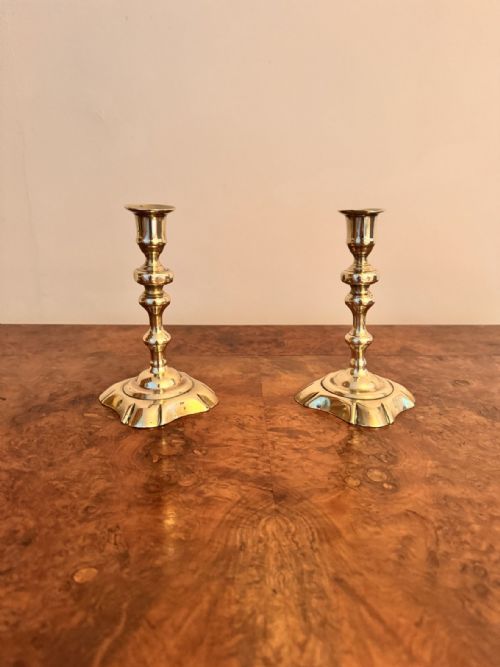
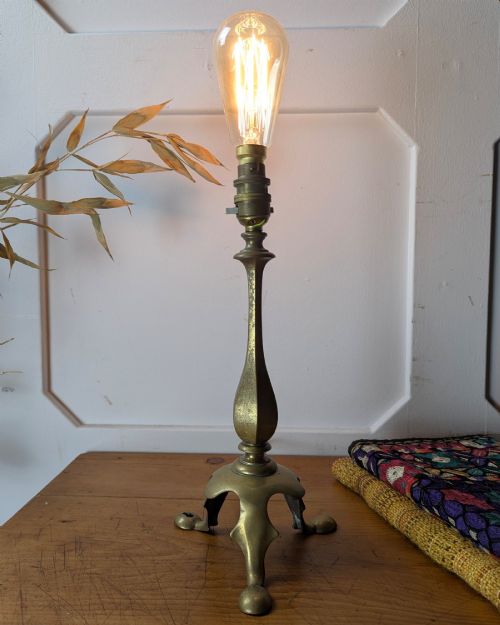
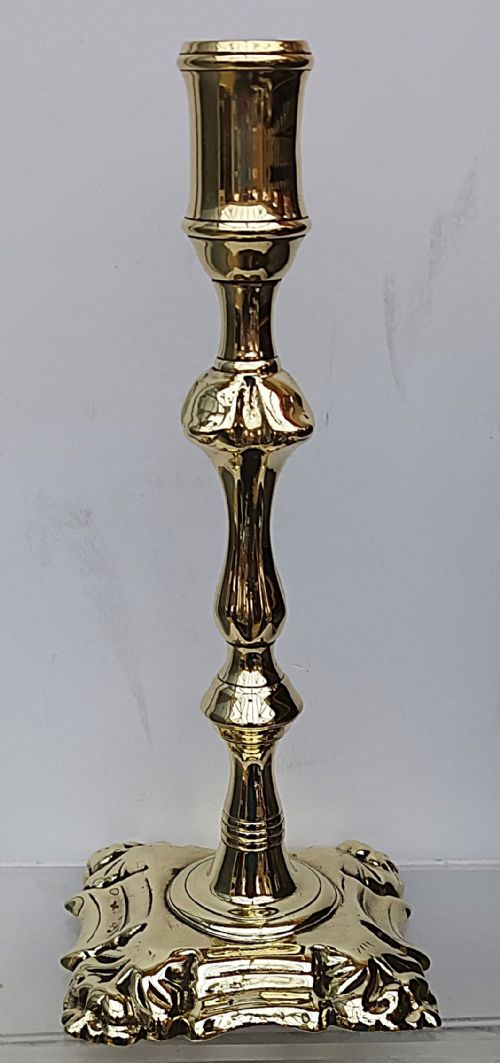
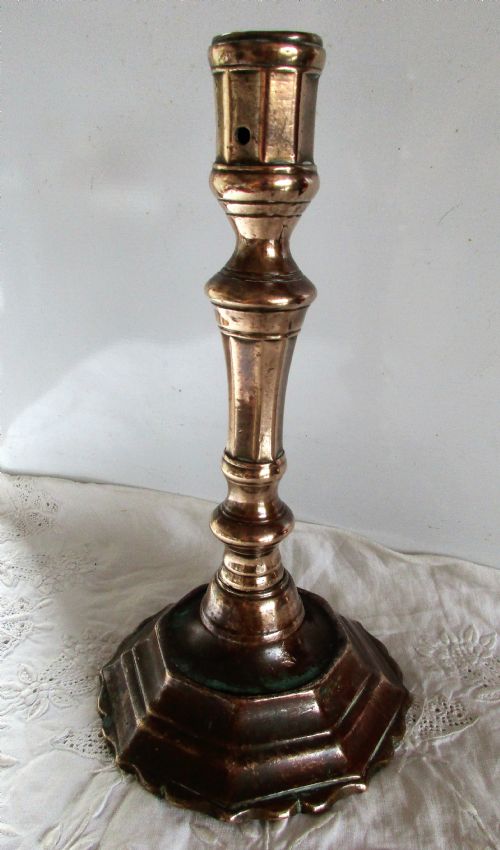
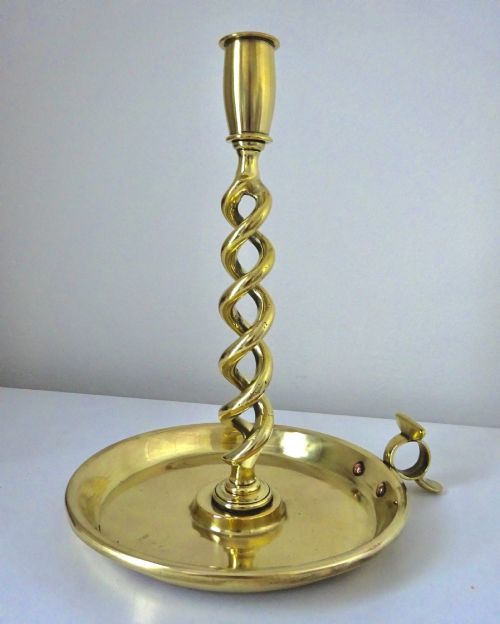
Makers produced these objects in various heights and column profiles, including hexagonal baluster shapes, twisted stems, and petal bases. While many remain straightforward candleholders, some examples adapt later to electrical fittings or feature integrated trays and handles.
How they were made
Foundry workers cast these pieces using brass, bell metal, and bronze, often pouring molten alloy into multipart sand or loam moulds before finishing the components on a lathe. This casting method produced the crisp architectural lines seen on hexagonal balusters and moulded stepped bases.
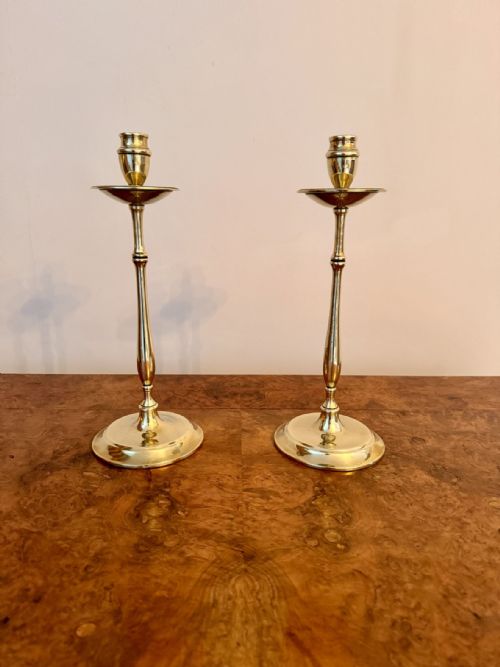
Artisans also utilised sheet copper and brass in combination during the later periods, particularly for Arts and Crafts and Aesthetic Movement designs that favoured contrasting metal tones. Turning techniques created the twisted columns and spiral stems found on nineteenth-century examples.
Brass Stem Candlesticks Retail Price Guide 2026
Typical asking prices for brass stem candlesticks among the pieces listed under this phrase on Sellingantiques today, from the lower quarter to the upper quarter. They describe what is for sale here now, not the wider market.
Some stems twisted so severely in the workshop that they ended up looking like molten peppermint sticks.
What varies in quality
The standard of a piece depends on the crispness of the casting detail and the proportion of the stem to the base, where heavier metal gauge provides stability and longevity. Earlier examples display sharper junctions in the mouldings and substantial weight through solid construction.
Subtleties in surface finish and the integrity of the original components distinguish finer items from standard production, particularly where hand-finishing has cleaned up the cast texture. Design ambition also elevates certain pieces, such as those featuring complex twisted columns or documented artistic design.
Dr Christopher Dresser
The Brass Stem Candlesticks Glossary
- Baluster
- A moulded column with a swelling profile that tapers towards the top, commonly utilised in seventeenth and eighteenth-century candlestick stems.
- Bell metal
- An alloy of copper and tin that produces a resonant sound when struck, frequently utilised for early candlestick production.
- Petal base
- A foot moulding shaped like overlapping flower petals, typical of certain early eighteenth-century candlestick designs.
- Heemskerk
- A distinct style of Dutch brass candlestick featuring a multi-knopped stem and a wide drip pan, dating from the seventeenth or early eighteenth century.
- Ecclesiastical
- Pertaining to items made for church use, often heavier in scale and more ornate than domestic counterparts.
Brass Stem Candlesticks: Frequently Asked Questions
How do I date an old brass candlestick?
Dating relies on observing base shapes, manufacturing methods like casting seams, and stylistic details such as knops or drip pans.
Early pieces often feature multi-component construction joined by threaded spigots or pins, whereas later Victorian and Edwardian examples show more standardised machine production.
Were these items meant for daily use?
Most domestic examples served practical lighting functions in homes before the widespread adoption of gas and electric lighting.
Heavier ecclesiastical or decorative variants remained static on altars or formal mantelpieces rather than moving around the house.
How do I clean tarnished brass safely?
Gentle washing with warm soapy water and a soft cloth removes surface grime without stripping the aged patina that collectors value.
Harsh chemical abrasives should be avoided because they remove the historical surface and alter the natural colour of the metal.
What is a Heemskerk candlestick?
It is a specific seventeenth-century Dutch form featuring a central drip pan and distinct knopped columns.
These pieces represent some of the earliest surviving brass lighting formats found in domestic collections today.