





Brass Standing Frame
These brass standing frame examples bring gleaming metalwork and desk presence to portraits and photographs, offering a stable display for surfaces around the home.
Brass Standing Frame
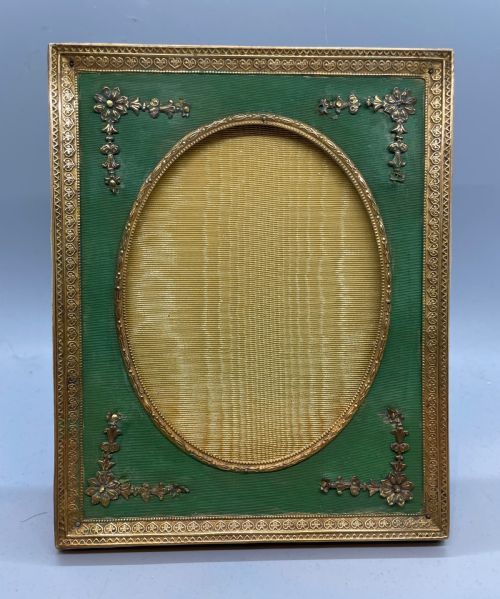
A brass standing frame brings portable display metalwork to the desktop, mantelpiece, or dressing table. When you search for a brass standing frame, you encounter Victorian and Edwardian items designed to hold photographs, miniatures, or small plaques with reliable support.
The selections on this page span the nineteenth century through the early twentieth century, showing periods from the Victorian era to Edwardian workshops. Styles shift from plain utility to Louis XVI Revival and French ormolu designs.
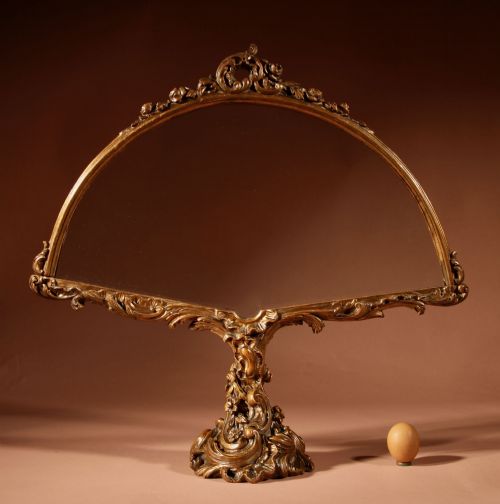
While the term points directly to metal photograph and picture holders, listings also reveal related standing desk accessories and mirrors incorporating brass elements. Most surviving examples rely on easel backs or hinged supports to remain upright on a flat surface.
How they were made
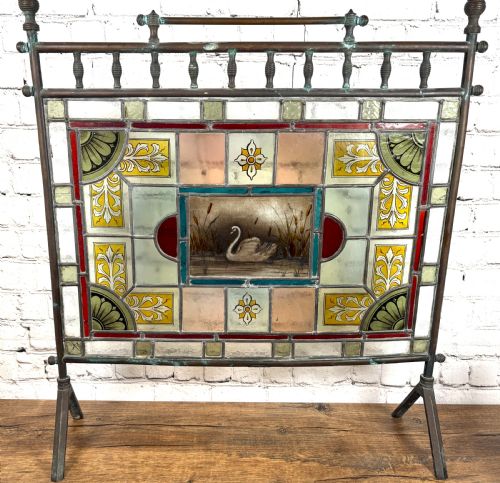
Makers constructed these pieces primarily from brass, ormolu, and gilt bronze, often mounting them with glass plates to protect the image within. Wood components such as mahogany and oak frequently appear alongside the metal work to form backing boards or structural supports.
Surface decoration relies on repoussé hammering, cast ornamentation, and applied paste stones to create texture and visual weight. These techniques allowed nineteenth-century metalworkers to produce decorative borders and hinged easel stands that combined structural metal with softer timber or glass elements.
Brass Standing Frame Retail Price Guide 2026
Typical asking prices for brass standing frame among the pieces listed under this phrase on Sellingantiques today, from the lower quarter to the upper quarter. They describe what is for sale here now, not the wider market.
Some frames double as calendars or hold tiny portraits of forgotten Earls.
What varies in quality
The standard of a frame depends heavily on the crispness of the casting and the depth of the repoussé work in the brass or ormolu. Finer examples show sharp relief in floral or rococo scrolls, whereas simpler pieces rely on flat stamped sheet metal.
Weight and structural integrity also separate tiers of production, seen in heavy cast bronze frames compared to lighter plated alternatives. The quality of the rear easel mechanism and the retention of original glass or backing materials dictate the overall integrity of the piece.
Moseley·Berlin KPM·Versace
The Brass Standing Frame Glossary
- Ormolu
- Gilt bronze ornamentation applied to furniture and decorative objects. The technique involves treating metal with a mercury and gold amalgam to achieve a rich golden surface.
- Repoussé
- Metalworking technique where the artisan hammers the metal from the reverse side to form a raised design in relief. This method creates decorative borders on picture frames and mirrors.
- Easel back
- A hinged support attached to the rear of a frame allowing it to stand upright on a table. Most standing frames utilise this folding leg for stability.
- Bevelled plate
- Glass with an angled edge ground down to create a decorative perimeter. This treatment adds depth and light refraction to mirrors and picture frames.
- Gilt metal
- Base metal treated with a gold-coloured wash or thin plating. It provides the appearance of solid gold or high-grade bronze at a lower manufacturing cost.
Brass Standing Frame: Frequently Asked Questions
What is a brass standing frame used for?
These frames serve primarily to display photographs, small paintings, and paper portraits on desks, mantelpieces, and dressing tables. They allow personal images to stand upright without requiring wall mounting.
Beyond photographs, similar standing brass work accommodates small mirrors, plaques, and printed calendars. Their portability made them popular household accessories throughout the Victorian and Edwardian periods.
How do I date an antique brass frame?
Dating relies on stylistic clues, manufacturing techniques, and the materials used for the backing boards and fastenings. Victorian examples often feature heavy cast brass or elaborate floral repoussé work.
Edwardian and later nineteenth-century pieces frequently display lighter construction, French revival influences, or stamped hallmarks. Examining the screws, hinges, and glass bevelling helps narrow down the period of production.
What is the difference between ormolu and brass?
Brass is an alloy of copper and zinc, valued for its bright golden appearance and durability in everyday objects. Ormolu specifically refers to finely chased gilt bronze used in decorative arts.
While standard brass frames were cast or stamped for general household use, ormolu items involved more intensive gilding processes. Ormolu typically appears on high-end French revival and decorative pieces.
How should I clean antique brass frames?
Cleaning antique brass requires gentle handling to preserve the aged patina that accumulates over decades of exposure. Avoid harsh chemical dips that strip away historical character and leave the metal unnaturally bright.
Dust the surface with a soft, dry cloth and use minimal non-abrasive metal cleaner only when necessary. Protecting the surrounding glass and fabric backings during cleaning prevents accidental damage.