





Brass Spice Mortar
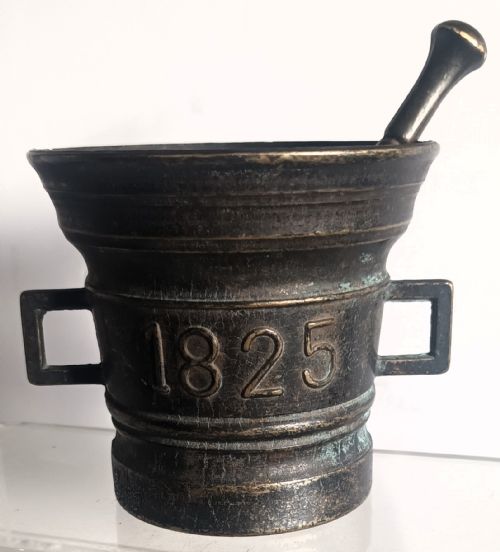
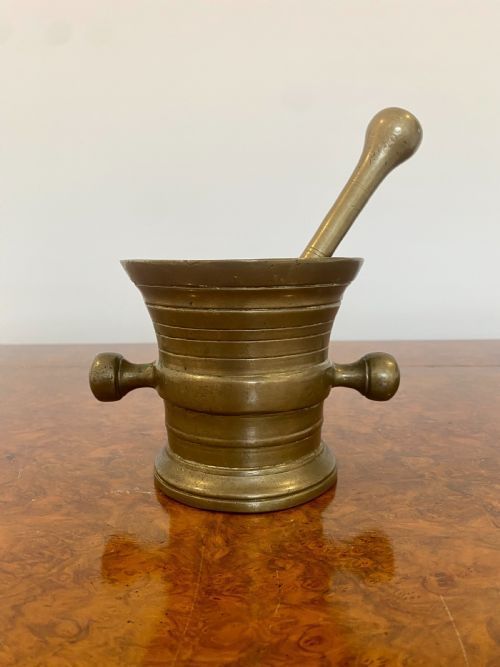
These heavy metal vessels, known as a brass spice mortar, ground herbs and resins in domestic kitchens and apothecary shops.
Brass Spice Mortar
A brass spice mortar is a heavy vessel designed for pounding and grinding kitchen ingredients or apothecary compounds alongside a matching pestle. When you search for this phrase, you encounter heavy cast metal bowls spanning multiple centuries.
The pieces on this page originate from English workshops as well as continental European centres such as Holland and Indo-Persian regions. You find forms dating from the seventeenth century through the Georgian and Victorian eras.
Kitchen and apothecary items dominate the selection, often retaining their original pestles. The material ranges from cast brass and bronze to bell metal.
How they were made
Each brass spice mortar takes shape through metal casting, utilising alloys of copper and zinc or tin to create thick, heavy walls that withstand heavy pounding. Founders poured molten bronze, brass, or bell metal into moulds, sometimes incorporating decorative surface motifs like Tudor roses.
Makers finished the cast vessels on lathes or by hand to smooth the exterior and interior surfaces. Pestles were shaped to match the contours of the bowl cavity for efficient grinding.
Brass Spice Mortar Retail Price Guide 2026
Typical asking prices for brass spice mortar among the pieces listed under this phrase on Sellingantiques today, from the lower quarter to the upper quarter. They describe what is for sale here now, not the wider market.
Listings on this page span from the seventeenth century through to the Victorian era, utilising bronze, brass, and bell metal.
What varies in quality
The quality of a brass spice mortar depends upon the weight of the metal cast and the crispness of any decorative relief work. Heavier vessels demonstrate a more substantial use of bronze or bell metal.
Proportion and the survival of the matching pestle separate standard examples from finer specimens. Surface patination and the clarity of early foundry marks also distinguish better pieces.
The Brass Spice Mortar Glossary
- Bell metal
- An alloy of copper and tin traditionally used for casting bells, known for its resonant qualities and durability. It provides a particularly tough surface for grinding herbs.
- Apothecary
- A historical practitioner who prepared and sold medicines and drugs. These practitioners utilised heavy mortars for crushing medical ingredients.
- Georgian
- The period covering the reigns of the first four British monarchs named George, spanning from seventeen fourteen to eighteen thirty.
- Tudor rose
- The traditional floral heraldic emblem of England, frequently cast as a decorative motif on seventeenth-century metalware.
Brass Spice Mortar: Frequently Asked Questions
What is a brass spice mortar made of?
These vessels are cast from copper alloys including brass, bronze, and bell metal. The heavy metallic composition provides the structural integrity needed for crushing hard substances.
Foundries selected these specific alloys for their strength and resistance to cracking under repeated impact from a pestle.
How do I date a brass spice mortar?
Dating relies on stylistic clues, rim shapes, decorative motifs, and manufacturing marks. Seventeenth-century examples often feature distinct mouldings and Tudor rose details.
Later Georgian and Victorian pieces tend to display simpler, smoother profiles or specific apothecary stamps associated with nineteenth-century chemists.
Did these mortars belong in kitchens?
Many of these vessels served in domestic kitchens for grinding dry spices, seeds, and culinary herbs. Cooks relied on the heavy pestle to release flavours before cooking.
Other examples originated in apothecary shops where chemists processed roots, resins, and medical compounds for remedies.
How do I look after the metal surface?
Maintaining the surface requires minimal intervention to preserve the historic patination accumulated over centuries. Dusting with a dry cloth keeps the metal stable.
Avoid harsh commercial polishes that strip away the dark, aged finish valued by collectors of early metalware.