





Brass Herb Grinder
These heavy brass herb grinder pieces are solid metal grinding vessels used to crush botanical ingredients, combining practical utility with centuries of kitchen and apothecary history.
Brass Herb Grinder
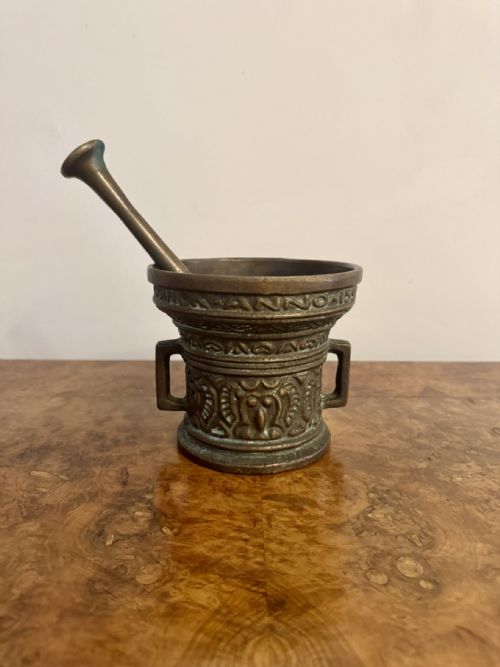
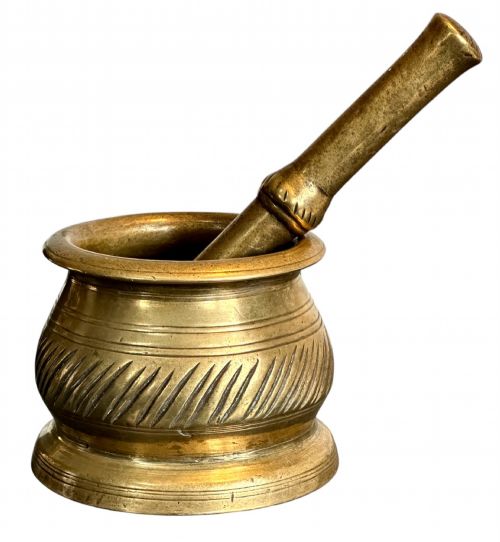
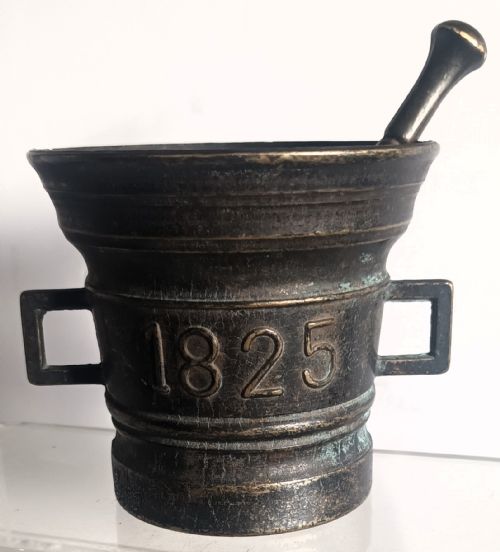
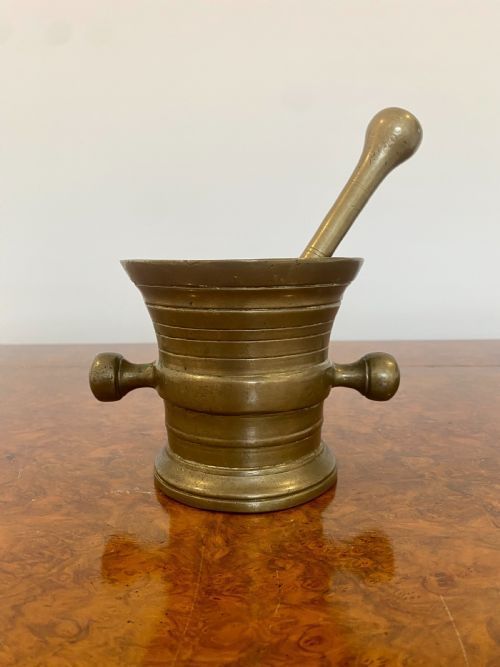
A brass herb grinder typically appears in the physical form of a heavy mortar and pestle, designed for kitchen and apothecary tasks. When you examine this selection, you encounter pieces spanning from the seventeenth century through the nineteenth century.
The objects originate from English, Dutch, and Indo-Persian traditions, reflecting utilitarian domestic use and professional chemist requirements. Most examples seen here date from the Georgian and Victorian eras, alongside older seventeenth-century survivals.
Makers shaped these solid vessels to handle daily crushing duties, resulting in thick walls and substantial weight. They serve as functional kitchen implements and decorative items for modern interiors.
Materials and construction
Craftsmen cast these items using bronze and brass, employing traditional foundry methods that produce thick, durable metal walls. The process involves pouring molten alloy into moulds, followed by hand-finishing and turning on a lathe.
Surviving examples display cast decorative details, ranging from plain utility surfaces to ornamented bowls with moulded rims. Each mortar is paired with a matching pestle designed to fit the interior curve of the grinding bowl.
Brass Herb Grinder Retail Price Guide 2026
Typical asking prices for brass herb grinder among the pieces listed under this phrase on Sellingantiques today, from the lower quarter to the upper quarter. They describe what is for sale here now, not the wider market.
These sturdy vessels survived centuries of aggressive kitchen pounding, outlasting the cooks who deployed them against stubborn seeds.
Assessing quality and character
Quality in these metal vessels lies in the crispness of the cast decoration and the integrity of the surviving metal surface. Finer examples retain clear mould details and pleasing proportions without excessive wear from centuries of use.
The relationship between the mortar and its pestle adds to the desirability of a set, particularly when both pieces share the same period and alloy composition. Patina and surface ageing also contribute to the visual depth of older specimens.
The Brass Herb Grinder Glossary
- Mortar
- The heavy bowl in which substances are crushed or ground using a pestle. It provides a stable, thick-walled base for heavy manual work.
- Pestle
- The heavy, club-shaped handheld tool used with a mortar for pounding and grinding materials. It matches the interior contours of the bowl.
- Apothecary
- A historical practitioner who prepared and sold medicines and herbs, often utilising heavy bronze and brass grinders. These professional tools were standard in chemist shops.
- Patina
- The surface sheen and colour developed over years of handling, exposure, and age. It distinguishes older metalwork from modern reproductions.
Brass Herb Grinder: Frequently Asked Questions
What is a brass herb grinder?
It is a heavy metal mortar and pestle historically used in kitchens and apothecary shops to crush dried plants, seeds, and medicinal ingredients.
The thick metal walls and heavy handheld pestle allow users to grind hard materials efficiently by hand.
How old are these grinders?
The examples available range from the seventeenth century through the Victorian era, including seventeenth-century, Georgian, and nineteenth-century pieces.
Older specimens often show distinct casting characteristics and deeper surface patination compared to later nineteenth-century items.
Were they used for cooking?
Yes, many of these vessels served in domestic kitchens alongside professional apothecary and chemist roles for grinding culinary herbs and spices.
The robust bronze and brass construction made them suitable for continuous daily food preparation.
How do I care for brass?
Maintain the metal by dusting gently with a soft cloth and avoiding harsh chemical cleaners that strip the historic surface.
Allowing the natural patina to remain preserves the character and age appearance of the antique metal.