



Brass Apothecary Set
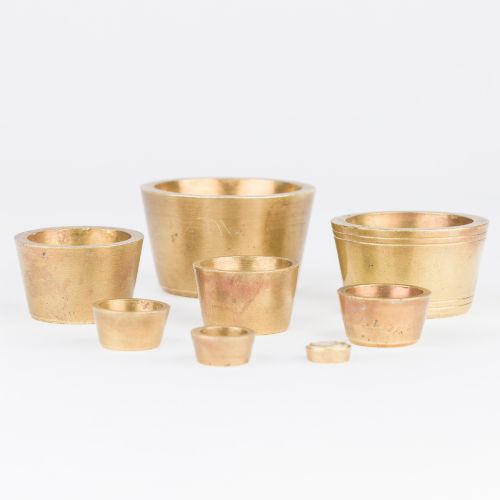
These brass apothecary set pieces are precision instruments and heavy metal mortars built for measuring and grinding, essential for any serious collection.
Brass Apothecary Set
A brass apothecary set comprises utilitarian objects used historically for dispensing medicines and weighing ingredients, spanning periods from the 17th century through the Georgian and Victorian eras up to the 1930s. Buyers searching this phrase will find a mix of heavy mortars with pestles, precision beam scales, and cased weight sets.
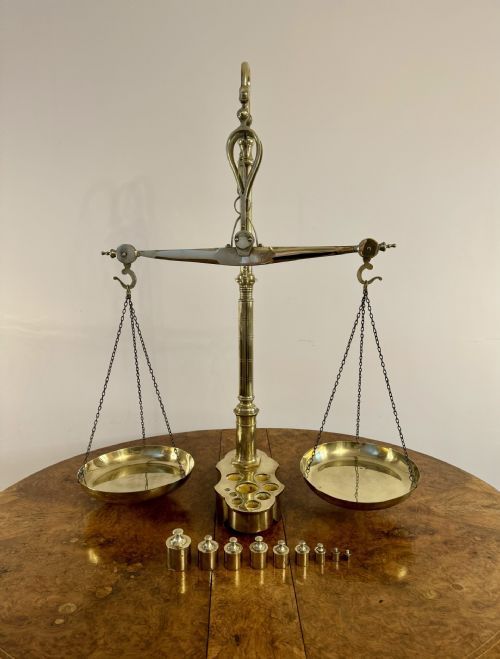
The most common forms on this page include cast metal mortars paired with striking pestles, alongside brass beam balances designed for chemist or laboratory use. These items combine scientific utility with robust domestic metalwork from English workshops.
Originating across multiple centuries, the survivals range from early bronze vessels to later Victorian and 20th-century precision instruments mounted in wood blocks.
How they were made
Makers utilised casting techniques for mortars and bronze vessels, pouring molten metal into moulds to achieve thick, durable walls capable of withstanding heavy crushing. Brass and bronze predominate, often finished with turned details or moulded decorative motifs like the Tudor rose.
Scales and balance instruments rely on finely hammered or cast brass beams paired with steel components and glass indicators, frequently housed in fitted mahogany or wood blocks to protect the delicate weight sets.
Brass Apothecary Set Retail Price Guide 2026
Typical asking prices for brass apothecary set among the pieces listed under this phrase on Sellingantiques today, from the lower quarter to the upper quarter. They describe what is for sale here now, not the wider market.
Listings span from the 17th century through the Georgian and Victorian eras up to the 1930s, utilising brass, bronze, mahogany, glass, and wood.
What varies in quality
The distinction between ordinary utility items and superior pieces rests on the crispness of the casting and the survival of original components such as matched block stands and complete weight sets. Early 17th-century bronze mortars with distinct decorative motifs command attention through their sheer weight and tactile presence.
Precision scales separate themselves by the integrity of the original beam mechanism and whether signed makers' details remain intact on the instrument or storage block.
Oertling·De Grave And Co London
The Brass Apothecary Set Glossary
- Mortar and pestle
- A heavy bowl and club-shaped tool used for grinding and crushing dry ingredients or medicinal compounds. Early examples are typically cast in bronze or brass.
- Beam scales
- A weighing instrument featuring a central pivoting beam with suspended pans at each end for precision measurement. Chemist examples require delicate balance.
- Troy ounce
- A system of units of mass traditionally used for precious metals and apothecary items. Weight sets in this standard often survive in original wooden blocks.
- Bronze
- An alloy consisting primarily of copper, commonly used for early apothecary mortars before brass became the dominant material in later centuries.
Brass Apothecary Set: Frequently Asked Questions
What was an apothecary set used for?
These sets served historical chemists, apothecaries, and physicians for compounding medicines and measuring precise doses of dry ingredients.
The heavy mortars ground down crude materials, while the beam scales and Troy ounce weights ensured exact proportions for medical remedies.
How do I date a brass mortar?
Dating relies on the style of the cast decoration, the metal alloy composition, and the profile of the rim and base.
Early 17th-century pieces often feature cast Tudor rose motifs and thick bronze walls, whereas later Victorian and Georgian examples show cleaner turned lines and brighter brass surfaces.
Are the weight sets complete?
Many surviving weight sets retain their original fitted wooden block stands designed to hold each individual brass or steel weight securely.
Collectors look for sets that preserve their full complement of graduated weights without replacements from later periods.
How do I display these items?
These heavy metal objects work well displayed on open wooden shelving or tabletops where their substantial weight and metallic finish can be appreciated.
Beam scales require stable placement away from drafts to protect their delicate balance mechanisms.