

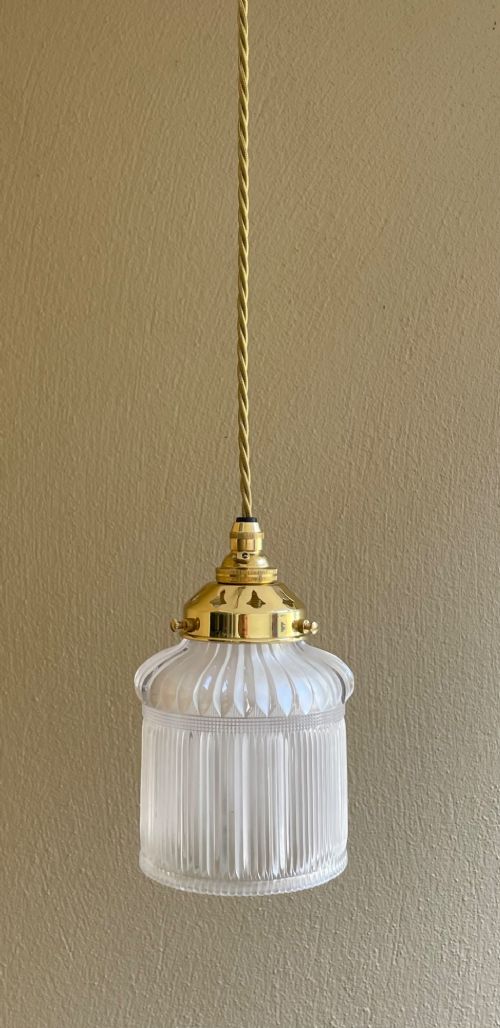
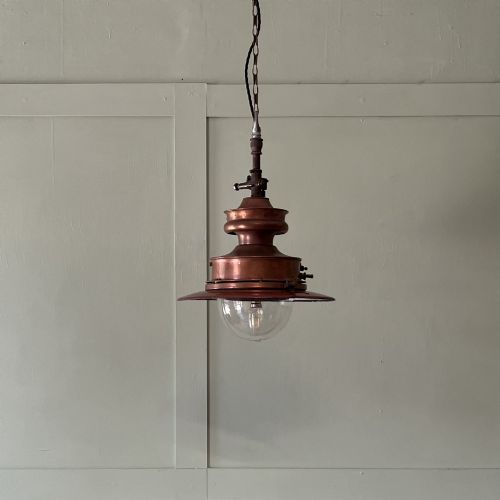
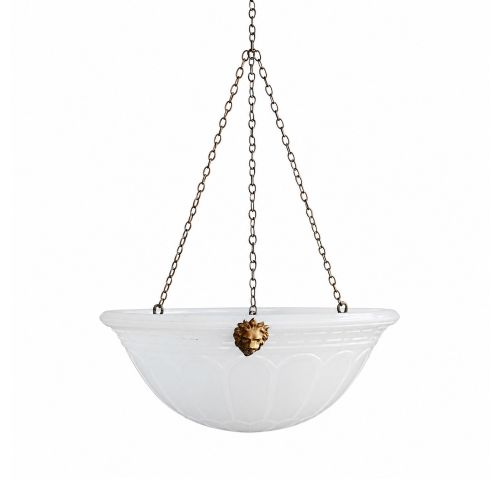
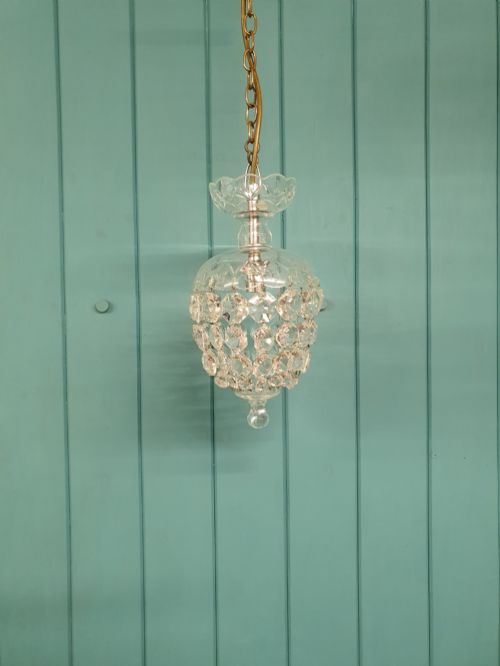
Brass Shade Hanging Light
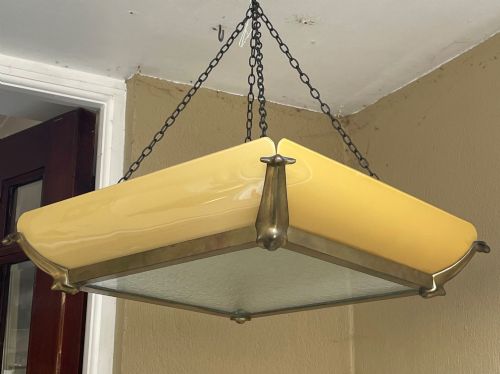
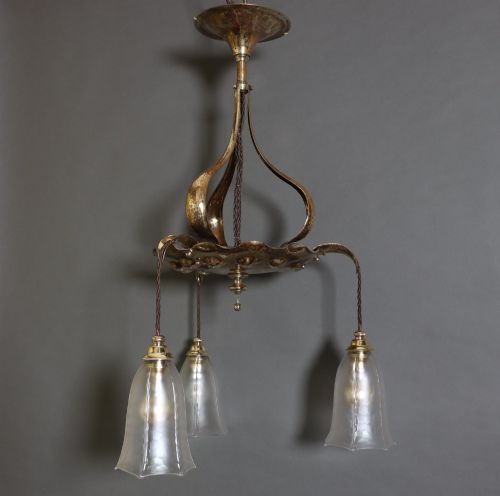
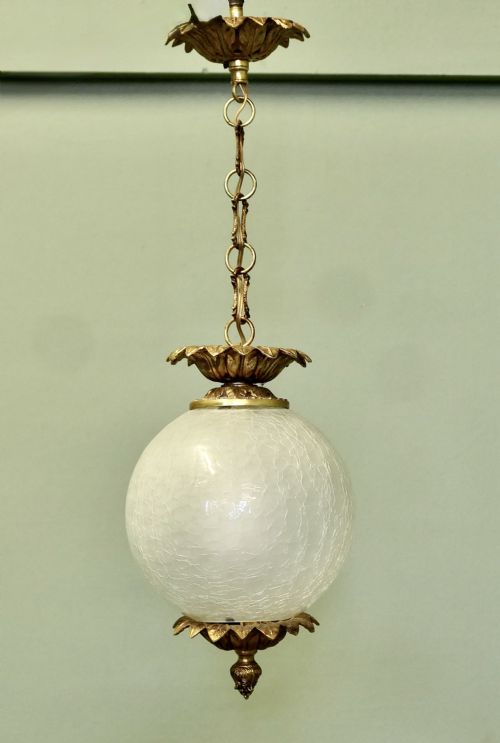
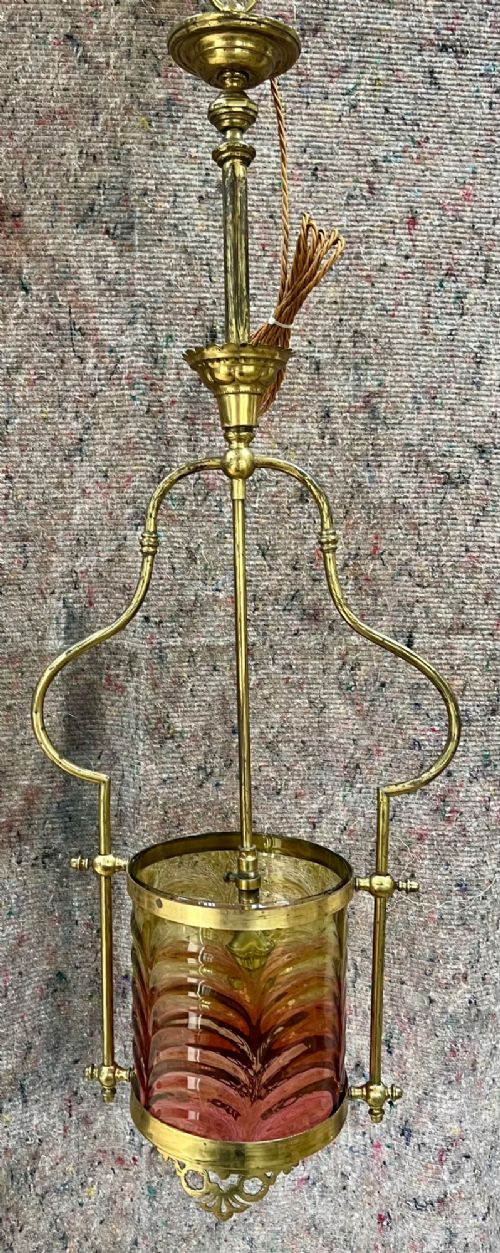
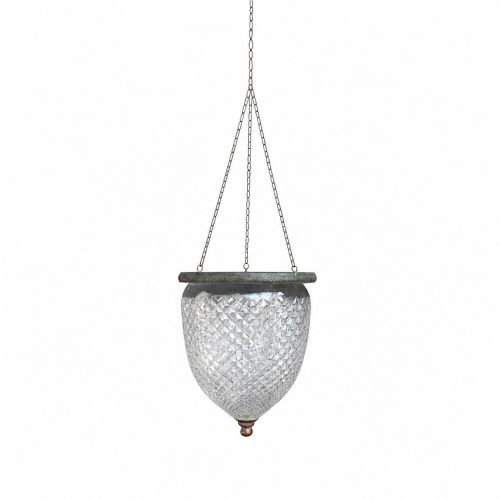
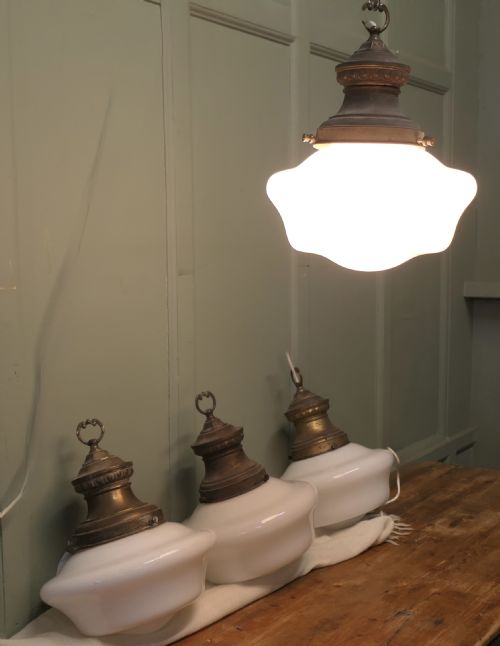
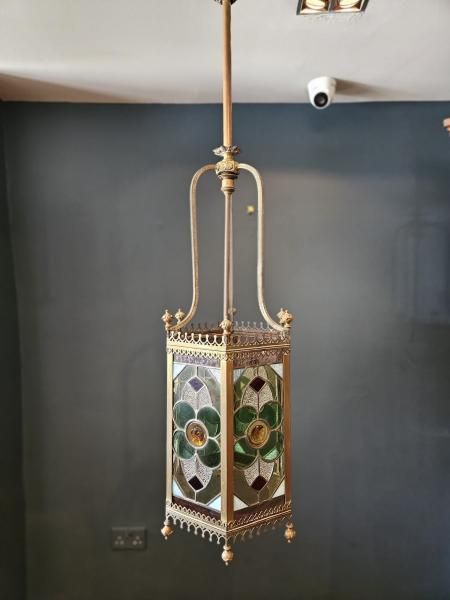
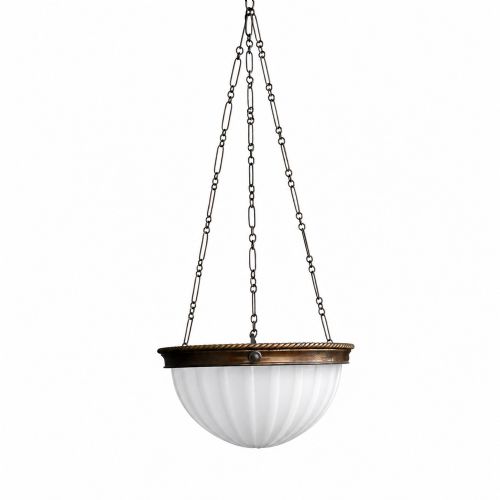
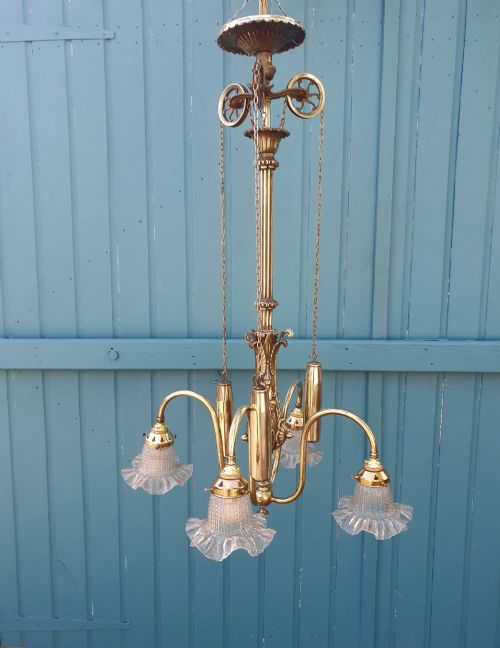
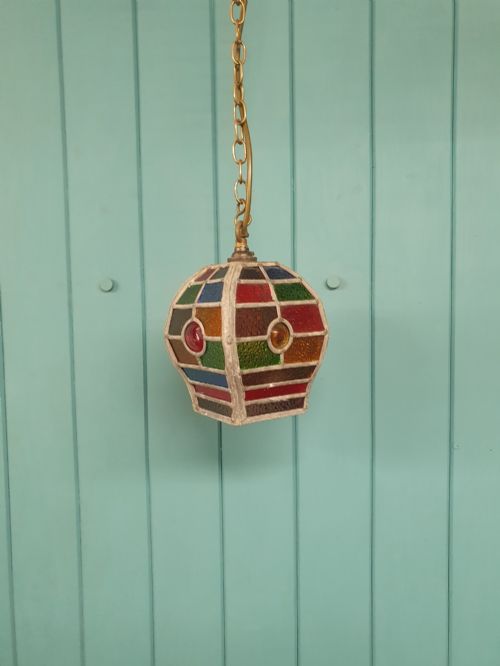
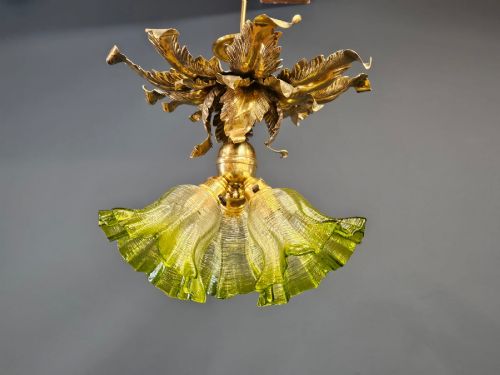
These brass shade hanging light fixtures bring warmth and steady illumination to a room, cast through shaped metal and various glass shades.
Brass Shade Hanging Light
A brass shade hanging light brings together metal frames and glass diffusers to illuminate spaces from above, taking forms such as pendants, chandeliers, and lanterns. When exploring a brass shade hanging light, buyers encounter designs spanning the Victorian period through to the mid-twentieth century.
The selection includes industrial factory fittings, Arts and Crafts designs, and geometric Art Deco pieces. These range from single-bulb pendants with opaline shades to multi-armed chandeliers and enclosed hallway lanterns.
Examples originate from English workshops, French makers, and railway or nautical contexts. The most frequently met pieces date from the Edwardian era and the 1920s or 1930s, utilising brass alongside copper and iron structures.
What varies in quality
Quality rests in the substance of the metalwork and the weight of the glass, distinguishing heavier cast brass and thick opaline or cut glass from lighter pressed alternatives. Superior examples maintain original patination on the metal and retain specialised glass shades without modern replacements.
The sophistication of the design, whether an elaborate Edwardian leaf-patterned frame or a precise Art Deco slip shade assembly, dictates the distinction between standard utilitarian lighting and finer decorative pieces.
Listings feature brass, copper, and various glass types spanning the Victorian period to the 1940s.
The Brass Shade Hanging Light Glossary
- Holophane
- A type of prismatic glass designed to direct and diffuse light efficiently while reducing glare. It appears frequently in industrial and Edwardian pendants.
- Plafonnier
- A ceiling-mounted bowl light or shallow shade that sits close to the ceiling surface. These are often moulded or frosted.
- Opaline glass
- A milky, semi-translucent glass that softens bulb glare and produces an even glow. It is common in 1920s and 1930s pendants.
- Rise and fall
- A mechanical pulley system allowing the height of the pendant to be adjusted up and down. This mechanism is typically found on Edwardian chandeliers.
- Slip shade
- A glass shade that slides or drops into a metal frame rather than screwing directly into a gallery. They are characteristic of Art Deco fixtures.
Brass Shade Hanging Light: Frequently Asked Questions
How do I date a brass hanging light?
Dating relies on stylistic markers such as floral Art Nouveau motifs, geometric Art Deco lines, or utilitarian industrial forms. Material combinations and glass types also point to specific manufacturing decades.
Examination of the fixings, wiring channels, and brass composition helps confirm whether a piece belongs to the Victorian period, the Edwardian era, or the interwar years.
Can these lights be rewired for modern use?
Most antique fixtures accommodate modern electrical standards through professional rewiring by a qualified electrician. Original lampholders can often be adapted or replaced internally while preserving the exterior metal and glass.
Careful handling ensures that delicate glass shades and aged brass components are protected during the installation of new wiring and ceiling mounts.
What is moonstone glass?
Moonstone glass is a translucent white or lightly opalescent glass that resembles the appearance of the moon. It diffuses a soft, even light across larger interior spaces.
This glass type was frequently utilised in large pharmacy and hallway pendants during the early twentieth century to maximise illumination without harsh shadows.
How were lanterns used originally?
Hanging lanterns served as primary illumination in hallways, porches, railway carriages, and ships. Their enclosed or semi-enclosed designs protected flames or early bulbs from drafts and moisture.
Their robust brass or copper construction allowed them to withstand demanding environments while providing directional downward light.