





Brass Rococo Desk Clock
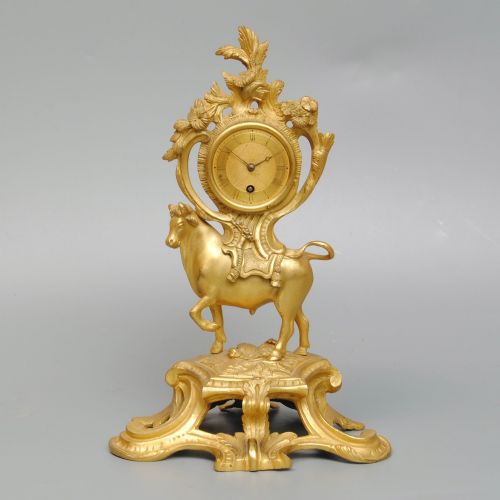
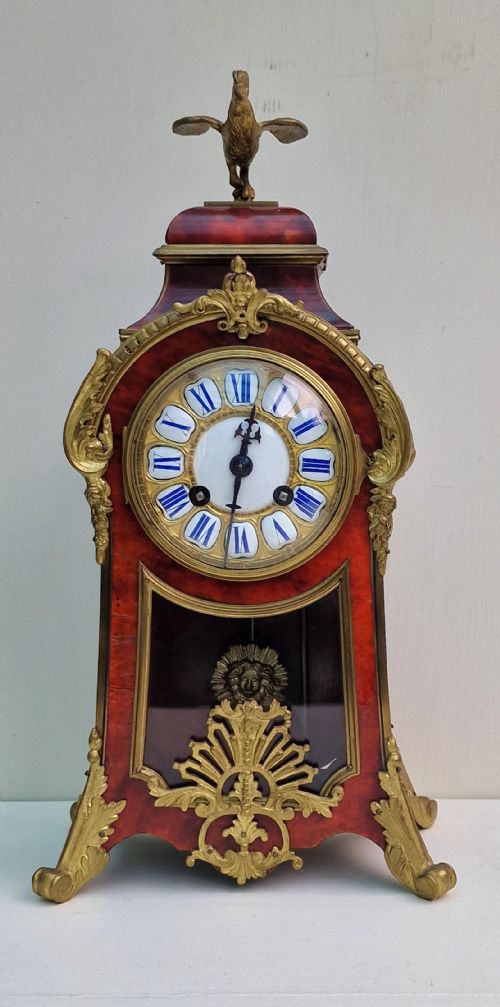
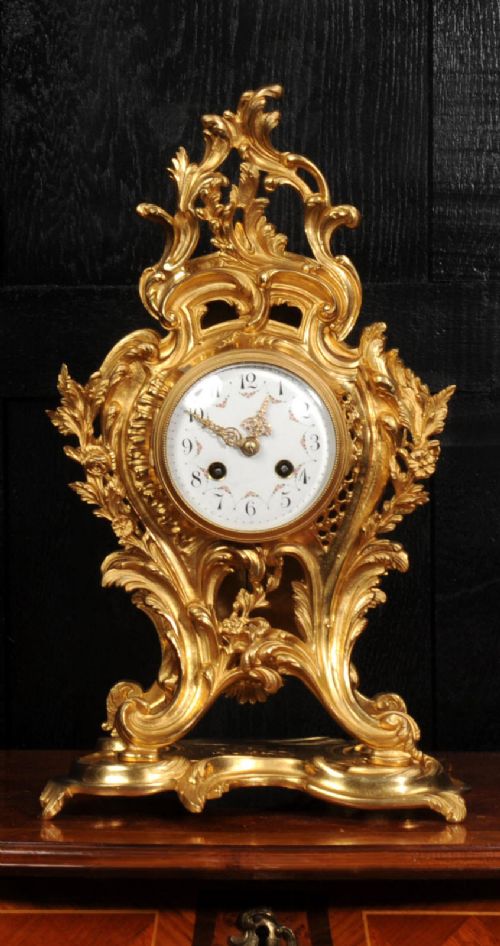
These brass rococo desk clock pieces bring extravagant asymmetric curves and gilt metalwork to any surface.
Brass Rococo Desk Clock
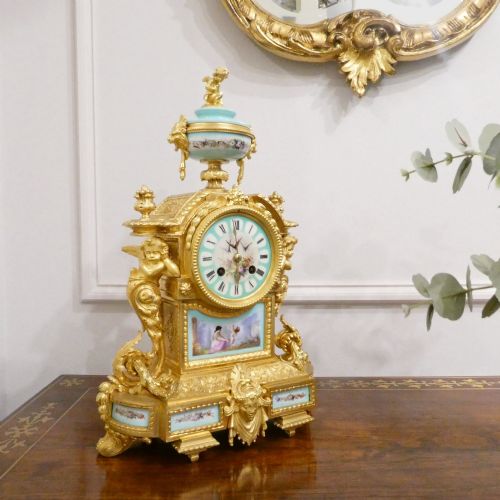
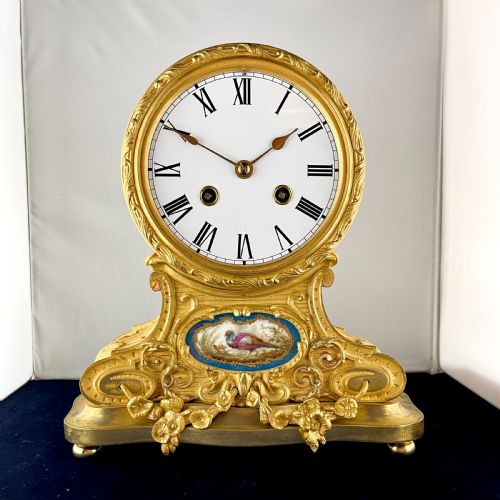
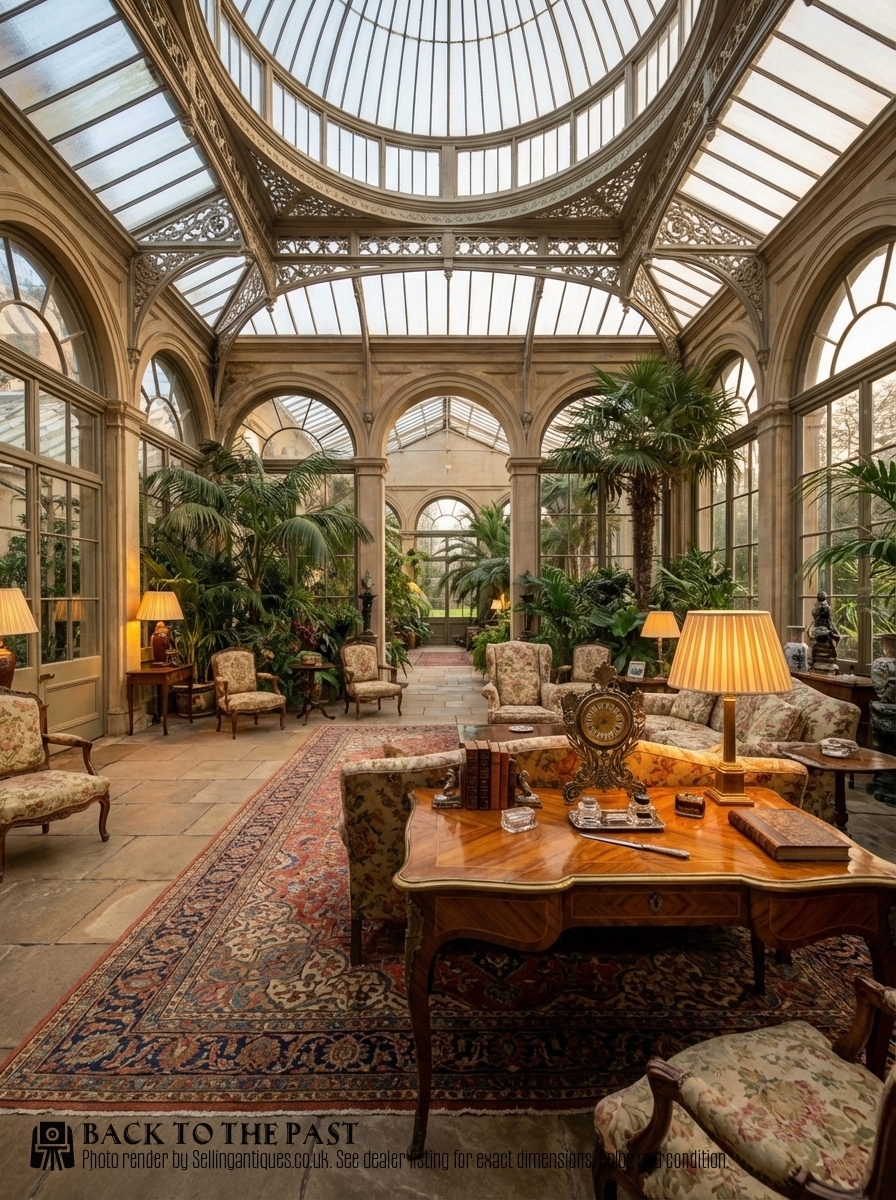
A brass rococo desk clock combines flamboyant 19th-century styling with the practical function of keeping time on a table, mantel or desk. You are looking at pieces that draw heavily on French design, utilising heavy cast cases shaped with scrolls, foliage and asymmetrical flourishes.
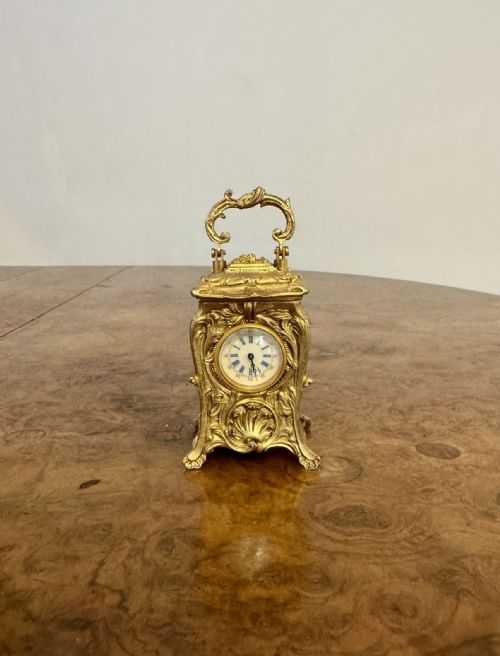
The versions you will most commonly encounter on this page date from the Victorian era and the late 19th century, often marked by revival styles such as Louis XV or Rococo Revival. They range from compact boudoir clocks to substantial mantel and desk examples housed in gilt brass, ormolu or gilt bronze.
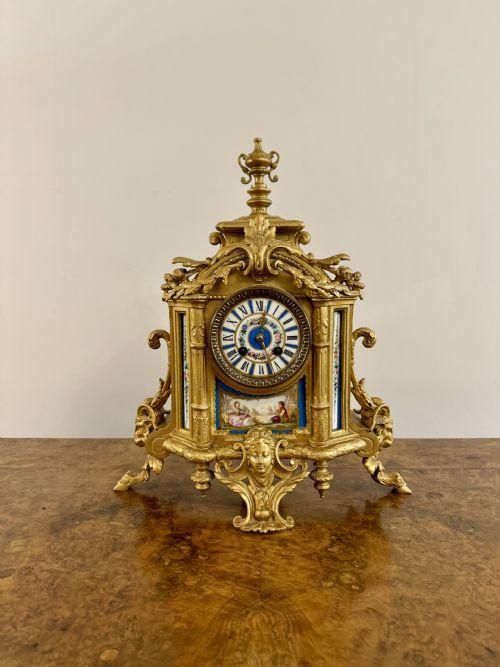
Many of these timepieces incorporate decorative elements such as enamel dials, porcelain panels or figural details including cherubs and cupids. They serve as striking ornamental objects as well as working horological pieces from periods spanning the 1860s to 1900.
How they were made
The cases of these clocks were typically produced using brass, bronze or copper alloys cast into intricate moulds, then chased and gilded to create the characteristic ormolu finish. Metal founders and clockmakers employed techniques like mercury gilding or electroplating to achieve the brilliant metallic lustre seen across the Victorian and 19th-century examples.
Dial faces frequently combined hand-painted enamel numerals on metal plates or porcelain discs, sometimes complemented by delicate glass bezels and cast hands. The internal mechanical movements relied on brass gear trains, escapements and spring-driven or fusee mechanisms assembled by skilled horologists.
Listings feature brass rococo desk clocks spanning the Victorian period, the 1860s, 1870s, 1880s, 1890s, and 1900.
What varies in quality
The standard of the casting dictates much of the visual success of the piece, separating crisp, deeply undercut foliage and sharp scrollwork from softer, shallower production. Heavier metal gauge and meticulous hand-chasing after casting provide the definition that distinguishes masterwork bronzes from simpler brass stampings.
The mechanical integrity and the presence of original signed movements by notable clockmakers elevate certain pieces above standard production. Quality also rests in the preservation of the original mercury gilding or fire gilt surfaces, alongside intact porcelain panels and undamaged enamel dials.
Viner London·William Payne·John Barwise·Samuel Marti·Dehné of Paris·Hay London·John Bennett Cheapside London·Fisher Braithwaite·P.H Mourey
The Brass Rococo Desk Clock Glossary
- Ormolu
- A gilded bronze or brass finish applied to decorative metalwork using an amalgam of gold and mercury, or via modern electroplating. It provides the bright, enduring golden sheen characteristic of French rococo clock cases.
- Rococo
- An exuberant 18th-century art and design style revived extensively during the 19th century. It is defined by asymmetry, C-scrolls, shell motifs and naturalistic plant forms.
- Fusee
- A conical pulley connected to the mainspring by a chain or cord, designed to equalise the torque as the spring winds down. It ensures more consistent timekeeping across the duration of the wind.
- Enamel
- A glassy substance fused to a metal substrate through high-temperature firing. It provides a smooth, durable white surface for painted clock dial numerals.
Brass Rococo Desk Clock: Frequently Asked Questions
Are these clocks suitable for daily use?
While many examples are fully restored and operational, antique desk and mantel clocks require thoughtful placement away from direct sunlight, drafts and moisture. Regular servicing by a professional horologist keeps the brass gears and escapements running accurately.
Treat them as historical objects rather than modern timekeeping appliances. Gentle handling preserves the delicate enamel dials and intricate gilt surfaces for everyday enjoyment.
What is the difference between ormolu and gilt brass?
Ormolu specifically refers to high-quality gilded bronze or brass where a gold-mercury amalgam was applied and fired to leave a rich, deep golden layer. Gilt brass covers a broader range of yellow metal objects that have been gold-coloured through various plating methods.
Visual depth and weight usually separate the two, with ormolu displaying sharper hand-chased details in the metal. Both require soft dusting rather than chemical cleaning to maintain their finish.
How can I tell the period of a rococo revival clock?
The materials, movement signatures and cast styles provide clear clues to the date of manufacture. Pieces from the mid-to-late 19th century often feature French movement stamps, heavy bronze casting and porcelain elements typical of the Louis XV revival.
Later Victorian and Edwardian interpretations may show slightly different casting weights or alternative escapement types. Examining the backplate often reveals maker marks or serial numbers that anchor the clock to a specific decade.