


Brass Plant Container
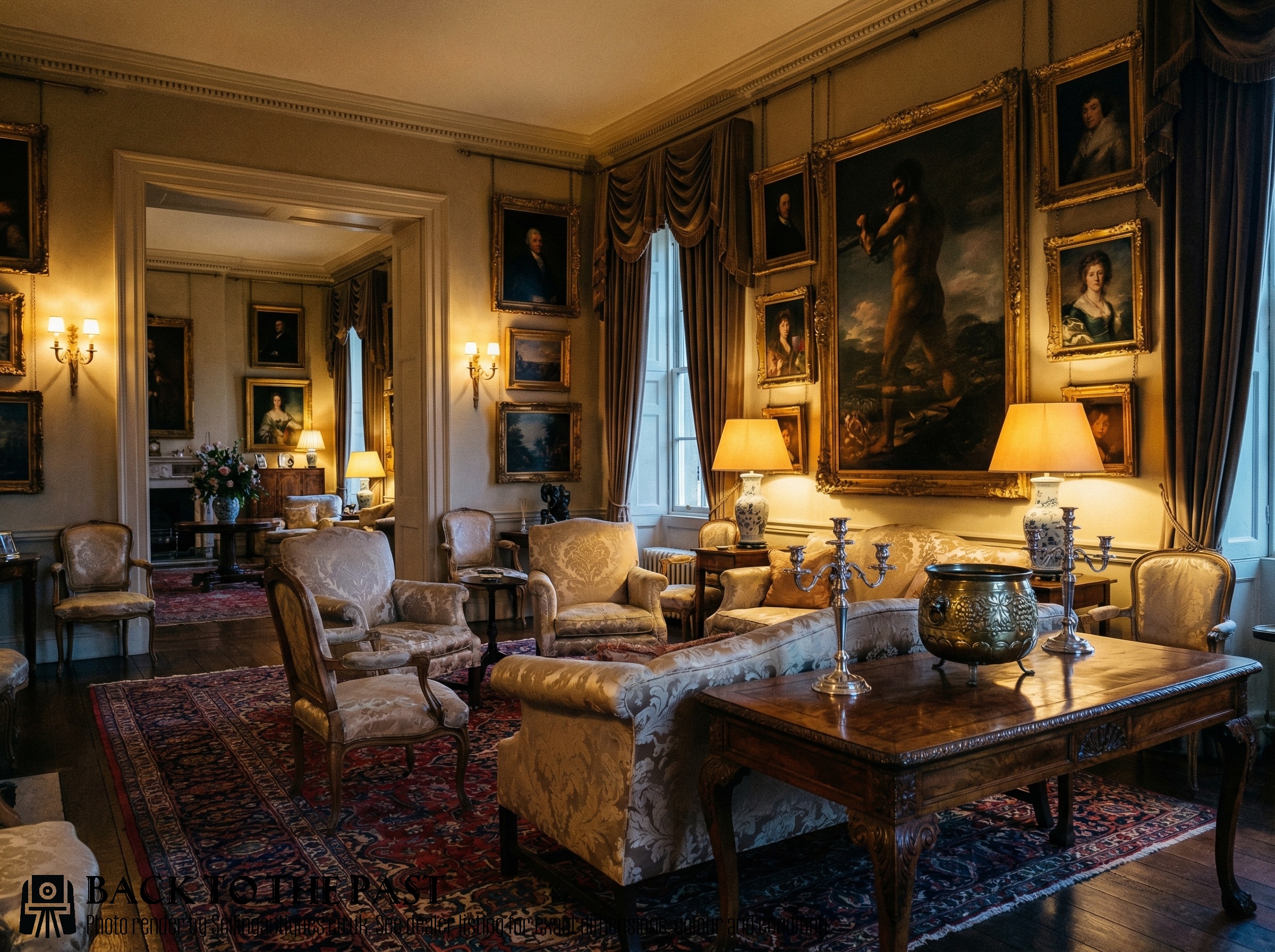
A brass plant container brings warmth and structural form to a room, holding greenery within a metal vessel fashioned over generations.
Brass Plant Container
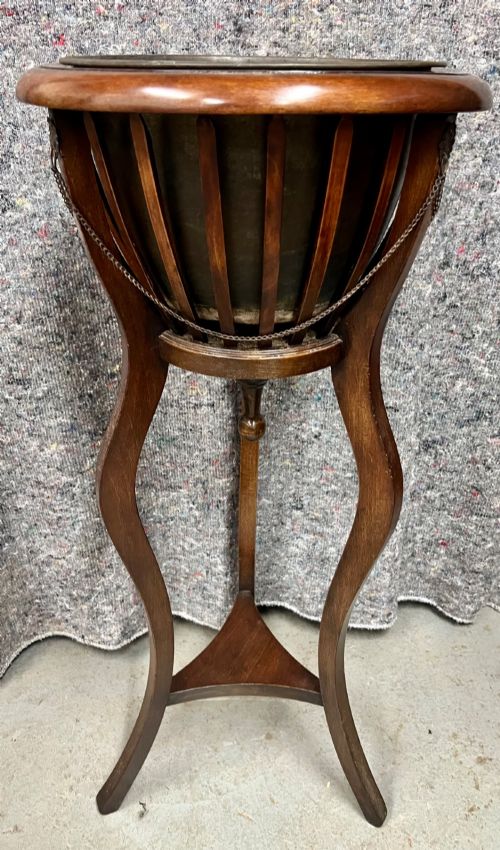
A brass plant container is primarily known through forms such as jardinieres, planters, and plant stands designed to house living flora indoors. These vessels draw on varied stylistic traditions, ranging from simple domestic pieces to elaborate designs shaped by the Aesthetic Movement and Arts and Crafts ideals.
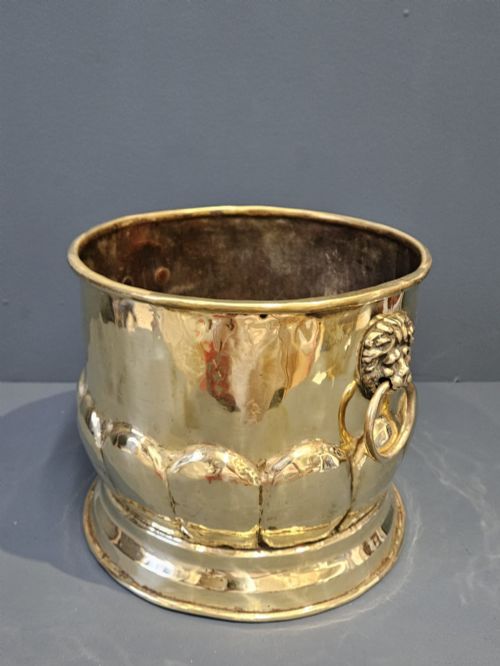
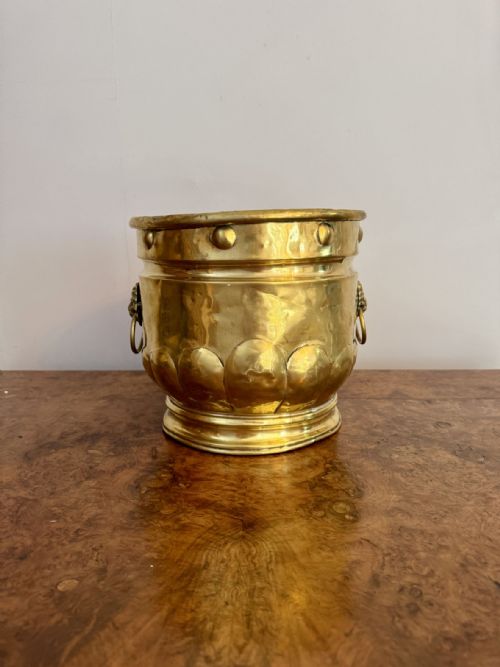
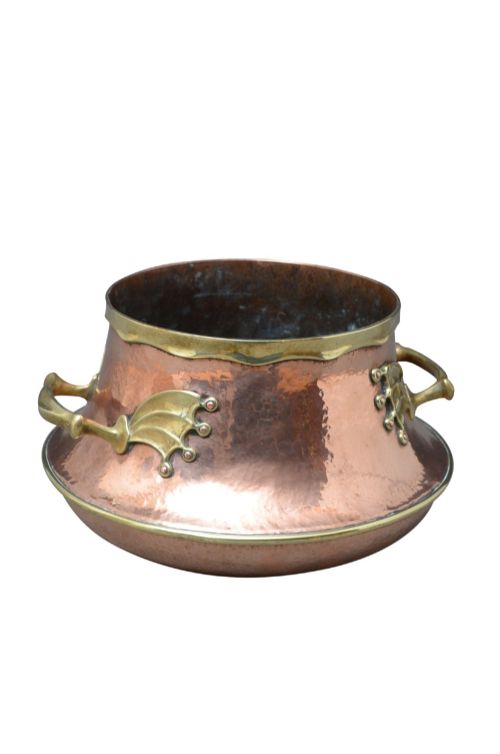
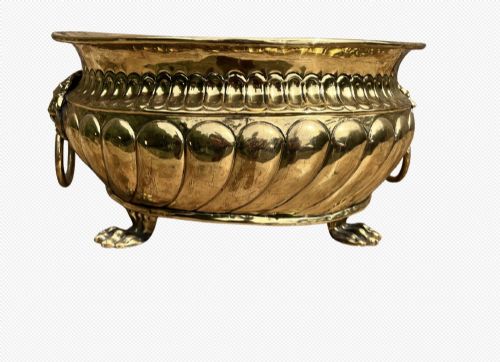
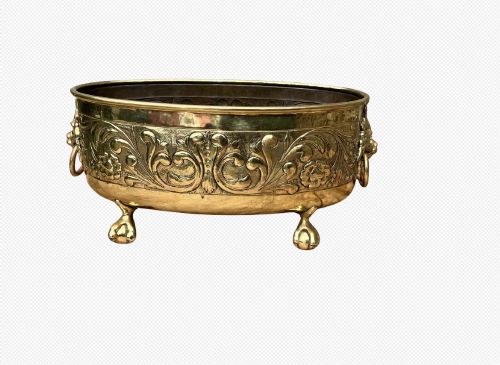
The versions most commonly met on this page span the Victorian and Edwardian eras, alongside pieces marked by Art Nouveau styling or Gothic Revival motifs. Makers utilised diverse shapes, including square forms, swing-handled cauldrons, and vessels adorned with animal heads or lion mask handles.
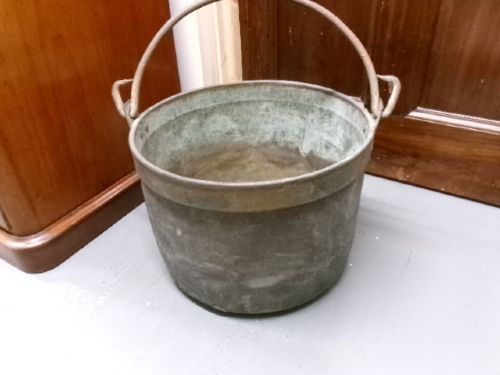
Origin points and cultural influences stretch across British workshops, continental centres like Belgium and France, and as far as Late Qing dynasty workshops. Buyers encounter objects that doubled as coal buckets or hearth accessories, reflecting the flexible domestic utilities of the nineteenth and early twentieth centuries.
Materials and construction methods
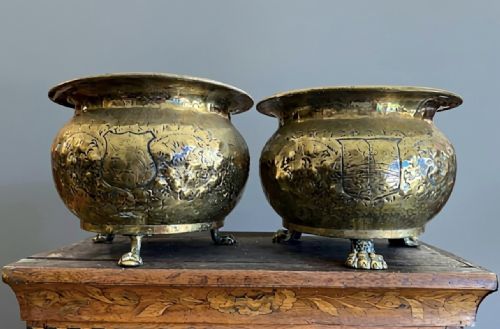
Metalworking techniques of the period relied heavily on sheet brass and copper, often beaten, spun, or joined with iron and bronze elements. Repoussé decoration appears frequently, where artisans hammered designs from the reverse side to create raised surface patterns.
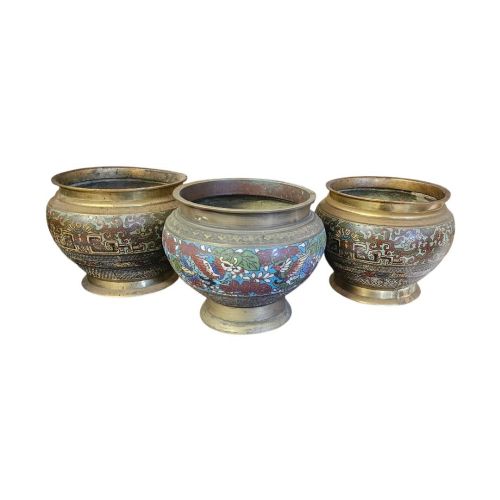
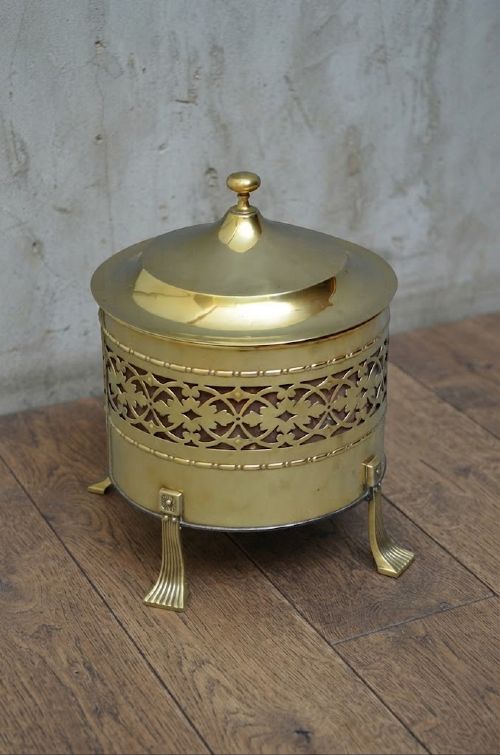
Many items incorporate contrasting materials, pairing polished brass bodies with mahogany stands, iron fittings, or champlevé enamel work. Pierced fretwork designs and applied cast details, such as lion mask handles, required precise metal-casting and joining skills.
Some planters moonlighted as coal buckets, proving that nineteenth-century ferns shared house room with fireplace soot.
Distinctions in manufacture and finish
Quality reveals itself in the weight of the metal and the crispness of decorative detailing, such as hand-chased repoussé work versus simpler stamped patterns. Superior examples show careful attention to internal construction, secure handle mountings, and clean seams.
The integrity of secondary materials, from solid mahogany stands to integrated enamel panels, dictates the overall standard of a piece. Well-executed stylistic details, like organic Art Nouveau curves or distinct Gothic motifs, mark the work of accomplished makers over mass production.
J Sankey and Sons
The Brass Plant Container Glossary
- Jardiniere
- A large ornamental pot or stand for holding plants or flowers. These vessels sit on floors or tables to display interior greenery.
- Repoussé
- A metalworking technique where the artisan hammers a design from the reverse side to create low relief on the front. This method gives texture and depth to brass and copper surfaces.
- Champlevé
- An enamelling process where troughs or cells are carved into a metal surface and filled with vitreous enamel before firing. Chinese bronze pieces frequently employ this colourful technique.
- Fretwork
- Ornamental work consisting of interlaced or perforated patterns cut into wood or metal. Edwardian planters often feature pierced metal bands around the rim.
- Aesthetic Movement
- A late nineteenth-century movement emphasising visual and compositional beauty over narrative or moral themes. Pieces from this tradition focus on refined form and decorative surface harmony.
Brass Plant Container: Frequently Asked Questions
What is a jardiniere?
A jardiniere is an ornamental container designed specifically to hold plants and flowers inside the home. They function as decorative planters that elevate standard pots.
Historically, these vessels sat on tables, hearths, or dedicated plant stands to bring living greenery into formal living spaces.
How do I clean brass safely?
Cleaning requires mild soap and warm water applied with a soft cloth to remove dust and dirt without damaging the metal surface. Harsh chemical polishes strip away the aged patina that collectors value.
Allowing the metal to retain its natural darkening highlights the age and history of the piece rather than making it look overly bright.
Were these always used for plants?
Many containers served multiple domestic purposes depending on the household needs of the Victorian and Edwardian periods. Some vessels functioned as coal buckets, log boxes, or general hearth accessories alongside their plant-holding duties.
Handles and sturdy metal construction made these containers practical for carrying fuel as well as housing heavy soil and vegetation.
How do I date a brass planter?
Dating relies on observing stylistic markers, manufacturing techniques, and the specific materials combined in the construction. Pieces showing organic motifs and fluid lines often point to the Art Nouveau period around nineteen hundred.
Victorian examples frequently display heavier cast elements like lion mask handles and Gothic or classical revival detailing.