

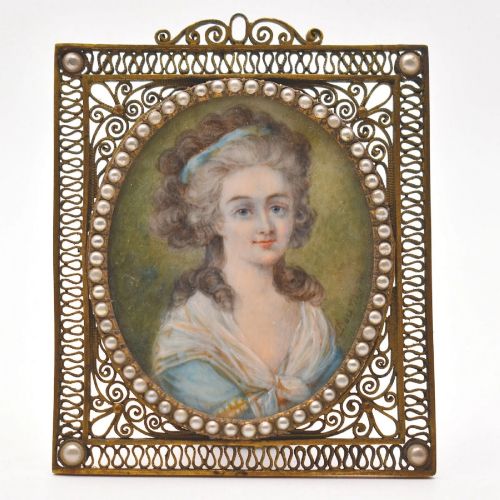


Brass Picture Frame
A brass picture frame brings warmth and structural clarity to any desk or mantelpiece, offering a timeless way to display cherished family portraits.
What these pieces are
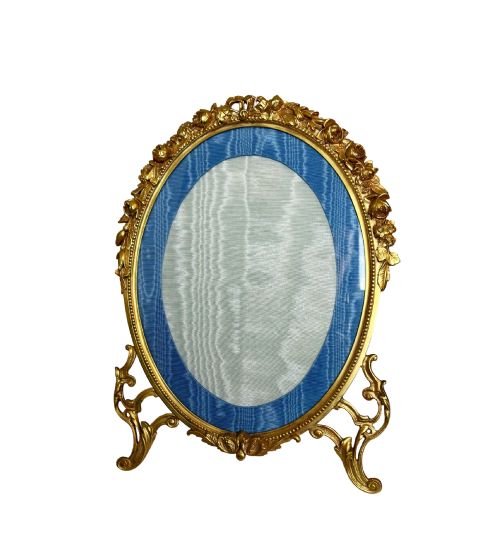
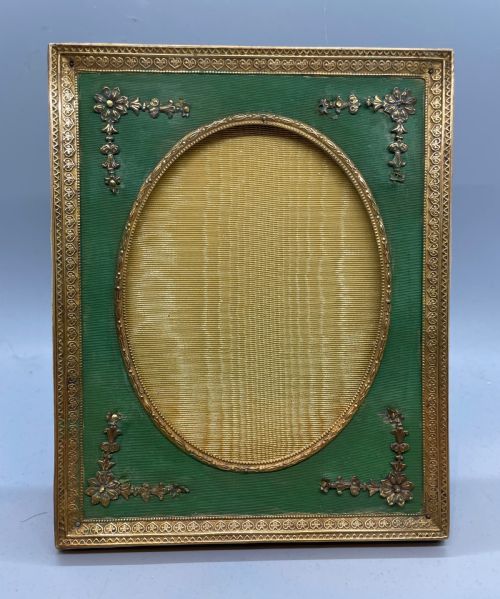
When searching for a brass picture frame, collectors encounter sturdy metalwork spanning from the mid-nineteenth century through the Edwardian era. These domestic accessories range from simple single-window apertures to elaborate folding double and triple frames designed for tabletop display.
The versions most frequently met on this page include Victorian easel designs and flowing Art Nouveau pieces created around nineteen hundred. English and French workshops dominate the provenance, utilising durable metals to house cabinet photographs and cartes de visite.
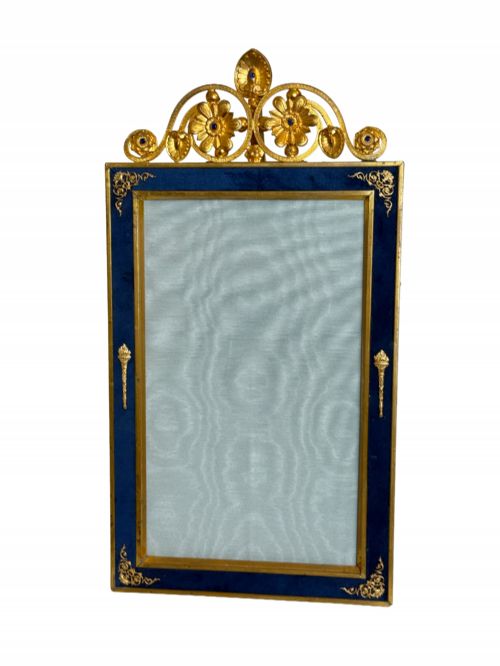
Examples vary from restrained ribbon and ring motifs to substantial architectural surrounds with integrated glass panels. Each format serves the practical purpose of preservation while adding decorative weight to interior surfaces.
How they were made
These items rely on heavy brass casting, stamping, and sheet metal fabrication combined with fitted glass panes. Artisans of the nineteenth and early twentieth centuries utilised metalworking techniques to build rigid backplates supported by folding struts and hinged joins.
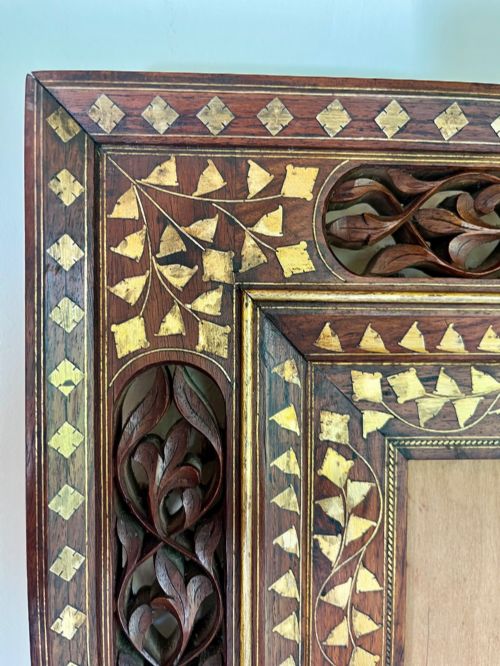
Decorative elements such as chain links, ribbons, and stylised botanical tendrils were cast separately or pressed from sheet brass before being soldered or riveted together. Gilt finishes, polished surfaces, and bronze patination were frequently applied to enhance the visual depth of the metal.
Listings on this site feature brass picture frames spanning the nineteenth century through the Edwardian period, incorporating glass and metal construction.
What varies in quality
The distinction between standard commercial production and finer work lies in the crispness of the cast ornamentation and the weight of the brass chassis. Superior examples maintain sturdy structural integrity in their hinges and retain their original glass and backings.
Artistry shows in the hand-finishing of botanical motifs or engraved monograms, distinguishing bespoke workshop pieces from mass-manufactured items. Depth of relief and the quality of the original polish dictate the overall presence of the object.
John Joseph Mechi·John Burton and Sons
The Brass Picture Frame Glossary
- Cartes de visite
- Small photographic portraits popular in the nineteenth century that dictated the aperture dimensions of many early frames.
- Easel back
- A hinged rear strut allowing the frame to stand upright on a flat surface without wall mounting.
- Ormolu
- Gilt bronze or brass mounts providing a bright, golden decorative surface finish.
- Art Nouveau
- A turn-of-the-century stylistic movement characterised by organic, flowing lines and natural forms.
- Monogram
- An engraved arrangement of initials personalising the metal surface for the original owner.
Frequently Asked Questions
How do I date a brass picture frame?
Dating relies on stylistic clues such as Victorian Gothic revival motifs or Art Nouveau whiplash curves, alongside construction methods like hand-cut screws and soldered joins. Examining the hardware and the thickness of the brass provides a reliable timeframe.
Makers' marks or registration numbers stamped into the metal can narrow the production window to a specific decade. Comparing the backstand mechanism to known period examples further clarifies the era of manufacture.
Can I polish antique brass frames?
Cleaning depends entirely on the desired patina and whether the surface retains its original historical finish. Gentle dusting with a soft cloth is usually sufficient for everyday maintenance.
Aggressive metal polishes should be avoided because they strip away centuries of age and can erase delicate gilt layers. Many collectors prefer to leave the natural oxidation undisturbed to preserve the character of the piece.
How were these frames displayed originally?
Victorian and Edwardian households placed these metal items on mantelpieces, writing desks, and parlor tables where guests could admire family portraits. Folding double and triple configurations allowed multiple relatives to be shown together in a single tabletop arrangement.
Heavier specimens often featured sturdy easel backs designed to bear the weight of thick glass and portrait cards safely. They were central domestic ornaments intended to project family lineage and personal history.
What glass is typically found in these frames?
Period frames generally contain thin, hand-blown or early float glass featuring minor imperfections, small bubbles, or waviness across the surface. These original panes are valuable components that verify the authenticity of the piece.
Replacement glass is common due to accidental breakage over the decades of domestic use. Finding a frame with its original glazing intact remains a distinct advantage for collectors.