

Brass Pendant Lantern
A brass pendant lantern brings clear illumination and period character to hallways and high-ceilinged rooms alike.
Brass Pendant Lantern
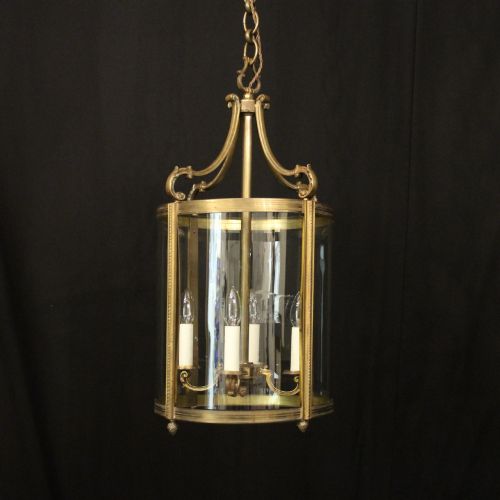
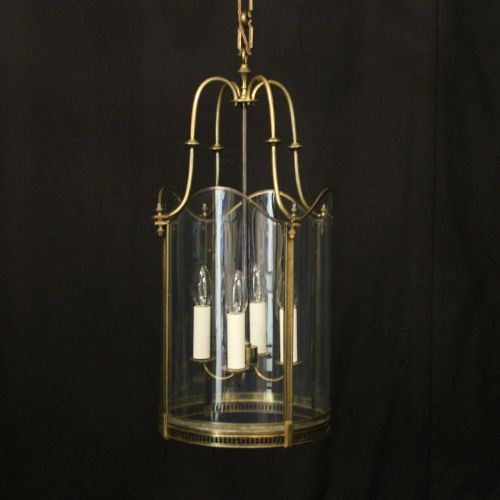
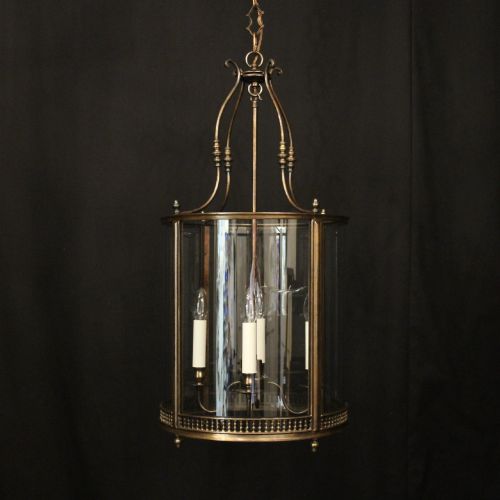
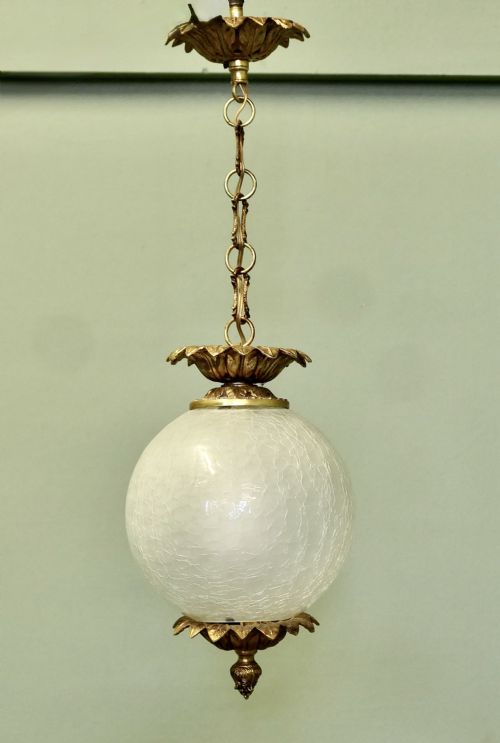
A brass pendant lantern is an overhead hanging light enclosed in glass, designed principally for hallways, porches and entrance spaces. When you search for a brass pendant lantern, you encounter pieces that range from simple domestic hallway fixtures to ornate reception hall centrepieces.
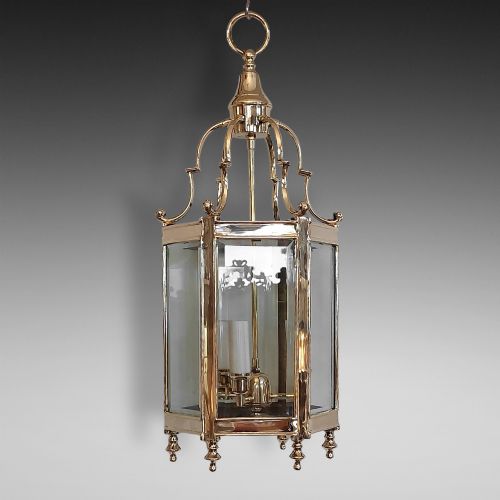
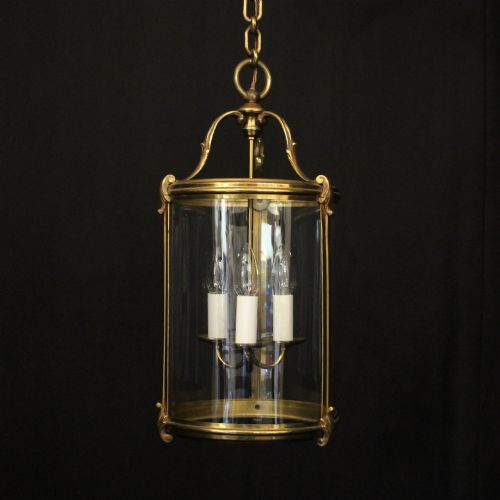
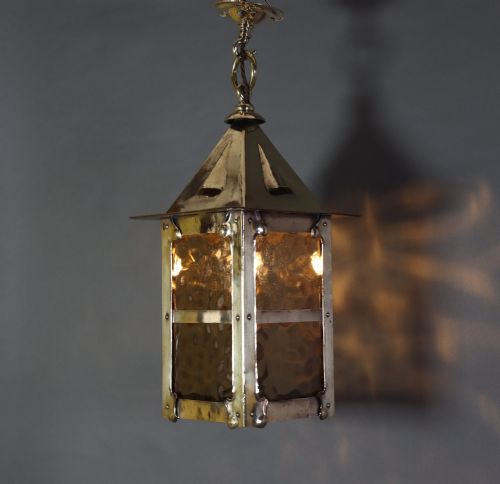
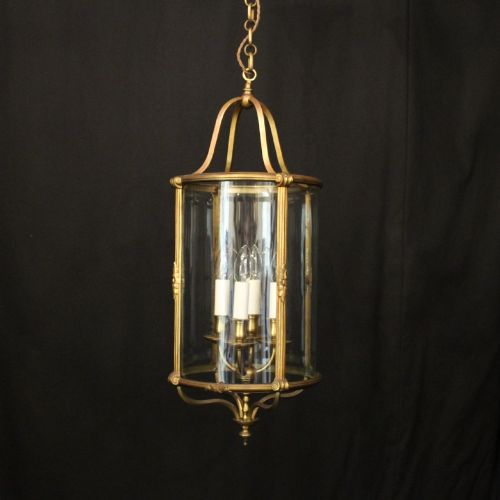
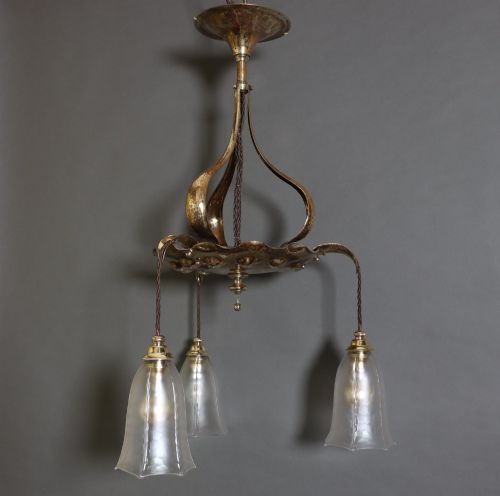
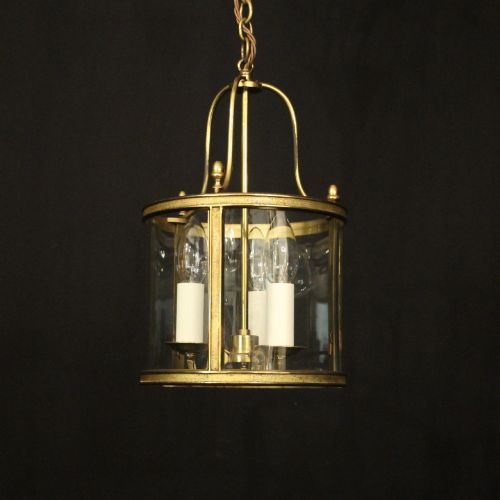
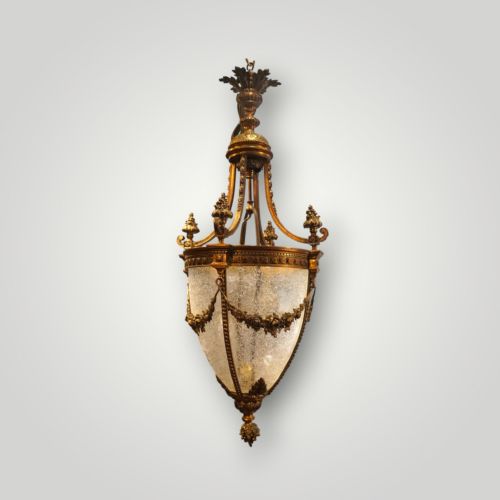
The selections span distinct periods, with Edwardian and 1920s examples appearing frequently alongside Victorian and nineteenth-century designs. Forms vary from straightforward hexagonal frames to elaborate French gilded bronze models housing multiple internal lights.
Materials and construction methods
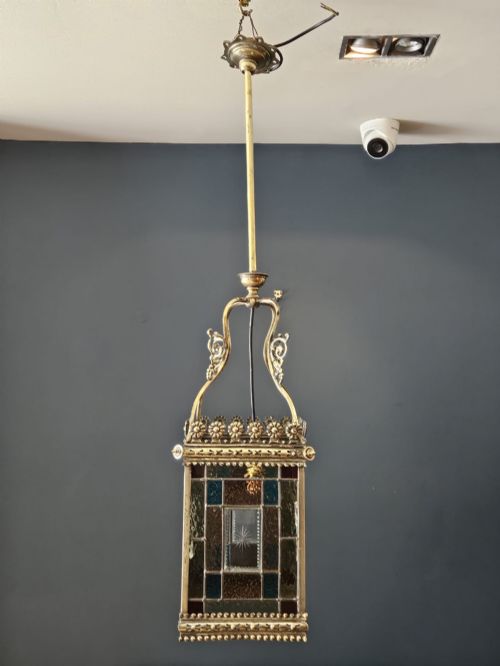
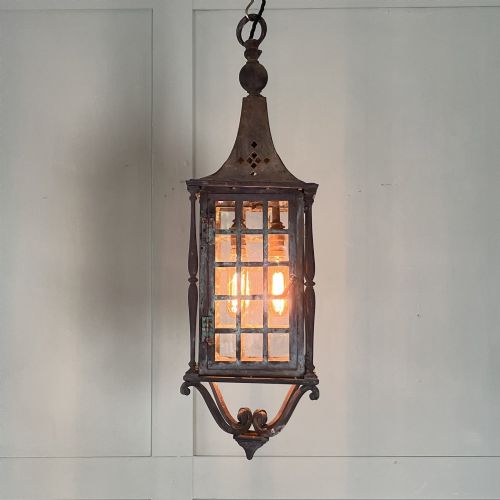
Construction relies primarily on a metal framework of brass, gilt bronze or copper joined to glass panels. Frames are assembled through soldering or mechanical fastening, supporting leaded, bevelled, etched or hand-blown bullseye glass panes.
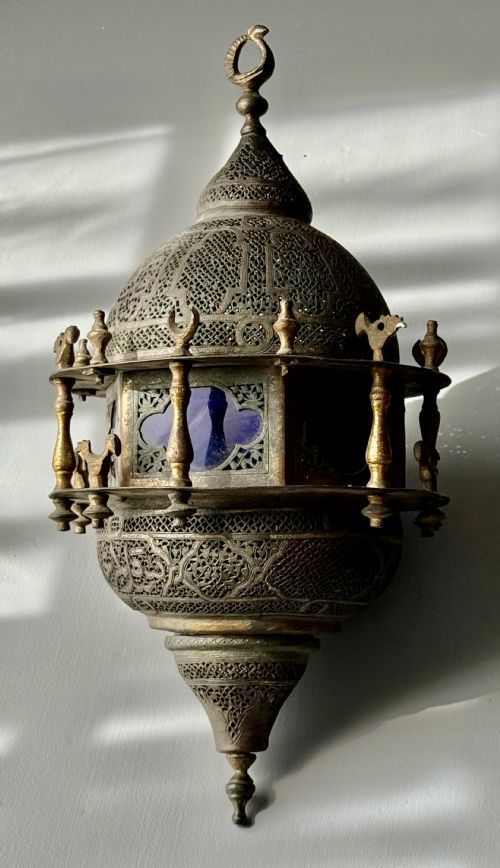
Makers utilised casting and piercing techniques for decorative metalwork, particularly within Arts and Crafts, Gothic Revival and French Neoclassical styles. Surface finishes include natural unpolished brass, gilt treatments and patinated bronze effects.
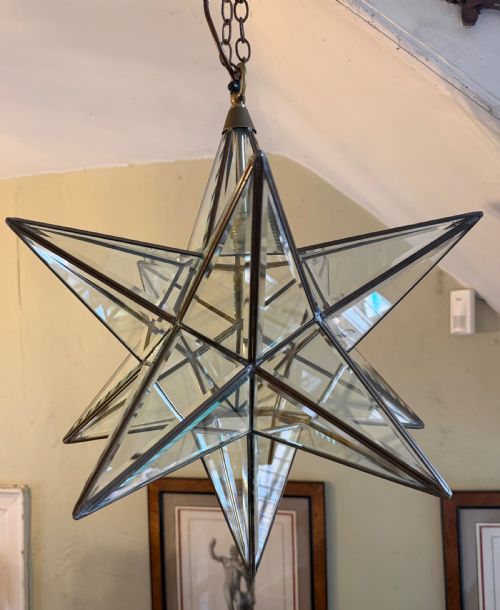
Some twelve-point Moravian star lanterns cast intricate geometric light patterns across the walls like celestial maps.
Judging quality and craftsmanship
Quality rests upon the weight of the metal casting, the crispness of decorative piercing and the thickness of the frame. Finer examples display hand-finished chasing on bronze and robust structural joins that support substantial glass panes without twisting.
The glass itself dictates much of the visual merit, distinguishing standard sheet panels from heavy bevelled glass, etched ornamentation or individual hand-blown bullseye panes. Original hanging loops, matching chains and intact period wiring components further separate standard pieces from exceptional survivals.
The Brass Pendant Lantern Glossary
- Convex glass
- Curved glass panels that bulge outward to diffuse light more broadly across an entrance hall. This treatment often appears on French hall lanterns from the early twentieth century.
- Gilt bronze
- Bronze metal treated with a fine gold surface layer, frequently utilised in high-status French lighting. It provides a warm, enduring metallic lustre.
- Leaded glass
- Individual pieces of glass held together within a network of lead cames. This technique defines many Victorian and Arts and Crafts examples.
- Hexagonal form
- A six-sided geometric frame shape common in hallway lanterns. This configuration allows multiple glass panels to distribute illumination evenly.
- Bullseye glass
- Glass featuring a prominent circular centre mark left by the glassblowing pontil rod. It adds texture and distortion to the lantern light.
Brass Pendant Lantern: Frequently Asked Questions
Where should I hang a brass pendant lantern?
These fixtures suit entrance halls, corridors and high ceilings where downward illumination and vertical presence matter most. Their enclosed design protects the internal bulbs while directing light outward through the glass panels.
They also work well in stairwells and large porches, provided the drop length matches the architectural proportions of the room. Ensure adequate clearance beneath the lowest point for pedestrian traffic.
How do I date an antique brass lantern?
Dating relies on stylistic clues, construction methods and the specific type of glass used in the frame. Nineteenth-century pieces often feature heavier cast brass or bronze components with hand-finished details, whereas Edwardian and 1920s examples frequently incorporate machine-bevelled glass or lighter gilded brass.
Examining the internal electrical fittings or remaining suspension hardware can also reveal manufacturing eras. Look for construction hallmarks typical of known design movements like Arts and Crafts or Art Nouveau.
How do I clean an antique brass lantern?
Dust the glass and metal components regularly using a soft, dry cloth to prevent grime accumulation. Avoid harsh chemical polishes that can strip original patination or damage delicate gilt surfaces.
For stubborn grime on glass panels, use a mild glass cleaner applied to a cloth rather than sprayed directly onto the fixture. Take care around older soldered joints and delicate leadwork during maintenance.