


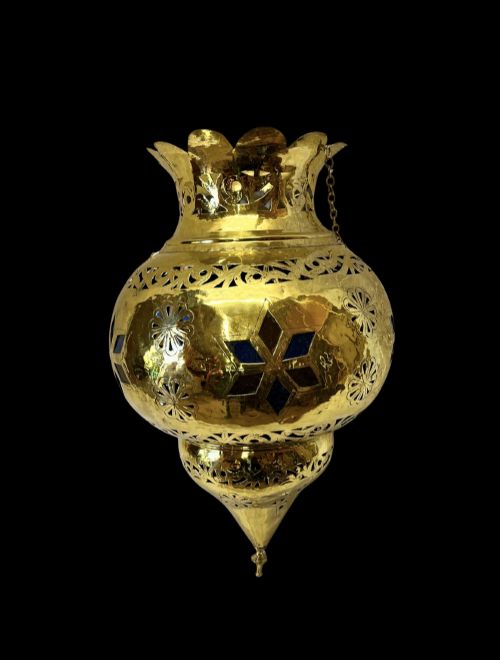


Metal Hanging Lantern
These metal hanging lantern designs combine structural metal frames with glass panels to cast ambient illumination across hallways, porches and principal rooms.
Metal Hanging Lantern
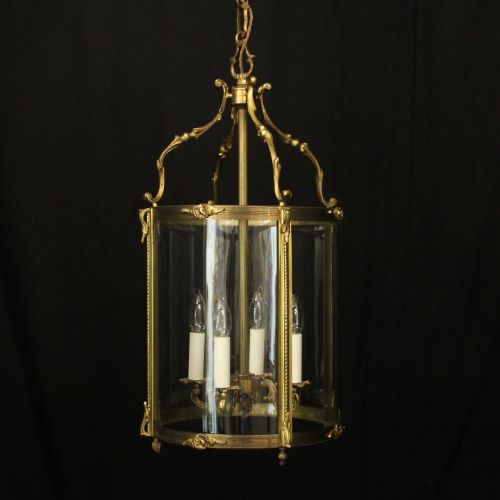
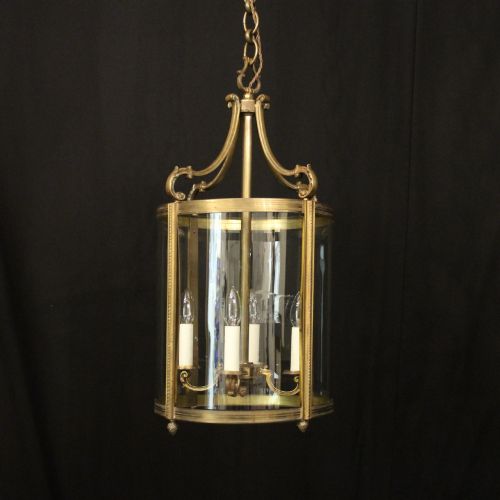
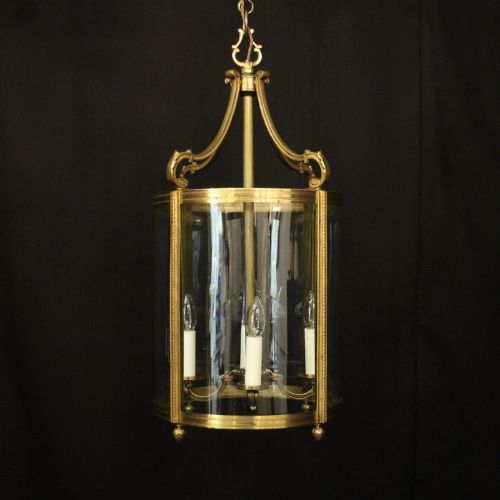
A metal hanging lantern serves as a primary ceiling-hung light source, appearing in forms such as hall lanterns, pendant lights, and multi-light chandeliers. These pieces hang from chains or rigid rods, directing light downwards through glass panels while framing the internal illumination.
Buyers encounter numerous examples originating from French workshops, alongside English and Italian pieces spanning the nineteenth and early twentieth centuries. Common configurations range from simple hexagonal frames to large convex models designed for grand spaces.
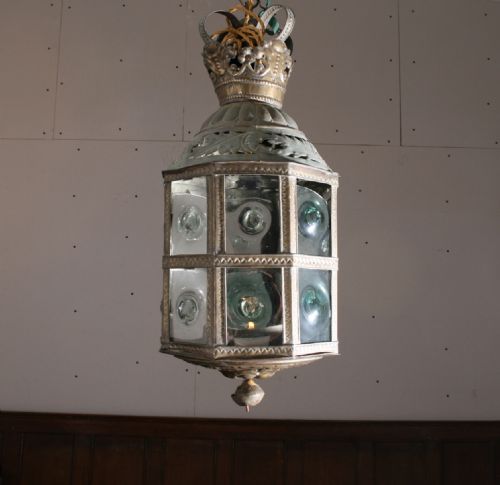
Stylistic influences vary widely across the selection, encompassing Gothic Revival, Arts and Crafts, Moorish Revival, and French Neoclassical designs. Many pieces integrate decorative metalwork with hand-blown, bullseye, or bevelled glass panes.
Materials and construction
Frames are constructed from metals including brass, wrought iron, steel, copper, and bronze, frequently finished with gilding or silver plating. These structural elements provide the rigidity necessary to support heavy glass panels and internal lighting components.
Glazing techniques involve hand-blown glass, bullseye lenses, convex panes, and bevelled plates secured within the metal framework. Pierced brass work and applied decorative motifs, such as shamrocks or ormolu mounts, are integrated directly into the body of the lantern.
Metal Hanging Lantern Retail Price Guide 2026
Typical asking prices for metal hanging lantern among the pieces listed under this phrase on Sellingantiques today, from the lower quarter to the upper quarter. They describe what is for sale here now, not the wider market.
Keep an eye out for hidden shamrocks cast into porch lights and cheeky Green Man copper faces peering from nineteenth-century corners.
Distinctions in construction and design
Quality separates pieces through the precision of the metalwork, the weight of the cast bronze or brass, and the clarity of the glass. Hand-blown and bevelled panes require greater skill to produce than standard flat glass.
The refinement of decorative details, such as pierced brass patterns or ormolu mounts after historical models, distinguishes standard utility lighting from elaborate salon pieces. Original surface treatments and gilding retain historical integrity better than subsequent interventions.
The Metal Hanging Lantern Glossary
- Convex glass
- Curved glass panels that project outward to diffuse light across a wider angle. This technique is frequently seen on French hall lanterns from the early twentieth century.
- Ormolu
- Gilded bronze mounts applied to furniture and light fittings for decorative effect. It creates a bright, reflective surface on period frames.
- Holophane
- Ribbed prismatic glass designed to direct and diffuse light efficiently. It appears in industrial and domestic light fixtures from the early twentieth century.
- Toleware
- Painted or lacquered sheet metal items decorated in various colours. This material introduces polychrome detail to hanging light fittings.
- Pierced brass
- Sheet brass that has been cut through with decorative patterns to let light filter outwards. This technique defines Moorish and late nineteenth-century styles.
Metal Hanging Lantern: Frequently Asked Questions
Where should a metal hanging lantern be hung?
These lanterns suit entrance halls, high-ceilinged landings, and covered porches where their drop can be fully appreciated. Their enclosed frames manage ambient light effectively in transition spaces.
Ensure adequate clearance beneath the lowest point of the lantern for foot traffic, particularly in narrow corridors or stairwells.
How do I date a period lantern?
Dating relies on examining the metal composition, fastening techniques, and stylistic markers such as Gothic Revival or Arts and Crafts motifs. Hand-forged ironwork and early wiring methods offer further chronological clues.
Compare the glass types, such as hand-blown bullseye or early bevelled panes, against known production eras to refine the period.
Are these lanterns electrified?
Many examples arrive converted for modern electrical supply, while others retain older candle or gas configurations requiring rewiring. Internal sockets and wiring are typically updated to meet contemporary safety standards.
Consult a qualified electrician to inspect and install antique light fittings securely in domestic settings.
How are heavy bronze lanterns supported?
Substantial pieces require direct ceiling joist anchorage rather than standard plasterboard fixings to bear the combined weight of bronze and glass. Suspension chains and hooks must match the load capacity of the fixture.
Professional installation is recommended for large steel and bronze multi-light chandeliers and oversized hall lanterns.