
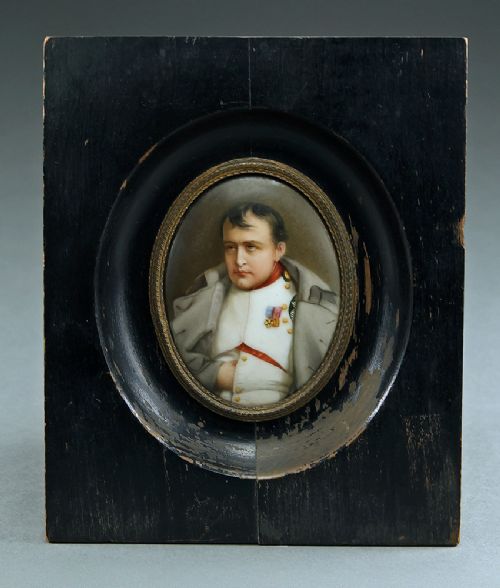
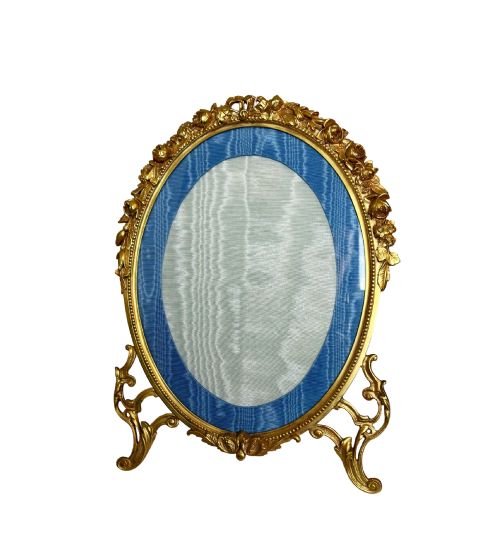

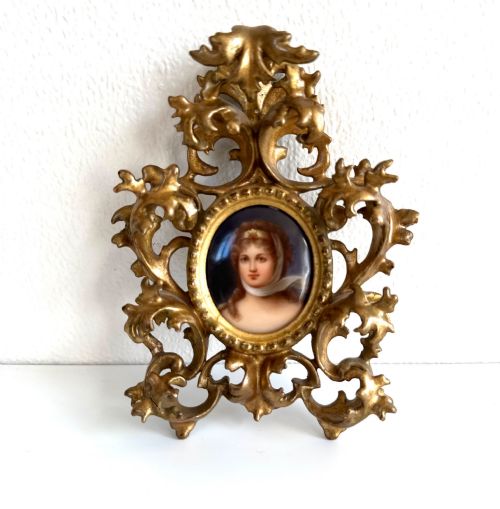
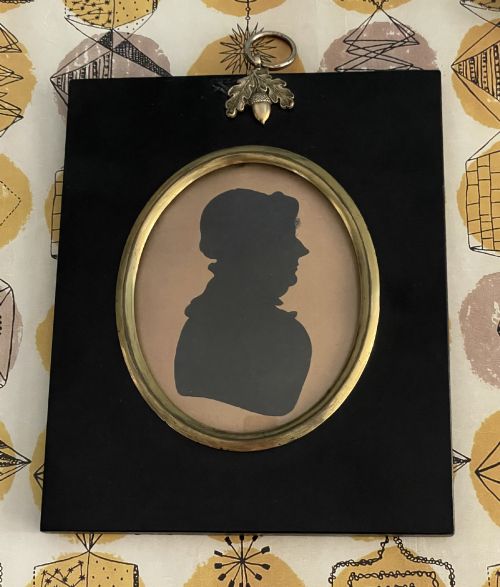
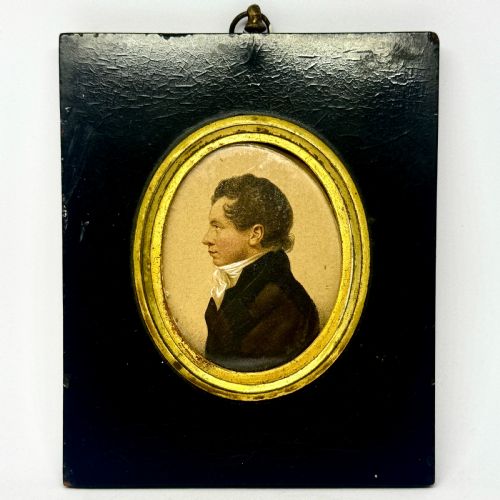
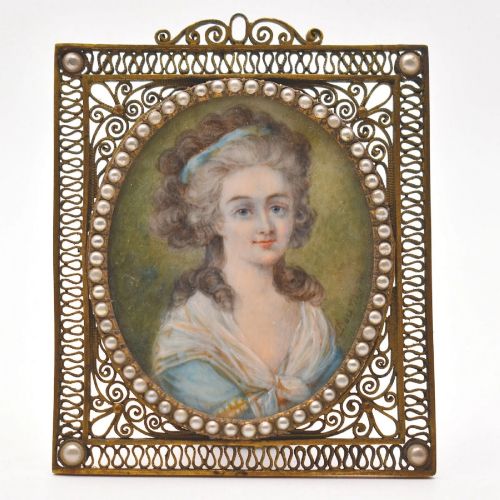


Brass Oval Miniature Portrait
These brass oval miniature portrait pieces offer a glimpse into past centuries through delicate painted and silhouetted likenesses.
Brass Oval Miniature Portrait
A brass oval miniature portrait is a small-scale likeness created during periods such as the Georgian, Regency, and Victorian eras. These works capture individual subjects in intimate detail within compact formats designed for personal display.
The pieces appearing on this page encompass various formats including painted watercolours, enamels, and cut or gilded silhouettes. Many examples retain their original brass, gilt metal, or ebonised wood surrounds.
Most items trace their origins to the eighteenth and nineteenth centuries, spanning Georgian refinement through to Victorian sentimentality. Buyers encounter both British works and continental examples housed in their period enclosures.
Materials and methods
Casings combine cast brass, gilt metal, and bronze frames with protective glass panels. Backings often incorporate ebonised wood or folding stands for tabletop and wall display.
Listings feature portrait miniatures created across the eighteenth, nineteenth, and early twentieth centuries.
Differences in quality
Quality rests in the precision of the brushwork or silhouette cutting, where master artists capture personality and likeness within inches. Superior examples demonstrate expert handling of light, shadow, and proportion.
The refinement of the surrounding metalwork dictates the overall standard of the piece. Finely chased brass, heavy ormolu, and well-preserved seed pearl or gilt mounts elevate the significance of the work.
George Atkinson·James Gillespie·John Miers·Archibald Skirving·Susie Lassam·Jeremiah Steele
The Brass Oval Miniature Portrait Glossary
- Silhouette
- A solid profile likeness, typically cut from black paper or painted on card, plaster, or glass. These shadow portraits gained immense popularity during the Georgian and Regency periods.
- Plumbago
- A drawing executed in graphite, taking its name from the Latin word for lead ore. These fine monochrome works offer remarkable detail on a miniature scale.
- Ormolu
- Gilded bronze or brass applied to decorative frames and mounts. This technique provided a rich, golden finish popular in French Rococo and nineteenth-century design.
- Ebonised
- Wood treated to imitate ebony, producing a deep black finish. This material formed striking dark frames that contrasted with gilt brass mounts and pale portraits.
- Gilt Metal
- Base metal treated with a thin layer of gold or gold-coloured wash. It served as an accessible alternative to solid gold for framing miniature works.
Brass Oval Miniature Portrait: Frequently Asked Questions
What periods do these miniatures come from?
The pieces span the eighteenth and nineteenth centuries, taking in the Georgian, Regency, and Victorian eras.
Later examples extend into the early twentieth century, reflecting enduring interest in portrait miniatures.
How were these portraits displayed?
Many examples were housed in frames designed for wall hanging or placed on desks utilising small metal stands.
Some portable pieces were carried in pockets or worn as personal mementoes.
What materials make up the frames?
Frames commonly consist of cast brass, gilt metal, or bronze, occasionally accented with ormolu or seed pearls.
Backings frequently utilise ebonised wood to provide a dark contrast against the bright metal.
How are silhouettes different from paintings?
Silhouettes present a solid black profile cut from paper or painted onto plaster, card, or glass.
Paintings utilise watercolour, oil, or enamel mediums to render full-colour likenesses with fine facial detail.