

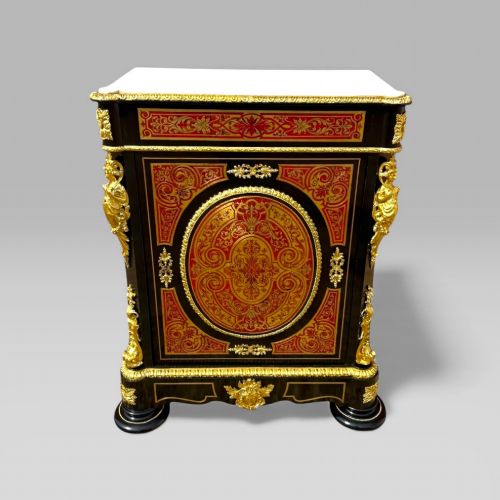
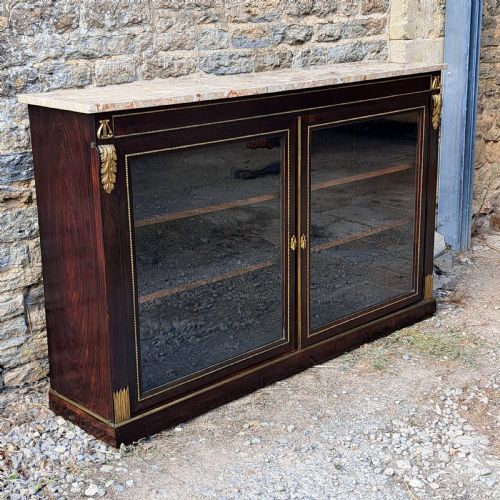
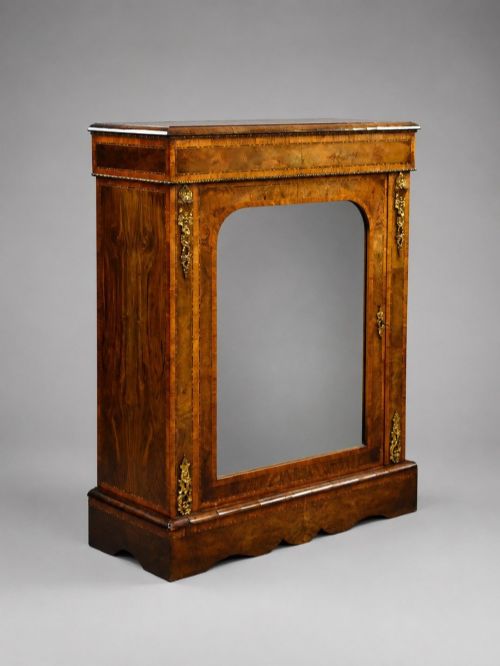
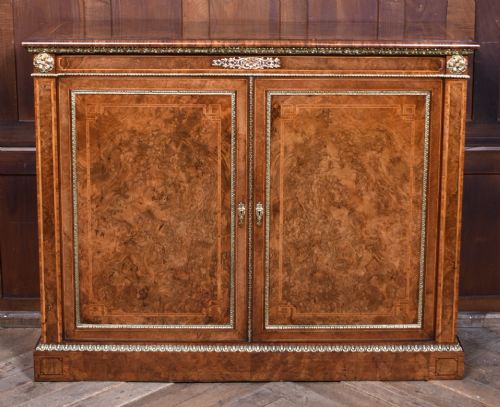


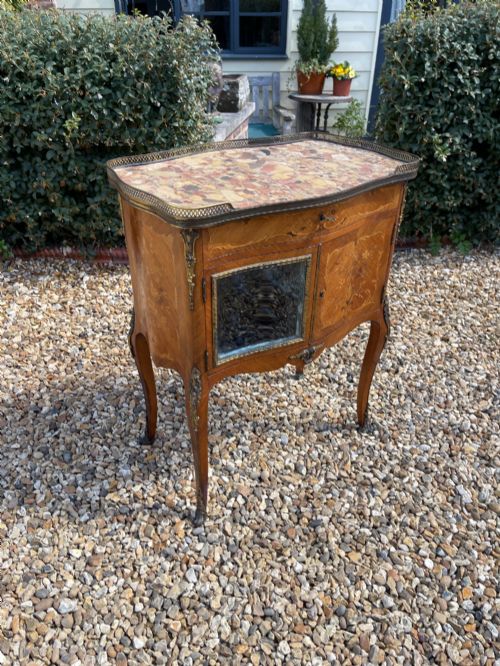

Brass Ormolu Side Cabinet
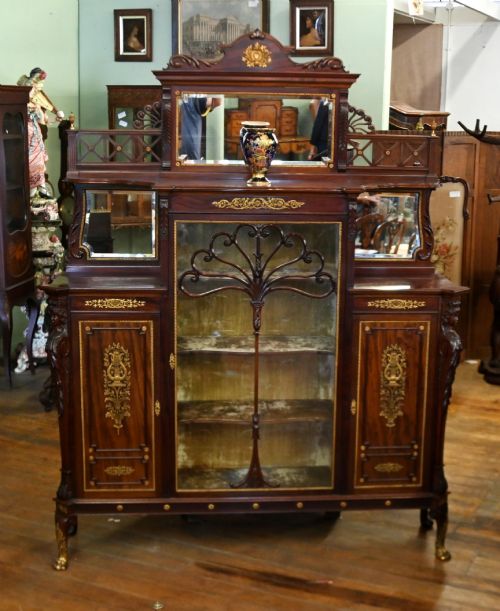
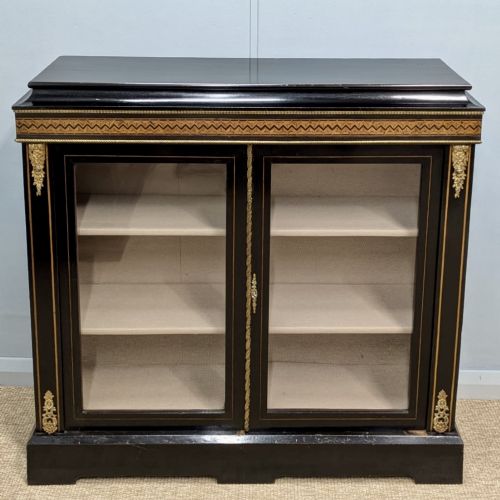
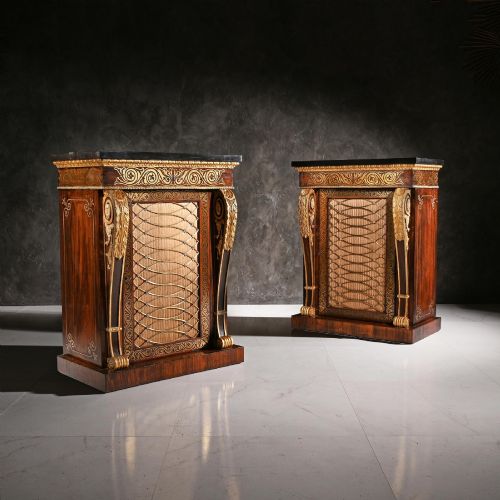
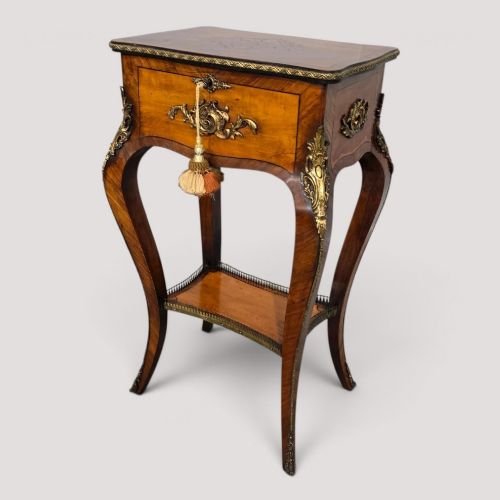
A brass ormolu side cabinet brings opulent French and Victorian display to a room.
Brass Ormolu Side Cabinet
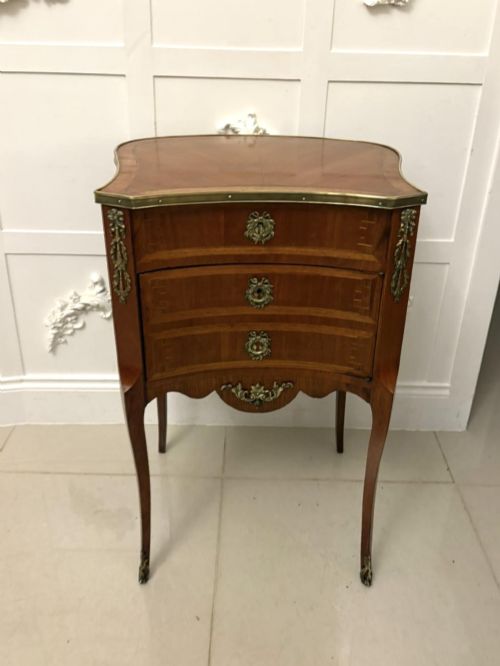
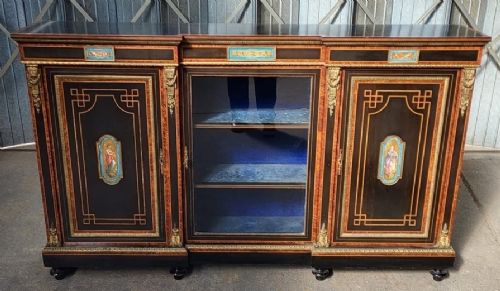
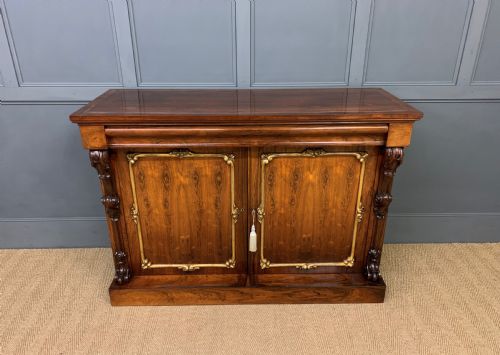
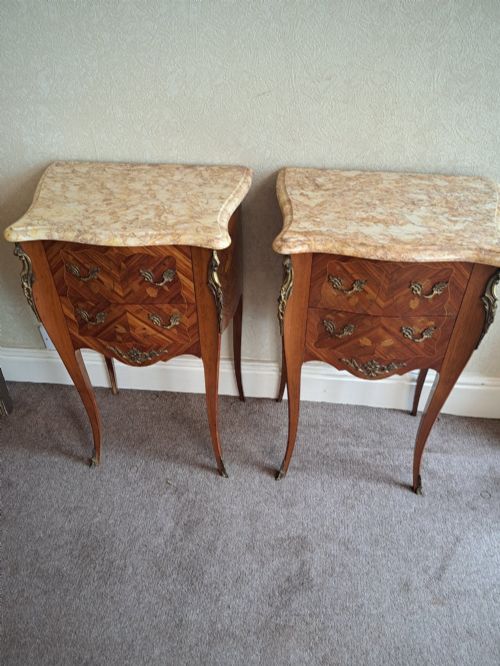
A brass ormolu side cabinet functions as a focal point for storage and display in reception rooms and bedrooms. Buyers seeking these pieces encounter varied forms ranging from compact bedside tables to large credenzas and pier cabinets. The selection spans the nineteenth century through the early twentieth century, with strong representation from Victorian and French periods.
The physical evidence on this page points toward pieces designed with glass doors, marble tops, and shelved interiors. Walnut, mahogany, and ebonised woods dominate the structural carcasses, shaped into serpentine, breakfront, and rectangular footprints. Parisian workshops and English cabinetmakers produced these variants for prosperous domestic interiors.
Markers of superior craftsmanship
Quality rests in the crispness of the cast brass ormolu mounts and the precision of the marquetry or boulle inlay. Superior examples display hand-chased detail within the metalwork rather than flat, machine-stamped surfaces. The depth of the timber grain and the tightness of the wood joints dictate the overall execution.
The interior fit-out and secondary timbers utilised inside drawers and carcases indicate the original tier of production. Fine specimens integrate matched veneers across continuous drawer fronts and retain original glass and marble components.
Brass Ormolu Side Cabinet Retail Price Guide 2026
Typical asking prices for brass ormolu side cabinet among the pieces listed under this phrase on Sellingantiques today, from the lower quarter to the upper quarter. They describe what is for sale here now, not the wider market.
Tortoiseshell and brass marital harmony glows quietly beneath nineteenth-century candlelight.
Harrods
The Brass Ormolu Side Cabinet Glossary
- Ormolu
- Gilded bronze or brass mounts applied to furniture. These decorative elements highlight structural corners and door frames.
- Boulle
- Marquetry technique utilising brass and tortoiseshell inlaid together. André-Charles Boulle popularised this contrasting decorative method.
- Pier Cabinet
- A low or tall cabinet designed to stand against a wall pier between windows. These typically feature glass doors for displaying porcelain.
- Credenza
- A sideboard or low cabinet for dining rooms or reception spaces. Victorian versions frequently include three doors and gilt-metal mounts.
- Marquetry
- Decorative patterns formed by fitting veneer pieces onto a carcase. Craftsmen use various coloured woods to create floral or geometric designs.
Brass Ormolu Side Cabinet: Frequently Asked Questions
What is a brass ormolu side cabinet used for?
These cabinets serve primarily for displaying porcelain, books, and decorative objects while providing enclosed shelving. Their decorative surfaces also accommodate lamps and ornamental items.
In dining rooms and drawing rooms, they function as serving surfaces or focal storage pieces. Smaller variants serve bedside or occasional table duties in private chambers.
How do I identify French Napoleon III style?
Napoleon III furniture draws heavily on earlier Louis XV and Louis XVI aesthetics with an eclectic Victorian sensibility. Look for ebonised finishes paired with profuse ormolu mounts and boullework.
These pieces frequently incorporate serpentine shapes, gilt bronze caryatids, and intricate brass and tortoiseshell marquetry panels.
Are marble tops original to these cabinets?
Marble tops appear frequently on nineteenth-century French chiffoniers, bedside tables, and pier cabinets. White, grey, and veined black marble slabs were fitted during initial construction to provide durable surfaces.
Replacement marble slabs do occur, often identifiable by differing edge profiles or lack of historical wear underneath the stone.
How should I care for ormolu mounts?
Ormolu mounts require gentle dusting with a dry microfibre cloth to prevent the accumulation of dirt in recessed chasing. Avoid abrasive metal cleaners and harsh chemical polishes which strip the original gilt surface.
Maintain stable room humidity to protect the underlying timber carcases and prevent veneer shrinkage around the metal fittings.