
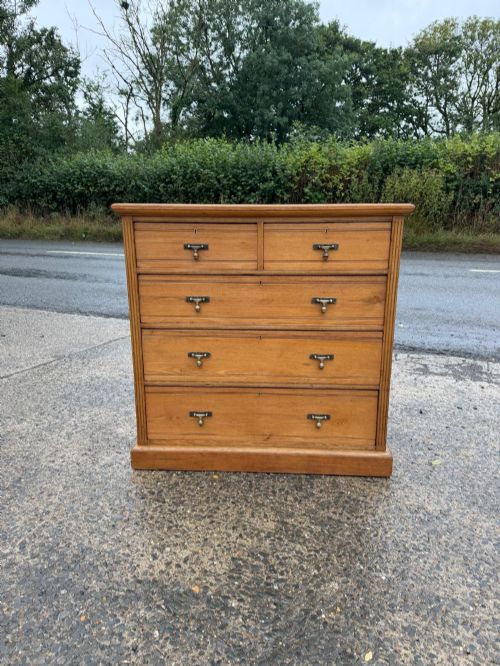
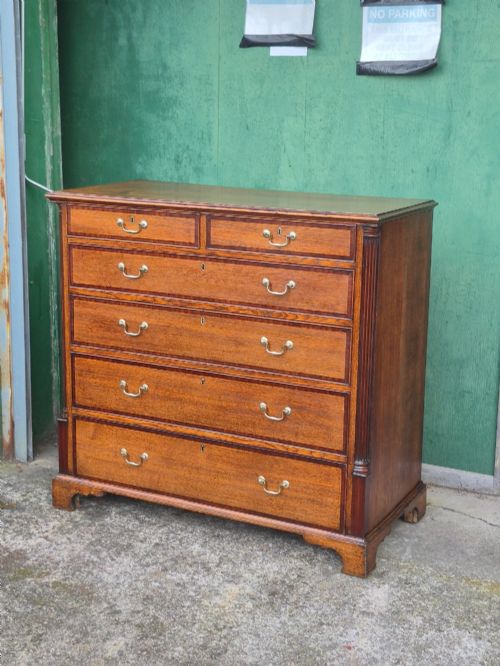
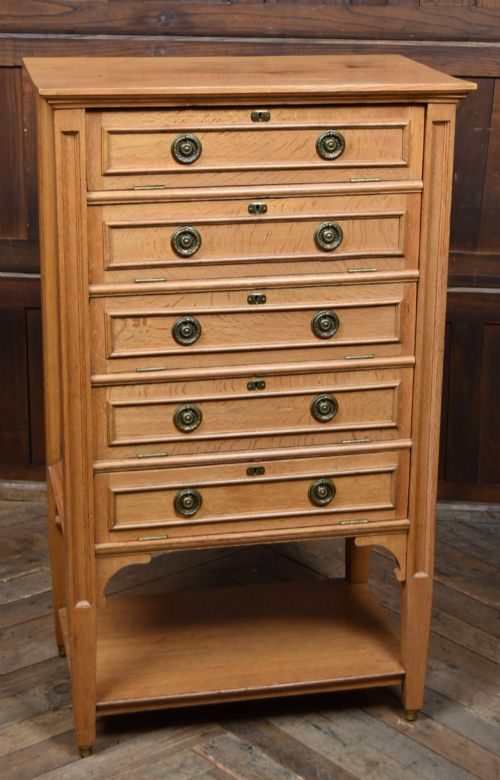
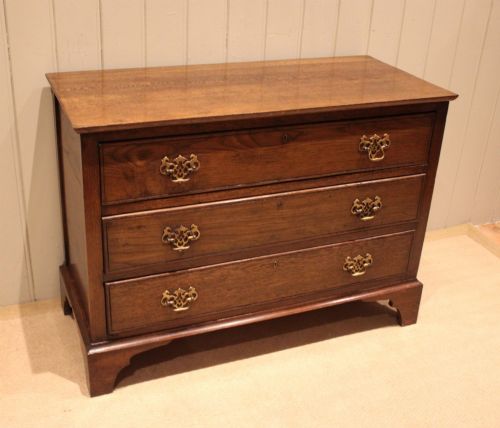
Brass Oak Chest Drawers
When you search for brass oak chest drawers, you are looking at substantial storage furniture featuring timber construction and metal hardware.
Brass Oak Chest Drawers
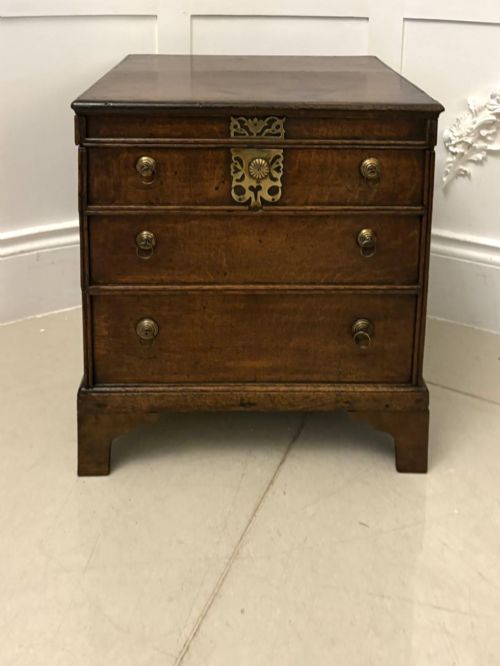
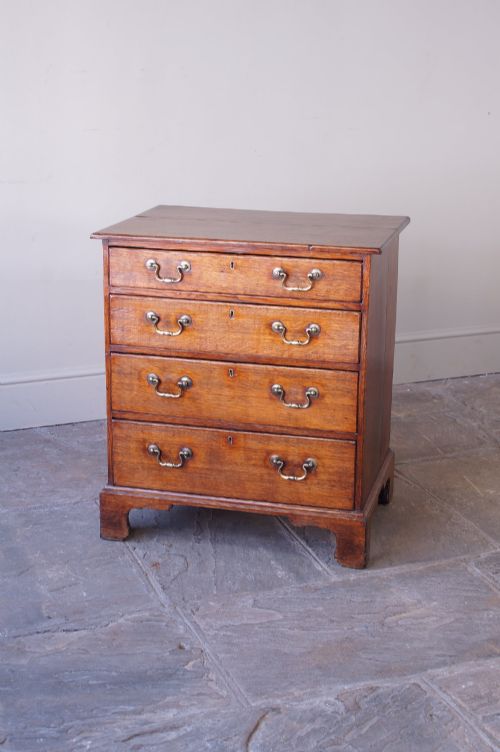
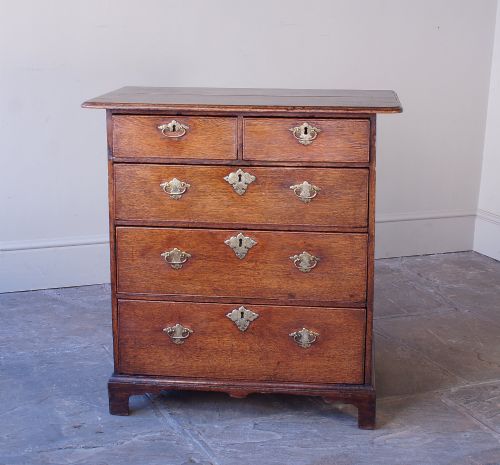
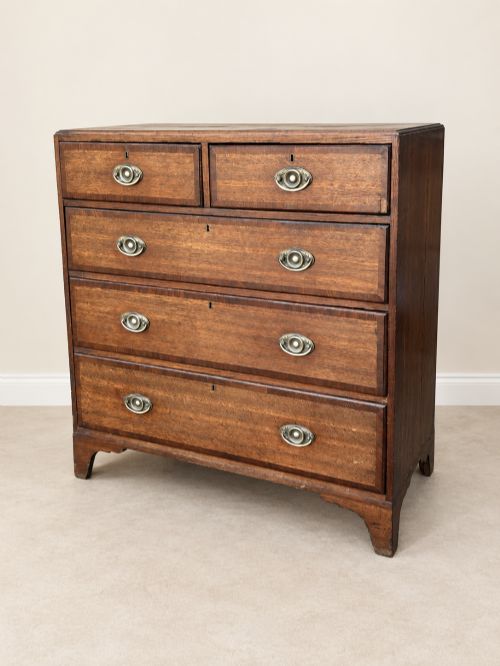
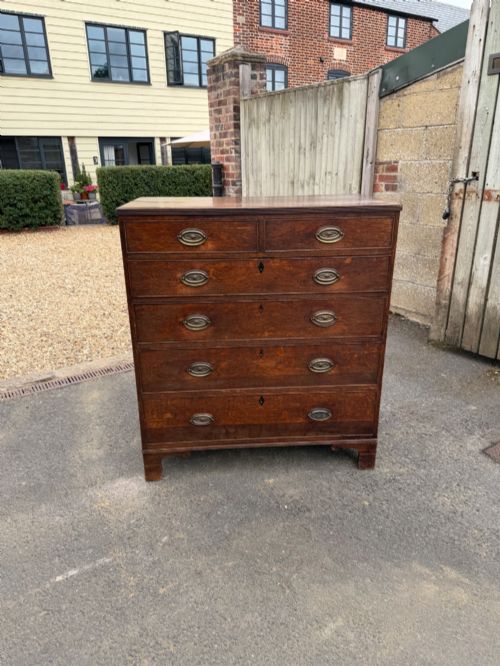
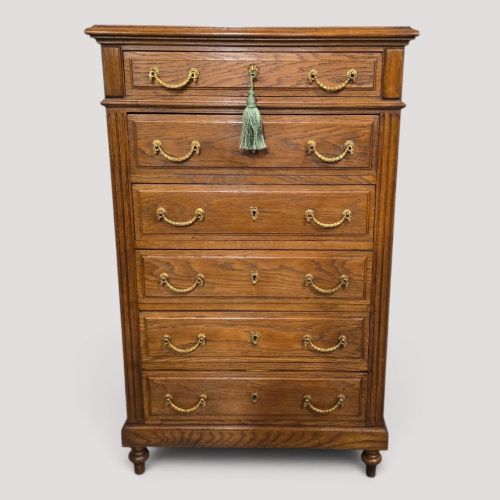
A brass oak chest drawers combines sturdy timber storage bodies with metal hardware such as drop handles, swan necks, and campaign bindings. These pieces span centuries of cabinet making, ranging from early country workshop examples to formal urban designs.
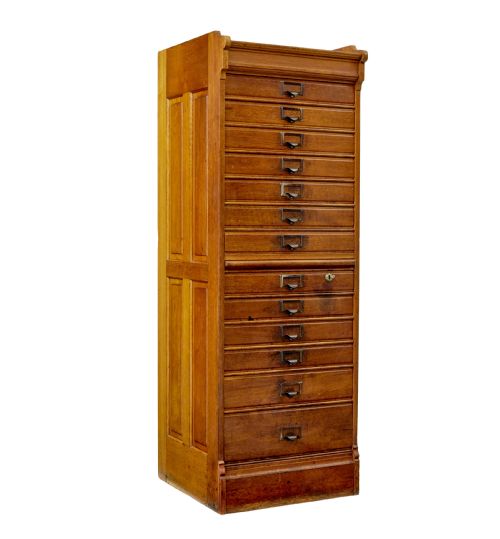
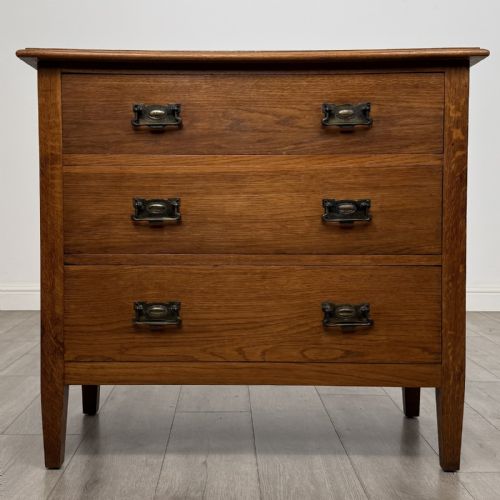
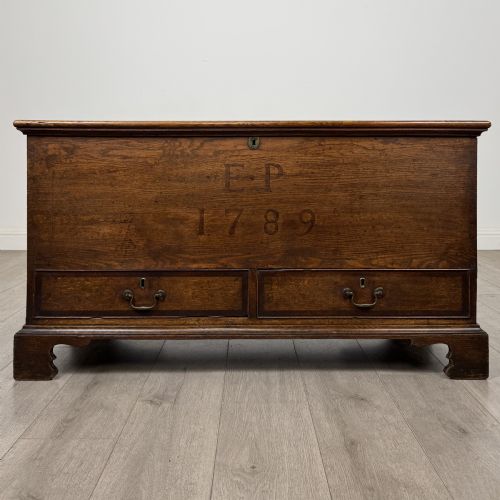
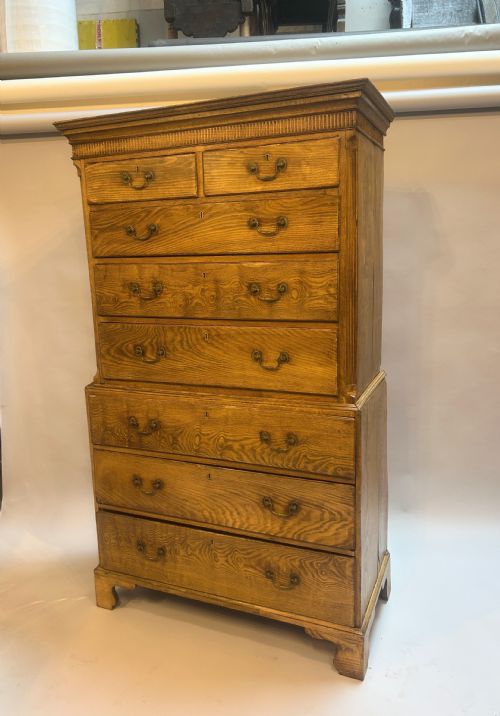
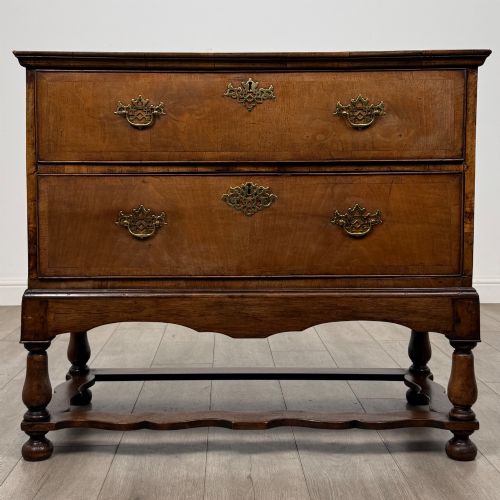
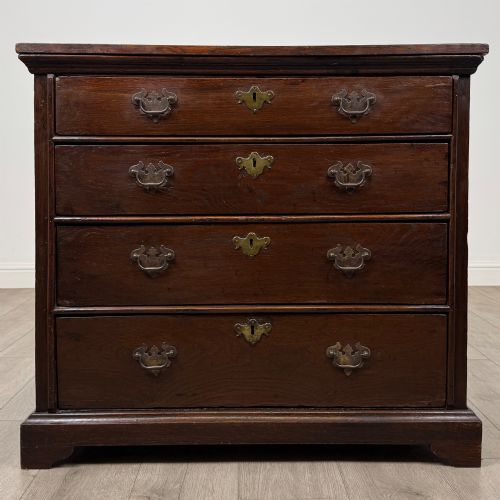
Buyers meeting this search phrase encounter several primary forms. The selection includes tallboys, low chests, mule chests, and bureau desks alongside traditional multi-drawer storage units.
Origins stretch across multiple eras including the seventeenth century, the Georgian period, and Edwardian times. Oak forms the structural core of these pieces, frequently paired with brass mountings and sometimes accented by mahogany crossbanding or walnut veneers.
Distinctions in quality
The standard of a piece rests on the integration of its timber framing and the integrity of its brass hardware. Original handles and authentic period mountings elevate a chest above examples with later replacements.
Refinement in surface finish, such as polished golden oak or figured elm grains, distinguishes superior craftsmanship. The precision of drawer joints and the presence of original bracket feet or ogee bases further separate exceptional items from standard utility furniture.
Listings feature pieces spanning the 17th Century, Georgian era, Victorian period, and Edwardian times, constructed in oak, walnut, elm, and mahogany.
Army And Navy CSL
The Brass Oak Chest Drawers Glossary
- Swan neck handle
- A metal drawer pull shaped like a swan's neck, fastened through backplates. These brass fittings are common on Georgian and eighteenth-century furniture.
- Tallboy
- A tall chest of drawers, often constructed in two stacked sections. This form maximises vertical storage capacity while maintaining a compact footprint.
- Crossbanding
- A decorative border of veneer laid around the edges of drawer fronts or tabletops. The grain runs perpendicular to the surrounding wood for visual contrast.
- Bracket foot
- A simple foot shape supporting the corners of a case piece, formed by two mitred pieces of timber. They appear frequently on eighteenth-century chests.
- Mule chest
- A storage chest featuring one or more drawers built into the lower base section. They bridge the design gap between traditional blanket chests and modern drawer units.
Brass Oak Chest Drawers: Frequently Asked Questions
What is a brass oak chest drawers?
A brass oak chest drawers is a storage unit built primarily from timber with metal hardware attached to the drawer fronts. These items serve to store clothing and household goods while adding traditional character to a room.
They appear in various formats, including tallboys, low chests, and campaign styles. The combination of durable wood and metal mountings defines their enduring appeal.
How do I date an antique oak chest?
Dating an antique chest involves examining construction methods, timber choice, and hardware styles. Earlier pieces from the seventeenth and eighteenth centuries often feature hand-cut joints and pegged frames.
Hardware styles also change across eras, transitioning from drop handles to swan necks and later brass designs. Secondary woods used in drawer linings provide further clues to the period of manufacture.
Where were these chests used?
These chests functioned primarily as bedroom and parlour storage furniture for clothing and linens. Their robust construction allowed them to withstand daily domestic use across generations.
Some specialised forms, such as campaign chests, were designed for travel and military use. Others served in hallways and studies as general household storage.
How do I care for antique oak furniture?
Caring for antique oak involves placing the furniture away from direct heat sources and fluctuating humidity. Consistent indoor climates prevent timber warping and shrinkage.
Regular dusting with a soft dry cloth maintains the surface finish. Periodic application of appropriate wax feeds the timber without building up heavy residues.