

Brass Mounted Stand
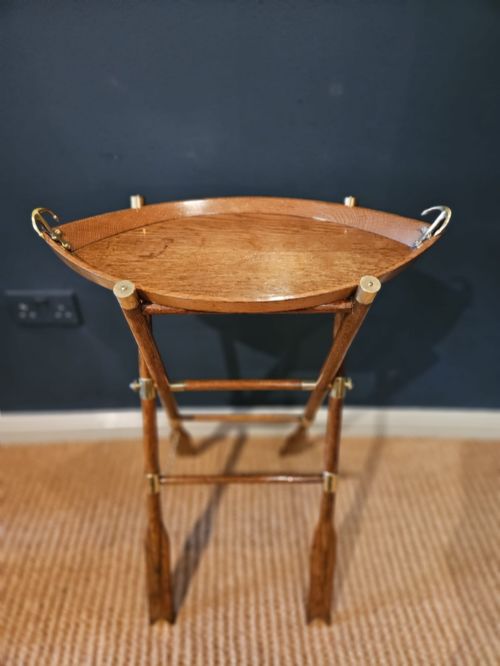
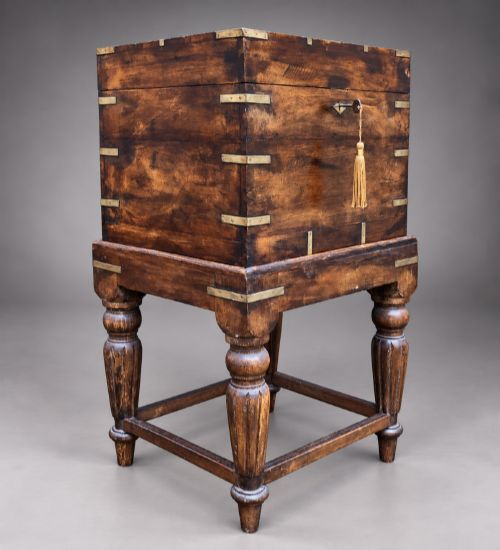
A brass mounted stand brings functional elegance to an interior, combining polished metal fittings with rich timbers like mahogany, walnut, and oak.
Brass Mounted Stand
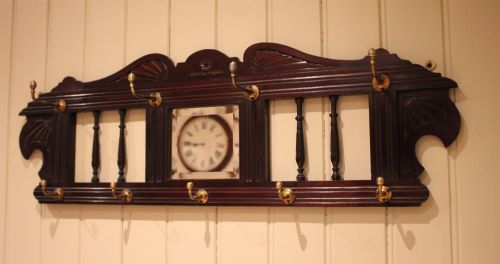
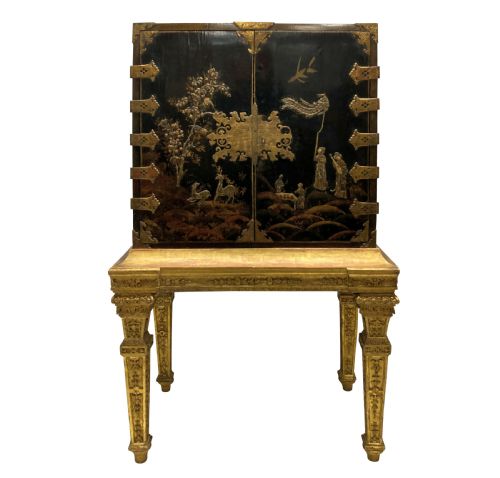
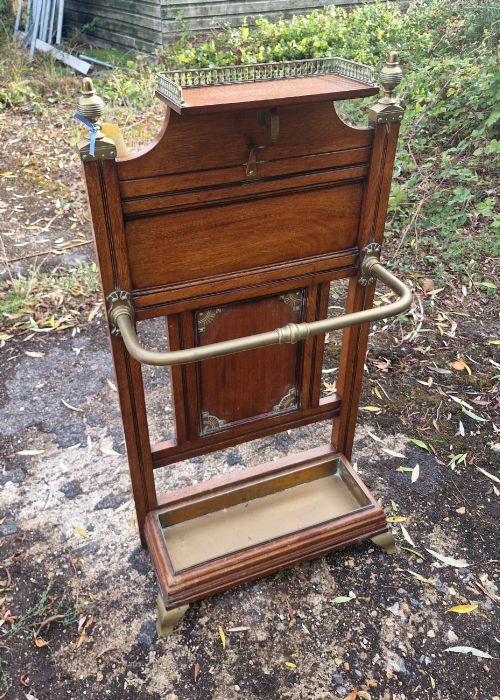
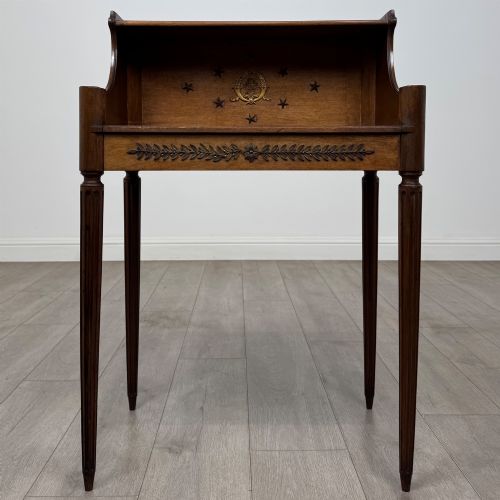
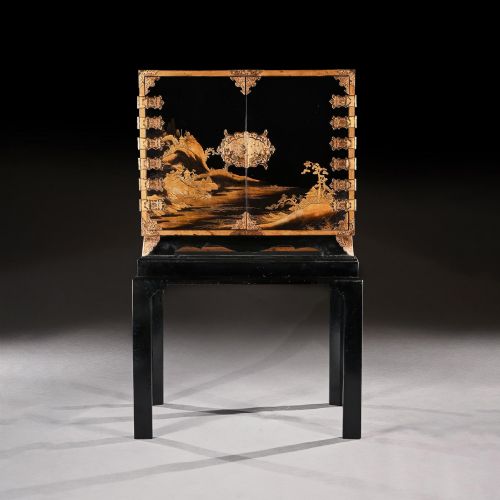
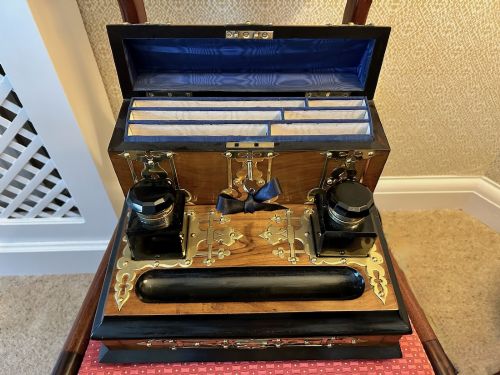
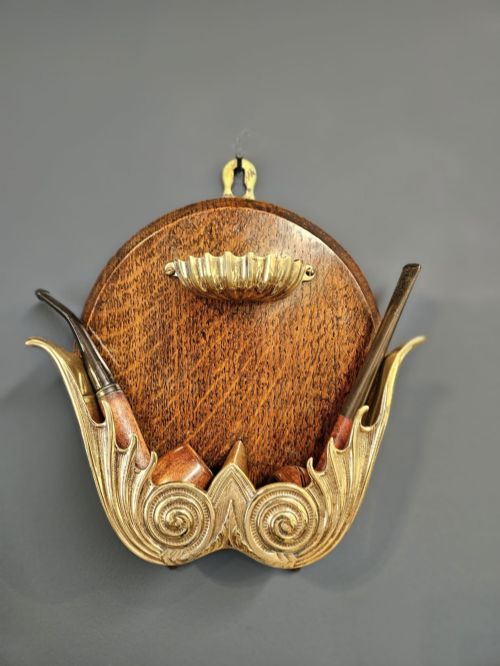
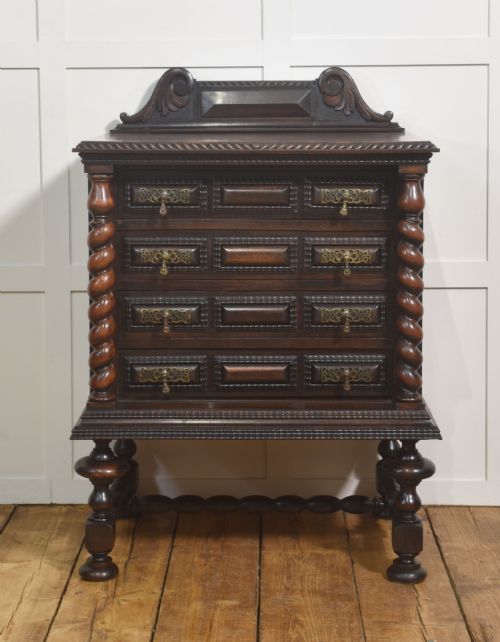
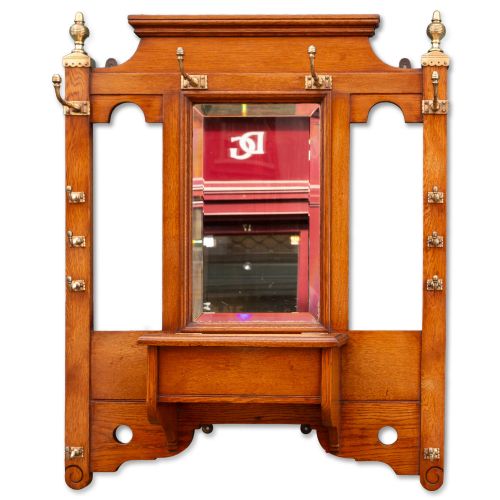
When you examine a brass mounted stand, you encounter a diverse range of objects designed for utility and display across several centuries. The selection spans utilitarian hall stands, umbrella racks, and coat hooks alongside smaller desk accessories, inkstands, and substantial cabinets elevated on custom bases.
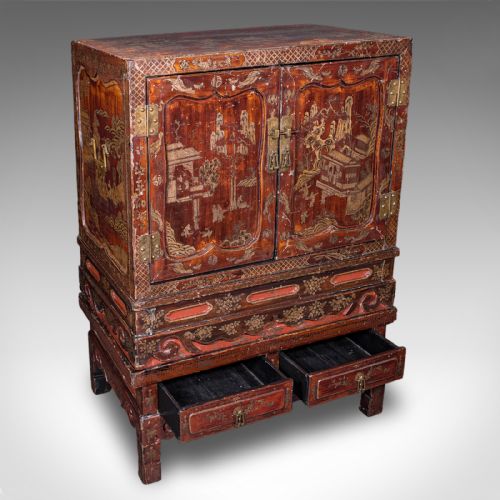
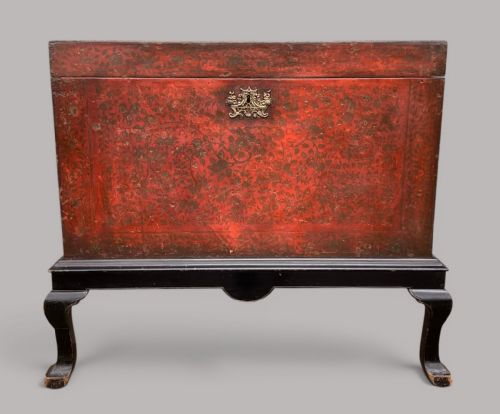
Victorian and nineteenth-century examples dominate the offerings, frequently rendered in walnut, mahogany, or oak with cast brass handles, rails, and mounts. You will also discover earlier seventeenth and eighteenth-century forms, including lacquered cabinets on stands and robust campaign furniture.
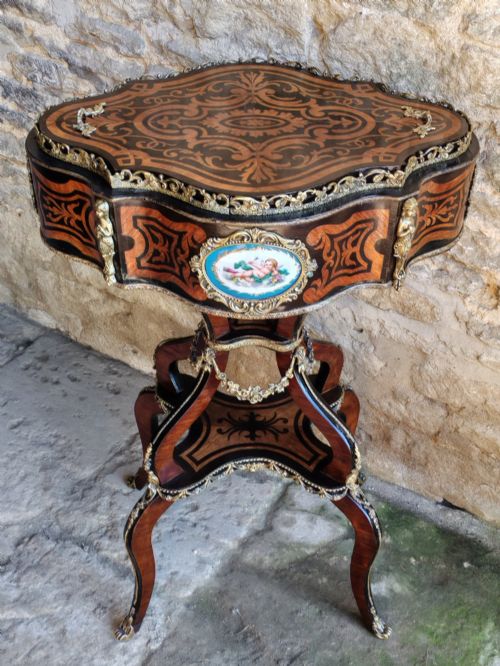
The term encompasses everything from floor-standing pieces for an entrance hall to tabletop companions for a writing desk. Each item integrates functional brass hardware to reinforce structural joints or frame decorative panels of glass, marble, and exotic wood veneers.
How they were made
Cabinetmakers utilised solid timbers and decorative veneers over secondary woods, combining traditional joinery with cast or stamped brass mounts, ormolu, and bronze accents. Woods such as mahogany, oak, walnut, and coromandel provide the structural carcase, often enhanced with marquetry, parquetry, or lacquered finishes.
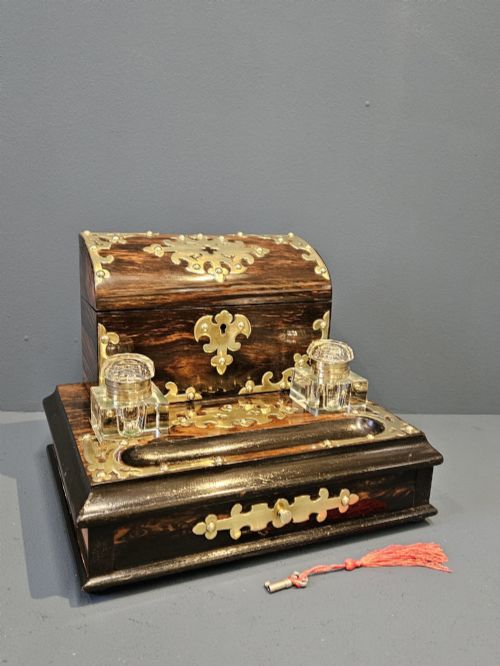
Metalwork played a structural and decorative role, securing corners, forming gallery rails, and shaping functional elements like coat hooks, umbrella wells, and inkstand compartments. Brass components were cast, polished, and screwed or pegged directly into the timber framework.
Surface treatments range from French polish on nineteenth-century tables and desks to intricate Chinoiserie lacquer on earlier cabinets. Specialised pieces incorporate inset marble tops, ceramic inserts, cut crystal decanters, and tortoiseshell panels.
Listings feature items spanning from the seventeenth century through the Edwardian period, constructed in mahogany, oak, walnut, coromandel, and rosewood.
What varies in quality
The distinction between ordinary and exceptional pieces rests upon the crispness of the brass casting and the precision of the woodwork. Superior examples display finely chased mounts, secure joints, and well-figured timber veneers that have aged with a deep, even lustre.
Design ambition separates standard utilitarian items from masterworks attributed to notable makers or specific stylistic revivals. Balance in proportions, the integration of secondary materials such as marble or crystal, and the survival of original hardware elevate the standing of an individual piece.
Shoolbred & Co·James Shoolbred & Co·François Linke
The Brass Mounted Stand Glossary
- Brass mount
- A decorative or structural fitting made of brass attached to the surface or corners of furniture. These elements provide reinforcement while adding metallic contrast to the timber carcase.
- Cabinet on stand
- A separable storage unit elevated upon a matching or complementary base framework. This form highlights imported lacquerwork or fine cabinetry by lifting the main body off the floor.
- Inkstand
- A portable desk accessory equipped to hold inkwells, sanders, and pens. They often incorporate brass galleries, cut glass bottles, and compartments lined in velvet or leather.
- Cellarette
- A lockable container used for storing bottles of wine or spirits, frequently lined and fitted with metal mounts. They appear as freestanding furniture pieces or portable boxes.
- Etagere
- A set of open display shelves supported by slender pillars, popular in French-influenced interiors. They allow for the arrangement of decorative objects from multiple viewing angles.
Brass Mounted Stand: Frequently Asked Questions
What is a brass mounted stand used for?
These pieces served practical storage and organisational roles in historic homes, ranging from holding walking sticks and umbrellas in a hallway to housing ink and pens on a study desk.
Larger variations functioned as display cabinets for precious objects or side tables for serving drinks, combining utility with decorative presence.
How do I date a brass mounted stand?
Dating relies on identifying the primary wood species, construction methods, and stylistic cues such as Victorian Gothic Revival or French Neoclassical influences.
The complexity of the brass hardware and the presence of period-specific locks and screws also help narrow the manufacturing era.
Where should I place a hall stand?
Hall stands and umbrella racks belong naturally in an entrance hallway or boot room where guests arrive and outdoor accessories are deposited.
Tabletop versions and desk stands suit studies, libraries, or living rooms as functional surface accessories.
Are these stands sturdy enough for daily use?
Most pieces were built from robust hardwoods like oak, walnut, and mahogany, designed to endure heavy daily service in busy households.
Care should be taken with delicate veneers, lacquer finishes, and inset marble tops to preserve their condition over time.